
The California Roll. For many, it’s not just a dish; it’s an emblem of accessible exoticism, a gateway to the vast and sometimes intimidating world of Japanese cuisine. What started as a clever culinary innovation in North America has blossomed into a global phenomenon, found on menus from bustling city centers to serene resort towns. More than just an assembly of ingredients, the California Roll embodies a fascinating blend of cultural adaptation, innovative thinking, and widespread appeal, making it a compelling subject not just for food enthusiasts, but also for travelers, hoteliers, and those interested in the evolving tapestry of global lifestyle and tourism.

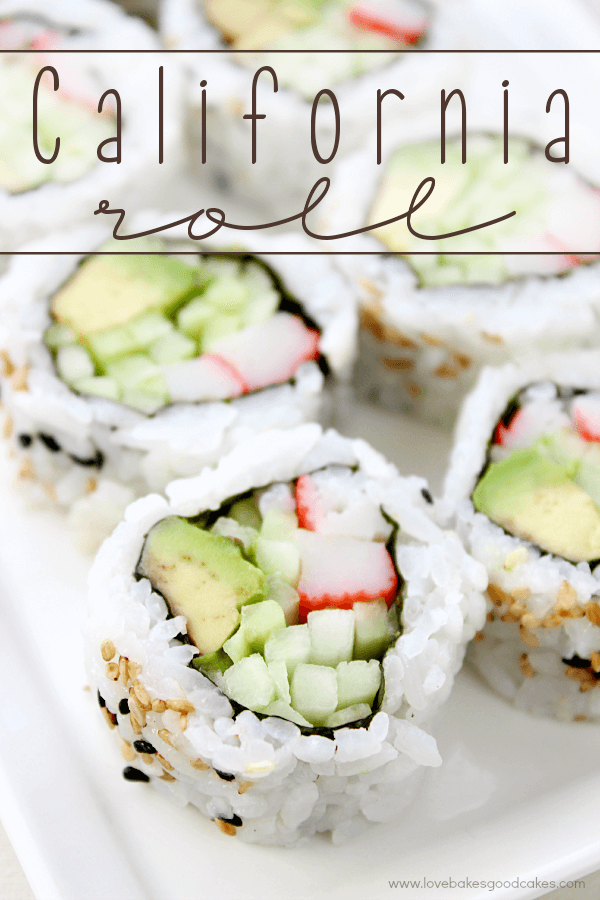
At its core, the California Roll is a type of makizushi (rolled sushi), traditionally made inside-out (an uramaki) with a handful of key components: imitation crab meat (surimi), avocado, cucumber, and roasted seaweed (nori), all wrapped in vinegared sushi rice and often sprinkled with toasted sesame seeds or fish roe (tobiko or masago). But its true “ingredients” extend far beyond this list, encompassing a rich history of culinary diplomacy, a significant role in popularizing sushi in the Western World, and an undeniable presence in the modern travel and hospitality landscape. Understanding what’s truly in a California Roll means delving into its origins, its cultural impact, and its surprising omnipresence in our collective dining and travel experiences.
The Genesis of a Global Phenomenon: A Culinary Origin Story
The story of the California Roll is one of culinary adaptation and entrepreneurial spirit, a tale rooted in the desire to introduce traditional Japanese flavors to a new, often apprehensive, audience. Its invention marks a pivotal moment in the global expansion of sushi, transforming it from a niche ethnic food into a mainstream dining option.
From Humble Beginnings to Universal Appeal
The exact birthplace of the California Roll is a subject of friendly debate, often credited to either Los Angeles, California, or Vancouver, Canada. One popular narrative attributes its creation to Chef Ichiro Mashita at the Tokyo Kaikan restaurant in Los Angeles in the late 1960s or early 1970s. Faced with a shortage of toro (fatty tuna) and a clientele hesitant about raw fish, Mashita allegedly substituted cooked crab meat and introduced avocado for its rich, buttery texture, mirroring the fattiness of tuna. The decision to make it an uramaki – rice on the outside – was equally strategic, as many Westerners found the dark, unfamiliar nori seaweed visually off-putting when presented on the exterior. This clever inversion hid the seaweed, making the roll more visually appealing and less intimidating.
Another strong contender for its origin is Chef Hidekazu Tojo of Vancouver, who claims to have created the “Tojo-maki” (which later became known as the California Roll) around 1971. His intention was similar: to create a sushi roll that appealed to Western diners, who were not yet accustomed to eating raw fish and seaweed. He used cooked crab, avocado, and cucumber, placing the rice on the outside to make it more approachable. Regardless of the precise origin, the underlying motivation was clear: innovation driven by cultural sensitivity and a desire to broaden sushi’s appeal.
The core ingredients—imitation crab (surimi), avocado, and cucumber—were chosen not just for taste but for strategic reasons. Surimi provided a familiar, cooked seafood flavor and texture without the challenge of raw fish. Avocado offered a creamy richness and a healthy fat component that resonated with the burgeoning health-conscious lifestyle of California. Cucumber added a refreshing crunch, balancing the richness. These components, combined with the mild sweetness of vinegared sushi rice, created a harmonious, approachable flavor profile that quickly garnered widespread approval. The sprinkle of sesame seeds or tobiko on the exterior added an aesthetic appeal and a subtle textural contrast, further enhancing its universal charm.
The Americanization of Sushi: A Lifestyle Choice
The California Roll swiftly became a phenomenon across the United States and beyond, acting as the ultimate “gateway sushi.” Its cooked ingredients and familiar flavors removed the barriers of apprehension that many Westerners felt towards traditional sushi, which often features raw fish and unfamiliar textures. This made it an ideal starting point for diners venturing into Japanese cuisine for the first time, paving the way for the acceptance and eventual embrace of more authentic sushi variations.
Its rise coincided with a broader shift in lifestyle and dining habits in the late 20th century. As people became more health-conscious and sought lighter, fresher meal options, the California Roll fit perfectly. It was perceived as a healthy, convenient, and relatively quick meal, making it popular for business lunches, casual dinners, and even grab-and-go options. The fact that it was easily portable and didn’t require utensils added to its appeal for a fast-paced lifestyle.
The California Roll’s popularity also contributed significantly to the “foodie” culture that began to flourish, transforming Japanese restaurants from specialty eateries into mainstream dining establishments. It demystified sushi, making it accessible to a broader demographic and integrating it into the fabric of American culinary identity. This transformation underscored the roll’s importance not just as a dish, but as a cultural bridge, influencing how people perceived and consumed international cuisine, and demonstrating how a clever adaptation can lead to a global culinary revolution.
The California Roll’s Place in Travel and Tourism
Beyond its ingredients and origin, the California Roll holds a unique position within the realms of travel and tourism. It’s a culinary touchstone, a familiar face in unfamiliar places, and a testament to how food can bridge cultures and satisfy the palates of global explorers.
A Culinary Landmark for Travelers
For many travelers venturing into new destinations, the familiar can be a comforting presence amidst the exotic. The California Roll serves precisely this purpose. You can find it almost anywhere, from upscale restaurants in Paris to airport lounges in Dubai, from resort dining rooms in the Caribbean to local sushi spots in Berlin. Its ubiquity makes it a reliable choice for those seeking a light, satisfying meal without the adventure of trying something entirely new. This widespread availability has elevated the California Roll into a sort of culinary landmark, recognizable and generally consistent across diverse geographical and cultural landscapes.
In the context of food tourism, the California Roll, while not a “local delicacy” in most places outside its birth cities, still plays a role. It represents the successful globalization of food trends, a story itself worthy of exploration for travelers interested in culinary history and cultural exchange. It often features prominently in “global cuisine” sections of travel guides or on menus designed to cater to international palates. For someone exploring the bustling food scene of Tokyo or Kyoto, finding a California Roll might offer a moment of amusing irony – a Japanese-inspired dish that found its fame elsewhere, now returned home. This “inverse import” phenomenon highlights the dynamic nature of food culture in a globalized world.

Its presence underscores the ease with which culinary experiences can be shared across borders, making it an essential, if often overlooked, element of global hospitality. Whether you’re on a business trip, a family vacation, or a solo adventure, the California Roll provides a dependable and enjoyable dining option, minimizing food-related stress and maximizing the enjoyment of the overall travel experience.
Exploring Regional Variations and Authentic Experiences
While the core ingredients of the California Roll remain consistent, its global journey has inevitably led to subtle, and sometimes not-so-subtle, regional variations. These adaptations offer travelers unique opportunities to experience how a universally recognized dish can be interpreted through local lenses. For example, in some parts of Europe, chefs might incorporate different types of fish roe, or add a hint of regional sauce. In Asia, where fresh seafood is more readily available, some versions might use real crab meat instead of imitation, or substitute avocado for another creamy local fruit.
For the adventurous food tourist, seeking out these variations can be an engaging aspect of exploring a new place’s “Local Culture” through its food. A travel guide focused on culinary experiences might even suggest a “California Roll quest” in a city like New York City or London, challenging visitors to find the most creative or authentic interpretation. While the roll itself is not traditionally Japanese, its preparation in a Japanese restaurant, even an Americanized one, can still offer insights into the art of sushi making, the quality of local ingredients, and the culinary philosophy of the chef.
Finding the “best” California Roll often involves looking beyond the most traditional sushi establishments, which might focus more on nigiri and sashimi. Instead, it’s often in vibrant, contemporary Japanese-American fusion restaurants, upscale casual dining spots, or establishments with a strong emphasis on modern culinary trends where one can find truly exceptional versions. These places frequently offer a more creative and refined take, sometimes incorporating premium ingredients or innovative presentation. Engaging with these establishments and their chefs provides a deeper understanding of how global food traditions are continually evolving and adapting, driven by local tastes and ingredient availability, enriching the overall travel experience.
Beyond the Plate: Accommodation, Hospitality, and the California Roll
The reach of the California Roll extends far beyond standalone restaurants, deeply embedding itself within the fabric of the hospitality industry. Its versatility and broad appeal make it an indispensable offering in hotels and accommodations worldwide, catering to diverse guest needs and complementing various travel lifestyles.
A Staple in Hotel Dining and Room Service
In the competitive world of hotels, offering a diverse and appealing menu is crucial for guest satisfaction. The California Roll has become a universal constant in this regard. Whether you’re staying at a luxurious Four Seasons resort, a business-oriented Marriott or Hilton, or a family-friendly Hyatt, there’s a high probability you’ll find the California Roll on the menu. Its presence in hotel restaurants, from casual cafés to more formal dining rooms, speaks volumes about its universal acceptance and its ability to cater to a broad spectrum of palates.
Crucially, the California Roll is a consistent star on room service menus. For travelers arriving late, or those simply preferring to dine in the comfort of their suites, it offers a light, fresh, and often healthier alternative to heavier conventional room service fare. It’s easy to prepare, holds well during transport to the room, and is generally mess-free to eat, making it an ideal choice for in-room dining. Hotels recognize its value as a safe, popular option that satisfies diverse dietary preferences, including those who prefer cooked ingredients or lighter meals. The inclusion of such an internationally recognized dish is a key amenity, reflecting a hotel’s commitment to accommodating its global clientele and enhancing the overall guest experience, whether in a boutique apartment in Rome or a grand resort in Bali.
Furthermore, for long-term stays or those utilizing extended-stay accommodations, the California Roll can be a go-to meal that prevents menu fatigue, offering a different flavor profile from traditional Western dishes. Its adaptability allows it to fit seamlessly into various hotel offerings, from poolside dining to executive lounge buffets, embodying convenience and broad appeal within the hospitality sector.
Lifestyle and the Convenience of Contemporary Dining
The California Roll’s pervasive presence is also a testament to its seamless integration into contemporary lifestyles, especially those centered around travel. For business travelers, time is often a luxury. A California Roll offers a quick, clean, and respectable lunch option that can be eaten on the go or during a brief break between meetings. It projects an image of health-consciousness and global awareness, fitting perfectly into the modern professional’s persona.
For family trips, the California Roll often serves as a kid-friendly option. Its lack of raw fish and familiar ingredients makes it less intimidating for younger palates, bridging the gap between adventurous adult dining and picky eaters. This makes it a valuable asset for parents seeking to diversify their children’s culinary experiences without venturing too far into unknown territory. Luxury travelers, too, appreciate its elegance and simplicity, often finding artfully prepared versions in high-end dining establishments that elevate the humble roll into a gourmet experience. Even budget travelers can often find affordable, satisfying versions in supermarkets or casual eateries, making it accessible across all price points.
Its role extends to casual dining scenarios, fitting effortlessly into “grab-and-go” sections of hotel delis, airport terminals, and even upscale grocery stores globally. This convenience caters to a lifestyle that values efficiency without compromising on quality or perceived health benefits. The California Roll is more than just food; it’s a reflection of how global food trends influence our daily choices, our travel habits, and the amenities we expect from our accommodations, symbolizing a truly globalized culinary landscape where tradition meets innovation and convenience.
Conclusion: A Global Culinary Ambassador
From its debated origins in the vibrant culinary scenes of Los Angeles or Vancouver, the California Roll has transcended its initial purpose as a bridge between cultures to become a bona fide culinary icon in its own right. What’s truly “in” a California Roll is not just imitation crab, avocado, and cucumber, but a rich narrative of innovation, cultural fusion, and global adaptability.
It stands as a testament to the power of food to connect people, offering a familiar and comforting taste to travelers across continents, shaping our perceptions of Japanese cuisine, and seamlessly integrating into the diverse fabric of modern lifestyle and hospitality. Whether found in the exquisite dining room of a Sheraton resort, as a convenient room service option at a Westin, or as a quick bite in an international airport, the California Roll embodies the dynamic interplay between food, travel, and cultural exchange. Its journey from a clever adaptation to a global ambassador of sushi underscores its enduring appeal and its indelible mark on the world’s culinary map, reminding us that sometimes, the most revolutionary creations stem from the simplest of intentions: to make something new, accessible, and utterly delicious.
LifeOutOfTheBox is a participant in the Amazon Services LLC Associates Program, an affiliate advertising program designed to provide a means for sites to earn advertising fees by advertising and linking to Amazon.com. Amazon, the Amazon logo, AmazonSupply, and the AmazonSupply logo are trademarks of Amazon.com, Inc. or its affiliates. As an Amazon Associate we earn affiliate commissions from qualifying purchases.