
Los Angeles, California, often conjures images of endless sunshine, golden beaches, and a perpetually vibrant atmosphere. For travelers planning a visit, understanding the local weather isn’t just about packing the right clothes; it’s about optimizing your entire experience, from choosing the perfect accommodation to scheduling your outdoor adventures and culinary explorations. Known for its idyllic Mediterranean climate, the city offers a unique blend of conditions that make it a compelling destination year-round. This guide delves into the nuances of Los Angeles weather, helping you navigate its seasons and plan an unforgettable trip that aligns perfectly with your travel desires and lifestyle preferences.
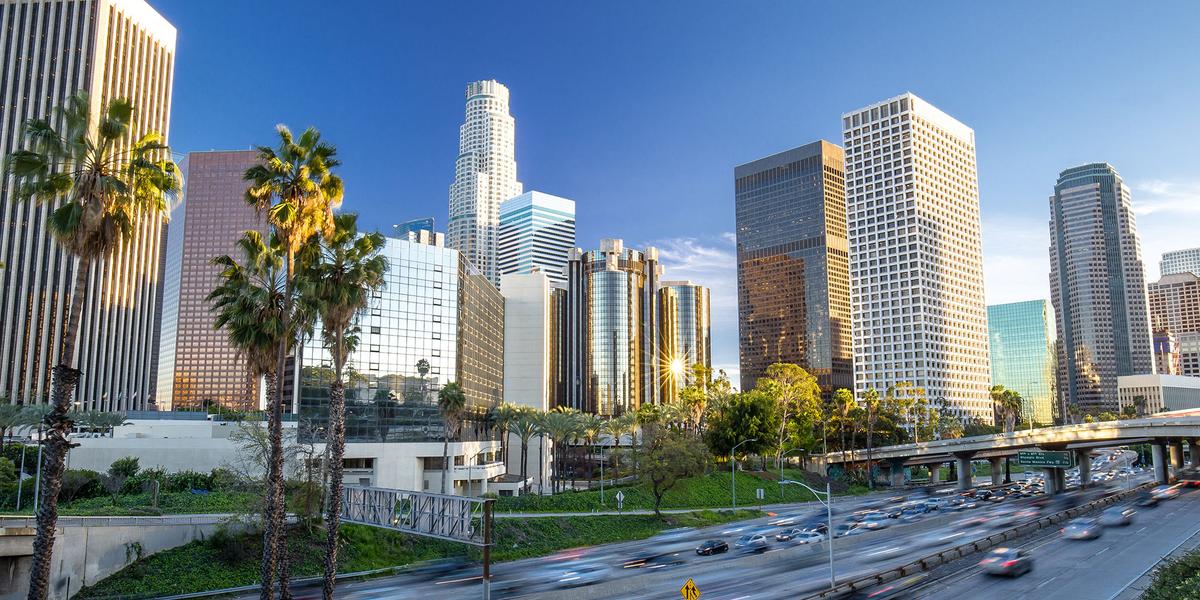
The Allure of Los Angeles Weather: A Year-Round Paradise
The reputation of Los Angeles as a sunny haven is well-earned. The city benefits from a glorious Mediterranean climate, characterized by warm, dry summers and mild, wet winters. This consistent, pleasant weather is a cornerstone of the Southern California lifestyle and a major draw for tourism worldwide. It allows for an abundance of outdoor activities, making it an ideal destination for those seeking everything from relaxing beach days to adventurous hikes in the hills.
A Mediterranean Climate Dream
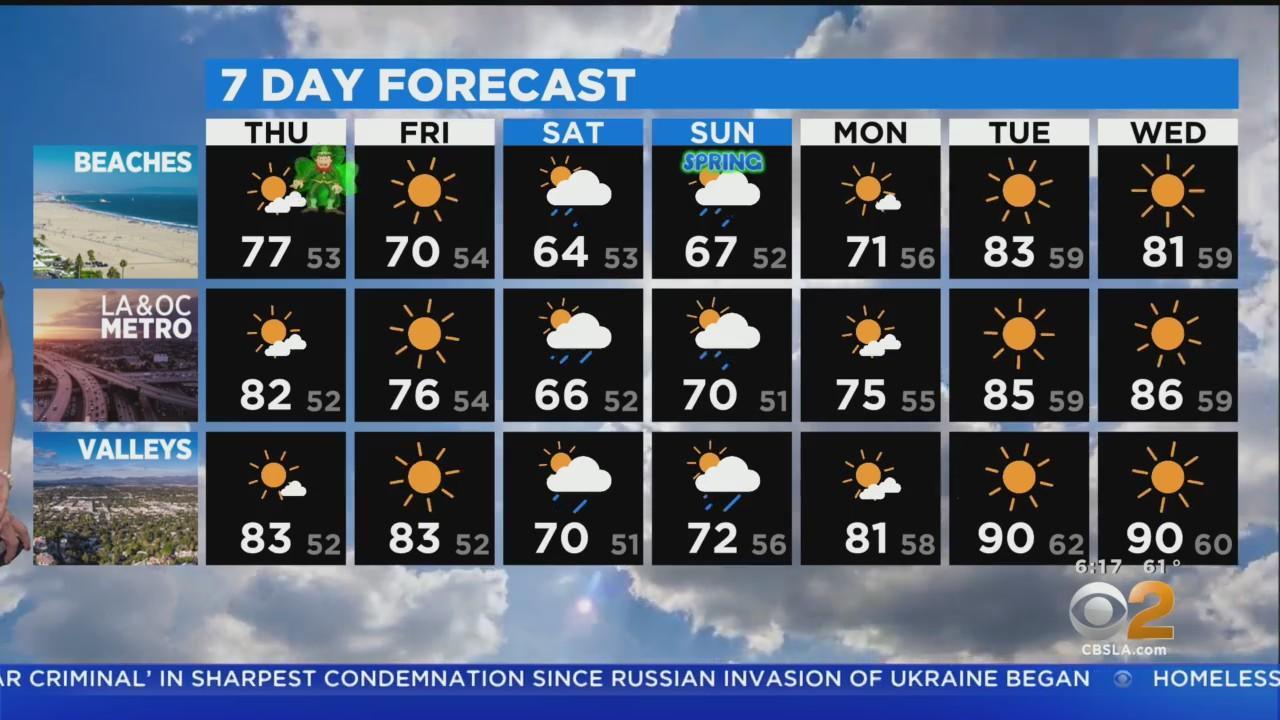
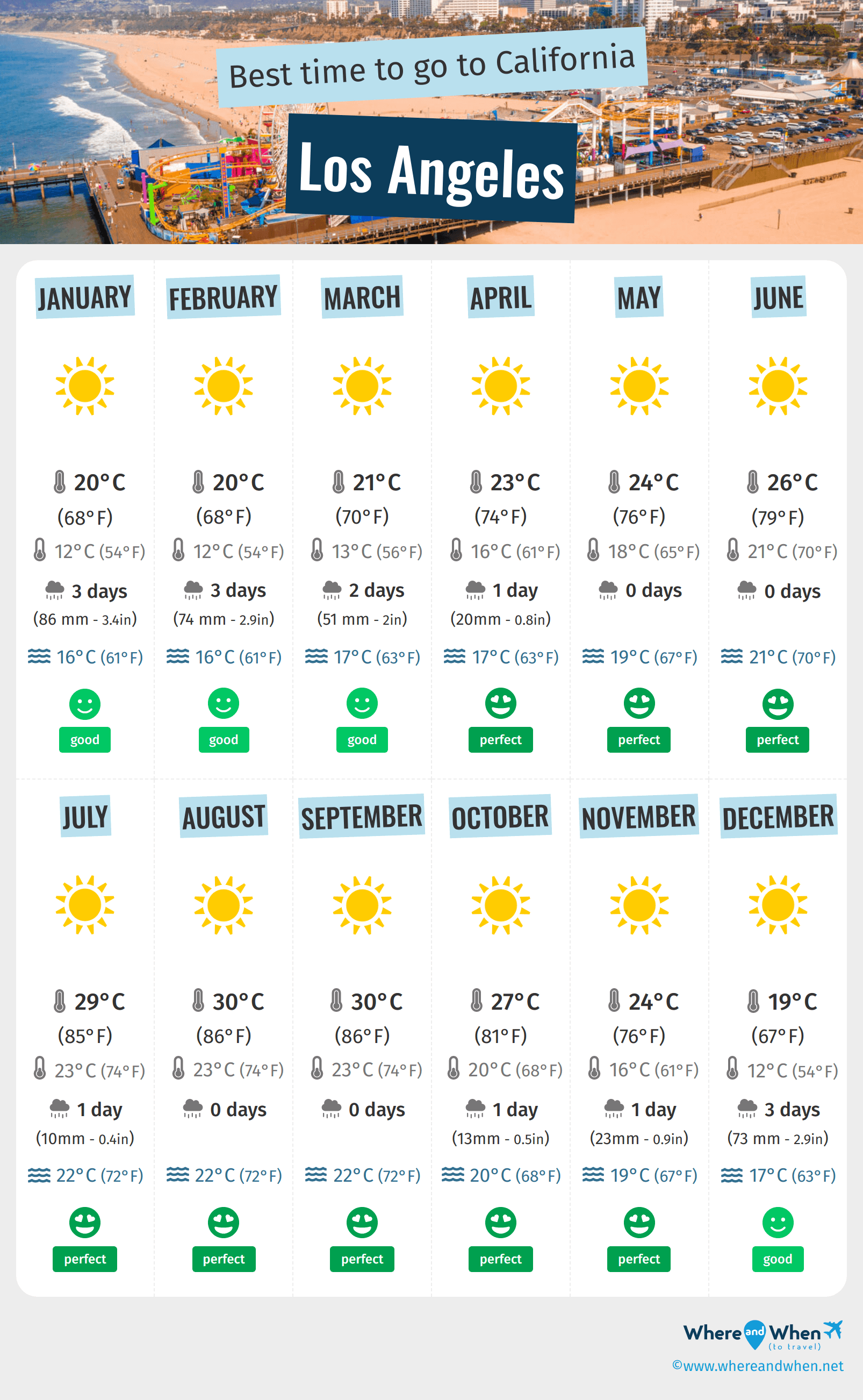
The defining feature of Los Angeles weather is its distinct lack of humidity, even during the warmest months. Summers, typically from June to September, are characterized by abundant sunshine and average temperatures ranging from the mid-70s to low-80s Fahrenheit (24-28°C) along the coast. Inland areas, however, can experience significantly higher temperatures, often climbing into the 90s (32°C) or even triple digits, especially in the San Fernando Valley. The cooling influence of the Pacific Ocean is a major factor, creating a noticeable temperature gradient between coastal cities like Santa Monica and inland hubs like Pasadena.
Winters, from December to February, are generally mild, with daytime temperatures averaging in the high 60s Fahrenheit (18-20°C). While “wet” is a relative term for California, most of the annual rainfall occurs during these months, usually in the form of brief, refreshing showers rather than prolonged downpours. Snow is an exceptionally rare sight in the city itself, though the nearby San Gabriel Mountains often receive a dusting, providing a stunning backdrop to the urban landscape. Spring and autumn are transitional seasons, offering some of the most pleasant conditions with comfortable temperatures and minimal rainfall, making them particularly attractive for travel.
Seasonal Variations and Unique Phenomena
While generally predictable, Los Angeles experiences a few unique weather phenomena worth noting for travelers. The “June Gloom” or “May Gray” is a common occurrence in late spring and early summer, where a thick marine layer blankets coastal areas in the mornings, often burning off by midday to reveal clear skies. This natural air conditioning keeps coastal temperatures pleasant even as inland areas begin to heat up. It’s an important consideration if your primary goal is sunbathing on Venice Beach or Malibu early in the morning.
Another notable event is the Santa Ana winds, typically occurring in the fall and winter. These strong, dry, hot winds blow from inland deserts toward the coast, raising temperatures significantly and dramatically increasing fire danger. While not an everyday occurrence, they can briefly alter the usual temperate climate, creating unexpectedly warm days during cooler months. Understanding these nuances helps travelers pack appropriately and plan activities to make the most of their visit.
Planning Your Los Angeles Visit: Weather-Wise Tips
Effective planning is key to any successful trip, and factoring in Los Angeles’s distinct weather patterns can significantly enhance your experience. From packing the right wardrobe to choosing the optimal time to visit iconic landmarks and attractions, a little foresight goes a long way.
Packing Essentials for Every Season
Given the varied microclimates across Los Angeles and its surrounding areas, versatile packing is crucial. Layers are your best friend, regardless of the season. Even on the hottest summer days, coastal evenings can be cool, and air-conditioned hotels and restaurants might feel chilly.
- Summer (June-September): Lightweight clothing, shorts, t-shirts, swimwear, sunglasses, and sun hats are essential. Crucially, pack a light jacket or cardigan for evenings, especially if you plan to dine al fresco near the Pacific Ocean. Sunscreen is a non-negotiable item.
- Fall (October-November): This is often considered one of the best times to visit. Daytime temperatures are pleasant, calling for light layers, long-sleeved shirts, and comfortable pants. A medium-weight jacket will be sufficient for evenings.
- Winter (December-February): While mild, winter calls for warmer layers. Sweaters, long-sleeved tops, jeans, and a good quality jacket or coat are advisable. An umbrella might be handy for occasional rainy days, but it’s rarely a prolonged necessity.
- Spring (March-May): Similar to fall, spring is excellent for light layers. Bring a mix of short and long sleeves, a comfortable jacket, and perhaps a scarf for cooler mornings or evenings.
Comfortable walking shoes are a must year-round, as you’ll likely be exploring various neighborhoods, from the bustling streets of Downtown Los Angeles to the scenic trails of Runyon Canyon Park.
Best Time to Visit Los Angeles
While Los Angeles is a fantastic destination any time of year, certain periods offer optimal weather conditions for specific activities or a more comfortable overall experience.
- Spring (March-May) and Fall (October-November): These shoulder seasons are widely considered the best times to visit. The weather is typically ideal – warm days, cool evenings, minimal humidity, and fewer crowds than summer. It’s perfect for sightseeing at The Getty Center, exploring Hollywood, or enjoying outdoor dining in Beverly Hills.
- Summer (June-September): While popular for beach vacations and enjoying the vibrant outdoor scene, be prepared for potentially high temperatures, especially inland. The “June Gloom” can be a factor for coastal activities early in the season. Book popular attractions like Universal Studios Hollywood or Disneyland Park well in advance, and expect larger crowds.
- Winter (December-February): This is the low season for tourism, offering fewer crowds and often lower accommodation prices. The weather is still pleasant for exploring, especially if you prefer cooler temperatures. It’s a great time for cultural visits, museum hopping, and enjoying the city’s diverse culinary scene without the summer heat.
Experiencing Los Angeles: Activities Tailored to the Climate
The exceptional weather in Los Angeles facilitates an incredible array of activities, from sun-drenched beach days to exhilarating hikes and sophisticated urban explorations. Your choice of activities can be perfectly aligned with the day’s weather, ensuring maximum enjoyment.
Coastal Adventures and Beach Days
With miles of stunning coastline, Los Angeles is synonymous with beach lifestyle. The consistent sunshine makes it easy to spend days at iconic locations like Santa Monica Beach, where you can cycle along the path, visit the Santa Monica Pier, or simply relax on the sand. Venice Beach offers a more bohemian vibe, perfect for people-watching and enjoying street performers. For a more upscale coastal experience, head to Malibu, known for its celebrity homes and picturesque coves. Even during cooler months, a walk along the beach is invigorating, and the marine air is always refreshing. Water sports enthusiasts will find opportunities for surfing, paddleboarding, and kayaking almost year-round, thanks to relatively mild water temperatures.
Urban Exploration and Desert Escapes
When the sun is shining, exploring the diverse neighborhoods of Los Angeles becomes an adventure in itself. Stroll along the Hollywood Walk of Fame, discover designer boutiques on Rodeo Drive in Beverly Hills, or immerse yourself in art and culture at The Getty Center, which boasts breathtaking views of the city and the Pacific Ocean. The mild weather also makes hiking in areas like Griffith Park, home to the famous Griffith Observatory, a popular pastime.
For those looking to experience a different side of California’s climate, day trips or weekend getaways to nearby desert areas are easily achievable. Places like Palm Springs offer a stark contrast with their hot, dry climate, even when Los Angeles is cooler. This duality allows travelers to enjoy two distinct climates within a short driving distance, catering to varied lifestyle preferences and making for exciting multi-destination travel itineraries.
Evening Delights and Stargazing
As the sun sets over Los Angeles, the pleasant evening temperatures invite a wealth of activities. Outdoor dining becomes a magical experience, whether it’s a casual meal on a bustling street or a fine dining experience with city views. Rooftop bars and lounges thrive in the mild climate, offering spectacular vistas of the city lights against the twilight sky.
On clear nights, which are abundant, especially during the drier seasons, stargazing opportunities abound. A visit to the Griffith Observatory offers not just incredible city views but also public telescopes to explore the cosmos. Even from a quiet spot on a beach or a hill overlooking the city, the cool, crisp air of a Los Angeles evening creates a perfect setting for reflection and enjoyment.
Los Angeles Weather and Accommodation Choices
The city’s favorable climate significantly influences the types of accommodation available and the amenities that are highly valued by visitors. Whether you’re seeking luxury travel or a cozy boutique stay, understanding how weather impacts your choice of hotels is crucial.
Resorts with Sunny Amenities
Given the prevalence of sunshine, many Los Angeles hotels and resorts are designed to maximize outdoor enjoyment. Properties like the Four Seasons Hotel Los Angeles at Beverly Hills or the Waldorf Astoria Beverly Hills often feature expansive outdoor pools, sun decks, and al fresco dining options that can be enjoyed almost year-round. Resorts situated closer to the coast, such as those in Santa Monica or even further south in Laguna Beach, often boast beachfront access or stunning ocean views, making them ideal for summer getaways or anyone seeking a coastal lifestyle.
When booking, consider amenities like air conditioning, which is essential for comfort during hotter summer days, especially if you’re staying inland. For those seeking luxury travel, private balconies or patios are highly desirable, offering a personal outdoor space to soak in the California sun. Many hotels also offer heated pools, extending their usability into the cooler months.
Boutique Stays for Cooler Evenings and Cozy Retreats
Even with its generally warm climate, Los Angeles can experience cooler evenings, particularly during the fall and winter, or if you’re staying in areas closer to the mountains. Boutique hotels and charming apartments often offer a cozier ambiance, with amenities like fireplaces in common areas or even in individual suites, perfect for those rare chilly nights. These types of accommodation cater to a different kind of traveler, perhaps one more interested in cultural immersion and local experiences rather than poolside lounging.
For business stays or those on a budget travel plan, properties in Downtown Los Angeles might offer more utilitarian amenities but still ensure comfortable indoor temperatures regardless of the weather outside. Regardless of your preference, from the opulent Grand Hyatt Hotel to charming villas in residential neighborhoods, Los Angeles offers a diverse range of choices to ensure your stay is as comfortable and enjoyable as the climate itself.
In conclusion, the weather in Los Angeles, California, is undeniably one of its greatest assets, shaping everything from its vibrant lifestyle to its appeal as a global travel destination. By understanding its seasonal nuances and leveraging its consistent sunshine, you can plan a truly personalized and memorable journey, whether you’re seeking an adventurous escape, a relaxing retreat, or a deep dive into the city’s rich culture and landmarks.
LifeOutOfTheBox is a participant in the Amazon Services LLC Associates Program, an affiliate advertising program designed to provide a means for sites to earn advertising fees by advertising and linking to Amazon.com. Amazon, the Amazon logo, AmazonSupply, and the AmazonSupply logo are trademarks of Amazon.com, Inc. or its affiliates. As an Amazon Associate we earn affiliate commissions from qualifying purchases.