
The call of the wild echoes across the vast, untamed wilderness of Alaska, a land where glaciers meet rainforests and towering mountains kiss the sky. For many, the ultimate Alaskan adventure revolves around one magnificent natural spectacle: the annual salmon run. This incredible migration draws anglers, wildlife enthusiasts, and curious travelers from around the globe, eager to witness millions of salmon battling upstream to spawn. Understanding “when do salmon run in Alaska?” is the first crucial step in planning an unforgettable journey to this breathtaking state, combining thrilling outdoor activities with unparalleled natural beauty and diverse accommodation options.
The salmon run is not just a biological event; it’s a cornerstone of Alaskan culture, economy, and ecosystem. It dictates the rhythm of life for countless species, from brown bears fattening up for winter to eagles soaring overhead, and provides a seasonal bounty for communities along the coast and inland rivers. For visitors, it’s an opportunity to immerse themselves in a primal force of nature, whether through the exhilarating sport of fishing, the serene art of wildlife photography, or simply observing the sheer power of the migrating fish.
This guide will navigate the intricate timings of the various salmon species, offering insights into the best months to visit, prime locations, and how to craft a holistic travel experience that extends beyond the fishing rod. From luxury lodges offering bespoke adventures to cozy budget-friendly stays, and from iconic natural landmarks to vibrant local cultures, your Alaskan salmon run trip promises to be an epic journey.
The Seasonal Symphony: Understanding Alaska’s Salmon Species and Their Runs
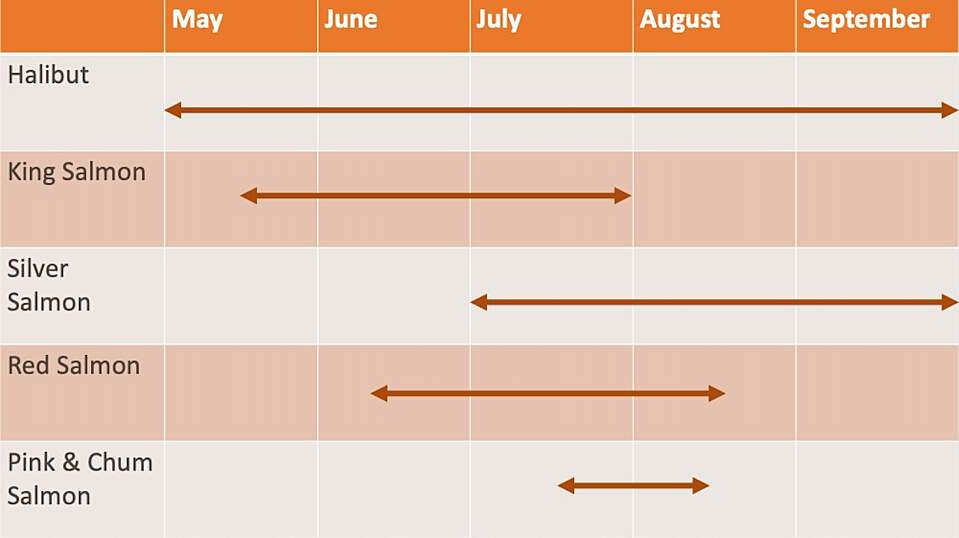
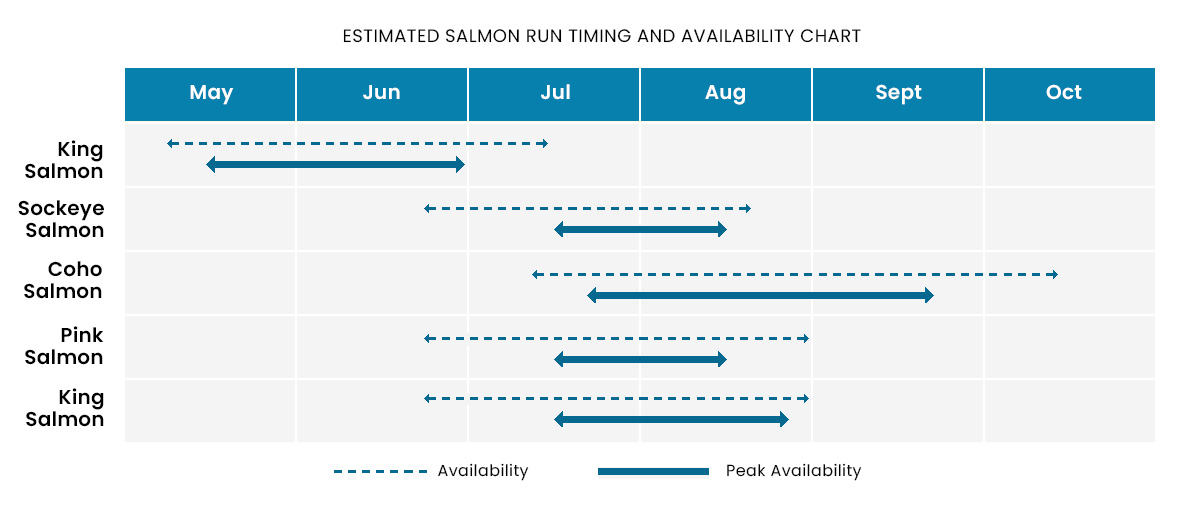
Alaska is home to five species of Pacific salmon, each with its own distinct characteristics, preferred habitats, and, critically for travelers, a unique timing for its annual migration from the Pacific Ocean into the freshwater rivers and streams. Knowing these timings is key to targeting your desired species and planning your visit accordingly. The salmon run season generally spans from late spring through early autumn, offering a wide window for adventure.
King Salmon (Chinook): The Early Giants of Summer
Run Season: Late May to mid-July, peaking in June.
The King Salmon, also known as Chinook, is the largest and most prized of the Pacific salmon species, often weighing over 30 pounds and renowned for its powerful fight. Their run kicks off the salmon season, beginning in late May and typically peaking in June, though they can be found into mid-July. Targeting Kings requires heavy tackle and patience, but the reward of landing one of these magnificent fish is unparalleled. Popular destinations for King Salmon include the Kenai River and its tributaries, as well as the Copper River system, both famous for their robust runs. Anglers often stay in dedicated fishing lodges like The Grand Alaskan Lodge or charter private boats, ensuring an optimized experience for these elusive giants.
Sockeye Salmon (Red): The Vibrant Mid-Summer Surge
Run Season: Mid-June to late July, peaking in July.
Sockeye Salmon, or Reds, are instantly recognizable by their striking crimson bodies and olive-green heads during their spawn. While smaller than Kings, they are highly sought after for their rich, firm, and flavorful meat, and offer an incredibly active fishing experience. Their runs are often the largest in terms of sheer numbers, creating a spectacle of bright red fish teeming in rivers. The Sockeye season begins in mid-June and usually peaks throughout July, providing an intense, fast-paced fishing opportunity. Bristol Bay is world-renowned for its colossal Sockeye runs, while other productive systems include the Kenai River and rivers throughout the Alaskan Peninsula. Visiting during this period offers not just incredible fishing but also fantastic opportunities for wildlife viewing, as bears and eagles gather to feast. Many travelers opt for remote cabins or resorts in these areas, like Riverbend Retreat Resort, which often offer all-inclusive packages.
Pink Salmon (Humpy): The Abundant Late-Summer Wave
Run Season: Late July to late August, peaking in August (every odd year in many areas).
Pink Salmon, affectionately called “Humpies” due to the pronounced hump that males develop during spawning, are the most numerous species. While smaller in size, they offer a continuous action for anglers, making them an excellent choice for families and novice fishermen. Their runs typically start in late July and continue through August, often peaking in August. Many areas experience significantly larger runs on odd-numbered years (e.g., 2023, 2025), a phenomenon that adds another layer to planning. These fish can be found in virtually all coastal rivers and streams, making them accessible from many major hubs like Ketchikan, Seward, and Homer. Their sheer abundance makes them a vital food source for wildlife and a fun target for recreational fishing.
Chum Salmon (Dog Salmon): The Powerful Mid-Summer Fighters
Run Season: Mid-June to mid-August.
Chum Salmon, also known as Dog Salmon, are strong fighters and can grow to a respectable size, offering a challenging catch for anglers. While not as famed for their table fare as Sockeye or King, their resilience and aggressive strikes make them a thrill to catch. Their run generally overlaps with Sockeye and Pink salmon, running from mid-June through mid-August. Chum salmon are widespread, found in many of Alaska’s rivers, particularly those flowing into the Bering Sea and the Arctic Ocean, but also in systems accessible from the road system, making them a versatile target. They are often targeted during multi-species trips, adding variety to the catch.
Coho Salmon (Silver): The Energetic Finish to the Season
Run Season: Late July to early October, peaking in August and September.
Coho Salmon, or Silvers, are known for their acrobatic jumps and spirited fights, making them a favorite among many anglers. They are an excellent sport fish and also highly regarded for their rich, orange-red meat. The Coho season brings a vibrant close to the salmon run calendar, beginning in late July and extending well into October, with peak activity typically in August and September. This later run offers a fantastic opportunity to combine fishing with cooler weather, changing autumn foliage, and often fewer crowds. Prime locations include the Kenai Peninsula rivers, rivers draining into Prince William Sound, and streams throughout Southeast Alaska near cities like Juneau and Sitka. Staying at charming bed-and-breakfasts or smaller hotels like the Northern Lights Inn in these communities allows for easy access to fishing charters and local attractions.
Planning Your Alaskan Salmon Adventure: Beyond the Catch
While catching salmon is a primary draw, an Alaskan salmon run trip offers a wealth of experiences that cater to diverse interests. Integrating these elements into your itinerary will ensure a well-rounded and unforgettable adventure.
Choosing Your Destination: Hotspots and Hidden Gems
The vastness of Alaska means choosing the right location is paramount. For easy access and a variety of fishing opportunities, the Kenai Peninsula is highly recommended. Towns like Seward and Homer offer both freshwater river fishing and saltwater charters in Cook Inlet and the Gulf of Alaska. Anchorage, while a major city, is a convenient base, with excellent flight connections and numerous fishing day trips within a few hours’ drive. Its modern amenities, including hotels like the Hotel Captain Cook and venues such as the Egan Convention Center, provide a comfortable start or end to your wilderness adventure.
For those seeking truly remote and world-class fishing, fly-in lodges in regions like Bristol Bay or the Alaskan Peninsula offer unparalleled experiences, especially for Sockeye and large trout that feed on salmon eggs. Southeast Alaska, accessible primarily by ferry or plane, provides a unique blend of coastal rainforest scenery, charming towns, and abundant Coho and Pink salmon runs. Consider Ketchikan, known as the “Salmon Capital of the World,” or Juneau, the state capital, for excellent fishing combined with cultural exploration.
Wildlife Viewing and Photography: A Natural Spectacle
The salmon run is a feast for more than just fish. It’s a crucial event in the food chain, attracting an incredible array of wildlife. Brown bears, black bears, bald eagles, and even wolves congregate along salmon-rich rivers, offering phenomenal wildlife viewing and photography opportunities. Katmai National Park and Preserve and Lake Clark National Park and Preserve are famous for their bear viewing platforms where you can safely observe bears fishing. Even if fishing isn’t your primary goal, witnessing this natural drama unfold is an experience in itself, often best enjoyed with guided tours or wildlife photography workshops. Many local operators, like Alaska Wildland Adventures, specialize in combining fishing with wildlife excursions.
Beyond Fishing: Exploring Alaska’s Diverse Attractions
Don’t let the salmon run overshadow Alaska’s other incredible attractions. Depending on your chosen time and location, you can seamlessly integrate other activities:
- Glacier Tours: Cruise through Prince William Sound or Glacier Bay National Park to witness tidewater glaciers calving into the sea.
- National Parks: Visit Denali National Park to see North America’s tallest peak and its diverse wildlife. While salmon are not a primary focus here, the park offers unparalleled wilderness experiences.
- Cultural Experiences: Explore the rich indigenous cultures in towns like Sitka or Ketchikan, visiting totem poles and cultural centers.
- Scenic Drives: Drive the Seward Highway from Anchorage to Seward, consistently ranked as one of the most scenic roads in the U.S.
- Cruising the Inside Passage: For a more leisurely approach, a cruise along the Inside Passage provides stunning views and stops in charming port towns with access to fishing charters.
Accommodation and Lifestyle: Tailoring Your Alaskan Stay
Alaska offers a spectrum of accommodation options, from rustic cabins to luxurious wilderness lodges, catering to every budget and travel style. Your choice of lodging can significantly enhance your salmon run experience.
Luxury Lodges and Resorts: The All-Inclusive Dream
For those seeking an indulgent escape, Alaska’s luxury fishing lodges provide an all-inclusive experience. These high-end resorts, often accessible by floatplane, typically include gourmet meals, expert guides, top-of-the-line gear, and comfortable accommodations, sometimes even featuring private chefs or spa services. Imagine returning from a successful day of fishing to a crackling fire, a delicious meal, and unparalleled views. The Grand Alaskan Lodge or Riverbend Retreat Resort exemplify such experiences, focusing on seamless service and unforgettable moments. This “lifestyle” option is perfect for those who want a worry-free, pampered adventure, often ideal for business trips or special celebrations.
Mid-Range Hotels and Vacation Rentals: Comfort and Flexibility
Cities like Anchorage, Fairbanks, Juneau, Seward, and Homer offer a wide array of mid-range hotels, suites, and vacation rentals. These options provide a comfortable base, often with amenities like kitchenettes, making them suitable for families or longer stays. They offer more flexibility for dining and activities, allowing travelers to explore local restaurants and book independent charters. Websites for booking accommodation can help compare prices and amenities, ensuring you find the perfect fit for your needs. Consider booking in advance, especially during peak salmon run months, as popular options fill up quickly.
Budget-Friendly Stays and Camping: The Adventurous Spirit
Travelers on a budget can still enjoy an incredible Alaskan salmon run. Campgrounds are plentiful, especially in state parks and national forests, offering an immersive way to experience the wilderness. Many towns also have hostels, motels, or budget hotels like the Northern Lights Inn, providing essential comforts without breaking the bank. This “budget travel” approach allows for more funds to be allocated towards guided fishing trips or other specialized activities. It’s a fantastic option for solo travelers, backpackers, or those who prefer a more rugged, self-sufficient adventure, embodying a different facet of the Alaskan lifestyle.
Essential Tips for a Memorable Alaska Salmon Trip
To maximize your experience, keep these practical tips in mind:
- Book Early: Especially for peak season (June-August), accommodations, fishing charters, and popular tours fill up months in advance.
- Dress in Layers: Alaskan weather can change rapidly. Waterproof and windproof outer layers are essential, along with warm underlayers.
- Prepare for Bugs: Mosquitoes and other biting insects can be prevalent, especially near water. Pack insect repellent.
- Fishing Licenses: A valid Alaska fishing license and any necessary stamps (e.g., King Salmon stamp) are required. These can be purchased online or at local vendors.
- Respect Wildlife: Maintain a safe distance from all wildlife. Never feed animals.
- Consider a Guide: For first-timers or those seeking specific species, a local guide or charter significantly increases your chances of success and safety.
- Shipping Fish: If you plan to keep your catch, research fish processing and shipping options in advance. Many lodges and charter operators offer these services.
- Flexibility: While planning is crucial, Alaska often throws surprises. Be flexible with your itinerary and ready to embrace unexpected adventures.

Conclusion
The question “When do salmon run in Alaska?” unlocks a world of unparalleled adventure, a journey into the heart of one of the planet’s last true wildernesses. From the mighty King Salmon of early summer to the acrobatic Silvers of autumn, each species offers a unique window into Alaska’s vibrant ecosystem. Whether you’re a seasoned angler chasing a trophy catch, a wildlife photographer hoping to capture bears in their natural habitat, or a family seeking an unforgettable nature experience, timing your visit with the salmon runs is paramount.
By carefully considering the different species’ run times, choosing the right destination, and selecting accommodation that suits your lifestyle, you can craft a travel experience that transcends mere tourism. It’s an opportunity to connect with nature’s raw power, immerse yourself in local culture, and create memories that will last a lifetime. So pack your bags, prepare for wonder, and get ready to witness the incredible spectacle of Alaska’s salmon run. Your adventure awaits!
LifeOutOfTheBox is a participant in the Amazon Services LLC Associates Program, an affiliate advertising program designed to provide a means for sites to earn advertising fees by advertising and linking to Amazon.com. Amazon, the Amazon logo, AmazonSupply, and the AmazonSupply logo are trademarks of Amazon.com, Inc. or its affiliates. As an Amazon Associate we earn affiliate commissions from qualifying purchases.