
California, often celebrated for its endless sunshine and picturesque beaches, might not be the first place that comes to mind when you think of “cold weather.” However, to truly understand when the chill sets in across the Golden State is to appreciate its remarkable geographical and climatic diversity. From the rugged peaks of the Sierra Nevada mountains to the serene desert landscapes and the expansive coastline, California experiences a spectrum of temperatures that can surprise even seasoned travelers. For those planning a trip, understanding these seasonal shifts is crucial for packing appropriately, choosing the right activities, and finding the perfect accommodation to complement your travel style, whether it’s a luxurious escape or a budget-friendly adventure. This guide delves into California’s distinct climates, offering insights into when to expect cooler temperatures and how to make the most of your visit, no matter the season.
Understanding California’s Diverse Climates
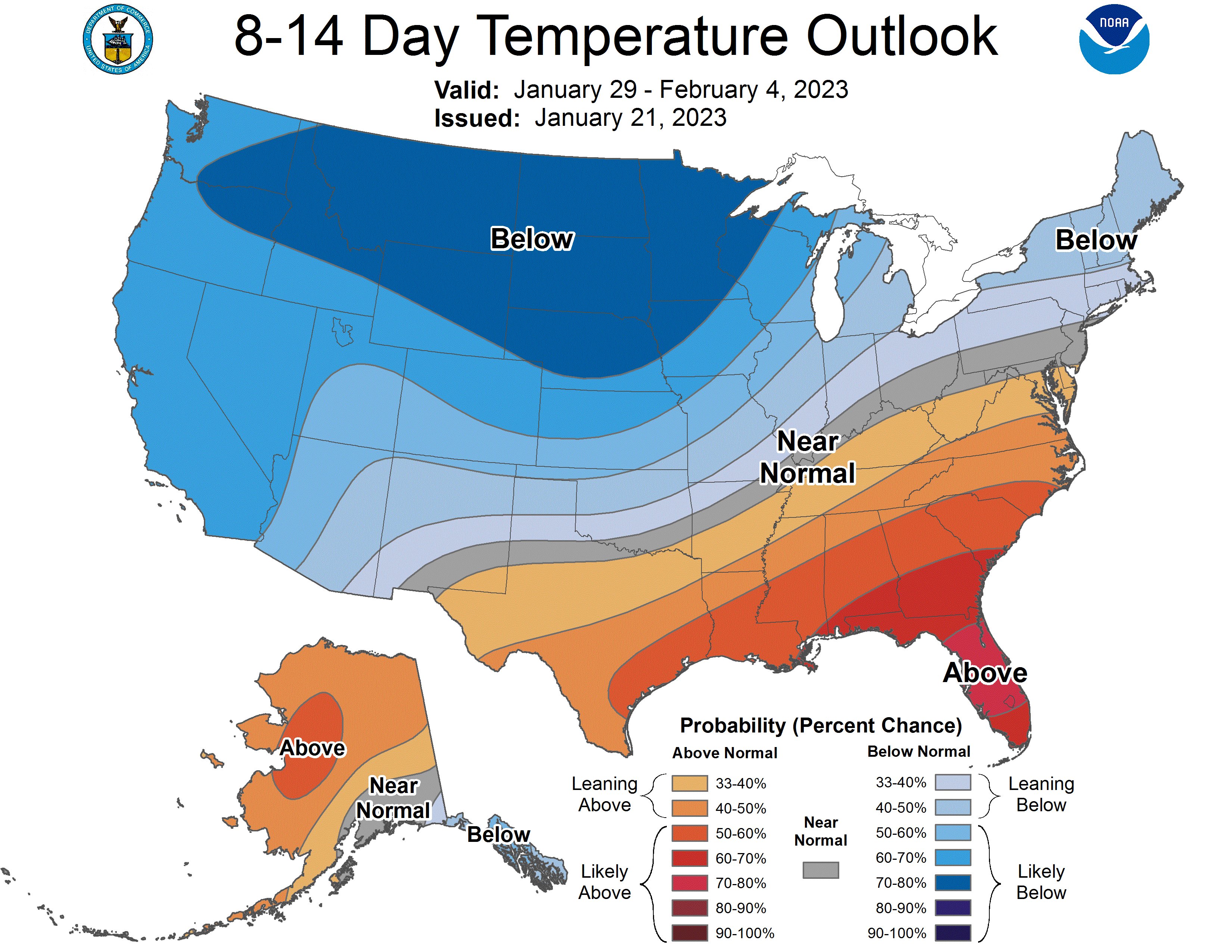
California’s vastness means that “cold” is a relative term, varying dramatically from one region to another. What might be a brisk autumn day in San Francisco could be a pleasant, mild afternoon in Palm Springs or a full-blown winter wonderland in Lake Tahoe. This climatic mosaic is a significant factor for travelers considering their ideal time to visit and the kind of experiences they seek.
Coastal Regions: Mild Yet Distinct Winters
Along California’s extensive coastline, including major cities like San Francisco, Los Angeles, and San Diego, temperatures remain relatively mild throughout the year. The Pacific Ocean acts as a natural climate regulator, preventing extreme heat and cold. However, the period from late autumn through winter (roughly November to March) brings a noticeable drop in temperatures. Daytime highs typically range from the low 50s to mid-60s Fahrenheit (10-18°C), while evenings can dip into the 40s (4-9°C). Rain is more frequent during these months, particularly in the northern and central coastal areas. While rarely “freezing,” this season calls for layers, warm jackets, and perhaps an umbrella, transforming beach towns into cozy havens perfect for stormy beach walks or exploring local attractions without the summer crowds.
Inland Valleys: Pronounced Seasonal Shifts
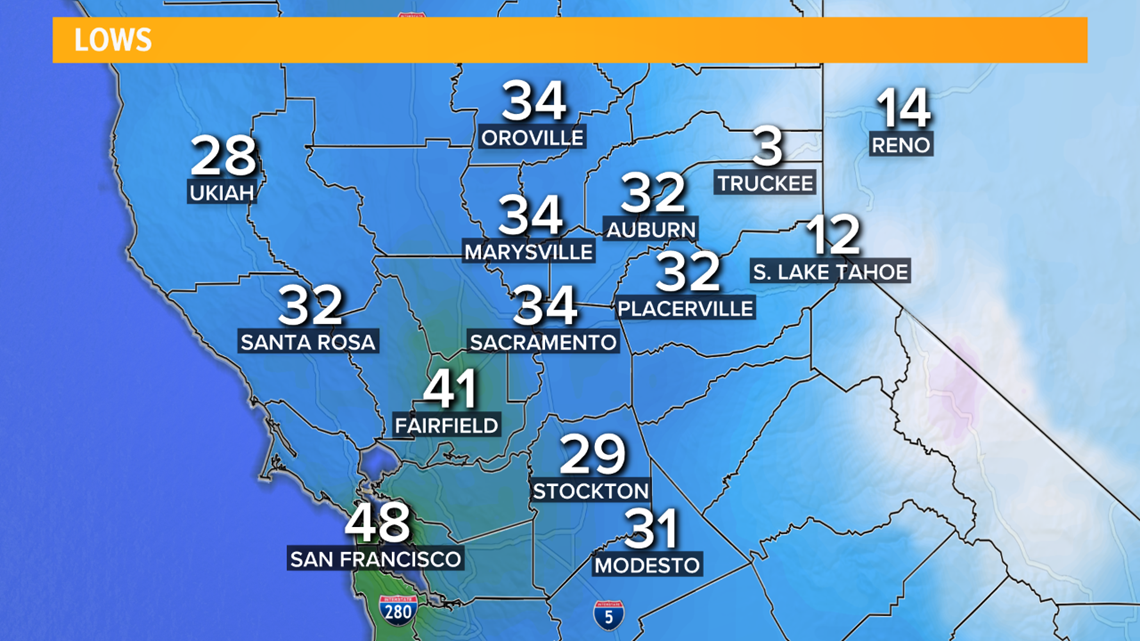
Moving inland to areas like the Central Valley, which includes cities such as Sacramento, the climate becomes more continental, characterized by hotter summers and colder winters. Here, the “cold” season is much more pronounced than on the coast. From late November through February, daytime temperatures often hover in the 40s and 50s Fahrenheit (4-15°C), with nighttime lows frequently falling into the 30s (0-4°C) or even below freezing. The Central Valley is also known for its dense Tule fog during winter mornings, which can significantly reduce visibility and impact travel plans. While not typically a snowy region, the cold, crisp air and occasional frost create a distinct winter atmosphere, inviting visitors to explore charming small towns and enjoy local culinary tourism.
Mountain Regions: True Winter Wonderlands
For those seeking genuine cold and snow, California’s mountain ranges, primarily the Sierra Nevada, are where winter truly makes its presence felt. Elevations above 5,000 feet (1,500 meters) begin to see significant cold and snowfall as early as October or November, with full winter conditions prevailing from December through April. Destinations like Lake Tahoe, Yosemite National Park, and Mammoth Lakes transform into stunning snow-covered landmarks, offering world-class skiing, snowboarding, and other winter sports. Temperatures here are consistently below freezing, often dropping to single digits Fahrenheit (-15°C or colder) at night, and daytime highs rarely climb above the 30s (0-4°C). Travelers to these regions must be prepared for heavy snow, icy roads, and require appropriate winter gear, including tire chains for vehicles.
Desert Regions: Cool and Pleasant Winters
Paradoxically, some of California’s hottest summer locations become delightful winter escapes. The desert regions, encompassing areas like Palm Springs, [Joshua Tree National Park](https://lifeoutofthebox.com/joshua-tree-national park), and Death Valley, experience their “cold” season from November to March. However, “cold” here translates to wonderfully mild and pleasant conditions compared to their scorching summers. Daytime temperatures typically range from the 60s to 70s Fahrenheit (15-25°C), making it ideal for hiking, golfing, and outdoor exploration. Nights, however, can get surprisingly chilly, often dipping into the 30s and 40s (0-9°C), especially in higher desert elevations. This makes the California deserts a popular winter destination for those looking to escape colder climates while still enjoying crisp, clear air.
Seasonal Breakdown: When the Chill Sets In
Pinpointing the exact moment California starts getting cold requires understanding the nuances of each season’s transition across its varied geography. Rather than a single “cold season,” California experiences a gradual shift that begins in the fall and intensifies into winter.
Fall (September – November): The Gentle Cooling
For most of California, the first hints of cooler weather arrive in September and October. In coastal areas, this period is often referred to as “Indian Summer,” characterized by warm, sunny days and cool, crisp evenings. The notorious San Francisco fog, which can linger through summer, often recedes, offering some of the clearest days of the year before the true cold sets in. Inland valleys see a more noticeable drop in temperature, with morning and evening chills becoming common, though daytime highs remain pleasant. The mountains, however, begin their transformation much earlier. By late September, higher elevations in the Sierra Nevada might experience their first dustings of snow, and by November, significant snowfall can occur, signaling the imminent opening of ski resorts. Fall is a prime time for travel across California, offering comfortable temperatures for sightseeing, wine tasting in Napa Valley or Sonoma Valley, and enjoying vibrant autumn foliage in select areas.
Winter (December – February): Peak Cold and Winter Wonders
December through February marks California’s coldest period. This is when coastal regions experience their chilliest, rainiest weather, and inland valleys contend with frost and fog. In the mountains, winter is in full swing, with consistent snowfall creating ideal conditions for winter sports. Lake Tahoe becomes a bustling hub for skiers and snowboarders, while Yosemite National Park transforms into a serene, snow-dusted wonderland. Even the deserts, while mild during the day, experience surprisingly cold nights. This period is perfect for those who embrace the cold, offering unique opportunities for winter tourism that contrast sharply with California’s sunny image. Accommodation in mountain resorts tends to be at its peak price during this time, while coastal and desert areas might offer more competitive rates outside of holiday periods.
Spring (March – May): Gradual Warming and Lingering Chill
As March arrives, California slowly begins its transition out of winter. However, “cold” can still linger, especially in the early spring months. Mountain regions continue to experience winter conditions, with ski seasons often extending into April or even May, thanks to deep snowpacks. Coastal and inland areas see a gradual warming, with increasing sunshine and diminishing rainfall. Mornings and evenings can still be quite cool, particularly in March and early April, requiring layers. By May, most of the state enjoys comfortable, mild temperatures, though the ocean breezes keep coastal areas feeling fresh. Spring is characterized by melting snow in the mountains, leading to spectacular waterfalls in Yosemite and blooming wildflowers in the deserts and rolling hills. It’s a fantastic time for outdoor activities before the summer heat arrives.
Embracing California’s Winter Wonders: Travel & Activities
While the idea of “cold” might deter some, California’s cooler months unlock a different kind of beauty and a unique array of experiences that cater to every lifestyle. Far from shutting down, many regions thrive during this period, offering everything from snowy adventures to mild desert escapes and cozy urban explorations.
Skiing and Snowboarding in the Sierra Nevada
For avid winter sports enthusiasts, California’s Sierra Nevada is a premier destination. Resorts around Lake Tahoe, such as Palisades Tahoe and Heavenly Mountain Resort, offer expansive terrain, stunning views, and vibrant apres-ski scenes. Further south, Mammoth Mountain boasts one of the longest ski seasons in North America. These resorts are equipped with state-of-the-art facilities, ranging from luxury suites and villas to family-friendly apartments, ensuring a comfortable stay after a day on the slopes. Beyond skiing, visitors can enjoy snowshoeing, cross-country skiing, tubing, and ice skating, making the mountains a true winter wonderland for all ages.
Cozy Coastal Escapes
Even when the coast is chilly, it offers a distinct charm. Towns like Carmel-by-the-Sea and Monterey invite visitors to stroll along uncrowded beaches, explore quaint boutiques, and dine by a crackling fireplace. Winter is also prime season for whale watching tours along the central coast, as gray whales migrate south. Many hotels and boutique inns offer special off-season rates, providing a more intimate and serene experience. The rugged beauty of the Big Sur coastline, often shrouded in dramatic fog, takes on an even more mystical quality during the colder months, perfect for scenic drives and photography.
Desert Retreats for Mild Winters
Escaping the cold doesn’t always mean flying south; for many, it means heading to California’s deserts. Palm Springs transforms into a vibrant hub for those seeking warmth, with daytime temperatures that allow for golf, tennis, and poolside relaxation. The city is famous for its mid-century modern architecture, luxurious resorts, and rejuvenating spas. Joshua Tree National Park offers ideal hiking conditions, with cooler temperatures making its unique landscapes more accessible for exploration. Winter in the desert is a fantastic option for a mild, active escape.
Urban Explorations and Culinary Delights
California’s major cities, San Francisco and Los Angeles, offer a wealth of indoor and outdoor activities when the weather cools. Museums, art galleries, and live performances provide cultural enrichment. San Francisco’s iconic cable cars are still running, offering unique views of the city, and its diverse culinary scene truly shines, with cozy restaurants perfect for a chilly evening. In Los Angeles, while the beaches might be less appealing for swimming, outdoor dining with heaters, celebrity spotting, and exploring vibrant neighborhoods remain popular. Winter often brings special holiday events and festivals, adding an extra layer of magic to city visits.
National Parks in a New Light
Visiting Yosemite National Park in winter is an unparalleled experience, with snow-capped granite peaks, frozen waterfalls, and fewer crowds. The iconic The Majestic Yosemite Hotel (formerly The Ahwahnee) offers a luxurious base to explore the park’s serene beauty. Similarly, Death Valley’s extreme summer heat makes winter the ideal time to visit, with pleasant temperatures perfect for hiking the dunes and exploring unique geological formations. Joshua Tree National Park also becomes very enjoyable, with cool, clear days and stunning starry nights.
Planning Your Cold-Weather California Trip: Accommodation & Lifestyle Tips
Traveling to California during its colder months requires thoughtful planning, especially concerning accommodation and packing. Embracing the chill can lead to some of the most memorable and unique travel experiences, whether you’re seeking adventure or relaxation.
Selecting the Right Accommodation
Your choice of hotels, resorts, or apartments is paramount during the colder months. In mountain regions, consider lodges with fireplaces and amenities like hot tubs or heated pools, such as those found around Lake Tahoe or the grand The Majestic Yosemite Hotel. On the coast, a cozy boutique hotel in Carmel-by-the-Sea or a luxury property like The Ritz-Carlton, Laguna Niguel offering ocean views can be perfect. For desert escapes, Palm Springs boasts numerous resorts with heated pools and spa amenities for ultimate relaxation. Always check reviews and compare booking options to find the best fit for your trip and budget travel needs.
Packing Essentials for Cooler Climates
Regardless of your chosen destination in California, layering is key. Even in areas with mild winters, evenings can be significantly cooler than daytime temperatures.
- For Coastal & Inland: Pack medium-weight jackets, sweaters, long-sleeved shirts, and perhaps a waterproof outer layer, especially if visiting San Francisco or Monterey where rain is more likely.
- For Mountain Regions: Essential items include heavy winter coats, waterproof pants, thermal base layers, hats, gloves, and waterproof boots. Snow chains for vehicles are often required and should be carried or rented.
- For Desert Regions: While daytime might call for lighter clothing, always bring a jacket or sweater for surprisingly cold evenings and early mornings.
Transportation Considerations
Winter travel in California, particularly to mountain areas, can be impacted by weather conditions. Road closures due to snow or ice are common in the Sierra Nevada, and chain controls are frequently enforced. Always check road conditions (e.g., Caltrans website) before heading out. For tourism in cities or deserts, standard car rental is sufficient, but consider a 4×4 or AWD vehicle if venturing into more remote or potentially snowy areas.
Enjoying Local Culture and Cuisine
The colder months are an excellent time to delve into California’s vibrant local culture and food scene. Many wineries in Napa Valley and Sonoma Valley offer indoor tastings by roaring fires, providing a cozy atmosphere. Farmers’ markets continue to operate, showcasing seasonal produce. Holiday events, light displays, and special culinary offerings add to the festive spirit, especially during December. This is also a fantastic time to explore museums, galleries, and theaters, which offer a warm escape from the elements.
Budget Travel vs. Luxury Experiences
The cold season can offer opportunities for both budget travel and luxury travel. Coastal and desert regions often see a dip in prices outside of major holiday weekends, making it an ideal time for a more affordable trip or to splurge on a luxury hotel at a better rate. Conversely, mountain resorts during peak ski season (December-March) will typically command higher prices for accommodation and activities, so advanced booking is highly recommended for these popular winter destinations.
In conclusion, while California is synonymous with sunshine, its colder seasons reveal a different, equally captivating side of the state. From the snowy peaks of the Sierra Nevada to the mild desert oases and the brisk coastal towns, winter in California offers a diverse tapestry of experiences for every type of traveler. Understanding when and where the cold sets in allows you to plan an unforgettable journey, fully prepared to embrace the unique charm and beauty that California’s cooler months have to offer. So, pack your layers, plan your adventure, and discover the Golden State’s winter wonders.
LifeOutOfTheBox is a participant in the Amazon Services LLC Associates Program, an affiliate advertising program designed to provide a means for sites to earn advertising fees by advertising and linking to Amazon.com. Amazon, the Amazon logo, AmazonSupply, and the AmazonSupply logo are trademarks of Amazon.com, Inc. or its affiliates. As an Amazon Associate we earn affiliate commissions from qualifying purchases.