
California, a land of unparalleled diversity, offers a captivating allure with its sun-drenched beaches, majestic mountains, sprawling deserts, and vibrant cities. For many, the very essence of the Golden State is synonymous with summer, evoking images of endless sunshine, ocean breezes, and boundless adventure. Yet, the question “When does summer start in California?” isn’t as straightforward as one might assume. While the calendar offers a definitive date, the reality on the ground, influenced by California’s’ unique geography and microclimates, paints a much more nuanced picture. Understanding these distinctions is key to planning the perfect travel experience, whether you’re seeking a relaxing coastal escape, an invigorating mountain trek, or an immersive urban exploration.
Unraveling California’s Diverse Summer Start Dates
The concept of summer can be interpreted in a couple of ways: astronomically and meteorologically. While both are valid, California’s vastness means that the “feeling” of summer often arrives at different times across its distinct regions. This regional variation is a fundamental aspect of planning any trip to the state, impacting everything from what to pack to the best time to visit specific destinations.
Astronomical vs. Meteorological Summer
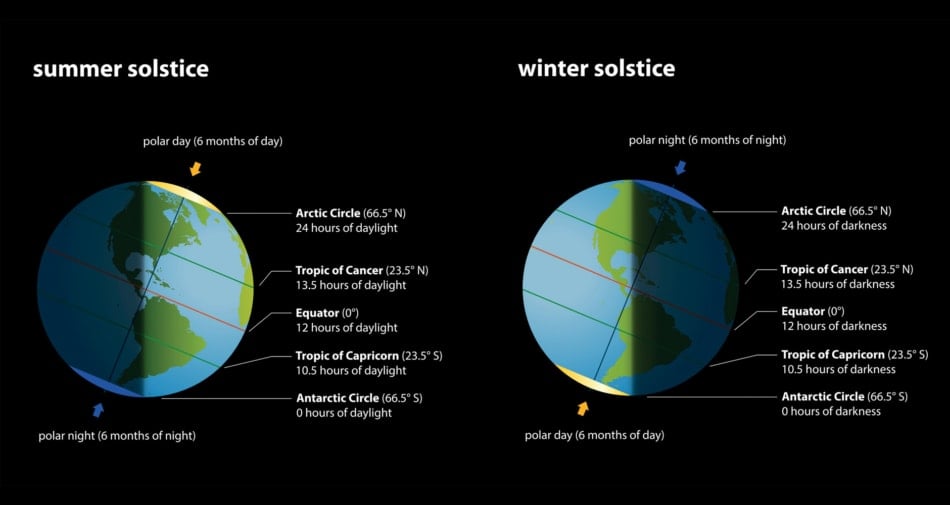
Astronomically, summer in the Northern Hemisphere officially begins with the summer solstice, typically around June 20th or 21st, and concludes with the autumnal equinox, around September 22nd or 23rd. This is the period when the sun is at its highest point in the sky, resulting in the longest days of the year. For those who follow the celestial calendar, summer’s arrival is a precise, predictable event, marking the official start of the season.
Meteorologically, however, summer is defined by the three warmest months of the year, which for the Northern Hemisphere are June, July, and August. This definition is more aligned with weather patterns and seasonal temperatures, making it particularly relevant for travel planning and understanding typical weather conditions. In most parts of California, this meteorological definition aligns fairly well with the perception of summer, especially inland where temperatures consistently rise.
The Golden State’s Microclimates and Regional Variations
The true complexity of California’s summer lies in its remarkable array of microclimates. Due to its diverse topography, including the Pacific Ocean coastline, the Sierra Nevada mountain range, vast central valleys, and expansive deserts, the onset of summer weather can vary dramatically from one region to another.
Along the coast, particularly in cities like San Francisco and Los Angeles, early summer (June) is often characterized by what locals affectionately call “June Gloom” or “May Gray.” This phenomenon involves persistent marine layer clouds and fog that hug the coastline, keeping temperatures cooler and skies overcast for much of the morning, sometimes lasting until early afternoon. While tourists expecting immediate sunshine might be surprised, these conditions often burn off to reveal clear, pleasant afternoons. True, consistently sunny beach weather often doesn’t fully kick in until July and August along the immediate coast. Resorts like the Laguna Cliffs Marriott Resort & Spa or The Ritz-Carlton, Laguna Niguel in Orange County experience this pattern, with glorious afternoons following a misty start.
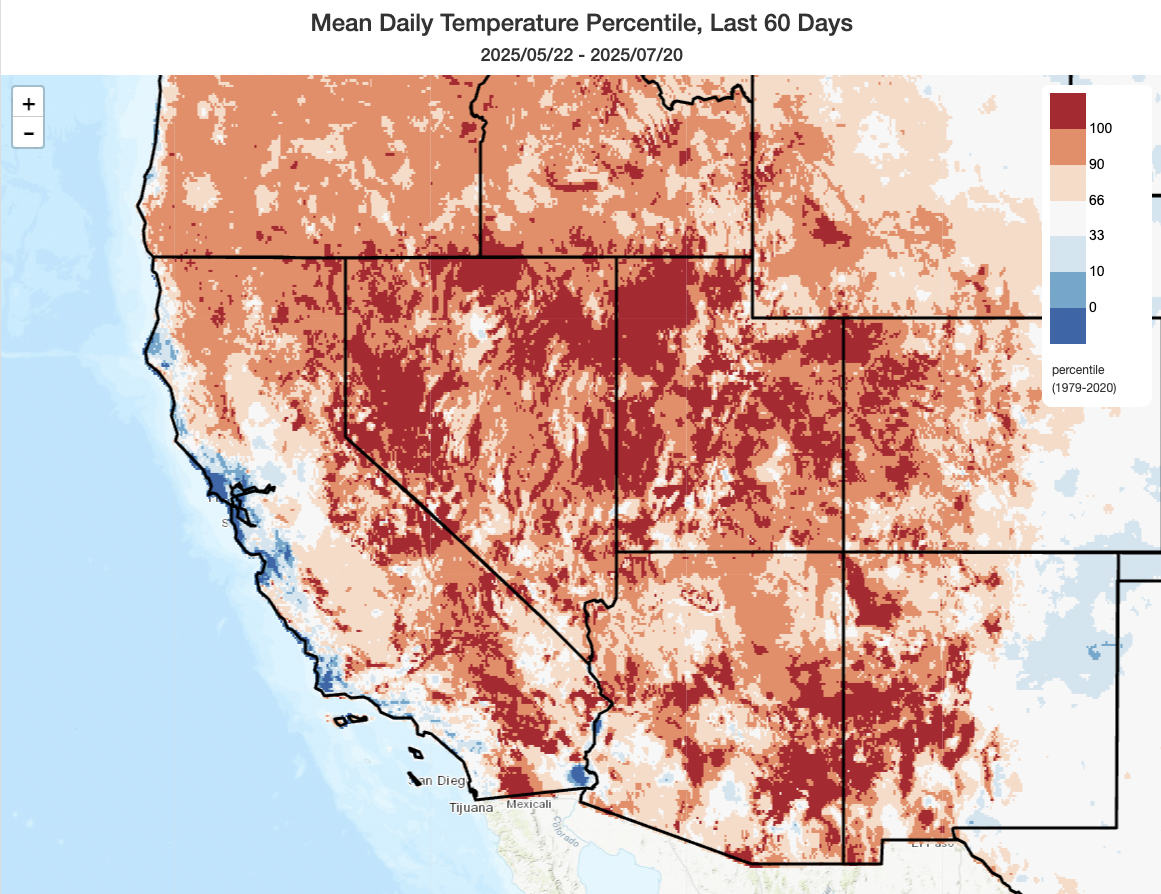
Inland, away from the coastal influence, summer arrives much earlier and with more intensity. Areas like the San Joaquin Valley and cities such as Sacramento or Palm Springs in the desert can experience summer-like temperatures as early as April or May. By June, these regions are typically already enjoying full-blown summer heat, with temperatures often soaring well into the 90s and even triple digits. This early onset of heat means that if you’re planning a desert getaway to Joshua Tree National Park or a wine tasting tour in Napa Valley or Sonoma County, you should be prepared for warm to hot conditions starting long before the official solstice.
High in the Sierra Nevada mountains, including destinations like Yosemite National Park, Lake Tahoe, or Mammoth Lakes, summer’s arrival is dictated by snowmelt. While warmer temperatures begin to creep in by late May, many hiking trails and high-elevation roads may not be fully accessible until late June or even July, depending on the snowpack from the previous winter. This makes late summer (August and September) an ideal time for mountain adventures when trails are clear and water levels in rivers and lakes are perfect for recreation.
In essence, while the calendar marks June 20th or 21st as summer’s official start, the experience of summer in California is a dynamic tapestry woven by geography. Travelers should always consider the specific region they plan to visit when anticipating the true onset of summer weather.
Embracing California’s Summer Experiences
Once summer truly arrives across its varied landscapes, California transforms into an unparalleled playground for every type of traveler. From exhilarating outdoor pursuits to cultural immersions, the opportunities are as vast as the state itself.
Coastal Escapes and Beach Bliss
California’s 840 miles of coastline are arguably its most iconic summer draw. Southern California beaches, from the lively shores of Santa Monica Pier and Venice Beach in Los Angeles to the pristine coves of Laguna Beach and the family-friendly expanses of Coronado in San Diego, become hubs of activity. Surfing, paddleboarding, swimming, and sunbathing are quintessential summer pastimes. Many coastal cities host events, concerts, and festivals throughout the season. Hotels like the historic Hotel del Coronado offer prime beachfront access and a wealth of amenities for a luxurious stay. Further north, charming towns like Santa Barbara, Pismo Beach, and Carmel-by-the-Sea provide a more serene coastal experience, perfect for scenic drives along Highway 1 or exploring tide pools.
Mountain Adventures and National Park Wonders
For those who prefer cooler temperatures and rugged landscapes, California’s mountains offer a refreshing alternative. Yosemite National Park is a crown jewel, with its towering granite cliffs, majestic waterfalls (though some diminish by late summer), and ancient sequoias. Hiking, rock climbing, and camping are popular activities. Nearby, Sequoia National Park and Kings Canyon National Park boast the largest trees on Earth, offering a humbling experience amidst nature’s giants. Lake Tahoe transforms into a summer paradise with boating, kayaking, hiking around its crystalline waters, and exploring charming lakeside towns. The less crowded Lassen Volcanic National Park in Northern California provides unique geothermal features and stunning volcanic landscapes for the adventurous.
Urban Exploration and Cultural Hotspots
California’s cities truly come alive in the summer, offering a diverse array of cultural, culinary, and entertainment experiences. Los Angeles invites visitors to explore Hollywood’s Walk of Fame, visit world-class museums like the Getty Center, enjoy theme parks such as Disneyland and Universal Studios Hollywood, or catch a live concert at the Hollywood Bowl. San Francisco mesmerizes with its iconic Golden Gate Bridge, historic Alcatraz Island, vibrant neighborhoods like Fisherman’s Wharf and Chinatown, and its renowned culinary scene. A stay at the Fairmont San Francisco offers historic elegance and stunning city views. In San Diego, Balboa Park houses numerous museums and the famous San Diego Zoo, while the Gaslamp Quarter buzzes with nightlife and dining. These urban centers provide a compelling blend of arts, history, and modern entertainment.
Desert Discoveries and Stargazing
While hot, California’s deserts offer unique summer experiences, particularly for early morning hikes and spectacular stargazing. Joshua Tree National Park offers surreal landscapes with its unique trees and rock formations, ideal for bouldering and photography at dawn or dusk. Death Valley National Park, one of the hottest places on Earth, becomes an extreme adventure for the truly resilient, showcasing incredible geological features. The desert oasis of Palm Springs provides a luxurious escape with its mid-century modern architecture, golf courses, and resort pools. With minimal light pollution, the deserts are phenomenal for astronomy enthusiasts, providing an unparalleled view of the Milky Way.
Planning Your Perfect California Summer Getaway
A summer trip to California requires thoughtful planning to maximize enjoyment and manage expectations, especially during what can be the state’s busiest travel season.
Accommodation Choices: From Luxury Resorts to Boutique Stays
California offers an incredibly diverse range of accommodation options to suit every taste and budget. For a lavish experience, consider five-star resorts like The Resort at Pelican Hill in Newport Coast, offering unparalleled ocean views and amenities, or The Lodge at Pebble Beach for a world-class golf and coastal retreat. Boutique hotels abound in cities like San Luis Obispo, Ojai, and Mendocino, providing unique character and personalized service. Vacation rentals, including apartments, villas, and cabins, are popular choices for families or longer stays, offering more space and often a kitchen, particularly in popular areas like Lake Tahoe or near Disneyland in Anaheim. Budget travelers can find numerous motels, hostels, and campgrounds, especially within or near the national parks. Booking well in advance, particularly for popular destinations and during peak summer months (July and August), is crucial to secure preferred lodging and potentially better rates.
Navigating Peak Season: Tips for Booking and Budgeting
Summer is undeniably peak tourist season in California, especially from July through Labor Day. This means higher demand for flights, accommodations, and attractions, often leading to increased prices and larger crowds. To navigate this:
- Book Early: Aim to book flights and hotels several months in advance, particularly for popular spots like San Francisco, Los Angeles, and the National Parks.
- Consider Shoulder Seasons: Late May/early June or late September/early October can offer pleasant weather, fewer crowds, and potentially lower prices, especially along the coast where “June Gloom” might be receding or where fall colors begin to emerge.
- Budget Smart: Factor in higher costs for everything from dining to activities. Look for package deals, utilize loyalty programs, and consider cooking some meals if staying in accommodation with kitchen facilities.
- Flexibility is Key: If your travel dates are flexible, using price comparison websites to track flight and hotel rates can help identify the most cost-effective times to travel.
Essential Packing and Travel Considerations
Given California’s diverse climates, packing for a summer trip requires careful thought. Layering is always recommended, even in summer.
- Coastal Areas: Bring light layers, including a jacket or sweatshirt, even in July and August, especially for evenings or foggy mornings. Swimsuits, sandals, and sun protection are also essential.
- Inland & Desert: Lightweight, breathable clothing is a must. Wide-brimmed hats, sunglasses, and high-SPF sunscreen are crucial. Hydration is paramount, so carry a reusable water bottle.
- Mountains: Layers are critical, as temperatures can fluctuate wildly from warm days to chilly nights, especially at higher elevations. Sturdy hiking shoes, rain gear (just in case), and bug spray are recommended.
- General: Comfortable walking shoes are a must for urban exploration and theme parks. Don’t forget chargers, cameras, and any necessary medications. A car is almost essential for exploring the state’s vastness, offering the freedom to explore scenic routes like Highway 1 along the Big Sur coast.
Iconic California Summer Destinations to Explore
To help illustrate the breadth of summer experiences, let’s highlight some must-visit destinations across the state.
Southern California’s Sun-Drenched Shores
Southern California truly embodies the quintessential California summer dream. Beyond the famous beaches, explore the vibrant arts scene of Laguna Beach, take a ferry to the idyllic Santa Catalina Island for snorkeling and zip-lining, or indulge in the luxury shopping of Beverly Hills. Theme park enthusiasts will delight in Disneyland Park and Disney California Adventure Park in Anaheim, Universal Studios Hollywood, LEGOLAND California in Carlsbad, or SeaWorld San Diego. Don’t miss the picturesque cliffs of La Jolla or the historic architecture of Pasadena, home to the annual Rose Parade.
Central Coast’s Scenic Beauty
The Central Coast offers a more relaxed pace, characterized by stunning natural beauty and charming towns. Drive the legendary Highway 1 through Big Sur, admiring dramatic cliffs and redwoods meeting the Pacific Ocean. Visit Monterey for its historic Cannery Row and the world-renowned Monterey Bay Aquarium. Explore the Danish-inspired village of Solvang, or the historic mission and vibrant downtown of San Luis Obispo. The region also boasts fantastic Wine Country in areas like Paso Robles, offering a more laid-back tasting experience compared to its northern counterparts. Don’t forget the architectural marvel of Hearst Castle near San Simeon, a testament to grand design.
Northern California’s Diverse Landscapes
Northern California presents a different facet of summer. Beyond San Francisco with its iconic Golden Gate Bridge, explore the majestic giant redwood trees in Redwood National Park or Muir Woods National Monument. The Napa Valley and Sonoma County wine regions are sublime in summer, though warm, offering picturesque vineyards and exquisite tasting experiences. Head east to Lake Tahoe for alpine lake activities, or venture further into the Sierra Nevada for unparalleled hiking in Yosemite National Park. The less-traveled region north of Sacramento also offers gems like the serene Shasta Cascade region with Mount Shasta as its centerpiece, and many pristine lakes and rivers for outdoor recreation.
In conclusion, while “summer” officially starts on the calendar in late June, the real summer in California is a rolling season, arriving with different temperatures and experiences depending on your destination. By understanding these nuances and planning accordingly, travelers can truly unlock the magic of the Golden State and create unforgettable memories during its most celebrated season.
LifeOutOfTheBox is a participant in the Amazon Services LLC Associates Program, an affiliate advertising program designed to provide a means for sites to earn advertising fees by advertising and linking to Amazon.com. Amazon, the Amazon logo, AmazonSupply, and the AmazonSupply logo are trademarks of Amazon.com, Inc. or its affiliates. As an Amazon Associate we earn affiliate commissions from qualifying purchases.