
The Golden State, a land of unparalleled diversity, stretches from sun-drenched beaches to snow-capped mountains, bustling metropolises to serene desert oases. It’s a place that captures the imagination of travelers worldwide, offering an incredible array of experiences for every kind of adventurer. But beneath the iconic landmarks and vibrant cultures lies a fundamental question for many planning their visit: just how many cities are there in California? The answer, while seemingly straightforward, opens the door to understanding the state’s intricate urban fabric and the myriad destinations awaiting exploration.
As of early 2024, California boasts 482 incorporated cities. This number represents distinct municipal entities that have formally organized their own local government, providing services such as police, fire, public works, and local planning. These cities are the backbone of California’s economy, culture, and community life, each contributing its unique character to the state’s rich tapestry. From the sprawling urban expanse of Los Angeles to the charming, artistic enclave of Carmel-by-the-Sea, these 482 cities offer an endless mosaic of experiences for tourists and residents alike.
Understanding California’s Urban Landscape
To truly appreciate the significance of this number, it’s essential to delve into what constitutes a “city” within the context of California and the broader United States. The distinction between incorporated cities and other types of settlements is crucial for understanding the state’s administrative and cultural geography.
The Distinction: Incorporated Cities vs. Unincorporated Areas
An incorporated city is a legally defined governmental entity with its own charter or general law status. This means it has a distinct boundary, a governing body (like a city council and mayor), and the authority to levy taxes and provide municipal services to its residents. These services often include law enforcement, fire protection, public works (roads, sanitation), and zoning regulations. The decision to incorporate usually comes from the residents of an area seeking more localized control and services than what a county government can provide.
Conversely, unincorporated areas are regions of a county that are not part of any city. Residents in these areas receive their governmental services directly from the county. While many unincorporated areas are rural, some are densely populated and function much like cities in terms of population and commercial activity, often referred to as census-designated places (CDPs). For example, a famous attraction like Big Sur is a scenic, unincorporated area along the coast, not a city, yet it draws millions of visitors. When we talk about the 482 cities, we are specifically referring to those self-governing incorporated entities, highlighting a significant level of local autonomy and community identity.
The Sheer Scale and Diversity of the Golden State
California’s immense geographical size and ecological diversity naturally lead to a wide distribution of these 482 cities. Covering nearly 164,000 square miles, the state encompasses everything from the arid expanses of Death Valley National Park to the towering peaks of the Sierra Nevada mountain range, and from the rugged Pacific coastline to the fertile Central Valley. This varied landscape has historically influenced where settlements formed, leading to distinct urban characters rooted in their immediate environment and economic drivers.
The state’s population, the largest in the United States, is largely concentrated in coastal and valley regions, particularly in the major metropolitan areas. However, even in less densely populated regions, small towns and cities thrive, often serving as vital hubs for agriculture, tourism, or resource extraction. This sheer scale ensures that no two Californian cities are quite alike, offering a rich tapestry of experiences that caters to every traveler’s taste, whether they seek the glitz and glamour of Hollywood or the tranquil beauty of a wine country escape.
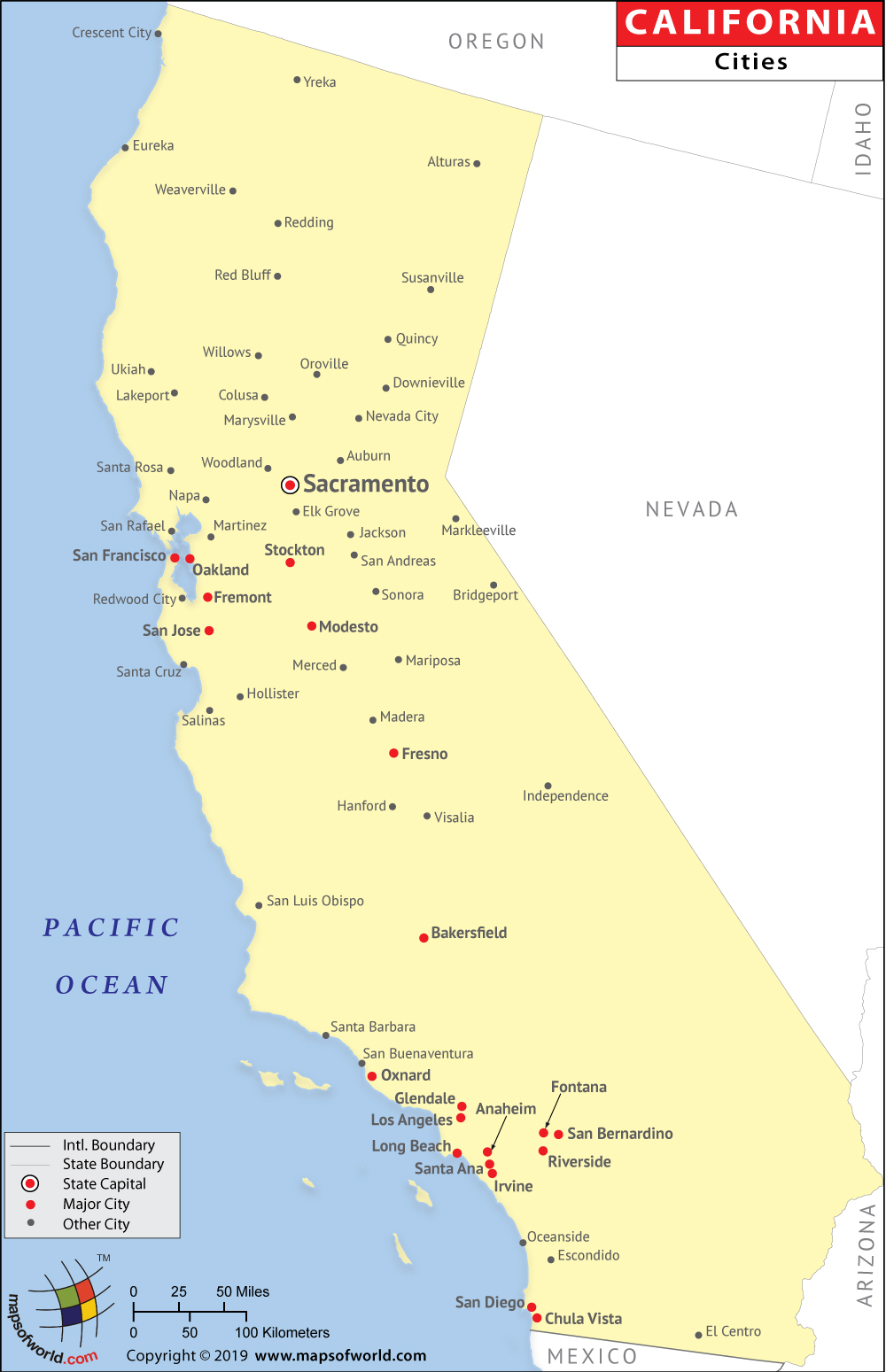
A Kaleidoscope of California’s Cities: From Metropolises to Quaint Towns
The 482 incorporated cities of California are far from homogenous. They represent a vibrant spectrum of sizes, cultures, and attractions, making the state an endlessly fascinating destination for travel and exploration. Let’s explore some of these distinctive urban landscapes.
Global Hubs and Iconic Metropolises
California is home to some of the world’s most recognizable cities, each a major center of commerce, culture, and innovation.
- Los Angeles: The largest city in California and the second-largest in the United States, Los Angeles is a sprawling global epicenter of entertainment, fashion, and diverse cultures. Visitors can explore the stars on the Hollywood Walk of Fame, gaze at the cosmos from the Griffith Observatory, stroll along the glamorous Rodeo Drive in Beverly Hills, or immerse themselves in art at the Getty Center. The city’s beaches, such as those in Santa Monica and Malibu, offer a quintessential Southern California experience.
- San Francisco: Known for its iconic Golden Gate Bridge, historic cable cars, and vibrant neighborhoods, San Francisco is a hub of technology and counterculture. Must-see attractions include Alcatraz Island, the bustling Fisherman’s Wharf, the serene Golden Gate Park, and the historic Presidio. The city’s culinary scene is also world-renowned, offering everything from Michelin-starred restaurants to innovative food trucks.
- San Diego: Nestled along the southern coast, San Diego offers a relaxed pace, beautiful beaches, and a rich military history. Visitors can explore Balboa Park with its numerous museums and gardens, discover the vibrant nightlife of the Gaslamp Quarter, or tour the historic USS Midway Museum. The picturesque neighborhoods of La Jolla provide stunning coastal views and upscale amenities.
- San Jose: The heart of Silicon Valley, San Jose is a major center for technological innovation. While often overshadowed by its flashier neighbors, it offers fascinating museums, a growing culinary scene, and a gateway to exploring the tech world.
- Sacramento: As the state capital, Sacramento is rich in history, especially its connection to the Gold Rush era. Old Town Sacramento (officially Old Sacramento State Historic Park) is a testament to this past, with horse-drawn carriages and historic buildings. The city also boasts a burgeoning farm-to-fork culinary movement.
- Other significant cities include Long Beach, home to the Queen Mary, Oakland, with its vibrant arts scene and diverse culture, and Anaheim, famously home to Disneyland Park.
Coastal Charms and Pacific Retreats
Beyond the major metropolises, California’s coastline is dotted with charming cities that offer a more laid-back, scenic experience.
- Santa Barbara: Often called the “American Riviera” due to its Mediterranean climate and Spanish colonial architecture, Santa Barbara is a haven for luxury travelers and beach lovers. Its lively State Street, pristine beaches, and nearby wine region make it a top destination.
- Monterey: With its historic Cannery Row and world-renowned Monterey Bay Aquarium, Monterey is a captivating city for marine enthusiasts and history buffs alike. Its rugged coastline and proximity to the iconic 17-Mile Drive add to its allure.
- Carmel-by-the-Sea: Adjacent to Monterey, this idyllic village is famous for its fairytale cottages, art galleries, and dog-friendly beaches. It’s a perfect spot for romantic getaways and leisurely strolls.
- Malibu: Synonymous with celebrity homes and surf culture, Malibu offers stunning coastal drives, pristine beaches like Zuma Beach, and exclusive dining experiences.
- Laguna Beach: An artistic haven in Orange County, Laguna Beach is known for its beautiful coves, tide pools, and vibrant arts festivals.
- Santa Monica: Home to the historic Santa Monica Pier and a lively beachfront atmosphere, Santa Monica blends urban sophistication with a relaxed beach vibe.
Inland Wonders, Desert Oases, and Mountain Escapes
Moving away from the coast, California’s interior reveals another set of unique cities shaped by mountains, deserts, and fertile valleys.
- Palm Springs: A quintessential desert resort city, Palm Springs is famous for its mid-century modern architecture, golf courses, and luxurious spas. It’s a popular escape for those seeking sun and relaxation, particularly during the cooler months.
- Fresno & Bakersfield: These major cities in the Central Valley are the agricultural heartland of California, producing much of the nation’s fruits, vegetables, and nuts. They also serve as gateways to some of the state’s most spectacular national parks, including Yosemite National Park and Sequoia National Park, making them practical bases for outdoor adventures.
- Lake Tahoe Region: While Lake Tahoe itself is not a city, the area boasts several incorporated cities like South Lake Tahoe which thrive on tourism, offering world-class skiing in winter and stunning water activities in summer, surrounded by breathtaking mountain scenery.
- Solvang: This charming Danish-inspired village in the Santa Ynez Valley offers a unique European experience with its distinctive architecture, windmills, and traditional Danish pastries.
Northern California’s Rustic Charm and Wine Country
The northern reaches of the state present a different kind of beauty, characterized by redwood forests, volcanic landscapes, and world-class wine regions.
- Napa & Sonoma: These two adjacent valleys are synonymous with California’s prestigious wine industry. Cities like Napa, Sonoma, and St. Helena offer exquisite vineyards, gourmet dining, luxurious resort experiences, and picturesque landscapes perfect for culinary tourism and romantic getaways.
- Eureka: Located on the Redwood Coast, Eureka is a historic seaport city known for its beautiful Victorian architecture, including the famous Carson Mansion, and its proximity to ancient redwood forests. It offers a blend of maritime history and natural grandeur.
Planning Your California Urban Exploration
With 482 cities to choose from, planning a trip to California can be an exciting, albeit overwhelming, endeavor. Leveraging the diverse offerings of its cities, travelers can curate itineraries that perfectly match their interests and budget.
Navigating Accommodation: From Luxury to Budget-Friendly Stays
The sheer number of cities means an equally vast array of accommodation options. California’s cities cater to every preference, from opulent resorts to charming boutique hotels and practical budget stays.
- Luxury & Resorts: In cities like Los Angeles, San Francisco, Santa Barbara, and the Napa Valley, travelers can indulge in world-class amenities at hotels like the Ritz-Carlton, Four Seasons, Waldorf Astoria, or Fairmont Hotels & Resorts. These often feature gourmet dining, spas, private pools, and stunning views. Many of these high-end accommodations are resorts in their own right, offering comprehensive experiences within their grounds.
- Mid-Range Hotels: Major chains like Hyatt Regency, Marriott, and Hilton are ubiquitous in most cities, providing reliable comfort, business amenities, and family-friendly options.
- Boutique Hotels & Apartments: For a more unique experience, many cities, especially artistic hubs like Carmel-by-the-Sea and Laguna Beach, offer charming boutique hotels with distinctive decor and personalized service. Vacation rentals, including apartments and villas booked through various platforms, are also popular, especially for longer stays or those seeking a local living experience.
- Budget & Long-Term Stay: California also accommodates budget-conscious travelers with numerous motels, hostels, and extended-stay hotels. For digital nomads or those considering a longer immersion, furnished apartments and long-term stay options are available, offering a home-away-from-home feel.
When booking, it’s always wise to check reviews, compare prices across different platforms, and consider the specific amenities that align with your travel style.
Embracing Local Culture and Experiences
Each of California’s 482 cities offers a distinct cultural flavor, reflected in its food, activities, and local traditions.
- Culinary Adventures: From San Francisco’s Michelin-starred restaurants and Los Angeles’s diverse ethnic eateries to Sacramento’s farm-to-fork movement and Napa Valley’s wine tasting tours, the state is a gastronomic paradise. Explore local farmers’ markets, indulge in fresh seafood along the coast, or savor innovative fusion cuisine.
- Activities for All: Outdoor enthusiasts can hike in the hills surrounding Pasadena, surf the waves off Malibu, or explore the natural beauty near cities like Lake Tahoe. Culture vultures will find world-class museums in Los Angeles and San Francisco, historic missions throughout the state, and vibrant art scenes in cities like Laguna Beach. Theme parks like Disneyland Park in Anaheim and Universal Studios Hollywood in Los Angeles provide endless family fun.
- Local Tips: Consider visiting during shoulder seasons (spring or fall) to avoid crowds and enjoy pleasant weather. Public transportation is excellent in major cities like San Francisco, but a car is often essential for exploring the broader state, especially for reaching more remote attractions or multiple cities.
Tailoring Your Trip: Lifestyle Choices for Every Traveler
With such a vast urban landscape, California caters to every lifestyle and travel preference.
- Luxury Travel: Indulge in private tours of Napa Valley wineries, stay in five-star hotels overlooking the Pacific, shop on Rodeo Drive, or charter a yacht for a trip to Catalina Island. Cities like Beverly Hills and Santa Barbara are prime examples of luxury destinations.
- Budget Travel: Explore free attractions like the Santa Monica Pier, hike in Griffith Park, utilize public transport, and opt for hostels or budget hotels. Many state parks and national forests offer affordable camping options, often just a short drive from incorporated cities.
- Family Trips: Theme parks are a major draw, but don’t overlook interactive museums, safe beaches, and educational landmarks like Hearst Castle near San Simeon. Many cities offer family-friendly resorts with kid-specific amenities.
- Business Stays: Major cities like San Francisco, Los Angeles, and San Jose are equipped with extensive convention centers, business districts, and hotels offering robust services for professionals, combining work opportunities with chances for leisure exploration.
The 482 incorporated cities of California are much more than just numbers on a map; they are vibrant communities, diverse destinations, and the foundation for countless travel experiences. Each city holds a piece of the Golden State’s unique allure, inviting travelers to discover its distinct charm, history, and modernity. From the bustling streets of its global metropolises to the tranquil lanes of its quaint towns, California beckons with an endless promise of adventure, relaxation, and discovery.
LifeOutOfTheBox is a participant in the Amazon Services LLC Associates Program, an affiliate advertising program designed to provide a means for sites to earn advertising fees by advertising and linking to Amazon.com. Amazon, the Amazon logo, AmazonSupply, and the AmazonSupply logo are trademarks of Amazon.com, Inc. or its affiliates. As an Amazon Associate we earn affiliate commissions from qualifying purchases.