
Embarking on the path of divorce is undoubtedly one of life’s most significant transitions, marking the end of one chapter and the beginning of another. While it can feel overwhelming, understanding the process in a structured way can empower you to navigate this journey with greater clarity and confidence. For those in the Golden State, specifically, the process of how to file for divorce in California is governed by specific rules and procedures designed to ensure a fair and equitable dissolution of marriage. This comprehensive guide, framed from a lifestyle perspective, aims to demystify the legal steps, helping you prepare for your future and the new beginnings that await.
Divorce, legally known as “dissolution of marriage” in California, is a no-fault state. This means that you don’t need to prove that your spouse did anything wrong to end the marriage. The primary grounds for divorce are “irreconcilable differences,” meaning the marriage has broken down to the point where it cannot be saved, or “incurable insanity.” This progressive approach simplifies the emotional burden often associated with proving fault, allowing couples to focus on practical matters like asset division, child custody, and support. As you consider this major life change, it’s beneficial to approach it with a mindset of strategic planning, much like planning a significant trip or a new living arrangement, ensuring all details are considered for a smoother transition.
Understanding the Foundations: California Divorce Requirements
Before you can officially begin the process of filing for divorce, certain preliminary conditions must be met. These foundational requirements ensure that your case falls under the jurisdiction of the California court system. Think of these as your visa requirements before an international journey – essential prerequisites that must be in order.
Residency Rules and “No-Fault” Principles
The most critical initial requirement for filing for divorce in California is residency. To file, at least one spouse must have lived in the state for a minimum of six months and in the specific county where you intend to file for at least three months immediately preceding the filing of the petition. For instance, if you reside in Los Angeles County and wish to file there, you must have been a resident of California for six months and Los Angeles County for three months. This period ensures a connection to the local legal system. If these residency requirements aren’t met, you might need to wait or consider filing for legal separation first, which doesn’t have the same strict residency rules but also doesn’t fully dissolve the marriage.
As mentioned, California operates under a “no-fault” divorce system. This means you do not need to cite adultery, abandonment, or any other specific marital misconduct as the reason for divorce. The only reason required is “irreconcilable differences,” which have caused the irremediable breakdown of the marriage, or, less commonly, “incurable insanity.” This principle encourages a more amicable and less adversarial process, allowing parties to concentrate on practical resolutions rather than assigning blame. This philosophy aligns well with a lifestyle approach, where the focus shifts from past grievances to future planning and creating a new, stable environment for all involved.
The Initial Steps: Preparing and Filing Your Petition
Once you’ve confirmed you meet the residency requirements, the formal process begins. This stage involves preparing and submitting the initial legal documents that officially inform the court of your intention to dissolve the marriage. It’s akin to booking your tickets and making the first reservations for a significant life change – careful planning and execution are paramount.
Initiating Your Case: Petition and Summons
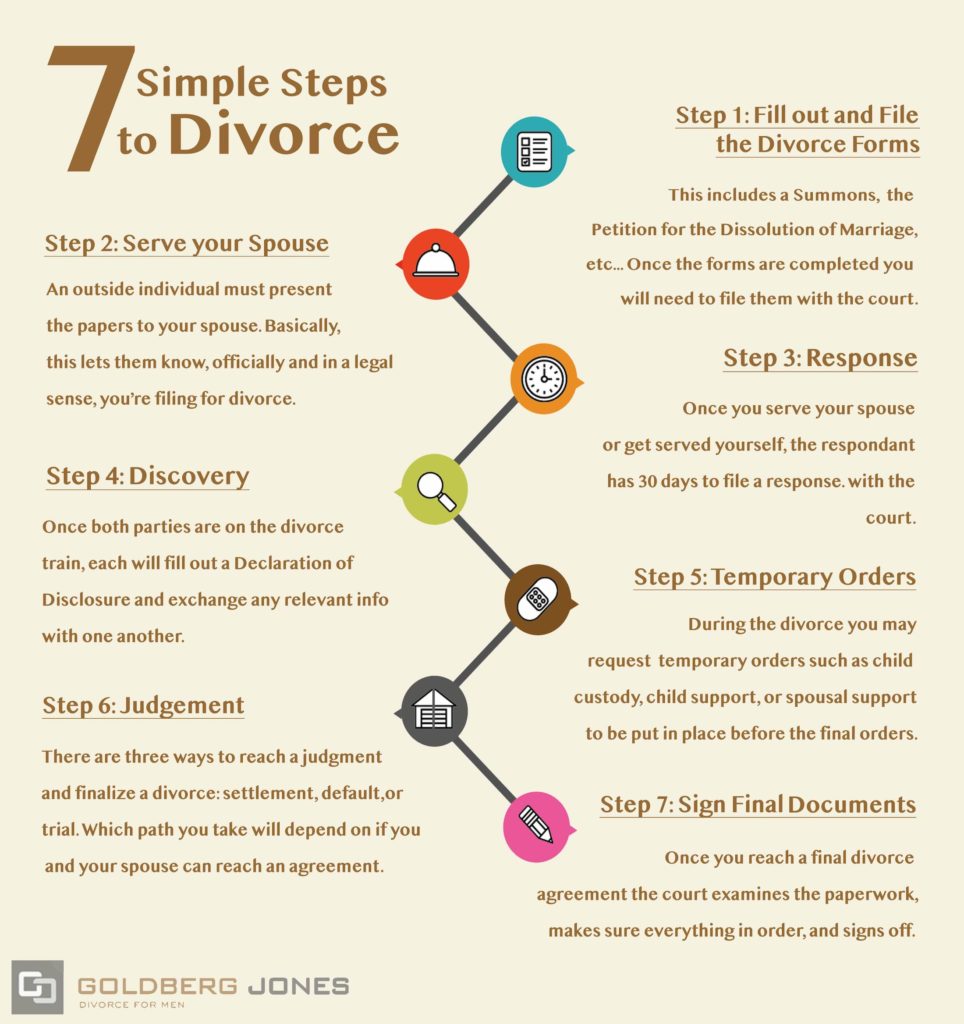
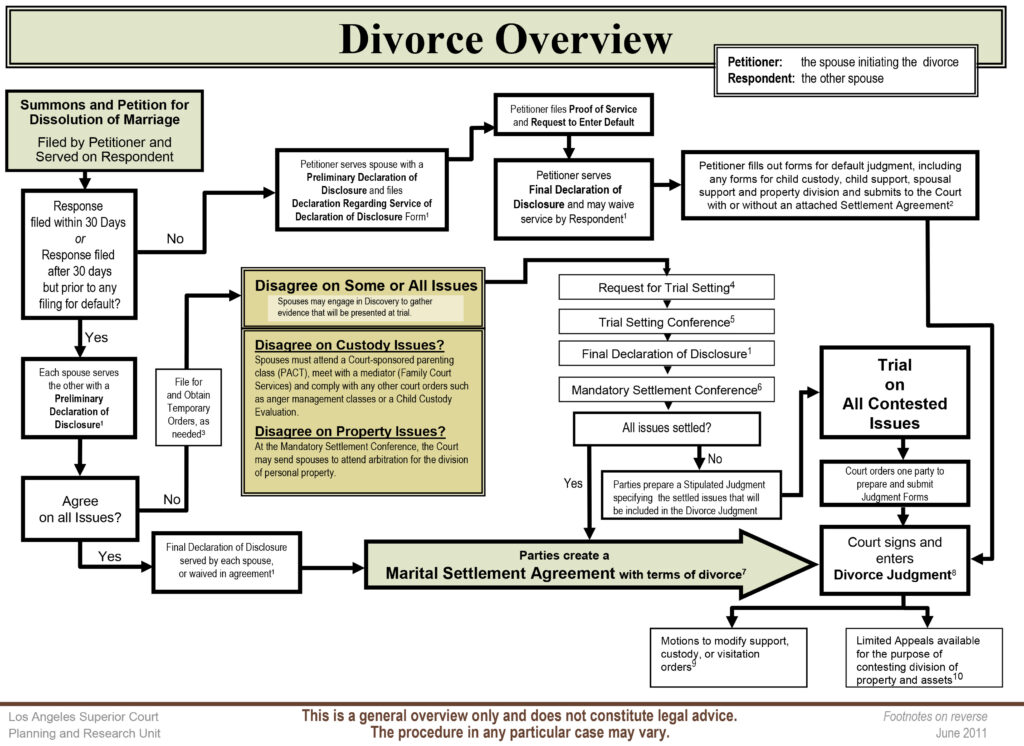
The very first step is to complete and file a “Petition – Marriage/Domestic Partnership” (Form FL-100) with the appropriate county Superior Court. This document outlines basic information about you and your spouse, the date and place of marriage, and any children born of the marriage. It also states your requests regarding child custody, visitation, child support, spousal support, property division, and debt division. When filling out this form, it’s crucial to be as accurate as possible, even if you are unsure about some specific outcomes, as it sets the stage for the entire proceedings.
Along with the Petition, you must also prepare a “Summons” (Form FL-110). The Summons is a formal notice to your spouse that you have filed for divorce and that they have a limited time (typically 30 days) to respond to the Petition. It includes critical information about legal rights and responsibilities during the divorce process. Both documents are filed with the court clerk, usually for a fee. If you cannot afford the fee, you may be able to file a fee waiver request. Ensuring these documents are completed correctly is a vital first step, much like securing your passport and travel itinerary before an international trip.
Serving Your Spouse: Ensuring Proper Notification
After filing the Petition and Summons with the court, the next crucial step is “service of process.” This means legally notifying your spouse that you have filed for divorce. California law requires that these documents be formally “served” on your spouse by someone other than yourself, who is at least 18 years old and not a party to the case. This can be a professional process server, a sheriff, or a friend or family member who meets the criteria.
The purpose of service is to ensure your spouse is fully aware of the divorce proceedings and has an opportunity to respond and protect their legal interests. Proper service is fundamental to the legal process; without it, the court cannot proceed with your divorce. Once your spouse has been served, the person who served the papers must complete and file a “Proof of Service of Summons” (Form FL-115) with the court. This document officially confirms that your spouse has received the legal documents. For those planning a significant relocation post-divorce, understanding these legal timelines and ensuring timely completion of paperwork is just as critical as coordinating moving logistics or securing new accommodation.
Navigating the Process: Key Stages and Considerations
Once the initial paperwork is filed and served, the divorce process moves into a more detailed phase, focusing on financial disclosures, resolving issues related to children, and dividing assets and debts. This stage requires meticulous attention to detail and often involves negotiations, much like planning a complex itinerary with multiple stops and considerations.
Financial Disclosures: Transparency is Key
One of the most critical aspects of any California divorce is the exchange of financial information, known as “financial disclosures.” Both spouses are legally required to provide a complete and accurate picture of their income, expenses, assets, and debts. This is done through specific court forms, primarily the “Declaration of Disclosure” (Form FL-140), “Schedule of Assets and Debts” (Form FL-142), and “Income and Expense Declaration” (Form FL-150).
These disclosures are fundamental because they provide the basis for determining child support, spousal support, and the equitable division of community property. Without a full and honest exchange of financial information, it’s impossible to reach a fair settlement. This transparency ensures that decisions made by the court or through negotiation are based on accurate financial realities. Concealing assets or debts can lead to severe penalties. For those looking to establish a new financial life or even budget for future travel or new accommodation, this step is the financial bedrock.

Children and Custody: Prioritizing Their Well-being
If you and your spouse have minor children, issues of child custody and visitation will be paramount. California courts prioritize the “best interests of the child” when making custody decisions. There are two main types of custody: legal custody (who makes decisions about the child’s health, education, and welfare) and physical custody (where the child lives). Custody can be shared (joint) or given to one parent (sole).
The court often encourages parents to reach a mutually agreeable parenting plan through mediation. Many California courts offer free or low-cost mediation services for child custody and visitation issues. If parents cannot agree, the court will make a decision after considering various factors such as the child’s age, health, emotional ties to each parent, and the ability of each parent to provide a stable environment. Creating a stable living environment for children post-divorce is a significant “accommodation” challenge, requiring careful planning and foresight, similar to ensuring a comfortable stay for family members during a long journey.
Dividing Assets and Debts: Community Property Laws
California is a community property state. This means that, with few exceptions, any assets (such as homes, bank accounts, retirement funds, businesses) and debts (mortgages, credit card balances, loans) acquired by either spouse during the marriage are considered “community property” and are generally divided equally between the spouses. Property acquired before marriage, or received during marriage as a gift or inheritance, is typically considered “separate property” and is not subject to equal division.
Dividing community property can be one of the most complex aspects of divorce, especially if there are significant assets like homes in San Francisco, businesses in San Diego, or retirement accounts accumulated over many years. Valuation of assets, especially businesses or real estate, often requires professional appraisals. The goal is to achieve an equitable distribution that adheres to the 50/50 rule for community property. This often requires careful negotiation and a clear understanding of what constitutes community vs. separate property, setting the financial framework for each spouse’s independent lifestyle moving forward.
Spousal Support (Alimony): Financial Adjustments
Spousal support, often referred to as alimony, may be ordered in a divorce to help a lower-earning spouse maintain a similar standard of living to what they enjoyed during the marriage, for a period of time, or until they become self-supporting. Unlike child support, there isn’t a strict formula for determining spousal support. California courts consider a wide range of factors, including the length of the marriage, the earning capacity of each spouse, the marital standard of living, the needs of each spouse, and the age and health of each spouse, among others.
For marriages of less than 10 years, support is generally ordered for half the length of the marriage. For marriages of 10 years or more, the court typically retains jurisdiction indefinitely, meaning there is no predetermined end date for support. Spousal support aims to help spouses transition to financial independence post-divorce, allowing them to adjust their lifestyle and potentially invest in new skills or education, much like budgeting for a new life chapter.
Reaching a Resolution: Settlement vs. Trial
The vast majority of divorce cases in California are resolved through settlement rather than a court trial. Reaching a settlement involves the parties and their attorneys (if represented) negotiating and agreeing on all the terms of the divorce – child custody, support, property division, and spousal support. This agreement is then formalized into a “Marital Settlement Agreement” (MSA) or “Stipulated Judgment.”
Settlement offers several advantages: it is generally less expensive, faster, less emotionally taxing, and allows the parties more control over the outcome. Mediation is a common and highly effective method for reaching a settlement, where a neutral third party helps facilitate discussions and explore solutions. However, if parties cannot reach an agreement, the case will proceed to trial, where a judge will make all the final decisions. This is often the most costly and time-consuming route, highlighting the importance of thoughtful negotiation and compromise, much like adjusting travel plans to avoid unforeseen complications.
Finalizing Your New Chapter: The Judgment and Beyond
The culmination of the divorce process is the final judgment, which legally dissolves the marriage and formalizes all the agreed-upon or court-ordered terms. This marks the official end of your marital journey and the clear beginning of your new, independent lifestyle.
Finalizing Your Divorce: The Judgment
Once all issues – child custody, child support, spousal support, and property division – have been resolved, either through settlement or trial, a “Judgment” (Form FL-180) must be prepared and submitted to the court. If a Marital Settlement Agreement (MSA) was reached, it is typically attached to and incorporated into the Judgment. The Judgment is the final court order that officially ends the marriage.
After the judge signs the Judgment, the date of termination of marital status will be specified. In California, there is a mandatory six-month waiting period from the date the Summons was served or the date your spouse made a general appearance, whichever is earlier, before the marital status can officially be terminated. This means even if you’ve filed everything and the judge has signed the judgment, your divorce isn’t final until this waiting period has passed. This waiting period can be seen as a reflective pause, allowing both parties to adjust to their new realities before their legal marital status officially changes, much like a period of transition before settling into a new home or embarking on a significant journey.
Post-Judgment Matters and Moving Forward
Even after the Judgment is entered, certain matters might arise or require attention. For example, child custody, visitation, and support orders can often be modified if there’s a significant change in circumstances. Spousal support orders may also be modifiable, depending on the terms of the judgment. Property division, once final, is generally not modifiable, but sometimes enforcement of orders might be necessary if a party doesn’t comply.
Navigating a divorce in California is a complex process, but by understanding each stage, you can approach it strategically. Seeking legal advice from a qualified family law attorney is highly recommended to ensure your rights are protected and that all legal requirements are met. This significant life event, while challenging, also represents an opportunity for growth, self-discovery, and the creation of a fulfilling new lifestyle. By taking control of the process and making informed decisions, you are actively planning your future, much like curating the perfect travel experience or selecting the ideal accommodation for your next adventure. The journey of divorce, though arduous, ultimately leads to a new horizon, offering the chance to redefine your path and embrace the possibilities of a new life.
LifeOutOfTheBox is a participant in the Amazon Services LLC Associates Program, an affiliate advertising program designed to provide a means for sites to earn advertising fees by advertising and linking to Amazon.com. Amazon, the Amazon logo, AmazonSupply, and the AmazonSupply logo are trademarks of Amazon.com, Inc. or its affiliates. As an Amazon Associate we earn affiliate commissions from qualifying purchases.