
For many exploring the vast and diverse landscapes of the United States, the idea of understanding local regulations is an integral part of responsible travel and lifestyle planning. Whether you’re considering a long-term stay, relocating, or simply curious about the legal framework governing certain aspects of life in various destinations, familiarizing yourself with local laws is paramount. California, a state renowned for its stunning coastlines, vibrant cities, and groundbreaking innovation, also stands out for its particularly stringent firearm laws. This comprehensive guide aims to demystify the process of obtaining a gun license in California, offering insights crucial for both prospective residents and those planning an extended visit where such considerations might arise.
While a website focused on travel, accommodation, and lifestyle might seem an unconventional place to discuss firearm licensing, understanding the legal landscape of a destination is a key aspect of informed living and seamless integration, especially for those considering long-term stays or even permanent relocation. For individuals who prioritize personal safety or who are accustomed to firearm ownership in other regions, navigating California’s specific requirements becomes an essential part of their lifestyle planning. Our goal is to provide a clear, accurate, and accessible overview, ensuring that whether you’re settling into a new apartment in Los Angeles, exploring the vineyards of Napa Valley, or enjoying the natural beauty near Lake Tahoe, you are fully aware of the legal parameters surrounding firearms.
Understanding California’s Unique Approach to Firearms
California’s firearm laws are among the strictest in the nation, reflecting a strong legislative emphasis on public safety. Unlike some states that offer relatively straightforward paths to firearm ownership or concealed carry, California employs a multi-layered system of regulations, permits, and certifications. This complexity means that simply moving to the state with firearms you legally owned elsewhere does not automatically grant you the right to possess or carry them in California without adhering to local registration and licensing protocols.
Why This Matters for Travelers and New Residents
For travelers, particularly those undertaking extensive road trips across state lines, understanding California’s gun laws is critical to avoid legal complications. The legal transport of firearms, even unloaded and secured, is subject to specific state and federal guidelines that vary significantly from one jurisdiction to another. Those considering California for a new chapter in their life, whether for work in Silicon Valley or a relaxed coastal lifestyle in San Diego, will find that gun ownership is a heavily regulated aspect of their new life. It directly impacts decisions related to property, personal security, and the integration into a new community. This knowledge becomes a vital component of informed lifestyle choices, much like researching the best local schools or understanding property taxes.
General Overview of California Gun Laws
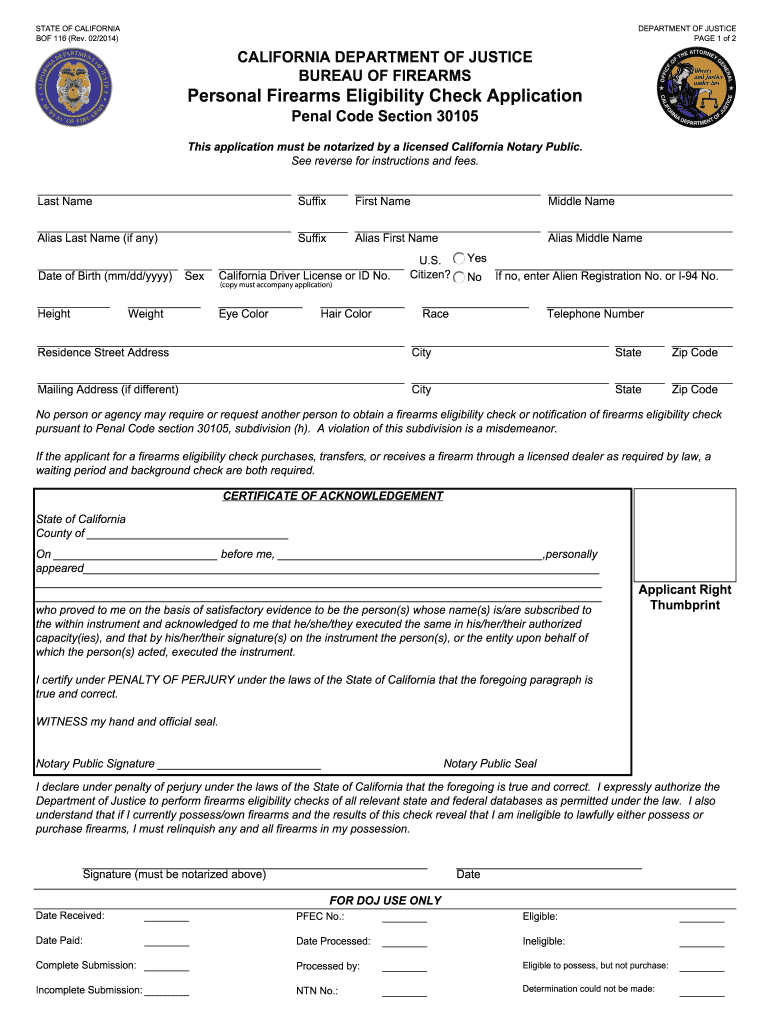
California maintains an “assault weapon” ban, restricts high-capacity magazines, requires background checks for all firearm purchases (even private party transfers), mandates a 10-day waiting period, and has specific rules for storing and transporting firearms. Furthermore, the state requires a Handgun Safety Certificate (HSC) for handgun purchases and has a “may issue” policy for Concealed Carry Weapon (CCW) permits, meaning that local authorities have discretion in issuing them, often requiring a demonstration of “good cause.” These regulations shape the entire landscape of firearm ownership and licensing within the Golden State.
The Handgun Safety Certificate (HSC): Your First Step
Before you can legally purchase or acquire a handgun in California, you must first obtain a Handgun Safety Certificate (HSC). This certificate demonstrates that you have passed a written test covering firearm safety and laws. It is a fundamental requirement for anyone looking to enter the world of handgun ownership in the state, making it a critical piece of documentation for new residents or those establishing a long-term presence.
Who Needs an HSC?
Generally, any individual who wishes to purchase or acquire a handgun in California must possess a valid HSC. There are certain exemptions, such as active duty military personnel with proper identification, honorably retired peace officers, and individuals holding a CCW permit. However, for the vast majority of residents, especially those new to the state or new to firearm ownership, the HSC is a mandatory prerequisite. This requirement underscores California’s commitment to ensuring that gun owners have a baseline understanding of safe handling practices and the state’s intricate firearm laws.
How to Obtain Your HSC
Obtaining an HSC is a relatively straightforward process compared to other licensing procedures. Here’s a breakdown of the steps:
- Eligibility: You must be at least 18 years old to obtain an HSC, though you must be 21 to purchase a handgun from a licensed dealer. You must also be legally permitted to own a firearm.
- Study: The California Department of Justice (DOJ) provides a study guide that covers all the necessary information for the HSC test. This guide details safe firearm handling, storage, transportation, and relevant California firearm laws. Many gun stores and shooting ranges also offer practice materials or even courses.
- Take the Test: The HSC test is administered by DOJ-certified instructors at most licensed firearm dealerships and some shooting ranges across California. The test consists of 30 multiple-choice questions, and you must correctly answer at least 23 (77%) to pass.
- Fee: There is a state-mandated fee for the HSC, typically around $25, which covers the cost of the certificate itself.
- Receiving Your Certificate: Upon passing the test and paying the fee, you will immediately receive your HSC. It is a plastic card, similar to a driver’s license, and is valid for five years from the date of issue.
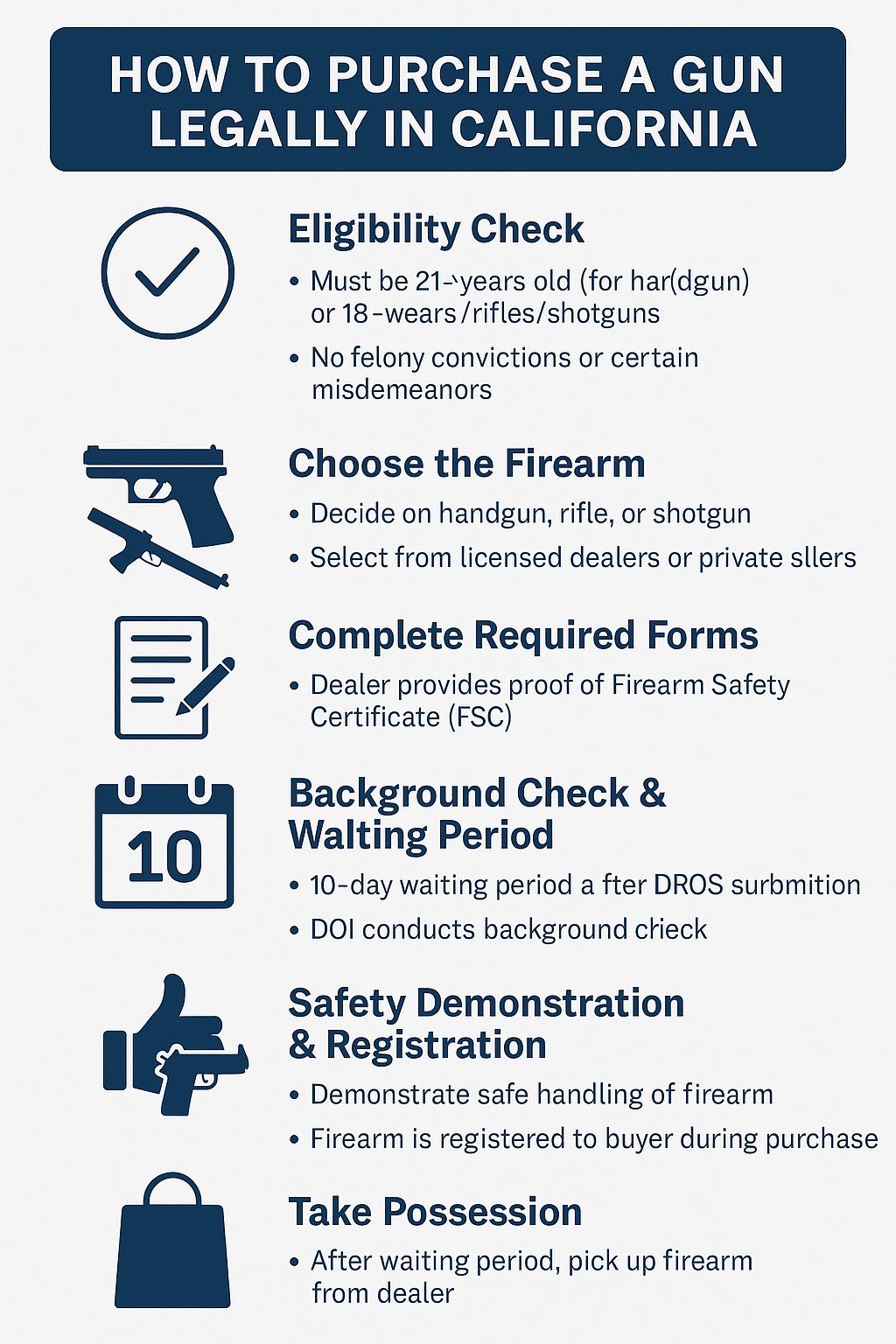
It’s important to keep your HSC safe, as you will need to present it each time you purchase a handgun. Renewing it involves retaking the test and paying the fee again. This foundational step is critical for anyone planning to integrate handgun ownership into their California lifestyle.
Navigating the Concealed Carry Weapon (CCW) Permit Process
While the HSC is for purchasing handguns, a Concealed Carry Weapon (CCW) permit allows an individual to carry a concealed firearm in public. This is often the focus for individuals concerned with personal protection, especially those whose lifestyle or travel patterns might warrant carrying a firearm. However, obtaining a CCW permit in California is significantly more challenging than acquiring an HSC due to the state’s “may issue” policy and strict requirements.
Eligibility and “Good Cause” in California
The eligibility criteria for a CCW permit in California are defined by state law, but the actual issuance is largely at the discretion of local law enforcement agencies (the sheriff in your county of residence or the chief of police in your city of residence). Key requirements generally include:
- Residency: You must be a resident of the county or city where you are applying. This makes it challenging for short-term visitors or tourists to obtain one, effectively limiting CCW permits to long-term residents.
- Age: You must be at least 21 years old.
- Good Moral Character: Applicants must demonstrate good moral character, which involves a thorough background check into criminal history, past behavior, and any other relevant indicators.
- Good Cause: This is often the most significant hurdle. California law requires applicants to demonstrate “good cause” for needing a CCW permit. Historically, “good cause” was interpreted very strictly in many counties, often requiring proof of a specific, articulable threat to one’s life that cannot be mitigated by other means. Following the Bruen v. New York State Rifle & Pistol Association Supreme Court decision, the standard for “good cause” has shifted, generally meaning applicants no longer need to demonstrate a special need for self-defense beyond the general desire for self-defense. However, individual counties and issuing agencies are still adapting, and interpretations can vary. It’s crucial to check with your specific local issuing authority for their current policy.
- Completing a Training Course: You must complete a firearms training course from an approved instructor.
The “good cause” requirement, even post-Bruen, still means that the issuing agency can consider various factors related to your justification for needing a CCW. It’s imperative for those establishing a new life in California to understand their local sheriff’s or police chief’s specific interpretation and application process.
The Application Journey: Steps and Requirements
The CCW application process is rigorous and multi-faceted:
- Initial Application: Begin by submitting a detailed application to your local sheriff’s department or city police department. This application will require extensive personal information, including residency, employment history, and criminal background disclosures.
- Background Check: A comprehensive background check will be conducted, examining your criminal record, mental health history, and any domestic violence restraining orders or other prohibitive factors. This includes checks through state and federal databases.
- Fingerprinting: You will typically be required to undergo live-scan fingerprinting for a thorough background investigation by the California Department of Justice and the FBI.
- Good Cause Statement: Prepare a detailed written statement outlining your “good cause” for needing a CCW permit. While the legal standard has evolved, a clear and concise explanation of your reasons, demonstrating an understanding of responsible firearm use, is still beneficial.
- Character References: Many agencies require character references who can attest to your good moral character and suitability for a CCW permit.

The entire process, from application submission to final decision, can take several months, sometimes even longer, depending on the volume of applications and the efficiency of the local issuing agency. Patience and meticulous attention to detail are key throughout this journey.
Training and Interviews: What to Expect
Beyond the paperwork, the CCW process involves personal interaction and practical training:
- Interview: Most issuing agencies require an in-person interview. This is an opportunity for the licensing authority to assess your suitability, verify information provided in your application, and discuss your “good cause” statement. Be prepared to answer questions honestly and thoroughly.
- Firearms Training Course: If your application progresses, you will need to complete a state-mandated firearms training course. This course typically ranges from 8 to 16 hours and covers safe handling, storage, legal aspects of self-defense, and live-fire proficiency. The course must be taught by an instructor approved by your issuing agency. It’s crucial to ensure the course you choose is recognized by your specific county or city authority before enrolling.
- Psychological Evaluation: Some counties may require a psychological evaluation as part of their assessment of your “good moral character.” While not universally mandated, it’s an aspect to be aware of and prepared for depending on your local jurisdiction.
Upon successful completion of all requirements, including the training, and if your application is approved, you will be issued your CCW permit. This permit will specify the type(s) of firearm(s) you are authorized to carry concealed and is typically valid for two years, after which it must be renewed.
Important Considerations for Responsible Gun Ownership in California
Obtaining a gun license or CCW permit in California is just one aspect of responsible firearm ownership. The state’s strict regulatory environment extends to how firearms are stored, transported, and used. For anyone integrating firearms into their California lifestyle, continuous awareness and compliance are non-negotiable.
Storage, Transport, and Reciprocity
California law mandates specific requirements for firearm storage to prevent unauthorized access, especially by minors. This often includes locking devices, safes, or secure gun cabinets. When transporting firearms, whether for hunting trips in the Sierra Nevada or to a shooting range in Orange County, handguns must generally be unloaded and transported in a locked container, separate from ammunition, and not accessible from the passenger compartment. Long guns must also be unloaded and either in a locked container or secured in a vehicle’s trunk. These rules are crucial for avoiding legal issues, particularly for travelers crossing state lines.
Another critical point for travelers is “reciprocity.” California does not recognize CCW permits issued by other states. This means that even if you have a valid concealed carry permit from your home state, it is not honored in California. Carrying a concealed firearm in California without a California-issued CCW permit is a felony, underscoring the importance of understanding this lack of reciprocity for anyone traveling through or to the state with firearms. This is a fundamental difference compared to states that have broad reciprocity agreements, and it significantly impacts personal decisions about armed travel within the United States.
Staying Informed: Continuous Compliance
California’s firearm laws are complex and subject to frequent changes, often driven by legislative action or court rulings. For responsible gun owners and those considering applying for a license, staying informed about current laws and regulations is paramount. Regularly consulting the California Department of Justice website, engaging with local firearm rights organizations, and seeking legal counsel when in doubt are all recommended practices. This continuous commitment to compliance ensures that your firearm ownership aligns with your chosen California lifestyle and respects the legal framework of the state.
In conclusion, while the topic of gun licensing might seem niche for a travel and lifestyle platform, it reflects a broader commitment to informed living and responsible engagement with any new destination. For those who choose to call California home or spend extended periods within its borders, understanding the intricacies of its firearm laws is as essential as knowing the best local attractions or finding the perfect accommodation. It is a critical component of navigating life in this vibrant state, ensuring peace of mind and legal compliance for all residents and visitors.
LifeOutOfTheBox is a participant in the Amazon Services LLC Associates Program, an affiliate advertising program designed to provide a means for sites to earn advertising fees by advertising and linking to Amazon.com. Amazon, the Amazon logo, AmazonSupply, and the AmazonSupply logo are trademarks of Amazon.com, Inc. or its affiliates. As an Amazon Associate we earn affiliate commissions from qualifying purchases.