
The question of “how far from Milwaukee to Chicago?” is a common one for travelers exploring the vibrant Midwest of the United States. These two powerhouse cities, nestled on the western shores of Lake Michigan, are not just geographically close but are also deeply interconnected through culture, commerce, and countless travel experiences. Whether you’re planning a quick business trip, a leisurely weekend getaway, or an extended exploration of both urban landscapes, understanding the distance and various travel options is the first step toward an unforgettable journey.
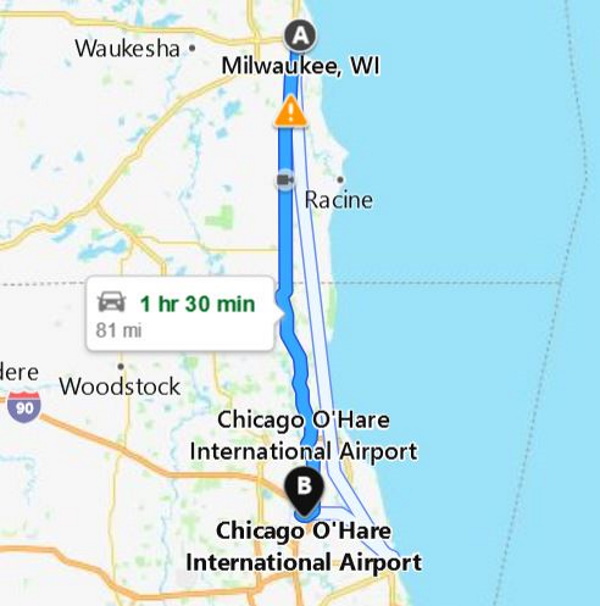
The approximate distance between downtown Milwaukee, Wisconsin, and downtown Chicago, Illinois, is typically around 90 to 100 miles (145 to 160 kilometers) by road. This relatively short distance makes the route incredibly accessible and popular, offering a multitude of transportation choices and opportunities to seamlessly transition between two distinct urban adventures. From the world-class museums and towering skyscrapers of the Windy City to the burgeoning arts scene and rich brewing heritage of Milwaukee, the journey between them is less about the miles and more about the diverse experiences waiting to be discovered.

The Proximity and Practicalities: Understanding the Distance
The close proximity of Milwaukee and Chicago is one of their greatest assets, making cross-city travel remarkably convenient. While the “as the crow flies” distance might be slightly less, travelers are primarily concerned with the practical distance and time it takes to navigate by road, rail, or air.
Direct Distance vs. Driving Distance
Geographically, the straight-line distance across Lake Michigan or over land is a bit shorter than the actual driving route. However, for most travelers, the road distance is the most relevant metric. The typical driving route spans approximately 90-100 miles, primarily along Interstate 94 (I-94). This makes for a manageable drive, often completed within 1.5 to 2 hours under ideal conditions. It’s important to remember that this duration can fluctuate significantly based on traffic, especially when entering or exiting the metropolitan areas of Chicago and Milwaukee during peak hours.
Driving the I-94 Corridor
Driving remains the most popular way to travel between Milwaukee and Chicago, offering flexibility and the ability to explore at your own pace. The journey largely follows Interstate 94, a well-maintained highway that connects the two urban centers. As you drive south from Milwaukee, you’ll pass through several smaller towns and rural stretches before the landscape gradually gives way to the bustling suburbs of Chicago.
Factors influencing travel time include:
- Traffic: Chicago’s extensive highway system can experience heavy congestion, particularly during weekday rush hours (6-9 AM and 3-6 PM). Weekend traffic can also be significant, especially during major events or holidays.
- Construction: Road construction is a common occurrence on busy interstates. Checking real-time traffic apps or local Department of Transportation websites before departure can help you anticipate and navigate potential delays.
- Time of Day/Week: Traveling during off-peak hours, such as late morning, early afternoon, or late at night, generally results in a quicker and less stressful journey.
- Weather Conditions: Wisconsin and Illinois can experience severe weather, including heavy snow in winter and thunderstorms in summer, which can impact driving conditions and significantly extend travel times.
Along the I-94 corridor, travelers will find numerous gas stations, rest stops, and dining options, making it easy to take breaks as needed. While the drive itself isn’t particularly scenic for long stretches, the convenience it offers is unparalleled for those with their own vehicle or a rental.
Alternative Transportation: Trains, Buses, and Flights
For those who prefer not to drive, or who wish to avoid potential traffic, several excellent public transportation options connect Milwaukee and Chicago.
-
Trains: The Amtrak Hiawatha Service
The Amtrak Hiawatha Service is arguably the most popular and efficient alternative to driving. This express train service offers multiple daily departures, connecting Milwaukee Intermodal Station with Chicago Union Station in approximately 90 minutes. It’s a comfortable and convenient option, offering amenities like Wi-Fi, power outlets, and a cafe car. The stations are centrally located in both cities, providing easy access to public transit or ride-sharing services for onward journeys. Booking tickets in advance, especially during peak travel times, is highly recommended through the Amtrak website. -
Bus Services
Several bus companies, including Greyhound and Megabus, operate daily routes between Milwaukee and Chicago. Bus travel is typically the most budget-friendly option, with fares often significantly lower than train or car rentals. The travel time by bus usually ranges from 2 to 3 hours, depending on the route, stops, and traffic conditions. While less luxurious than train travel, modern buses offer comfortable seating and often include Wi-Fi. -
Flights
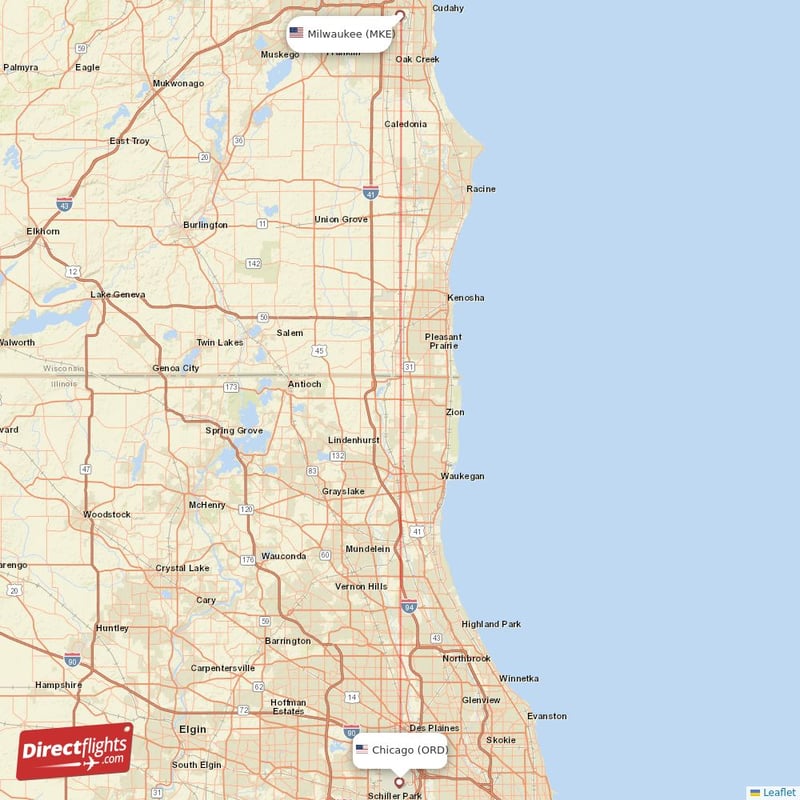
While both cities have major airports—General Mitchell International Airport (MKE) in Milwaukee and O’Hare International Airport (ORD) and Midway International Airport (MDW) in Chicago—flying between them is generally not a practical choice for this short distance. The time spent traveling to and from airports, going through security, and boarding often far outweighs the actual flight time, making it less efficient and usually more expensive than driving or taking the train. Flights might only be considered for travelers with connecting flights through one of Chicago’s hubs.
Making the Most of Your Journey: Beyond Just the Miles
The journey between Milwaukee and Chicago is more than just covering miles; it’s an opportunity for exploration, discovery, and seamless transitions between diverse urban experiences. This corridor serves as a vital artery for both leisure and business travel, underscoring the deep connection between the two cities.
Why Travel Between Milwaukee and Chicago?
The reasons for traversing this short distance are as varied as the travelers themselves:
- Business Travel: Both cities are significant economic hubs. Chicago boasts a massive financial district and numerous corporate headquarters, while Milwaukee is known for its manufacturing, healthcare, and water technology sectors. Regular commutes for meetings, conferences, or specialized services are common.
- Leisure & Weekend Getaways: The distinct cultural offerings of each city make them ideal destinations for weekend trips. Chicago offers world-class museums, theatre, and dining, while Milwaukee provides a more laid-back vibe with its craft breweries, lakefront festivals, and historic charm.
- Events & Entertainment: From major sports events (like a Milwaukee Brewers game at American Family Field or a Chicago Cubs game at Wrigley Field) to international music festivals (such as Summerfest in Milwaukee) and Broadway productions, both cities host a continuous calendar of attractions that draw visitors from across the region.
- Cultural Exchange: Many residents maintain ties across both cities, visiting family, attending university events, or simply enjoying the complementary cultural landscapes. The accessibility fosters a rich exchange of ideas, arts, and traditions.
Planning Your Ideal Trip: Budget to Luxury
The journey between Milwaukee and Chicago can be tailored to virtually any budget and lifestyle, from the most economical traveler to those seeking opulent experiences.
- Budget Travel: For those on a tight budget, bus travel offers the lowest fares. Opting for hostels or budget hotels, utilizing free attractions (like Chicago’s Millennium Park or Milwaukee’s lakefront trails), and dining at local eateries or food trucks can significantly cut costs. Consider packing your own snacks and drinks for the journey.
- Mid-Range Exploration: Mid-range travelers might choose train travel for comfort and convenience. Accommodation options include well-regarded chain hotels or boutique hotels offering good value. This budget allows for a mix of paid attractions, a few nice meals, and perhaps a guided tour or two.
- Luxury Travel: For a premium experience, consider hiring a private car service for the door-to-door journey, or opting for First Class on Amtrak if available for this route. In Chicago, luxury accommodations like The Peninsula Chicago or Langham Chicago offer unparalleled service and amenities. In Milwaukee, properties such as Saint Kate – The Arts Hotel or The Iron Horse Hotel provide unique, high-end stays. Indulge in fine dining, spa treatments, and exclusive experiences to elevate your trip. Regardless of your budget, thoughtful planning and comparison of options (booking platforms, direct hotel websites, tour operators) will ensure you get the best value and experience for your journey.
Unveiling the Charms of Each City: Destinations and Experiences
The true allure of the Milwaukee-Chicago corridor lies in the distinct character and attractions each city offers, creating a complementary travel experience that appeals to a wide range of interests.
Exploring Chicago: The Windy City’s Grandeur
Chicago, often dubbed the “Windy City,” is a global metropolis renowned for its groundbreaking architecture, vibrant arts scene, and culinary innovation. Its downtown skyline is immediately recognizable, featuring some of the tallest buildings in the United States.
- Iconic Landmarks: No visit to Chicago is complete without exploring Millennium Park, home to the famous Cloud Gate sculpture (affectionately known as “The Bean“). Adjacent to this is the world-renowned Art Institute of Chicago, housing an encyclopedic collection spanning centuries. Further south, the Museum Campus offers a cluster of wonders: the Field Museum (natural history), the Shedd Aquarium (aquatic life), and the Adler Planetarium (astronomy), all boasting stunning views of the city skyline and Lake Michigan.
- Architectural Marvels: Chicago’s architectural heritage is a cornerstone of its identity. Consider taking an architectural river cruise or visiting the top of the Willis Tower (formerly Sears Tower) for panoramic views from the Skydeck. The historic district showcases masterpieces from luminaries like Frank Lloyd Wright.
- Shopping & Entertainment: The Magnificent Mile on Michigan Avenue is a premier shopping destination, featuring high-end boutiques and department stores. For family fun, Navy Pier offers rides, restaurants, and boat tours. The city’s theatre district rivals Broadway, and its legendary blues and jazz clubs keep the nights alive.
- Culinary Delights: Chicago is a food lover’s paradise, famous for its deep-dish pizza, hot dogs, and a Michelin-starred fine dining scene that caters to every palate.
When planning your accommodation in Chicago, options range from luxurious suites at hotels like the Hyatt Regency Chicago or The Langham Chicago, to trendy boutique hotels in neighborhoods like River North, and budget-friendly hotels scattered across the city. Booking in advance is always recommended, especially during peak tourist seasons.
Discovering Milwaukee: A Hidden Gem on Lake Michigan
Just north, Milwaukee offers a charming contrast to Chicago’s grandeur. Known as “Brew City,” it boasts a rich history, a vibrant local culture, and a welcoming atmosphere, often surprising visitors with its impressive array of attractions.
- Arts and Culture: The Milwaukee Art Museum, with its iconic winged Quadracci Pavilion designed by Santiago Calatrava, is a masterpiece in itself and houses a significant collection of art. The Historic Third Ward, a revitalized warehouse district, is now home to art galleries, boutiques, and trendy restaurants, reflecting Milwaukee’s burgeoning creative scene.
- Brewing Heritage & Innovation: Milwaukee’s identity is deeply intertwined with beer. Visitors can explore historic breweries like MillerCoors (now Molson Coors Beverage Company) or delve into the craft beer scene with tours and tastings at numerous microbreweries. The Pabst Mansion, the former home of beer baron Captain Frederick Pabst, offers a glimpse into the city’s opulent past.
- Unique Attractions: The Harley-Davidson Museum is a must-visit for motorcycle enthusiasts and history buffs alike, showcasing the evolution of an American icon. American Family Field (formerly Miller Park), home to the Milwaukee Brewers, provides a classic American baseball experience.
- Food Scene: Beyond cheese curds and bratwurst, Milwaukee’s culinary scene has blossomed, offering everything from farm-to-table restaurants to diverse ethnic eateries.
For accommodation in Milwaukee, options include unique boutique hotels like Saint Kate – The Arts Hotel or The Iron Horse Hotel, which cater to different lifestyles. Standard hotel chains and apartment-style suites are also readily available, often at more competitive prices than in Chicago.
Accommodation & Lifestyle: Where to Stay and How to Experience It
Choosing the right accommodation is pivotal to any travel experience, and the Milwaukee-Chicago corridor offers a rich tapestry of options to suit every preference, purpose, and pocket. Understanding the diverse hotel landscape and how to tailor your stay will enhance your overall journey.
Navigating Hotel Options in Both Cities
Both Milwaukee and Chicago boast an extensive range of lodging, from ultra-luxury resorts and boutique hotels to family-friendly suites and budget-conscious options.
- Luxury Hotels: In Chicago, establishments like The Langham Chicago, The Peninsula Chicago, and the Waldorf Astoria Chicago offer opulent amenities, Michelin-starred dining, and impeccable service, often located on or near the Magnificent Mile. Milwaukee counters with boutique luxury at places like Saint Kate – The Arts Hotel or The Iron Horse Hotel, known for their unique character and high-end finishes.
- Boutique and Lifestyle Hotels: These properties emphasize unique design, local character, and personalized service. Examples include the Godfrey Hotel Chicago or Hotel Zachary near Wrigley Field in Chicago, and the Kimpton Journeyman Hotel in Milwaukee’s Historic Third Ward.
- Chain Hotels and Extended Stays: Major hotel brands (e.g., Marriott, Hilton, Hyatt) have a strong presence in both cities, offering reliable quality, loyalty programs, and a range of price points. Extended stay suites with kitchenettes are ideal for longer visits or family trips.
- Budget-Friendly Options: Travelers seeking affordability can find numerous hotels outside the immediate downtown areas, or opt for well-regarded hostel accommodations, particularly in Chicago.
When booking your stay, always read reviews, compare prices across different platforms, and check for special packages or discounts. Consider the importance of location (proximity to attractions, public transport, or business districts) and the amenities that are crucial for your travel style (e.g., gym, pool, free breakfast, pet-friendly policies).
Tailoring Your Stay: From Business Trips to Family Vacations
The choice of accommodation and how you approach your trip can be significantly influenced by your travel lifestyle and the purpose of your visit.
- Business Stays: For business travelers, convenience and efficiency are key. Hotels with robust Wi-Fi, business centers, meeting facilities, and easy access to transportation hubs or convention centers like McCormick Place in Chicago are paramount. Many corporate travelers prefer hotels within walking distance of their engagements or those offering reliable shuttle services.
- Family Trips: Families often prioritize space, kid-friendly amenities, and proximity to attractions. Hotels with suites or connecting rooms, pools, and perhaps even complimentary breakfast can make a significant difference. Attractions like Lincoln Park Zoo in Chicago (free admission!) or the Milwaukee County Zoo offer engaging experiences for children.
- Luxury Travel Experiences: Those indulging in luxury travel might seek out hotels known for their concierge services, fine dining restaurants, spas, and exclusive lounges. Beyond the hotel, this lifestyle often includes private tours, high-end shopping on the Magnificent Mile, and tickets to premium cultural events.
- Budget-Conscious Exploration: For travelers focused on budget travel, leveraging public transportation, seeking out free activities, and opting for self-catering accommodations like apartments or extended-stay hotels can save money. Exploring local markets for food and taking advantage of happy hour specials are smart strategies.
Ultimately, both Milwaukee and Chicago provide a wealth of options to craft a journey that perfectly aligns with your expectations, whether you’re seeking cultural immersion, thrilling entertainment, crucial business connections, or a relaxing urban escape.
The question of “how far from Milwaukee to Chicago?” has a simple answer in miles, but a much richer one in terms of the travel possibilities it unlocks. At just 90-100 miles apart, these two Midwest gems are incredibly accessible, connected by efficient highway and rail networks. Whether you choose the flexibility of driving, the comfort of the Amtrak Hiawatha Service, or the economy of bus travel, the journey itself is a quick and straightforward affair.
Beyond the practicalities of travel, the short distance between them allows for a dynamic exploration of contrasting urban landscapes. From the architectural grandeur and cultural institutions of Chicago to the historic charm, vibrant arts, and renowned brewing scene of Milwaukee, each city offers unique attractions and experiences. Planning your journey, selecting the right accommodation to match your lifestyle (be it luxury, family-focused, or budget-friendly), and diving into the local culture will transform a simple trip into a memorable adventure. So, pack your bags, choose your mode of transport, and get ready to discover the captivating allure of the Milwaukee-Chicago corridor.
LifeOutOfTheBox is a participant in the Amazon Services LLC Associates Program, an affiliate advertising program designed to provide a means for sites to earn advertising fees by advertising and linking to Amazon.com. Amazon, the Amazon logo, AmazonSupply, and the AmazonSupply logo are trademarks of Amazon.com, Inc. or its affiliates. As an Amazon Associate we earn affiliate commissions from qualifying purchases.