
St. Petersburg, Florida, often affectionately known as the “Sunshine City,” has blossomed into one of the United States’ most captivating travel destinations. Boasting pristine beaches, a thriving arts scene, an array of culinary delights, and a vibrant downtown, it draws millions of visitors annually. From luxury travel experiences to budget-friendly family trips, St. Petersburg offers something for every kind of explorer. However, as with any popular urban area, a common question for prospective visitors is: “Is St. Petersburg, Florida safe?” The good news is that for the vast majority of tourists and residents, St. Pete is a safe and welcoming city, particularly in its most frequented areas. This comprehensive guide will delve into the nuances of safety in St. Petersburg, providing essential insights and practical tips for a worry-free and enjoyable visit, incorporating considerations for accommodation, tourism, and local lifestyle experiences.
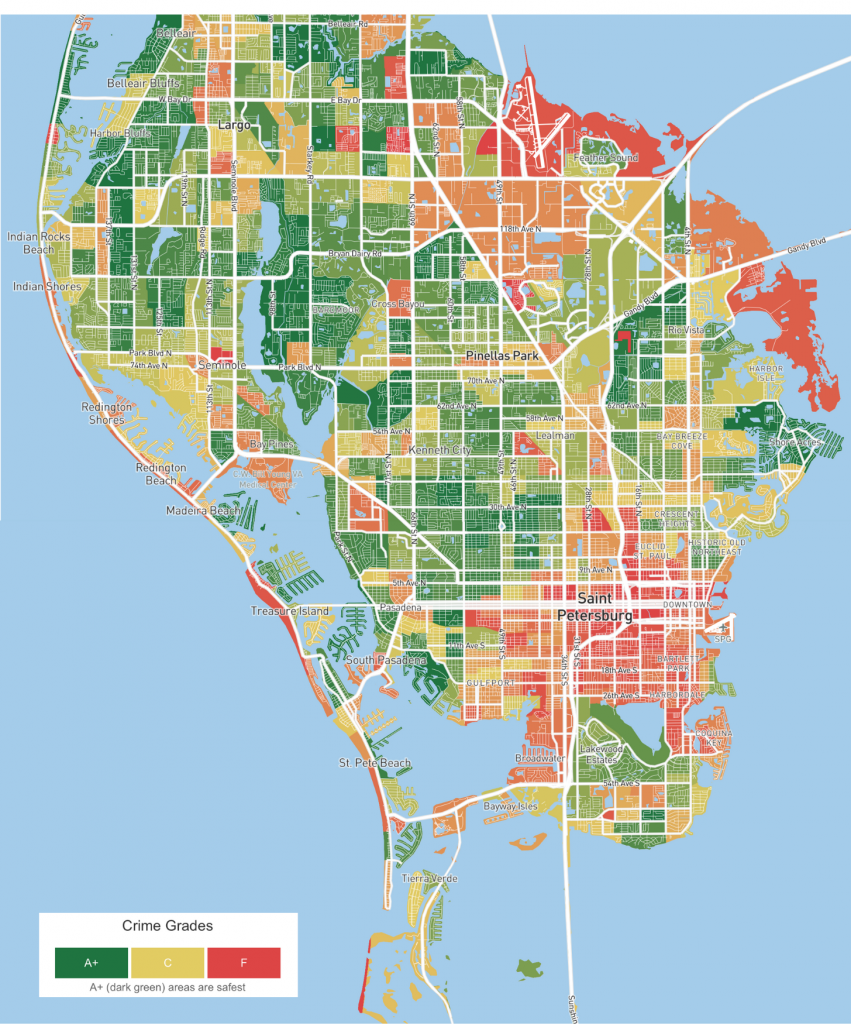
Understanding Safety in the Sunshine City
When planning a trip, understanding the local safety landscape is paramount. St. Petersburg presents itself as a generally secure city, but like any urban center, it benefits from common-sense precautions.
Navigating Crime Statistics and Reality
Official crime statistics for St. Petersburg generally reflect a downward trend in violent crime over recent years, aligning with national averages. While property crimes, such as petty theft or car break-ins, can occur, especially in crowded tourist areas or if valuables are left unsecured, violent crime against tourists is rare. It’s important to distinguish between overall city crime rates, which can be influenced by specific neighborhoods, and the actual risk level in areas frequented by visitors. The areas where most tourists spend their time—the downtown core, beach communities, and major attractions—are typically well-patrolled and experience lower crime rates. The St. Petersburg Police Department is highly visible and proactive, contributing to a sense of security in key visitor zones. The key takeaway is that while no city is entirely crime-free, the probability of experiencing a serious incident in St. Petersburg’s popular spots is relatively low. Being aware and taking basic preventative measures are your best defense.
Identifying St. Pete’s Safest Neighborhoods and Tourist Hubs
St. Petersburg is composed of diverse neighborhoods, and understanding which ones are considered safe havens for tourists is crucial. The most popular and consistently safe areas include:
- Downtown St. Pete: This bustling hub is the heart of the city’s tourism and entertainment. Home to numerous restaurants, shops, museums, and the iconic St. Pete Pier, Downtown St. Pete is exceptionally pedestrian-friendly and well-lit, with a noticeable police presence. It’s a fantastic area for strolling day or night, enjoying local culture, and accessing major landmarks like The Dalí Museum and Vinoy Park.
- The Beach Communities: Areas such as St. Pete Beach, Treasure Island, Madeira Beach, and Indian Rocks Beach are renowned for their stunning white sands and relaxed atmosphere. These barrier islands are largely residential and tourist-oriented, with low crime rates, making them ideal for family vacations and serene getaways.
- Gulfport: A charming, quirky artistic village located just southwest of St. Petersburg, Gulfport offers a laid-back vibe, unique boutiques, and waterfront dining. It’s known for its friendly community and safe environment.
- Pasadena and South St. Petersburg areas near the beaches: These residential areas offer convenient access to the beaches and are generally safe, especially around major roadways and shopping centers.
These areas are generally very safe for tourists. However, venturing into less affluent or residential areas outside these zones, especially at night, might present a slightly elevated, though still low, risk.
Common Traveler Concerns and How to Address Them
While St. Petersburg is safe, travelers should be mindful of specific concerns to ensure a smooth trip:
- Petty Theft: The most common issue in any tourist hotspot. Always keep an eye on your belongings, especially in crowded areas like the St. Pete Pier, beach access points, or during festivals in Vinoy Park. Avoid leaving valuables visible in your car. Use hotel safes for passports and extra cash.
- Scams: While not rampant, be wary of overly friendly strangers offering unsolicited help or too-good-to-be-true deals. Always book activities and tours through reputable providers or your hotel.
- Driving and Pedestrian Safety: Florida drivers can sometimes be aggressive. Pay attention to traffic, use crosswalks, and avoid distracted walking. When driving, lock your doors and do not leave valuables exposed.
- Natural Hazards: Florida’s beautiful weather comes with occasional afternoon thunderstorms, especially during summer. Heed weather warnings, especially concerning lightning. While rare, hurricane season (June 1 – November 30) requires awareness of local advisories. Always practice sun safety: use sunscreen, stay hydrated, and seek shade. Be mindful of marine life at the beaches, though dangerous encounters are infrequent.
Practical Safety Tips for an Unforgettable St. Petersburg Journey
A little preparation goes a long way in ensuring your travel experiences are safe and enjoyable. These practical tips cover everything from choosing the right accommodation to navigating the city and enjoying its natural beauty.
Smart Accommodation Choices for Peace of Mind
Your choice of accommodation significantly impacts your perceived and actual safety. When booking hotels, resorts, or vacation rentals (like those found on Airbnb or VRBO), consider the following:
- Location, Location, Location: Prioritize staying in the well-regarded neighborhoods mentioned earlier, such as Downtown St. Pete or the beach communities. A central or tourist-friendly location means less travel through unfamiliar areas, especially at night.
- Read Reviews: Utilize accommodation reviews on platforms like TripAdvisor or Google Maps. Pay close attention to comments about safety, the neighborhood, noise levels, and the responsiveness of staff.
- Security Features: Look for hotels that offer 24/7 front desk service, secure key-card access to rooms and common areas, well-lit parking lots, and in-room safes for valuables. If opting for vacation rentals, ensure the host has good reviews regarding safety and responsiveness, and that the property has secure locks. Many modern suites and villas in St. Pete offer excellent amenities that enhance security.
- Long-term Stays: For those considering long-term stays, researching neighborhood crime maps and local community forums can provide deeper insights.
Navigating St. Pete: Safe Transportation and Exploration

Getting around St. Petersburg safely is straightforward with a few considerations:
- Walking: Downtown St. Pete is highly walkable, especially along Central Avenue and near the waterfront. Stick to well-lit, populated areas, especially after dark. Walking in groups is always safer.
- Public Transportation: The SunRunner Bus Rapid Transit (BRT) offers a convenient and safe way to travel between Downtown St. Pete and St. Pete Beach. Local buses also serve various parts of the city. Familiarize yourself with routes and schedules in advance.
- Ride-Sharing and Taxis: Services like Uber and Lyft are readily available. Always confirm your driver’s identity and vehicle details before getting in. Taxis are also an option, particularly from hotels or designated stands.
- Driving: If you rent a car, ensure it’s locked when unattended, and never leave valuables in plain sight. Park in well-lit, designated parking areas. Be mindful of pedestrians, especially in busy downtown and beach zones.
- Cycling: St. Petersburg has numerous bike lanes and trails. Always wear a helmet, use lights at night, and secure your bike when parked.
Enjoying the Beaches and Waterways Responsibly
St. Petersburg’s magnificent beaches and waterways are prime attractions. Enjoy them safely:
- Rip Currents: Always be aware of rip current warnings. Look for colored flags on the beach (green for low hazard, yellow for medium, red for high). Swim near lifeguard stations whenever possible. If caught in a rip current, swim parallel to the shore until you are out of the current, then swim to shore.
- Sun Protection: Florida’s sun is intense. Use high-SPF sunscreen, wear hats and sunglasses, and seek shade during peak hours (10 AM – 4 PM). Stay hydrated by drinking plenty of water.
- Boating and Water Sports: When participating in activities like paddleboarding, kayaking, or boating, use reputable rental companies. Always wear a life vest, know how to operate your equipment, and be aware of weather conditions.
- Marine Life: While rare, be mindful of marine creatures. Shuffle your feet when entering the water to avoid stepping on stingrays. Be aware of jellyfish, especially after storms. Alligators are not typically found in open saltwater beaches but can inhabit freshwater lakes and canals further inland; always observe from a distance and never feed them.
Experiencing St. Petersburg’s Vibrant Lifestyle Securely
St. Petersburg’s unique blend of urban sophistication and coastal charm offers a diverse range of experiences. Enjoying them safely enhances the overall tourism journey.
Daytime Adventures: Art, Culture, and Green Spaces
During the day, St. Petersburg’s landmarks and cultural institutions are bustling and safe.
- Museums and Galleries: Visiting world-class institutions like The Dalí Museum, the Chihuly Collection, and the Museum of Fine Arts is an enriching and secure experience. These venues are typically well-managed with visible security.
- Parks and Nature Preserves: Vinoy Park, Boyd Hill Nature Preserve, and Fort De Soto Park offer stunning natural beauty and outdoor activities. Stick to marked trails, be aware of your surroundings, and avoid going off-path, especially alone. During events or festivals, parks are typically well-staffed, but standard precautions against petty theft apply.
- Shopping and Food Exploration: The diverse boutiques along Central Avenue and the bustling St. Pete Pier are vibrant spaces for shopping and food discovery. These areas are popular and generally safe, but maintain awareness of your belongings in crowded spots.
St. Pete After Dark: Dining, Entertainment, and Nightlife
St. Petersburg comes alive at night with an impressive array of dining options, live music venues, and rooftop bars.
- Downtown St. Pete: This area is particularly vibrant after sunset. Restaurants, bars, and clubs are concentrated here, drawing large crowds. The area is well-lit and usually has a visible police presence, making it safe for evening strolls and entertainment.
- Central Avenue: Known for its unique eateries and nightlife, Central Avenue offers a lively atmosphere. As with any nightlife district, practice responsible drinking, travel in groups if possible, and always keep an eye on your drink.
- Transportation at Night: When heading out at night, plan your transportation in advance. Use reputable ride-sharing services or taxis, and avoid walking alone in poorly lit or unfamiliar areas.
- Safe Dining: Enjoy St. Petersburg’s renowned food scene with confidence. Most establishments adhere to high safety and hygiene standards.
Tailoring Safety for Diverse Travel Lifestyles
St. Petersburg caters to various lifestyle preferences, and safety can be adapted accordingly.
- Family Trips: St. Pete is incredibly family-friendly. Choose family-friendly resorts with kids’ clubs and secure premises. Always keep children close, especially in crowded areas like the St. Pete Pier or beaches. Discuss safety rules with older children, like not talking to strangers and having a meeting point.
- Solo Travelers: Both male and female solo travelers can enjoy St. Petersburg safely. Inform someone of your itinerary, stay connected, and trust your instincts. Choose accommodations with good reviews for solo visitors. The city’s walkable downtown and public transportation options make solo exploration manageable.
- Budget Travelers: Safety doesn’t have to be expensive. Utilizing public transport, staying in reputable hostels, and taking advantage of free attractions (like the beaches or Vinoy Park) can still be done safely. Focus on common-sense precautions.
- Luxury Travelers: Luxury hotels and resorts in St. Petersburg typically offer enhanced security amenities and services, providing an extra layer of peace of mind.

Final Verdict: Traveling St. Petersburg with Confidence
In conclusion, “Is St. Petersburg, Florida safe?” can be confidently answered with a resounding yes, provided travelers exercise typical urban awareness and common sense. This vibrant Florida gem offers an inviting and generally secure environment for visitors to explore its stunning beaches, dynamic arts scene, and exquisite cuisine. By understanding the city’s safer neighborhoods, being mindful of common traveler concerns, and implementing practical safety tips for accommodation, transportation, and activities, you can ensure a remarkably safe and rewarding trip.
St. Petersburg consistently ranks high as a desirable place to live and visit, a testament to its welcoming atmosphere and general safety. Prepare wisely, remain aware of your surroundings, and embrace the diverse travel experiences that await you. From planning your itinerary with our detailed guides to choosing the perfect hotel for your lifestyle, St. Petersburg, Florida is ready to offer you an unforgettable journey, full of sunshine and peace of mind.
LifeOutOfTheBox is a participant in the Amazon Services LLC Associates Program, an affiliate advertising program designed to provide a means for sites to earn advertising fees by advertising and linking to Amazon.com. Amazon, the Amazon logo, AmazonSupply, and the AmazonSupply logo are trademarks of Amazon.com, Inc. or its affiliates. As an Amazon Associate we earn affiliate commissions from qualifying purchases.