
Embarking on a journey from the heartland of the United States to the tropical paradise of Hawaii is an exciting prospect, but the significant distance naturally raises questions about the flight duration. Understanding the nuances of this transcontinental flight is crucial for effective planning, whether you’re seeking a relaxing beach vacation, an adventurous exploration of volcanic landscapes, or a much-needed escape from the Midwest’s winter chill. This article delves into the typical flight times, the factors that influence them, and what you can expect during your journey.
Understanding the Flight Duration
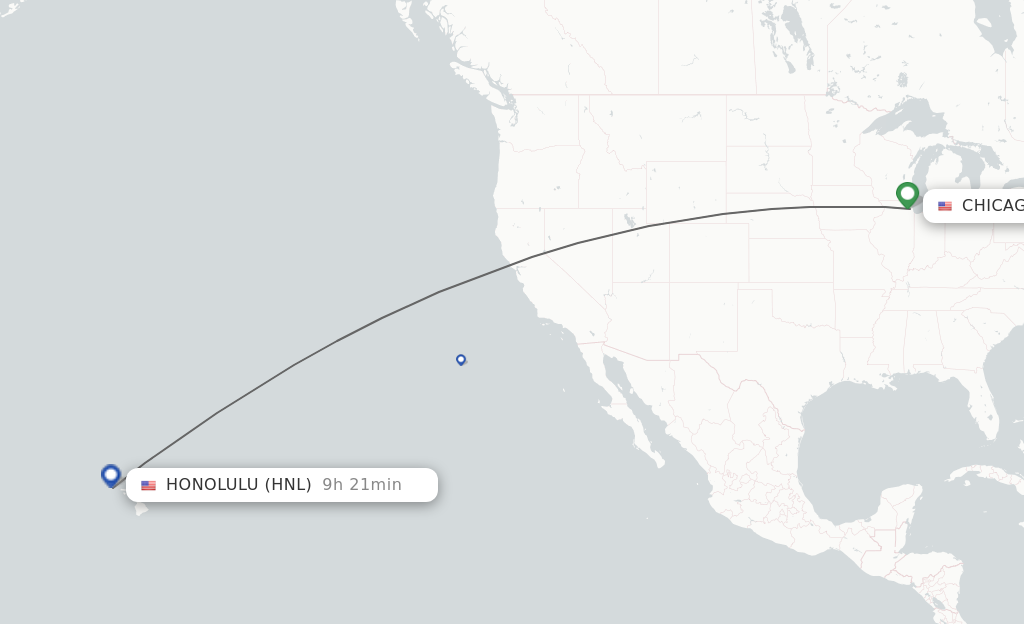
The flight from Chicago to Hawaii is a substantial undertaking, spanning thousands of miles across the continental United States and the Pacific Ocean. Unlike short-haul flights, this route demands a significant time commitment, making it one of the longer domestic journeys available.
Direct vs. Connecting Flights
The most significant determinant of your flight time will be whether you opt for a direct flight or one with layovers.
Direct Flights
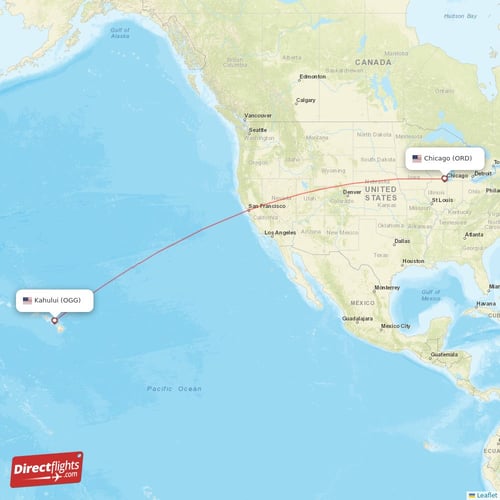
Direct flights offer the most convenient and time-efficient option. Airlines operating this route primarily serve major Hawaiian airports like Honolulu International Airport (HNL) on Oahu, Kahului Airport (OGG) on Maui, Kona International Airport (KOA) on the Island of Hawaii, and Lihue Airport (LIH) on Kauai.
- Typical Duration: A direct flight from Chicago O’Hare International Airport (ORD) to Honolulu typically ranges from 8.5 to 10 hours. This can vary slightly depending on the specific aircraft, wind conditions, and the precise flight path. Flights to other Hawaiian islands will generally fall within a similar timeframe, sometimes stretching a bit longer if the aircraft needs to route via Oahu before continuing to another island, though dedicated direct flights to other islands are also common.
Connecting Flights
Connecting flights, while often less expensive, inevitably add significant time to your travel. The layover duration and location will dictate the overall travel time. Common connection points include major hubs on the West Coast, such as Los Angeles (LAX), San Francisco (SFO), or Seattle (SEA).
- Typical Duration: With one or more layovers, the total travel time can easily extend to 12 to 16 hours or even more. This includes the flight segments themselves and the time spent waiting in the connecting airport. For example, a flight with a 2-hour layover in Denver followed by a 5-hour flight to Honolulu would result in a total travel time of around 7 hours of flight plus the 2-hour layover, totaling 9 hours, but this is a simplified example. In reality, connection times can be much longer, and the flight segments themselves are shorter than a direct flight.
Time Zone Differences
It’s also essential to factor in the time zone difference. Hawaii observes Hawaii Standard Time (HST), which is 5 hours behind Central Standard Time (CST) or Central Daylight Time (CDT) when Chicago is observing it. This means that while your flight might take 9 hours, you will arrive in Hawaii much earlier in the day than if you were staying in Chicago. For example, a 10 AM departure from Chicago on a 9-hour flight would arrive in Hawaii around 1 PM HST on the same calendar day, despite the significant elapsed travel time.
Factors Influencing Flight Time
Several variables can influence the exact duration of your flight from Chicago to Hawaii. Understanding these factors can help manage expectations and prepare for your journey.
Wind Patterns and Jet Stream
- Tailwinds and Headwinds: The prevailing wind patterns, particularly the jet stream, play a significant role in flight times. Flying westward across the United States and the Pacific often involves navigating headwinds, which can increase flight duration. Conversely, tailwinds can shorten the flight. These conditions can fluctuate daily, making precise flight time predictions challenging until closer to the departure date.
- Seasonal Variations: While less pronounced than daily fluctuations, seasonal shifts in wind patterns can also contribute to minor variations in average flight times throughout the year.
Aircraft Type and Speed
- Technological Advancements: Modern commercial aircraft are designed for efficiency and speed. Different aircraft models have varying cruising speeds, which can impact the overall flight duration. For instance, a Boeing 777 might fly slightly faster than an Airbus A330, all other factors being equal.
- Fuel Efficiency: Airlines often optimize flight paths and speeds for fuel efficiency, which can sometimes lead to slightly longer flight times if it means a more direct or less turbulent route.
Air Traffic Control and Routing
- Airspace Congestion: The busy airspace over the United States and its approaches to Hawaii can sometimes lead to minor delays or slight deviations from the most direct route due to air traffic control.
- Weather Diversions: While uncommon on this long route, severe weather systems en route or at the destination could necessitate minor rerouting, adding to the flight time.
Airport Operations
- Taxiing Times: The time spent taxiing on the runway at both departure and arrival airports can add to the total travel time. Busy airports like Chicago O’Hare can experience longer taxi times.
- Gate Delays: While not part of the flight time itself, gate delays can contribute to overall travel disruption.
Preparing for Your Long-Haul Flight
A flight of this length requires some preparation to ensure comfort and a pleasant experience.
In-Flight Comfort and Entertainment
- Seat Selection: Given the duration, selecting a comfortable seat is paramount. Consider aisle seats for ease of movement, window seats for views, or seats in quieter sections of the cabin. Many airlines offer premium economy or business class options with enhanced seating for those seeking greater comfort.
- Entertainment Systems: Most long-haul flights are equipped with in-flight entertainment systems offering a variety of movies, TV shows, music, and games. It’s wise to also bring your own entertainment, such as downloaded content on your tablet or a good book, as a backup.
- Connectivity: Wi-Fi is often available for purchase on these flights, allowing you to stay connected, though it can be expensive.
Staying Healthy and Hydrated
- Hydration: The dry cabin air can lead to dehydration. Drink plenty of water before, during, and after your flight. Avoid excessive alcohol and caffeine, which can exacerbate dehydration.
- Movement: To prevent stiffness and reduce the risk of deep vein thrombosis (DVT), get up and walk around the cabin periodically. Perform in-flight exercises, such as ankle rotations and calf raises, while seated.
- Comfort Items: Pack a neck pillow, eye mask, and earplugs to help you rest and sleep better. Comfortable, loose-fitting clothing is also recommended.
Navigating Time Differences
- Adjusting Your Sleep Schedule: Before you depart Chicago, try to gradually adjust your sleep schedule to align with Hawaii time. This can help mitigate the effects of jet lag upon arrival.
- Post-Arrival Strategy: Upon arrival in Hawaii, expose yourself to natural sunlight, stay active, and avoid long naps during the day to help your body adjust to the new time zone.
The Chicago to Hawaii Journey: A Comprehensive Look
The flight from Chicago to Hawaii is more than just a means of transportation; it’s the gateway to an entirely different world. Whether you are flying into Honolulu on Oahu, the bustling capital city, or seeking the laid-back charm of Maui, the adventurous spirit of the Island of Hawaii, or the lush beauty of Kauai, the journey itself is a significant part of the travel experience.
Departure from Chicago O’Hare
Chicago O’Hare International Airport (ORD) is a major global hub, and flights to Hawaii are a significant part of its long-haul offerings. Passengers departing from ORD will experience the usual airport procedures, including check-in, security, and boarding for their international-caliber domestic flight. The sheer scale of O’Hare means giving yourself ample time for transit within the airport. Airlines like United Airlines and American Airlines are major carriers operating out of Chicago and often offer direct routes to Hawaii.
- Pre-Flight Planning: Booking your flights well in advance is highly recommended, especially if you are looking for direct routes or specific travel dates. Consider the time of day you wish to depart; an overnight flight can allow you to sleep through a significant portion of the journey and arrive in Hawaii in the morning, ready to start your vacation.
The Transpacific Flight Experience
Once airborne, the flight over the United States offers views of diverse landscapes, from the plains to the Rocky Mountains. As you approach the West Coast, the vast expanse of the Pacific Ocean opens up, a constant reminder of the distance you are covering.
- In-Flight Services: Airlines typically provide meals and beverages on such long flights. Understanding the meal service schedule can help you plan your eating and sleeping times. Many modern aircraft have charging ports for electronic devices, which are a lifesaver on these extended journeys.
- Cabin Atmosphere: The cabin environment is designed for comfort during long flights. However, it’s always advisable to bring personal items that enhance your comfort, such as a travel blanket or a favorite pillow.
Arrival in Paradise
The moment your aircraft begins its descent towards Hawaii, the anticipation builds. The first glimpse of the islands from the air—emerald peaks rising from the azure ocean—is an unforgettable sight.
- Maui (OGG): Known for its stunning beaches, the Road to Hana, and the majestic Haleakala volcano, Maui offers a quintessential Hawaiian experience.
- Island of Hawaii (KOA/ITO): This island, also known as the Big Island, is a land of dramatic contrasts, from active volcanoes at Hawaii Volcanoes National Park to black sand beaches and lush rainforests.
- Kauai (LIH): The “Garden Isle” is renowned for its dramatic cliffs of the Na Pali Coast, lush rainforests, and waterfalls.
- Oahu (HNL): Home to Honolulu, Waikiki Beach, and Pearl Harbor, Oahu blends city life with natural beauty and historical significance.
The transition from the continental United States to Hawaii is not just geographical but also cultural. The spirit of Aloha that pervades the islands is palpable from the moment you arrive.
Maximizing Your Travel Time
While the flight duration is fixed, how you spend that time can significantly impact your overall travel experience.
Strategic Booking for Shorter Travel Times
- Direct Flights: As previously emphasized, direct flights are your best bet for minimizing travel time. Regularly check airline websites and flight aggregators for deals on non-stop routes from Chicago to your preferred Hawaiian island.
- Timing of Layovers: If a connecting flight is unavoidable, choose layovers strategically. Aim for layovers that are neither too short (risking missed connections) nor excessively long, which can lead to fatigue and add unnecessary hours to your journey. Mid-day layovers can sometimes be more comfortable than overnight ones.
Optimizing Your In-Flight Experience
- Stay Active: Regularly stretching your legs and performing in-flight exercises can significantly improve comfort and reduce the feeling of stiffness associated with long periods of sitting.
- Mental Engagement: Beyond entertainment, use the time for reflection, planning your Hawaiian adventures, or simply enjoying the solitude of being disconnected. Some find it a perfect opportunity to catch up on reading or listen to podcasts related to Hawaiian culture and history.

Managing Jet Lag Effectively
- Pre-Trip Preparation: Begin adjusting your sleep schedule a few days before your flight. Gradually shift your bedtime and wake-up time closer to Hawaii Standard Time.
- Post-Arrival Acclimation: Upon landing, embrace the local time. Eat meals at appropriate times, and get outside into the natural light. Avoid the temptation to sleep for extended periods during the day.
By understanding the flight durations, the factors that influence them, and by proactively preparing for your journey, you can transform the long flight from Chicago to Hawaii into a seamless and comfortable prelude to the unforgettable experiences that await you in the Aloha State.
LifeOutOfTheBox is a participant in the Amazon Services LLC Associates Program, an affiliate advertising program designed to provide a means for sites to earn advertising fees by advertising and linking to Amazon.com. Amazon, the Amazon logo, AmazonSupply, and the AmazonSupply logo are trademarks of Amazon.com, Inc. or its affiliates. As an Amazon Associate we earn affiliate commissions from qualifying purchases.