
Navigating the intricacies of time zones is an often-overlooked yet fundamentally crucial aspect of travel planning. For globetrotters and business travelers alike, understanding local time can significantly impact everything from flight connections and hotel check-ins to scheduling vital meetings and enjoying local attractions without a hitch. As you set your sights on the vibrant metropolis of Detroit, a city brimming with history, innovation, and a palpable sense of revival, a common question might arise: “What time zone is Detroit in?” The straightforward answer is: Yes, Detroit, Michigan, is firmly situated within the Eastern Time Zone (ET).

This seemingly simple piece of information holds a wealth of implications for anyone looking to explore the Motor City. From planning your arrival and departure to meticulously organizing your itinerary and managing potential jet lag, Detroit’s position in the Eastern Time Zone shapes the rhythm of your entire visit. This comprehensive guide will delve into the nuances of ET in Detroit, offering essential insights into how it affects your travel, accommodation, tourism experiences, and overall lifestyle considerations, ensuring you make the most of every precious moment in this dynamic destination.
Understanding Detroit’s Time Zone: Eastern Time (ET)
To truly appreciate the practicalities of visiting Detroit, it’s important to grasp the fundamentals of the Eastern Time Zone itself. This knowledge forms the bedrock of all successful travel planning, allowing you to synchronize your internal clock with the city’s pulse.
The Basics of Eastern Time
The Eastern Time Zone is one of the most populous time zones in the United States and Canada, encompassing a vast stretch of the eastern seaboard and inland regions. Like many other time zones, it observes both a standard time and a daylight saving time.
- Eastern Standard Time (EST): This is the time observed during the colder months, typically from early November to mid-March. During this period, Eastern Standard Time is five hours behind Coordinated Universal Time (UTC-5).
- Eastern Daylight Time (EDT): When Daylight Saving Time comes into effect, usually starting on the second Sunday in March and ending on the first Sunday in November, the clocks in the Eastern Time Zone spring forward by one hour. This means Eastern Daylight Time is four hours behind Coordinated Universal Time (UTC-4).
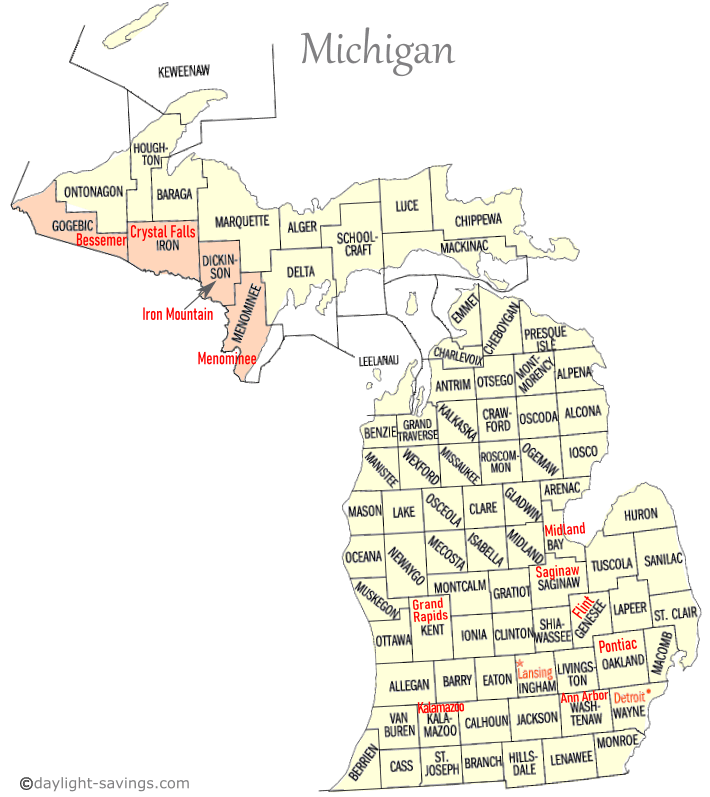
Almost the entirety of Michigan adheres to the Eastern Time Zone, with only a small western portion of the Upper Peninsula (specifically Gogebic, Iron, Dickinson, and Menominee counties) observing the Central Time Zone. Rest assured, when you land in Detroit, your watch (or phone) should be set to ET.
Why Time Zones Matter for Travelers
While seemingly a minor detail, the time zone difference can have a ripple effect on various aspects of your journey:
- Flights and Connections: Perhaps the most immediate impact is on your flight schedule. All flight times – departures, arrivals, and layovers – are quoted in local time. If you’re traveling from a different time zone, failing to account for the shift can lead to missed connections or unexpected delays. Always confirm the local time at each leg of your journey.
- Jet Lag: For travelers coming from the west, particularly from the Pacific Time Zone or even the Mountain Time Zone, the time difference can induce jet lag. Understanding the extent of this shift (three hours from Pacific Time Zone, two from Mountain Time Zone) allows you to prepare and mitigate its effects.
- Scheduling Activities: Whether it’s a reservation at a top restaurant, a guided tour of the Motown Museum, or tickets to a concert at the Fox Theatre, all events and attractions in Detroit operate on Eastern Time. Miscalculating this can lead to missed experiences or inconvenient adjustments on the fly.
- Business Travel: For those visiting Detroit on business, adhering to local time is paramount for meetings, conferences, and effective communication with local partners. It also impacts coordinating with your home office, especially if they are in a different time zone.
Planning Your Detroit Trip Around the Clock
With Detroit’s Eastern Time Zone firmly established, let’s explore how this knowledge can be leveraged to craft a seamless and enriching travel experience. From booking your stay to immersing yourself in the city’s vibrant culture, time-zone awareness is your silent travel partner.
Seamless Travel and Accommodation Bookings
Your journey to Detroit begins long before you arrive, with the critical steps of booking flights and accommodation.
- Flight Bookings: When reserving your flights, pay close attention to the time zone specified for each leg. Many online booking platforms clearly indicate local times, but a quick double-check can prevent stress. If you have layovers, confirm the local time in the connecting city. An early morning flight from a Central Time Zone city might feel like a mid-morning departure from your home, but upon arrival in Detroit, it could be much later than you expect.
- Hotel Check-in/Check-out: Standard check-in times for most hotels, resorts, and apartments in Detroit are typically between 3:00 PM and 4:00 PM ET, with check-out usually around 11:00 AM or 12:00 PM ET. If your flight arrives early, consider contacting your accommodation beforehand to inquire about early check-in options, which might be available for a fee or based on availability. Similarly, if your flight departs late, a late check-out could be a worthwhile investment to avoid lugging your bags around the city.
- Accommodation Variety: Detroit offers a diverse range of accommodation options to suit every preference and budget. Luxury travelers might opt for the sophisticated comforts of the MGM Grand Detroit or the iconic Detroit Marriott at the Renaissance Center, offering stunning views of the Detroit River and nearby Canada. For those seeking a more boutique experience, areas like Corktown feature charming hotels and guesthouses. Budget travelers can find value in various mid-range hotels or even consider booking short-term apartment rentals. For long-term stays, particularly for business travelers or those on extended visits, maintaining a consistent schedule in ET is crucial for productivity and daily routines.
Maximizing Your Detroit Experience: Attractions and Activities
Detroit’s calendar of events and the operating hours of its myriad attractions are all synchronized with the Eastern Time Zone. Planning your days with this in mind will ensure you don’t miss out on any of the city’s unique offerings.
- Morning Explorations: For early risers, Detroit offers a serene start to the day. The renowned Detroit Institute of Arts often opens its doors by 10:00 AM ET, allowing ample time to explore its vast collection, including Diego Rivera’s famous “Detroit Industry Murals.” Alternatively, a short drive to Dearborn can lead you to the Henry Ford Museum and Greenfield Village, which typically open around 9:30 AM ET, offering a deep dive into American innovation and history.
- Afternoon Immersion: Afternoons are perfect for delving into Detroit’s rich cultural tapestry. The Motown Museum, housed in the legendary “Hitsville U.S.A.” building, transports visitors back to the golden era of Motown music. Most museum tours conclude by late afternoon, so planning an early afternoon visit is ideal. Nearby, the Detroit Historical Museum offers further insights into the city’s complex past. For a more relaxed experience, a leisurely stroll along the revitalized Detroit Riverwalk provides stunning views and opportunities for people-watching, often bustling until sunset.
- Evening Entertainment: Detroit truly comes alive in the evenings, with a diverse range of dining and entertainment options. Restaurants in Midtown, Downtown Detroit, and Corktown generally begin dinner service around 5:00 PM or 6:00 PM ET. Sports enthusiasts can catch a Detroit Tigers baseball game at Comerica Park or a Detroit Red Wings hockey game or Detroit Pistons basketball game at Little Caesars Arena, with games typically starting in the early evening. For live music, theater, or comedy, venues like the Fox Theatre and Detroit Opera House have performances that often kick off between 7:00 PM and 8:00 PM ET. Always remember to check the specific operating hours and showtimes, as they are invariably listed in local ET.
Culinary Adventures and Local Culture
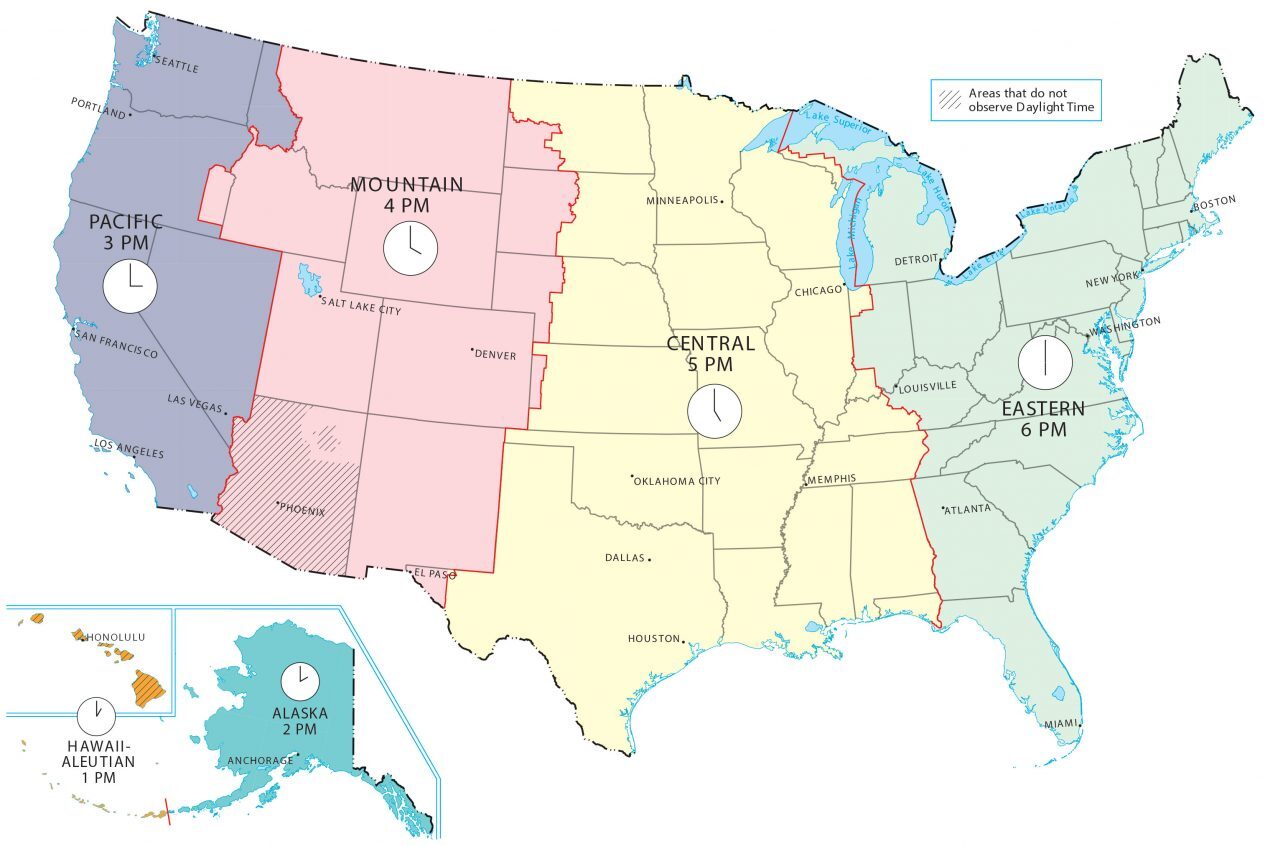
Detroit’s dynamic food scene and rich cultural events are integral to the travel experience, and all revolve around the local time.
- Dining Times: Restaurant service adheres strictly to ET. Brunch spots fill up quickly on weekend mornings, typically from 10:00 AM to 2:00 PM ET. Lunch hours usually run from 11:30 AM to 2:00 PM ET, and dinner service often extends into the late evening. Embrace the local rhythm by making reservations for popular spots, especially on weekends. Don’t miss out on Detroit’s iconic Coney dogs, a staple for any meal, or explore the incredible Middle Eastern cuisine found in Dearborn.
- Local Events and Festivals: Throughout the year, Detroit hosts numerous festivals, concerts, and community events, from the Movement Electronic Music Festival to the Detroit Jazz Festival. All published schedules for these events will be in local Eastern Time Zone. Checking these times in advance ensures you can fully participate in Detroit’s vibrant cultural life.
Navigating Lifestyle and Practicalities in Eastern Time
Beyond scheduled activities, the Eastern Time Zone has broader implications for your personal comfort, communication, and overall enjoyment of Detroit’s lifestyle.
Jet Lag Management for Western Travelers
For those journeying from time zones further west, particularly the Central Time Zone or Pacific Time Zone, adapting to Detroit’s ET can sometimes be a challenge.
- Tips for Adjustment:
- Gradual Shift: A few days before your trip, try to shift your sleep schedule by 30-60 minutes each day towards Eastern Time Zone.
- Hydration: Stay well-hydrated before, during, and after your flight to combat fatigue.
- Sunlight Exposure: Upon arrival, expose yourself to natural light, especially in the mornings, to help reset your circadian rhythm.
- Strategic Naps: If you must nap, keep it short (20-30 minutes) and early in the day.
- Avoid Caffeine/Alcohol Before Bed: While tempting, these can disrupt your sleep cycle further.
- Internal Clock Impact: Understanding that your internal clock will be two or three hours behind Detroit’s local time upon arrival allows you to consciously adjust your activities. You might feel hungry later than usual, or get tired earlier in the evening. Be patient with your body as it adapts.
Business and Communication
For business travelers, time zone awareness moves from a convenience to a necessity.
- Scheduling Meetings: When arranging calls or meetings, explicitly state the time zone (e.g., “10:00 AM ET”) to avoid any ambiguity, especially if participants are scattered across different time zones.
- Connecting with Home Office/Family: Keep the time difference in mind when scheduling calls or updates with colleagues or family members back home. A “good morning” call for you in Detroit might be a late night for someone on the West Coast.
- Productivity Tips: Business travelers often find that arriving a day early can help with time zone adjustment, allowing them to be fully refreshed and productive for their engagements. Utilize tools that display multiple time zones to keep track of schedules effortlessly.
Enjoying Detroit’s Unique Vibe
The Eastern Time Zone also influences the overall rhythm and flow of daily life in Detroit.
- City Rhythm: Experience the city’s pulse: the morning rush hour typically from 7:00 AM to 9:00 AM ET, the bustling lunch breaks around noon, and the evening commute and entertainment scene kicking off after 5:00 PM ET. By observing these patterns, you can better plan your movements and avoid peak times if desired.
- Vibrant Comeback Story: Detroit is a city in the midst of a remarkable renaissance, with new businesses, cultural institutions, and residential developments continually emerging. Embracing its local time means immersing yourself fully in this captivating transformation, from its historic roots in the automotive industry to its flourishing arts and culinary scenes.
Beyond the Clock: Why Visit Detroit?
While understanding Detroit’s time zone is paramount for practical planning, it’s just one facet of what makes this city a compelling destination. Detroit offers a profound and uniquely American travel experience that goes far beyond the tick-tock of the clock.
A City of Innovation and Resilience: Detroit is often hailed as the birthplace of the modern automotive industry, a legacy brilliantly preserved and celebrated at the Henry Ford Museum. It is also the undeniable home of Motown music, a genre that revolutionized the sound of a generation, with its spiritual heart beating at the Motown Museum. These historical anchors are complemented by a forward-looking spirit of entrepreneurship and community revitalization that is palpable throughout its neighborhoods.
Rich Cultural Landscape: Art and architecture thrive in Detroit. The Detroit Institute of Arts boasts one of the nation’s premier art collections, while architectural gems like the magnificent Guardian Building and the opulent Fox Theatre stand as testaments to the city’s golden age and enduring beauty. Public art, vibrant murals, and a thriving live music scene further enrich the cultural tapestry.
Green Spaces and Waterfront Beauty: Despite its industrial past, Detroit offers beautiful natural escapes. Belle Isle Park, a stunning 982-acre island park designed by Frederick Law Olmsted, features an aquarium, conservatory, and unparalleled views of the Detroit skyline and the Canadian shore. The continuous development of the Detroit Riverwalk provides miles of scenic pathways for walking, biking, and enjoying the waterfront.
Culinary Exploration: Detroit’s food scene is as diverse as its population. From classic Detroit-style pizza and the omnipresent Coney dog to a burgeoning fine dining scene and a rich array of ethnic cuisines, particularly its renowned Middle Eastern fare in Dearborn, there’s something to satisfy every palate.
Conclusion
To recap, the answer to our initial question is a resounding yes: Detroit, Michigan, proudly operates within the Eastern Time Zone, observing both Eastern Standard Time and Eastern Daylight Time throughout the year.
Understanding this fundamental piece of information is not just about knowing what time to set your watch to; it’s about unlocking a smoother, more enjoyable, and fully immersive travel experience. From booking flights and accommodations to managing jet lag, synchronizing with local attractions, and simply soaking in the city’s unique daily rhythm, your awareness of Detroit’s time zone is an indispensable tool. It allows you to plan with precision, engage with local culture effortlessly, and maximize every moment in this extraordinary American city. So, set your clocks, adjust your schedules, and prepare to discover the incredible history, vibrant present, and promising future of Detroit. Your unforgettable Motor City adventure awaits!
LifeOutOfTheBox is a participant in the Amazon Services LLC Associates Program, an affiliate advertising program designed to provide a means for sites to earn advertising fees by advertising and linking to Amazon.com. Amazon, the Amazon logo, AmazonSupply, and the AmazonSupply logo are trademarks of Amazon.com, Inc. or its affiliates. As an Amazon Associate we earn affiliate commissions from qualifying purchases.