
Welcome to Chicago, a city celebrated globally for its stunning architecture, vibrant arts scene, rich history, and mouth-watering culinary landscape. As you plan your visit to this magnificent metropolis in Illinois, a fundamental question might arise: “How many neighborhoods are there in Chicago?” The answer, as fascinating as the city itself, is a blend of official designations and the organic, ever-evolving cultural landscape recognized by locals. Understanding Chicago’s neighborhood structure is key to unlocking an authentic travel experience, allowing you to tailor your journey from luxurious stays to budget-friendly adventures, exploring everything from iconic landmarks to hidden local gems.

Understanding Chicago’s Neighborhood Map: More Than Just a Number
Chicago’s identity is deeply rooted in its distinct communities, each boasting its own character, history, and charm. For travelers, this diversity offers an unparalleled opportunity to delve into various facets of urban life, ensuring every visit can be uniquely tailored. But how exactly are these areas defined, and how many are there?
The Official Count: 77 Community Areas
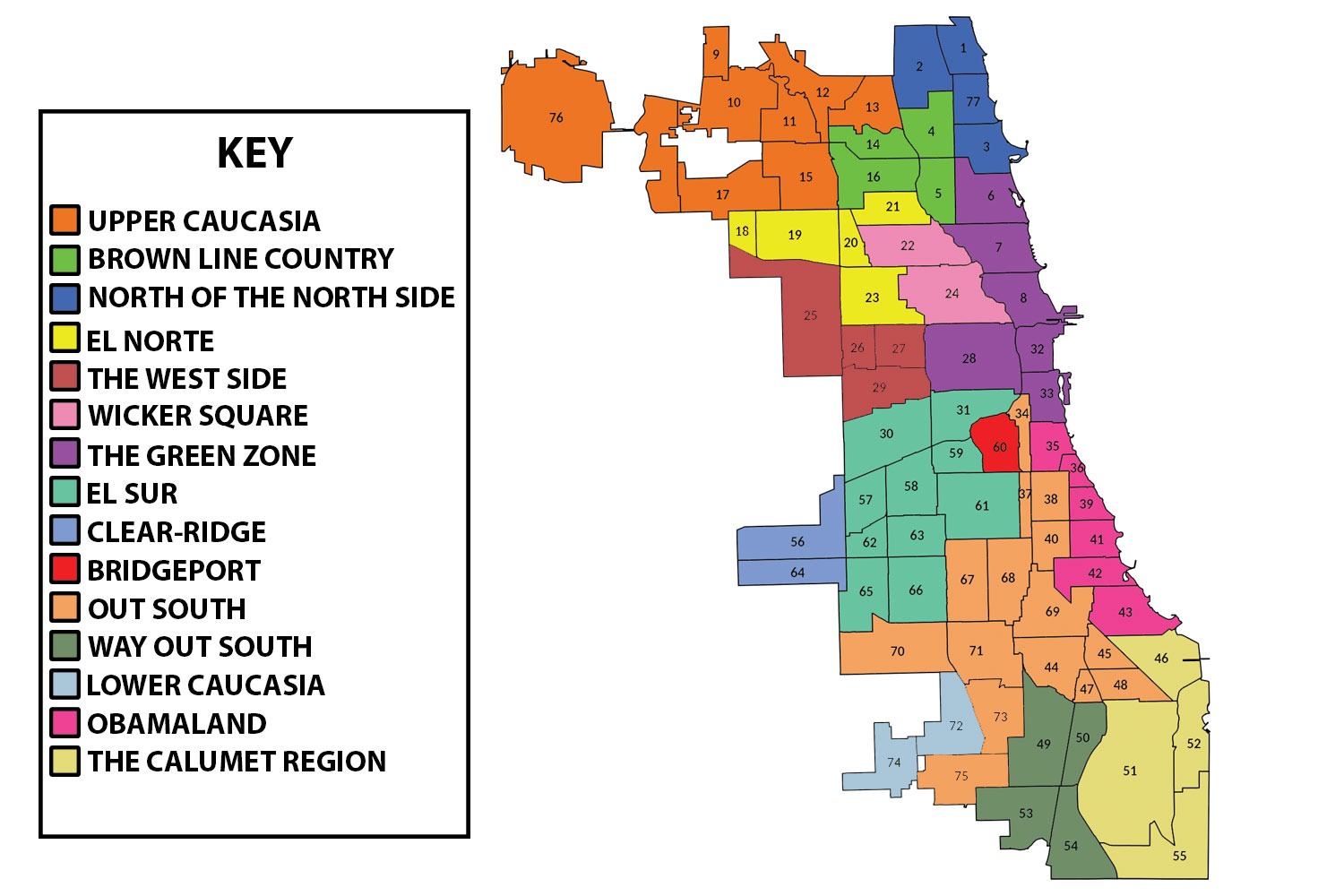
Officially, the City of Chicago is divided into 77 community areas. These administrative divisions were established in the 1920s by sociologists at the University of Chicago to better understand the city’s demographic and social patterns. Each community area serves as a unique geographic and statistical unit, encompassing several smaller, more commonly recognized neighborhoods within its boundaries. These 77 areas provide a foundational structure for civic planning and data analysis, and for visitors, they offer a macro-level understanding of the city’s layout. Knowing these can help in navigation and in appreciating the sheer scale of urban planning and historical development that shaped one of America’s greatest cities. When you look at a city map provided by the local tourism board or a comprehensive guide, these 77 areas often form the backbone of the geographical descriptions.
The Local Perspective: Hundreds of Distinct Neighborhoods
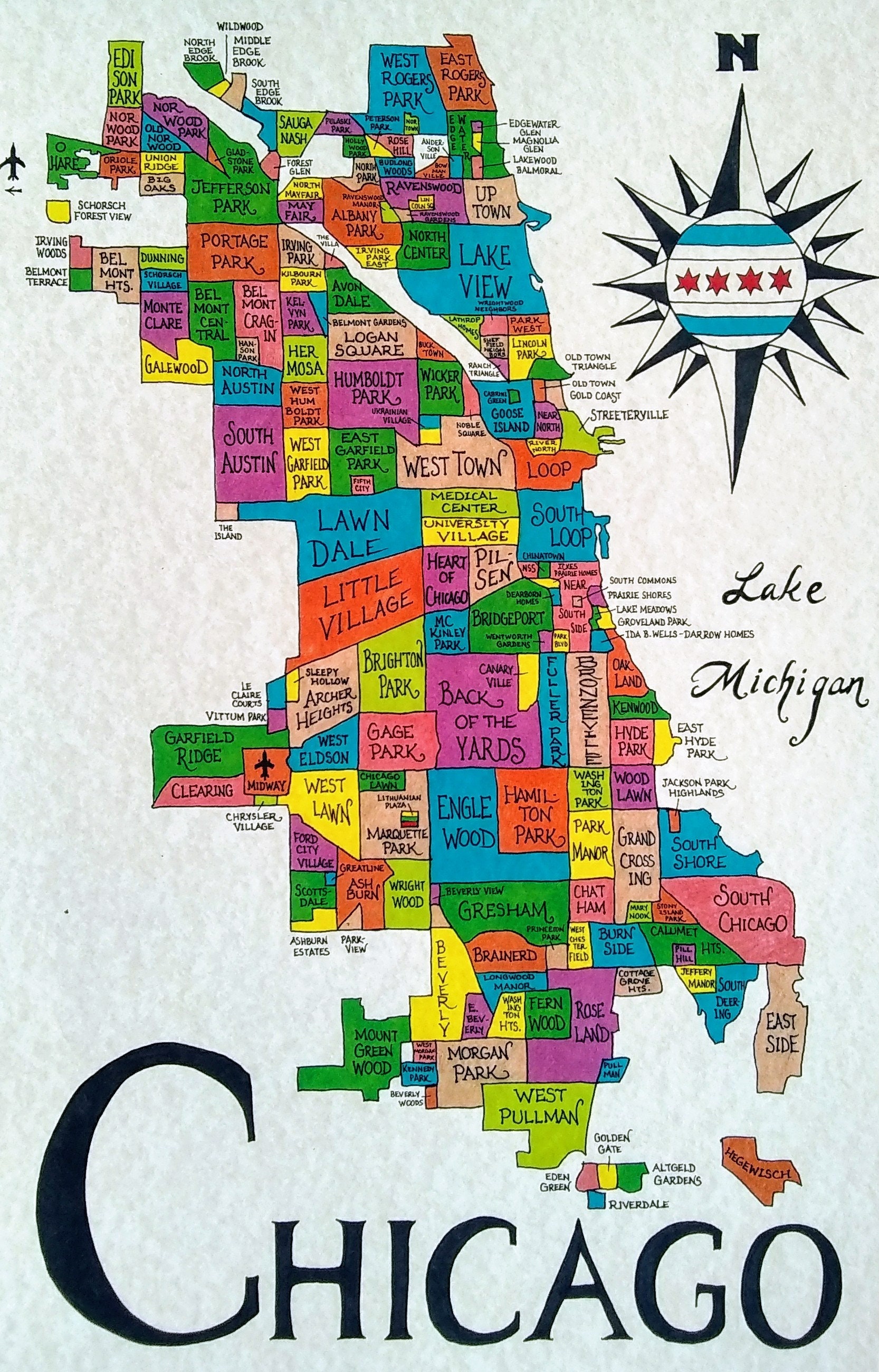
While the 77 community areas offer an official framework, the reality on the ground is much more vibrant and granular. Ask any Chicagoan, and they’ll tell you the city is home to hundreds of distinct neighborhoods. These are the places that hold local identity, fostered by unique histories, cultural concentrations, architectural styles, and community spirit. From bustling commercial districts to quiet residential enclaves, each offers a different flavor of the Chicago experience. These smaller, informally recognized neighborhoods are where the true heart and soul of the city reside. It’s in these areas that you’ll find the best local eateries, quirky boutiques, historic landmarks, and the specific vibe that defines a particular pocket of the city. For those seeking authentic local culture and unique experiences beyond the major tourist attractions, exploring these countless individual neighborhoods is an absolute must. Whether you’re seeking luxury travel experiences or navigating Chicago on a budget, each neighborhood promises a different adventure, shaping your journey through its unique blend of attractions, dining, and accommodation options.
Iconic Chicago Neighborhoods: A Deep Dive for Travelers
To truly experience Chicago, it’s essential to venture beyond the downtown core and immerse yourself in the character of its most iconic neighborhoods. Each offers a unique narrative, attracting different types of travelers and providing distinct experiences.
The Vibrant Energy of Downtown & The Loop
The beating heart of Chicago lies in its downtown area, prominently featuring The Loop. This central business district is an absolute must-visit for any traveler, serving as a hub for major attractions, world-class hotels, and stunning architecture. Here, you’ll find architectural marvels like the Willis Tower, where the Skydeck offers breathtaking panoramic views, and the equally impressive John Hancock Center (now 875 North Michigan Avenue) with its thrilling 360 Chicago observation deck.
Landmarks and Attractions: Millennium Park is home to the iconic “Bean” sculpture, officially known as Cloud Gate, alongside the interactive Crown Fountain and the Jay Pritzker Pavilion, which hosts free concerts. Just south, Grant Park extends its green embrace, leading to the renowned Museum Campus, where you can explore the Field Museum, Shedd Aquarium, and Adler Planetarium. The Art Institute of Chicago, one of the oldest and largest art museums in the United States, is also located here, offering an unparalleled collection for art enthusiasts. Don’t miss a boat tour on the Chicago River from the Chicago Architecture Center to fully appreciate the city’s architectural grandeur.
Accommodation: The Loop and its surrounding areas like River North and Streeterville boast a plethora of hotels catering to every lifestyle. Luxury travelers will find exquisite options such as the LondonHouse Chicago, The Langham Chicago, or Virgin Hotels Chicago. For those on a moderate budget, boutique hotels like the Chicago Athletic Association Hotel or historic stays like The Palmer House Hilton offer comfort and charm. This area is ideal for business stays due to its proximity to McCormick Place and other corporate hubs, offering seamless travel experiences for professionals.
Cultural Riches in Lincoln Park and Old Town
North of downtown, you’ll discover the charming and affluent neighborhoods of Lincoln Park and Old Town. These areas are characterized by leafy streets, beautiful brownstones, and a more relaxed pace, offering a perfect blend of urban sophistication and natural beauty.
Attractions and Lifestyle: Lincoln Park is named after the sprawling urban park it encompasses, which includes the free-admission Lincoln Park Zoo, a conservatory, and numerous walking trails along Lake Michigan. It’s a fantastic spot for family trips, offering ample green space and recreational activities. Old Town, adjacent to Lincoln Park, is one of Chicago’s historic districts, renowned for its Victorian architecture and vibrant arts scene. It’s home to Second City, the legendary improvisational comedy theater that has launched the careers of countless comedic stars. The area also boasts a lively collection of independent boutiques, charming cafes, and a diverse culinary scene.
Accommodation: Options range from luxury hotels like Hotel Lincoln, which offers stunning park and city views, to charming bed and breakfasts that provide a more intimate and local experience. This area is perfect for travelers seeking a blend of cultural activities, outdoor relaxation, and an upscale, yet approachable, lifestyle.
Artistic Flair in Wicker Park and Bucktown
Further northwest, the sister neighborhoods of Wicker Park and Bucktown are synonymous with bohemian chic, independent culture, and a thriving arts scene. Once a haven for artists and musicians, these areas retain their creative spirit while evolving into trendy destinations.
Experiences and Culture: Wicker Park and Bucktown are characterized by their Victorian mansions, tree-lined streets, and bustling commercial strips along Milwaukee, North, and Damen Avenues. They are a paradise for shoppers looking for vintage finds, independent fashion boutiques, and unique home goods. The neighborhoods are also a hub for live music venues, art galleries, and a dynamic food scene, ranging from casual eateries to upscale dining. This area perfectly embodies a vibrant urban lifestyle, appealing to younger travelers and those who appreciate a hip, artistic atmosphere.
Accommodation: Here, you’ll find a mix of boutique hotels, such as The Hoxton Chicago or Ace Hotel Chicago, and numerous vacation rental apartments, ideal for a longer-term stay or for those seeking a more residential feel. These neighborhoods offer a glimpse into local Chicago life, providing opportunities to blend in with residents while still being close to major attractions via the efficient CTA train lines.
Historic Charm in Hyde Park
Located on the South Side, Hyde Park is a neighborhood steeped in intellectual and architectural history. Home to the prestigious University of Chicago, this area boasts grand academic buildings, historic homes, and significant cultural institutions.
Landmarks and Tourism: Hyde Park is where you’ll find the stunning Museum of Science and Industry, housed in the former Palace of Fine Arts from the 1893 World’s Columbian Exposition. The neighborhood is also significant as the former home of Barack Obama, and the future site of the Obama Presidential Center. Visitors can explore Frank Lloyd Wright’s masterpiece, the Robie House, and stroll through the beautiful Osaka Garden in Jackson Park. Hyde Park offers a quieter, more reflective travel experience, focusing on history, education, and verdant landscapes.
Accommodation: While fewer large hotels dot the landscape compared to downtown, there are charming guesthouses and boutique inns that offer a comfortable stay, along with numerous apartment rentals. It’s an excellent choice for those interested in academic tourism, history buffs, or families looking for a peaceful base from which to explore.
Gastronomic Delights in Fulton Market & West Loop
The transformation of Fulton Market and the West Loop from former meatpacking and industrial districts into a culinary mecca is one of Chicago’s most remarkable urban success stories. These adjacent neighborhoods are now the epicenter of Chicago’s dining scene.
Food and Activities: For foodies, these neighborhoods are non-negotiable. Michelin-starred restaurants, trendy gastropubs, innovative cocktail bars, and artisanal coffee shops line every street. It’s a place where you can embark on a culinary journey, from high-end dining experiences to casual, yet exquisite, meals. Beyond the food, the area also features stylish boutiques, art galleries, and a vibrant nightlife. This is where Chicago lives out its modern, upscale lifestyle, offering a sophisticated experience for luxury travelers and gourmet enthusiasts.
Accommodation: The West Loop and Fulton Market boast a collection of chic, contemporary hotels and extended-stay apartments. Properties like The Hoxton Chicago offer stylish accommodations that perfectly complement the neighborhood’s trendy vibe. These areas are also popular for business stays due to their proximity to downtown and excellent transport links.
Lakeside Serenity in Lincoln Square & Ravenswood
For a taste of quaint, European-inspired charm combined with authentic Chicago community life, head to Lincoln Square and Ravenswood. These adjacent neighborhoods offer a more laid-back atmosphere, perfect for travelers seeking local culture and a break from the urban hustle.
Lifestyle and Culture: Lincoln Square is known for its pedestrian-friendly main street, unique independent shops, and European-style plaza, which often hosts festivals and farmers’ markets. Ravenswood, with its beautiful industrial architecture transformed into breweries, distilleries, and art studios, offers a creative and artisanal edge. Both neighborhoods are known for their strong community feel, family-friendly amenities, and diverse culinary offerings, often featuring authentic ethnic restaurants. This area is ideal for those interested in experiencing local Chicago life beyond the main tourist circuit, providing a quieter, more residential lifestyle experience.
Accommodation: You’ll find fewer large hotel chains here, but a good selection of charming guesthouses, bed and breakfasts, and vacation rentals, perfect for longer stays. Exploring these areas can involve pleasant walks, discovering local parks, and enjoying the unhurried pace of authentic Chicago neighborhoods.
Planning Your Chicago Exploration: Accommodation and Lifestyle
Navigating Chicago’s numerous neighborhoods requires a thoughtful approach to planning, especially concerning accommodation and the type of lifestyle experience you seek.
Choosing Your Base: Hotels, Apartments, and Unique Stays
Your choice of accommodation can significantly impact your travel experience. Chicago offers an extensive range of options to suit every budget and preference.
- Luxury Travel: For an opulent experience, consider hotels along the Magnificent Mile or in the Gold Coast. Properties like the Four Seasons Hotel Chicago, Peninsula Chicago, or Park Hyatt Chicago offer impeccable service, gourmet dining, and lavish amenities. These locations provide easy access to high-end shopping, fine dining, and cultural landmarks, perfect for those seeking sophisticated travel experiences.
- Mid-Range and Boutique: Many neighborhoods, including River North, Wicker Park, and The Loop, feature stylish boutique hotels that blend local character with modern comforts. Hyatt Centric Chicago Magnificent Mile and Thompson Chicago are great examples, offering excellent value and often unique architectural or design elements.
- Budget Travel and Long-Term Stays: For cost-conscious travelers or those planning an extended visit, consider apartments or guesthouses in neighborhoods slightly outside the immediate downtown area, such as Pilsen, Logan Square, or Andersonville. These areas often have more affordable accommodation options and allow for a deeper immersion into local life. Booking platforms offer a wide array of apartments and villas, providing comfort and amenities for long-term stays.
- Family Trips: Neighborhoods like Lincoln Park offer family-friendly hotels and vacation rentals with easy access to parks, museums, and attractions like the Lincoln Park Zoo. The expansive green spaces and engaging activities make these areas ideal for travelers with children.
- Business Stays: Downtown and the West Loop are optimal for business travelers, providing excellent connectivity to corporate offices, convention centers like McCormick Place, and transportation hubs. Hotels here are well-equipped with business amenities, conference facilities, and convenient access to both Midway International Airport and O’Hare International Airport.
Experiencing Local Life: Food, Activities, and Hidden Gems
To truly appreciate Chicago, engage with its local culture and diverse offerings.
- Culinary Adventures: Beyond Fulton Market, explore ethnic enclaves like Chinatown for authentic Asian cuisine, Little Italy for classic Italian dishes, or Pilsen for vibrant Mexican fare. Don’t forget to try Chicago’s iconic deep-dish pizza and hot dogs!
- Nightlife and Entertainment: Wrigleyville comes alive on game days around Wrigley Field. For jazz and blues, explore historic venues like the Green Mill Cocktail Lounge in Uptown or Buddy Guy’s Legends in the South Loop. Rush Street in the Gold Coast offers upscale bars and clubs.
- Art and History: Venture into Bronzeville to explore its rich African-American history and vibrant murals, or visit the Pullman Historic District, America’s first planned industrial community. Discover public art installations hidden throughout neighborhoods like Logan Square and Humboldt Park.
Tailoring Your Trip: Luxury, Budget, Family, or Business Travel
Chicago’s vast array of neighborhoods allows for highly customized travel experiences. Whether your priority is indulging in luxury, sticking to a strict budget, ensuring family-friendly activities, or optimizing for business efficiency, there’s a part of Chicago perfectly suited to your needs. By researching the specific character, attractions, and accommodation options of each neighborhood, you can create a detailed itinerary that maximizes your enjoyment and minimizes stress. Utilize online travel guides, hotel reviews, and comparison sites to plan your journey meticulously, ensuring a seamless and memorable stay.
Navigating Chicago’s Urban Landscape
Getting around Chicago to explore its myriad neighborhoods is remarkably easy thanks to its efficient public transportation system. The CTA (Chicago Transit Authority) operates extensive ‘L’ train and bus routes that connect virtually all parts of the city, making it simple to hop from the cultural institutions of Hyde Park to the artistic streets of Wicker Park or the bustling core of The Loop. For longer distances, especially to the suburbs or specific regional attractions, the Metra commuter rail system provides an excellent alternative. Taxis, ride-sharing services, and even water taxis on the Chicago River offer additional convenient options, ensuring that no matter where you choose to stay, the entire city remains at your fingertips. From the initial booking of your accommodation to planning your daily activities, Chicago promises an accessible and enriching travel experience across its diverse community tapestry.
In conclusion, while officially recognized by 77 community areas, Chicago truly comes alive through its hundreds of distinctive neighborhoods. Each offers a unique window into the city’s soul, catering to different interests, budgets, and travel styles. By delving into the character of these diverse areas, you can craft a travel itinerary that transforms your visit from a simple trip into an immersive journey through one of America’s most captivating cities.
LifeOutOfTheBox is a participant in the Amazon Services LLC Associates Program, an affiliate advertising program designed to provide a means for sites to earn advertising fees by advertising and linking to Amazon.com. Amazon, the Amazon logo, AmazonSupply, and the AmazonSupply logo are trademarks of Amazon.com, Inc. or its affiliates. As an Amazon Associate we earn affiliate commissions from qualifying purchases.