
Hawaii, a paradise nestled in the heart of the Pacific, beckons travelers with its lush landscapes, pristine beaches, and vibrant culture. The decision of when to visit this archipelago can significantly impact your experience, influencing everything from weather patterns and crowd levels to the availability of activities and the cost of your trip. Understanding the nuances of Hawaii’s seasons is key to unlocking its full potential and ensuring your dream vacation becomes a reality. This guide delves into the optimal times to visit, helping you navigate the choices to find your perfect Hawaiian escape.
Understanding Hawaii’s Climate: A Tale of Two Seasons
Hawaii enjoys a tropical climate year-round, characterized by warm temperatures and consistent trade winds. However, the islands do experience a subtle shift between a drier, warmer season and a wetter, cooler season. Recognizing these distinctions is fundamental to planning a trip that aligns with your preferences for sunshine, activities, and overall comfort.
The Dry Season: Sunshine and Gentle Breezes (April to October)
The period from April through October generally represents Hawaii’s dry season. During these months, you can expect less rainfall and more consistent sunshine, particularly on the leeward (western) sides of the islands. Temperatures are warmer, typically ranging from the high 70s to mid-80s Fahrenheit (around 25-30 Celsius). The ocean is generally calmer, making it ideal for swimming, snorkeling, and other water sports. This season also boasts longer daylight hours, allowing for more exploration and outdoor adventures.
- Weather Highlights: Abundant sunshine, lower humidity, and minimal precipitation.
- Ocean Conditions: Typically calm and clear, perfect for water activities like snorkeling at Hanauma Bay or learning to surf on Waikiki Beach.
- Ideal for: Beach enthusiasts, families with children, and those seeking a quintessential sunny Hawaiian experience.
The Wet Season: Cooler Temperatures and Lush Landscapes (November to March)
From November to March, Hawaii enters its wet season. While this doesn’t mean constant downpours, it does bring a higher chance of rain, especially on the windward (eastern) sides of the islands. The temperatures are slightly cooler, typically in the high 60s to low 70s Fahrenheit (around 20-24 Celsius), and the humidity can be higher. The winter months also bring larger waves to the north shores of islands like Oahu, attracting professional surfers and spectators to iconic spots such as Banzai Pipeline. For those interested in whale watching, this is the prime season.
- Weather Highlights: Increased likelihood of rainfall, particularly in the mornings and evenings; cooler temperatures.
- Ocean Conditions: North shores experience significant wave action; south and west shores generally remain calmer. Prime time for humpback whale sightings.
- Ideal for: Surfing enthusiasts, whale watchers, and travelers who don’t mind occasional rain showers and prefer cooler weather.
Peak Seasons and Shoulder Seasons: Navigating Crowds and Costs
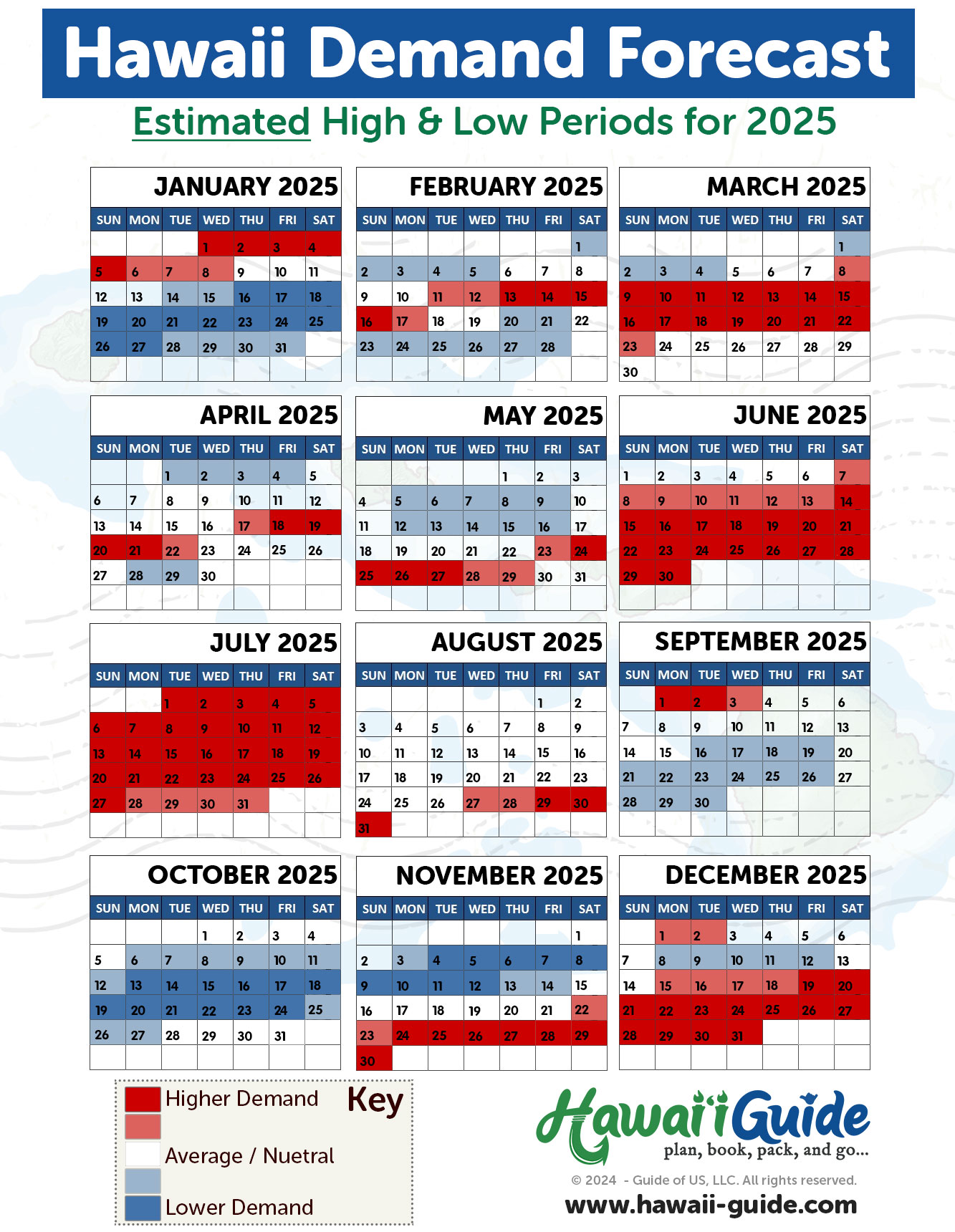
Beyond the general climate, understanding Hawaii’s peak and shoulder seasons is crucial for managing expectations regarding crowds and budget. These periods directly influence the availability of accommodations and flights, as well as the overall atmosphere on the islands.
Peak Travel Times: The Most Popular, and Often Most Expensive, Windows
Hawaii experiences its busiest periods during major holidays and school breaks. The weeks surrounding Christmas and New Year’s are exceptionally popular, as are the summer months of June, July, and August when families are on vacation. During these peak times, expect higher prices for flights and accommodations, as well as larger crowds at popular attractions and beaches. Booking well in advance is essential if you plan to visit during these periods.
- Holiday Peaks: Late December to early January, coinciding with Christmas and New Year’s celebrations.
- Summer Break: June, July, and August, driven by family vacations.
- Impact: Increased prices, higher demand, and more crowded destinations. Booking six months to a year in advance is highly recommended for flights and lodging.
Shoulder Seasons: The Sweet Spot for Value and Fewer Crowds
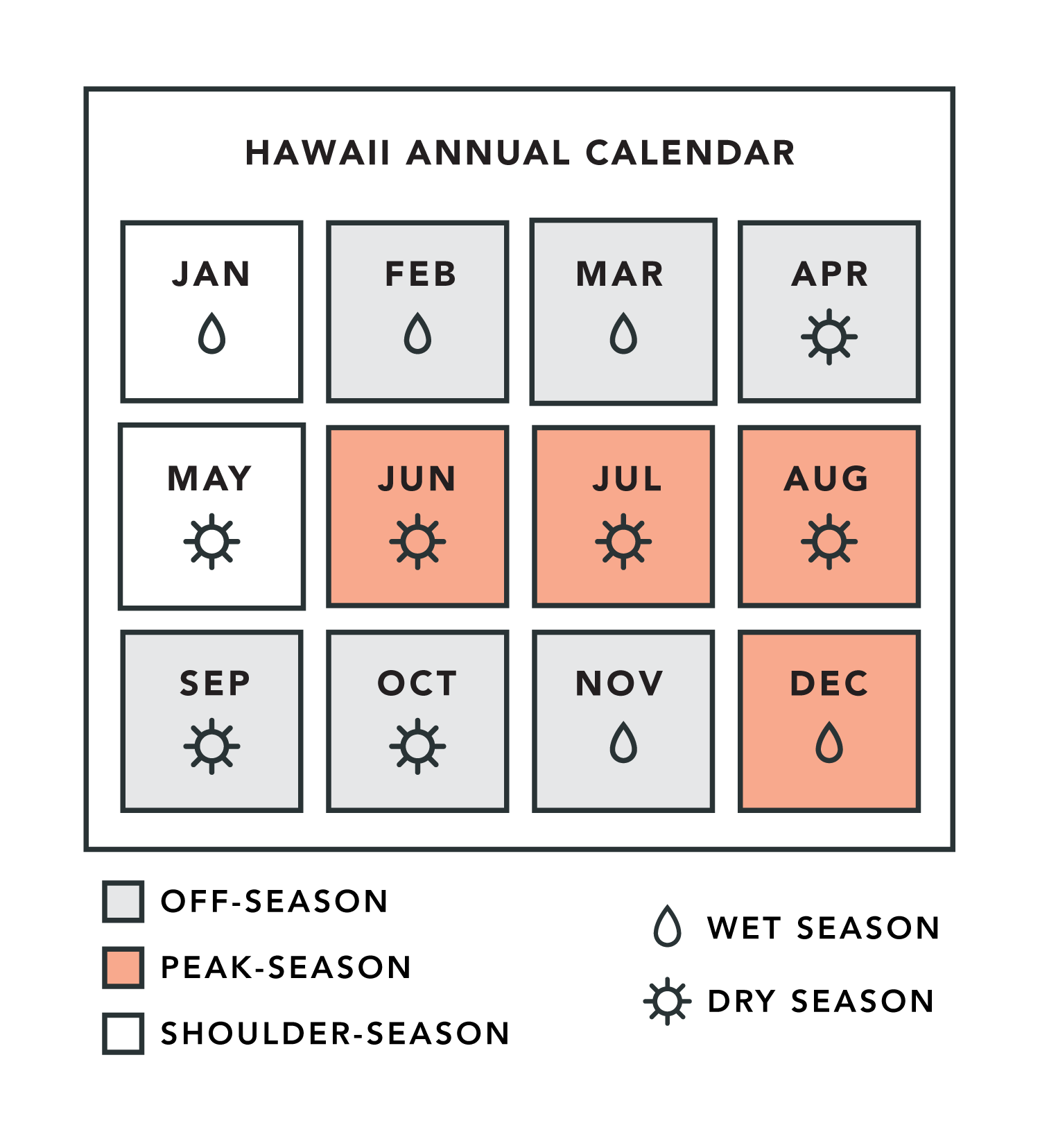
The shoulder seasons offer a compelling balance, providing excellent weather with fewer crowds and more favorable prices. These periods fall between the peak seasons, often presenting the best of Hawaii with a more relaxed ambiance.
- Spring Shoulder Season: April and May, following the winter rains and preceding the summer surge. The weather is consistently pleasant, and the islands are less crowded. This is an excellent time for hiking and enjoying outdoor activities.
- Fall Shoulder Season: September and October, after the summer crowds have dispersed and before the holiday rush begins. The weather remains warm and sunny, and you can often find better deals on accommodations and flights. This period is also ideal for experiencing local events and festivals that take place after the peak tourist season.
- Benefits: More affordable travel, less crowded attractions, and a more authentic local experience.
Island-Specific Considerations for the Savvy Traveler
While the general climate and seasonal patterns apply across Hawaii, each island possesses unique characteristics that can influence the “best” time to visit based on your interests. Understanding these island-specific nuances can further refine your travel plans.
Oahu: The Gathering Place
Oahu, known as “The Gathering Place,” offers a dynamic mix of urban excitement and natural beauty. The north shore of Oahu is world-renowned for its massive winter waves, making it a mecca for surfers from November to February. For those seeking calmer waters for swimming and snorkeling, the summer months (June to August) are ideal on the north shore. The south shore, home to Waikiki Beach, generally experiences calmer conditions year-round, but can still see larger swells during the winter.
- North Shore Surfing: Best from November to February.
- Calm Waters for Swimming/Snorkeling: Generally May to September across most of the island.
- Major Events: Consider events like the Honolulu Marathon in December, which can impact travel plans.
Maui: The Valley Isle
Maui, “The Valley Isle,” is celebrated for its stunning beaches, the scenic Road to Hana, and the majestic Haleakalā National Park. Whale watching season on Maui is a major draw, with humpback whales migrating to the warm Hawaiian waters from December to May, peaking from January to March. The west and south coasts of Maui tend to be drier and sunnier throughout the year, making them popular choices for beach-goers.
- Whale Watching: Prime season from January to March.
- Road to Hana: Accessible year-round, though rain is more frequent in winter.
- Beaches: West and south coasts offer the most consistently sunny and dry conditions.
Kauai: The Garden Isle
Kauai, “The Garden Isle,” is a haven for nature lovers, boasting dramatic cliffs of the Na Pali Coast and lush rainforests. The island receives more rainfall than some of its counterparts, particularly on the north and east shores. For those seeking dry weather for exploring its hiking trails and natural wonders, the drier months of April to October are generally preferred. However, the island’s beauty is undeniable year-round, with the rain contributing to its vibrant, verdant landscapes.
- Outdoor Exploration: Drier conditions prevail from April to October, ideal for hiking and exploring.
- Na Pali Coast: Boat tours and helicopter rides are popular year-round but are best enjoyed with clear skies.
- Rainfall: Higher in winter months, especially on the north and east sides.

Island of Hawaii (Big Island): The Orchid Isle
The Island of Hawaii, affectionately known as the “Big Island,” offers incredible diversity, from the active volcanoes of Hawaii Volcanoes National Park to the black sand beaches and coffee plantations of Kona. The weather is generally pleasant year-round, though rainfall can vary significantly between the wet Hilo side and the dry Kona side. The island is also a prime location for stargazing due to its high altitude and low light pollution, with the summit of Mauna Kea offering unparalleled views of the cosmos.
- Volcanoes National Park: Accessible year-round, with eruption activity being a dynamic factor.
- Kona Side: Consistently drier and sunnier, ideal for beach activities and coffee tours.
- Stargazing at Mauna Kea: Clear nights are more common during the drier months.
By considering the interplay of climate, crowd sizes, costs, and island-specific attractions, you can pinpoint the time of year that best aligns with your ideal Hawaiian adventure. Whether you seek the thrill of giant waves, the tranquility of whale watching, or simply the warmth of the sun on a pristine beach, Hawaii awaits your discovery.
LifeOutOfTheBox is a participant in the Amazon Services LLC Associates Program, an affiliate advertising program designed to provide a means for sites to earn advertising fees by advertising and linking to Amazon.com. Amazon, the Amazon logo, AmazonSupply, and the AmazonSupply logo are trademarks of Amazon.com, Inc. or its affiliates. As an Amazon Associate we earn affiliate commissions from qualifying purchases.