
Understanding the weather in Chicago, Illinois is paramount for any visitor planning a trip to this vibrant metropolis. The city, famously situated on the southwestern shore of Lake Michigan, experiences a distinct four-season climate, each offering a unique ambiance and a different set of considerations for travelers. From the biting winds of winter to the warm, humid days of summer, knowing what to expect can significantly enhance your experience, ensuring you pack appropriately and plan your activities to make the most of your visit. This guide delves into the nuances of Chicago’s weather patterns throughout the year, offering insights to help you prepare for your urban adventure.
Understanding Chicago’s Temperate Climate
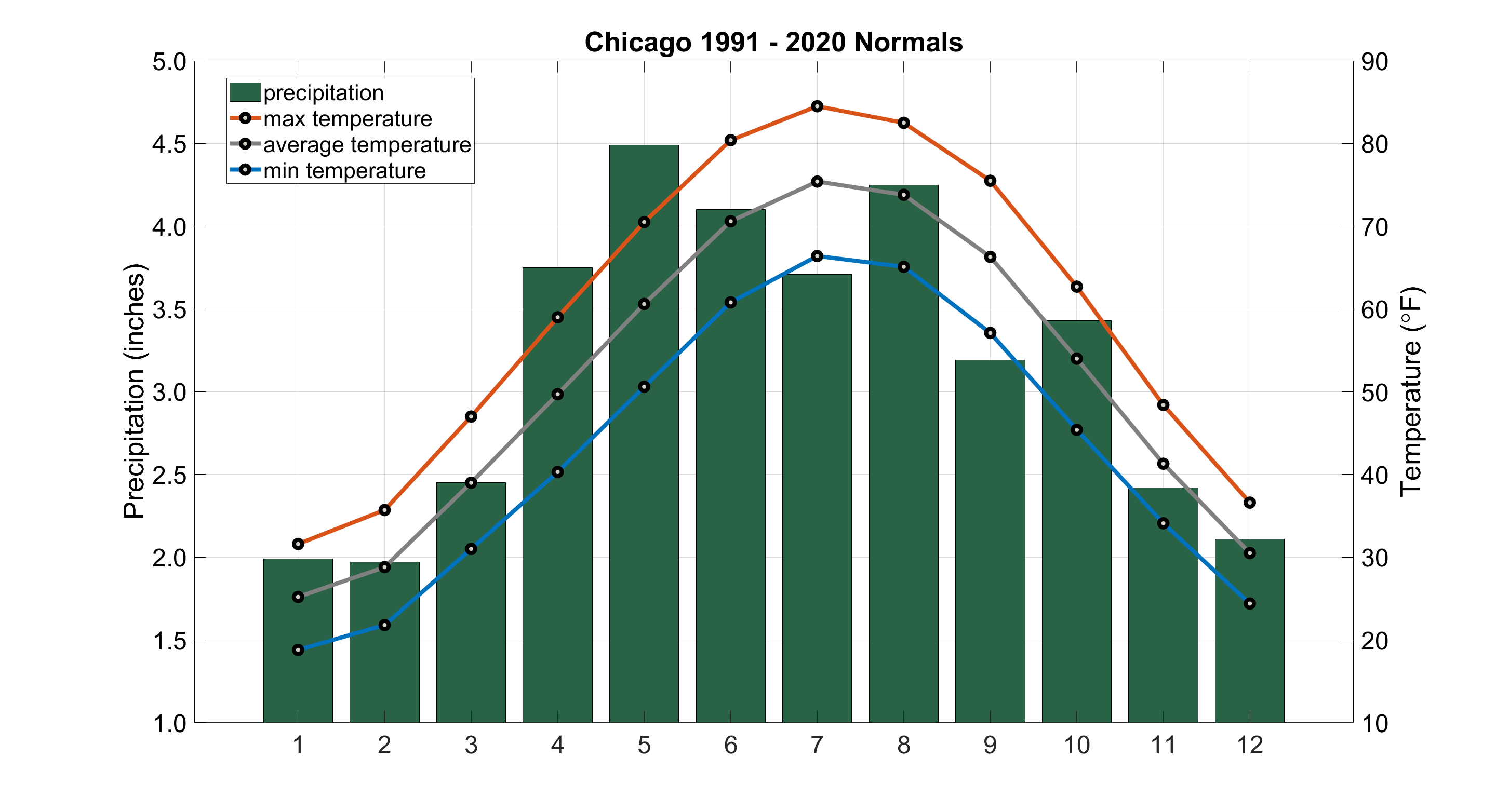
Chicago, Illinois is characterized by a humid continental climate, with significant temperature variations between seasons and considerable precipitation spread relatively evenly throughout the year. The city’s location near the large body of Lake Michigan plays a crucial role in moderating its temperatures, especially during the summer months, when it can bring cooling breezes. However, the lake’s influence can also exacerbate winter conditions, contributing to lake-effect snow in certain areas.
Seasonal Temperature Extremes
The range of temperatures experienced in Chicago, Illinois is substantial. Summers can be hot and humid, with average highs in the upper 80s Fahrenheit (around 30-32 Celsius), though temperatures can frequently exceed 90°F (32°C) and occasionally reach the triple digits (38°C). Humidity can make these temperatures feel even more oppressive. Conversely, winters are typically cold and snowy. Average daytime temperatures often hover in the low 30s Fahrenheit (around 0-1°C), but prolonged periods of sub-zero Fahrenheit temperatures (below -18°C) are not uncommon, especially with wind chill factors. Spring and autumn offer more moderate temperatures, making them popular times for many visitors, but these seasons can also be quite variable.
Precipitation Patterns
Chicago, Illinois receives a considerable amount of precipitation annually, averaging around 36 inches (91 cm). This precipitation is distributed fairly uniformly across the seasons, although certain periods may experience more concentrated rainfall or snowfall. Summer thunderstorms are common and can be quite dramatic, while winter brings snow, with average annual snowfall around 36 inches (91 cm) as well, though this can vary significantly year to year. The transition seasons of spring and fall can see a mix of rain and the occasional early or late snowfall.
Navigating Chicago’s Seasons: A Practical Guide
To truly appreciate Chicago, Illinois, understanding how its weather impacts daily life and tourist activities is essential. Each season presents its own set of challenges and opportunities, from outdoor festivals to indoor cultural attractions.
Summer in the Windy City: Warmth and Vibrancy
Summer, typically from June through August, is arguably the most popular time to visit Chicago, Illinois. The city comes alive with numerous outdoor events, festivals, and concerts. The average daily temperature ranges from the mid-70s to the low 80s Fahrenheit (24-28°C), with highs often in the upper 80s (30-31°C). However, humidity can make it feel much warmer, and afternoon thunderstorms are a frequent occurrence.
Packing for Summer
When visiting during the summer months, light, breathable clothing is key. Think shorts, t-shirts, sundresses, and comfortable walking shoes. A light jacket or sweater is advisable for cooler evenings or air-conditioned indoor spaces. Don’t forget sunscreen, sunglasses, and a hat to protect yourself from the sun. An umbrella or a lightweight rain jacket is also a good idea for those sudden summer showers.
Summer Activities
Summer is the perfect time to explore Chicago, Illinois’s extensive parks, like Millennium Park with its iconic Cloud Gate sculpture, or enjoy a stroll along the lakefront trail. Boat tours on the Chicago River are particularly pleasant, offering stunning views of the city’s architecture. Outdoor concerts at venues like the Hollywood Casino Amphitheatre and the annual Lollapalooza music festival draw large crowds. Beaches along Lake Michigan also become popular spots for relaxation and recreation.

Autumn in Chicago: Crisp Air and Stunning Foliage
Autumn, from September to November, offers a beautiful transition with crisp air and stunning fall foliage, particularly in the city’s numerous parks and along the lakefront. Temperatures gradually cool, with September and October often experiencing pleasant, mild weather. Average daytime temperatures in September hover around the low 70s Fahrenheit (21-22°C), dropping to the 50s and 40s Fahrenheit (10-4°C) in October and November, respectively.
Packing for Autumn
Layering is the mantra for autumn in Chicago, Illinois. Start with a base layer of t-shirts or long-sleeved tops, add a sweater or fleece, and be prepared with a medium-weight jacket. Jeans or comfortable trousers are suitable, and closed-toe shoes are a must for walking. As the season progresses, you might need a warmer coat, gloves, and a scarf, especially for evenings.
Autumn Activities
This season is ideal for exploring Chicago, Illinois’s world-class museums, such as the Art Institute of Chicago or the Field Museum. Architectural boat tours remain a highlight, offering a different perspective on the city’s famous skyline as the leaves change color. The Magnificent Mile offers a premier shopping experience, and the city’s culinary scene truly shines, with cozy restaurants and seasonal menus. Many neighborhoods host fall festivals and farmers’ markets, celebrating the harvest.
Winter in Chicago: A Cozy and Invigorating Experience
Winter in Chicago, Illinois, spanning December through February, is characterized by cold temperatures, frequent snowfall, and the famous “Windy City” winds, which can make it feel even colder. Average daytime temperatures are typically in the 30s Fahrenheit (around 0-1°C), but prolonged cold snaps can bring temperatures well below freezing. Lake-effect snow can also lead to significant accumulations in certain areas.
Packing for Winter
Warmth is paramount. Essential items include a heavy, insulated winter coat, waterproof and windproof, a warm hat that covers your ears, gloves or mittens, and a scarf. Thermal base layers, sweaters, and warm trousers are crucial. Waterproof boots with good traction are necessary for navigating snowy and icy sidewalks.
Winter Activities
Despite the cold, winter offers a unique charm. The city is beautifully decorated for the holidays, with the Magnificent Mile boasting impressive light displays. Ice skating rinks pop up in popular locations like Millennium Park. Indoor attractions are plentiful, from Broadway shows at the Cadillac Palace Theatre to exploring the wonders of the Shedd Aquarium or the Adler Planetarium. Cozying up in a warm cafe or enjoying a hearty meal at one of the city’s renowned restaurants is a perfect way to spend a winter day. For those brave enough, skiing and snowboarding are available at nearby resorts.
Spring in Chicago: Reawakening and Renewal
Spring in Chicago, Illinois, from March to May, is a period of transition. While early spring can still be quite chilly with lingering snow and occasional flurries, temperatures gradually rise, and the city begins to reawaken. Average daytime temperatures start in the 40s Fahrenheit (4-9°C) in March and climb into the 60s Fahrenheit (15-20°C) by May. Rain is common, and the lakefront can remain windy and cool.
Packing for Spring
Spring weather is notoriously unpredictable. Packing in layers is essential. Bring a mix of long-sleeved shirts, t-shirts, sweaters, and a waterproof and wind-resistant jacket. Jeans and comfortable trousers are suitable. Don’t forget an umbrella, as spring showers are frequent. Closed-toe shoes are recommended, and you might even pack a lighter pair for warmer days.
Spring Activities
As the weather improves, outdoor activities become more appealing. The parks begin to bloom, offering beautiful scenery. The city’s extensive network of trails along the lakefront and through various neighborhoods becomes popular for walking, jogging, and cycling. Many outdoor festivals and street fairs begin to take place, marking the return of warmer weather. Exploring the city’s diverse neighborhoods, visiting rooftop bars as they open for the season, and enjoying the burgeoning outdoor dining scene are all great ways to experience Chicago, Illinois in the spring. The Lincoln Park Zoo is a lovely place to visit as its animals become more active in the warmer weather.
Planning Your Visit: Weather Considerations
When planning your trip to Chicago, Illinois, it’s wise to check the weather forecast closer to your travel dates, as microclimates and unusual weather patterns can occur. However, understanding the general seasonal trends will allow you to make informed decisions about when to visit and what to pack, ensuring a comfortable and enjoyable experience in this dynamic American city. Whether you’re drawn by the summer festivals, the autumn colors, the winter wonderland, or the spring awakening, Chicago, Illinois offers a compelling destination year-round, with its weather shaping its unique character and the diverse range of activities available to its visitors.
LifeOutOfTheBox is a participant in the Amazon Services LLC Associates Program, an affiliate advertising program designed to provide a means for sites to earn advertising fees by advertising and linking to Amazon.com. Amazon, the Amazon logo, AmazonSupply, and the AmazonSupply logo are trademarks of Amazon.com, Inc. or its affiliates. As an Amazon Associate we earn affiliate commissions from qualifying purchases.