
The question of abortion legality in Mississippi is a complex and often evolving one, deeply intertwined with state legislation, federal court rulings, and significant social and political discourse. For those seeking to understand the current legal landscape, particularly in relation to reproductive healthcare access within the state, a clear and comprehensive overview is essential. This article aims to provide an in-depth examination of the legal status of abortion in Mississippi, exploring the historical context, the impact of recent legal challenges, and what these developments mean for individuals seeking reproductive services.
The journey to understanding abortion legality in Mississippi requires navigating a series of legislative actions and judicial interpretations that have shaped reproductive rights over decades. The state has been a focal point in the national debate, with its laws frequently tested and debated in courts. This ongoing dialogue underscores the critical importance of staying informed about the legal frameworks governing healthcare decisions.

The Legal Framework: Shifting Sands of Reproductive Rights
The legality of abortion in Mississippi is not a static concept. It has been subject to significant shifts, particularly following landmark national decisions and subsequent state-level responses. Understanding these changes is crucial for appreciating the current status and potential future trajectories of abortion access.
Historical Context and Roe v. Wade
For nearly five decades, the landmark Supreme Court decision in Roe v. Wade (1973) established a constitutional right to abortion, albeit with state-level regulations permitted. This ruling, and its subsequent affirmation in Planned Parenthood v. Casey (1992), created a framework that allowed states to regulate abortion but prohibited outright bans before fetal viability. During this era, Mississippi, like other states, operated under these federal guidelines. However, even within the parameters of Roe v. Wade, Mississippi enacted various restrictions, including mandatory waiting periods, parental consent laws, and limitations on abortion providers. These measures, while not outright bans, served to create significant hurdles for individuals seeking abortion care. The state’s efforts often reflected a broader national conservative movement seeking to limit abortion access, pushing the boundaries of what was permissible under federal law. The ongoing legal battles during this period were instrumental in defining the scope of reproductive freedom, with many cases originating from or impacting states like Mississippi.
The Impact of Dobbs v. Jackson Women’s Health Organization
The landscape of abortion legality in the United States underwent a seismic shift on June 24, 2022, with the Supreme Court‘s decision in Dobbs v. Jackson Women’s Health Organization. This ruling overturned Roe v. Wade and Planned Parenthood v. Casey, eliminating the federal constitutional right to abortion. The immediate consequence of the Dobbs decision was that the authority to regulate or ban abortion returned to individual states.
For Mississippi, this had a profound and swift impact. Prior to the Dobbs decision, Mississippi had a “trigger law” in place, designed to ban abortion automatically upon the overturning of Roe v. Wade. This law, passed in 2004, aimed to prohibit abortions from the moment of conception, with very narrow exceptions for medical emergencies to save the life of the pregnant person or for cases of rape or incest.
Following the Dobbs ruling, Mississippi‘s Attorney General swiftly certified that the conditions for the trigger law to take effect had been met. This certification led to an immediate and near-total ban on abortion services in the state. The law, often referred to as the “Gestational Age Act,” prohibits abortions at any stage of pregnancy, with the limited exceptions mentioned above.
Legal Challenges and Current Status
In the wake of the trigger law’s activation, legal challenges were mounted by abortion rights advocates. These challenges sought to block the enforcement of the ban, arguing that it violated certain provisions of the Mississippi Constitution, particularly those related to privacy and bodily autonomy.
One significant challenge centered on whether the state constitution provided broader protections for abortion access than the now-defunct federal constitutional right. While initial efforts sought to halt the ban, the Mississippi Supreme Court ultimately ruled in favor of allowing the trigger law to remain in effect. This decision solidified the near-total ban on abortion in Mississippi.
As of the current legal standing, abortion is effectively illegal in Mississippi with very limited exceptions. Healthcare providers are prohibited from performing abortions unless they meet the stringent criteria outlined in the trigger law. This has had a direct and significant impact on individuals seeking reproductive healthcare, necessitating travel to other states where abortion remains legal. The legal battles are ongoing, and the interpretation of constitutional rights related to abortion continues to be a subject of litigation, but the immediate effect of the Dobbs decision and subsequent state actions has been a severe restriction on abortion access within Mississippi.
Navigating Reproductive Healthcare Beyond Mississippi’s Borders
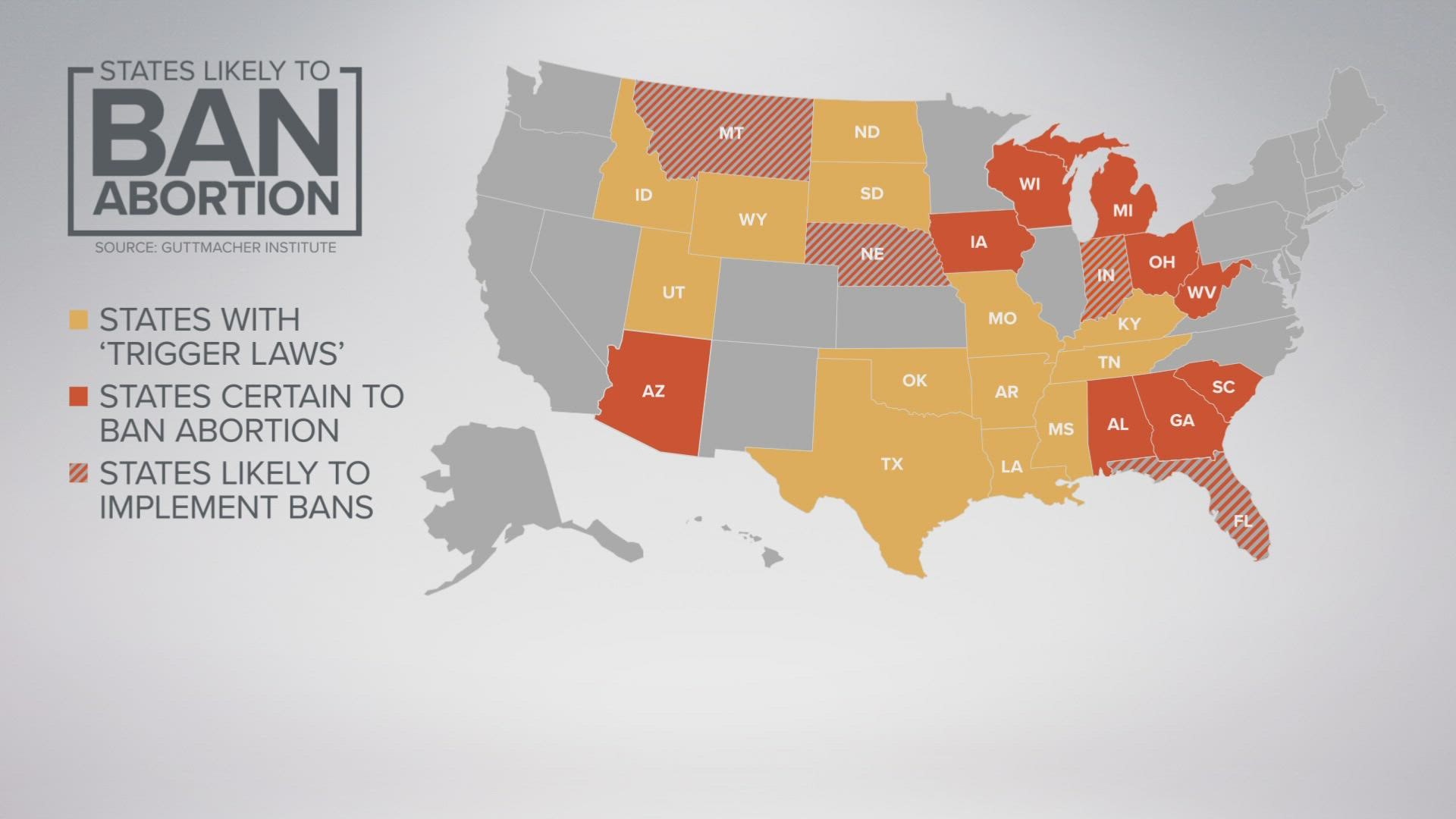
The near-total ban on abortion in Mississippi has created a critical need for individuals to seek reproductive healthcare services outside of the state. This reality necessitates careful planning, resourcefulness, and an understanding of the logistical and financial challenges involved.
Out-of-State Access and Support Networks
For residents of Mississippi seeking an abortion, traveling to another state is often the only viable option. States bordering Mississippi, such as Tennessee and Arkansas, also have significant abortion bans in place. This means that individuals may need to travel further, potentially to states like Illinois, New Mexico, or even the District of Columbia, depending on their specific circumstances and the gestational age of the pregnancy.
The logistical hurdles are substantial. Travel requires time off work, childcare arrangements, and significant financial resources for transportation, accommodation, and the procedure itself. The cost of an abortion can vary widely, and when coupled with travel expenses, it becomes a prohibitive barrier for many.
Fortunately, a network of abortion funds and practical support organizations has emerged to assist individuals in these situations. These organizations provide financial assistance for the procedure and travel, as well as logistical support such as transportation and lodging. They play a vital role in ensuring that individuals can access the care they need, regardless of their financial situation or geographical location. Examples include funds that specifically support individuals traveling from restrictive states. Exploring these resources is a crucial step for anyone facing an unintended pregnancy in Mississippi.
Understanding Gestational Limits in Neighboring States
While traveling out of state offers a pathway to abortion access, it is essential to understand that even in states where abortion remains legal, there are gestational limits. These limits are based on the number of weeks of pregnancy. As a pregnancy progresses, the options for abortion care become more limited and often more expensive.
For individuals in Mississippi, this means that the urgency of seeking care is amplified. The sooner an individual can access services, the more options will be available. Therefore, prompt consultation with a healthcare provider or an abortion fund is critical. Understanding the specific gestational limits in potential destination states can help in planning and ensuring that the individual can access the care they require before reaching a prohibited gestational stage. For instance, some states may allow abortions up to 16 or 20 weeks of pregnancy, while others may have later cutoffs. This variability underscores the importance of thorough research and swift action.
Implications for Healthcare Providers and Patients
The legal restrictions on abortion in Mississippi have far-reaching consequences, impacting both healthcare providers who offer reproductive services and the individuals seeking them. The environment created by these laws is one of uncertainty and increased risk.
Increased Legal Scrutiny and Risk for Providers
Healthcare providers in Mississippi who perform abortions, or who are perceived to be assisting in the procurement of abortions outside the state’s legal framework, face significant legal risks. The trigger law carries severe penalties, including hefty fines and lengthy prison sentences, for those who violate its provisions. This creates a climate of fear and can deter providers from offering any services that might be misconstrued as aiding or abetting an illegal abortion.
Even in cases where an abortion is legally permissible under the narrow exceptions (e.g., to save the life of the pregnant person), providers may hesitate due to the intense legal scrutiny and the potential for prosecution. The burden of proof in demonstrating that an action was medically necessary to save a life can be immense, and the fear of misinterpreting the law or facing an investigation can lead to delays or a reluctance to act. This can have dire consequences for patients experiencing medical emergencies.

Impact on Broader Reproductive Health Services
The focus on abortion bans can also have a chilling effect on the provision of other essential reproductive health services. Clinics that offer abortion care often provide a range of other services, including contraception, STI testing and treatment, and cancer screenings. When abortion services are banned or heavily restricted, these clinics may struggle to remain financially viable, leading to reduced access to these broader services for the community.
Furthermore, the legal and social climate surrounding abortion can influence discussions about comprehensive sex education and access to contraception. When the emphasis is solely on banning abortion, the proactive measures that could reduce unintended pregnancies are often sidelined. This creates a situation where individuals have fewer options and face greater challenges in managing their reproductive health. The current legal environment in Mississippi highlights the interconnectedness of reproductive healthcare and the significant impact that restrictive laws can have on a wide spectrum of services and patient care.
LifeOutOfTheBox is a participant in the Amazon Services LLC Associates Program, an affiliate advertising program designed to provide a means for sites to earn advertising fees by advertising and linking to Amazon.com. Amazon, the Amazon logo, AmazonSupply, and the AmazonSupply logo are trademarks of Amazon.com, Inc. or its affiliates. As an Amazon Associate we earn affiliate commissions from qualifying purchases.