
For anyone planning a trip to the Golden State, understanding the local time zone is more than just a trivial detail; it’s a crucial element for seamless travel, effective itinerary planning, and maximizing every moment of your California adventure. From coordinating flight arrivals and hotel check-ins to making dinner reservations and scheduling calls with loved ones back home, the clock plays a silent yet significant role in your travel experience. California, a jewel of the United States and North America, operates predominantly under one time zone, but with the seasonal shift of Daylight Saving Time, its designation changes, impacting visitors and residents alike.
This comprehensive guide will not only clarify California’s time zone but also delve into why this knowledge is indispensable for travelers. We’ll explore the nuances of Pacific Standard Time and Pacific Daylight Time, discuss how to mitigate the effects of jet lag, and offer insights into planning your visits to iconic landmarks, world-class attractions, and unique local experiences across this incredibly diverse state. Whether you’re heading to the bustling streets of Los Angeles, the scenic beauty of San Francisco, the sunny shores of San Diego, or the serene vineyards of Napa Valley, a clear understanding of California’s time zone will empower you to enjoy a stress-free and fulfilling journey.
Understanding Pacific Standard Time (PST) and Pacific Daylight Time (PDT)
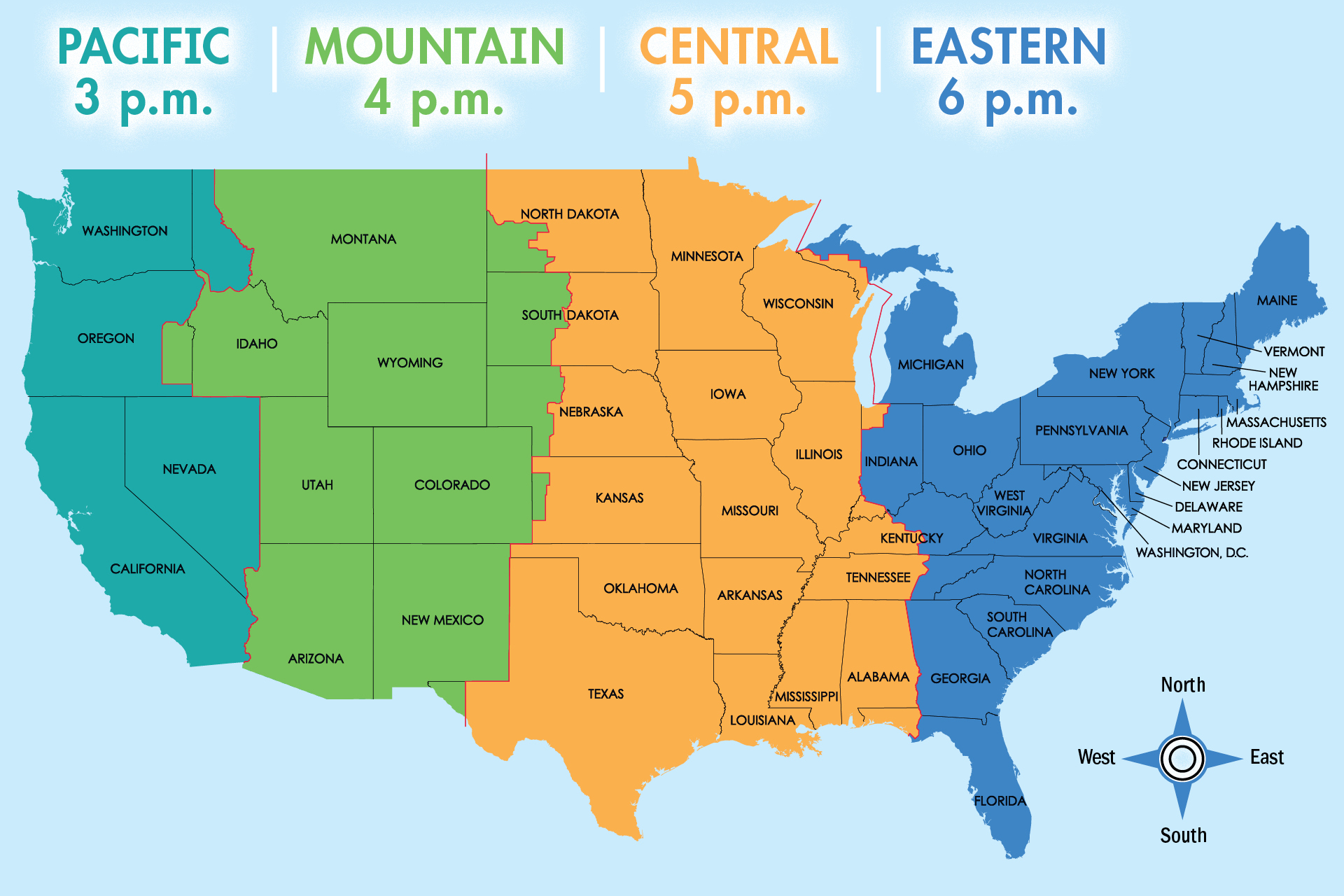
At its core, California adheres to the Pacific Time Zone. This is not unique to the state, as several other western regions across North America also fall within this same temporal band. However, the specific designation of the time zone changes seasonally due to the practice of Daylight Saving Time.
The Basics: PST Explained
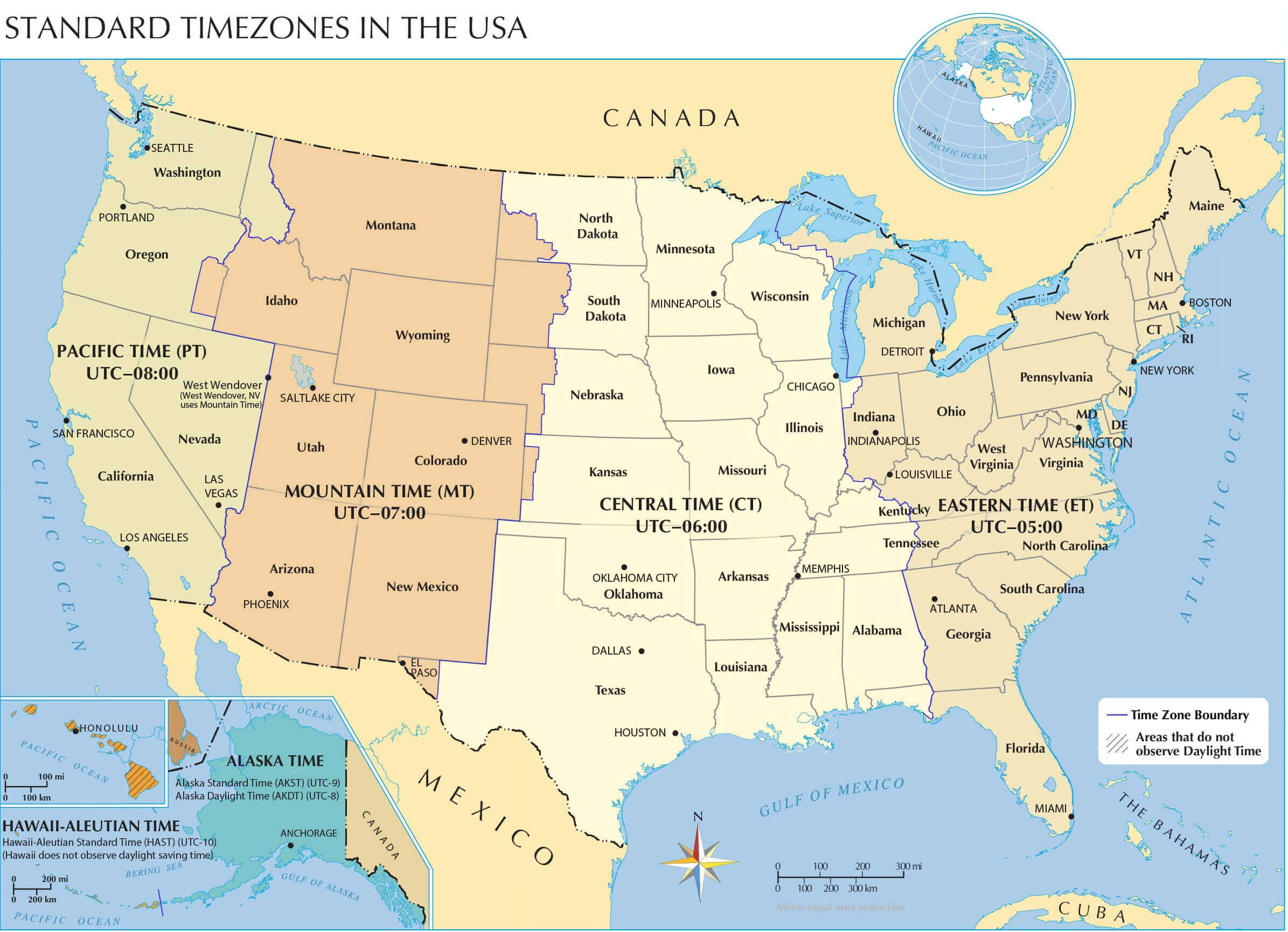
For roughly half of the year, typically from early November to mid-March, California observes Pacific Standard Time (PST). This is the standard offset from Coordinated Universal Time (UTC), which serves as the primary time standard by which the world regulates clocks and time. PST is precisely UTC-8, meaning it is eight hours behind UTC.
Geographically, the Pacific Standard Time zone covers not only California but also the entire states of Oregon and Washington, the majority of Nevada, and a small portion of Idaho. Additionally, parts of Canada (specifically British Columbia and Yukon) and Mexico (Baja California) also fall within this zone. This broad geographical reach can be particularly helpful for travelers who might be crossing state lines within the western United States or even venturing into neighboring countries; the time remains consistent, simplifying coordination. Understanding PST is the foundational knowledge for any travel planning, as it defines the baseline time for everything from flight schedules departing from Los Angeles International Airport to the opening hours of Golden Gate Bridge visitor centers.
Daylight Saving Time: Shifting to PDT
The temporal landscape of California shifts with the arrival of Daylight Saving Time (DST). Starting on the second Sunday in March and lasting until the first Sunday in November, the state switches to Pacific Daylight Time (PDT). During this period, clocks are moved forward by one hour, making PDT UTC-7. The purpose of this change is to maximize daylight hours during the evening, particularly beneficial during the longer days of spring, summer, and early autumn.
The shift to PDT can have a noticeable impact on travelers. For those arriving from regions that do not observe DST or are on a different schedule, it means an additional hour of time difference to adjust to. This also affects coordination for flights, hotel check-ins, and pre-booked activities. For example, a flight scheduled to arrive at 3:00 PM PST might now arrive at 4:00 PM PDT, depending on the season and the departure location. Similarly, hotel check-in times, restaurant reservations in San Francisco’s bustling culinary scene, and scheduled tours for attractions like Universal Studios Hollywood will all operate on PDT during these months. Being aware of this change is paramount for preventing missed connections, showing up late for appointments, or simply feeling disoriented. It ensures your meticulously planned itinerary remains on track, allowing you to fully immerse yourself in California’s vibrant lifestyle and diverse offerings.
Navigating California’s Time Zone as a Traveler
Understanding California’s time zone is not merely a matter of knowing the current hour; it’s a strategic tool for enhancing your travel experience. From optimizing your arrival and departure logistics to making the most of every sightseeing opportunity and dining experience, mastering the clock is key to a smooth and enjoyable trip.
Planning Your California Itinerary: Time Zone Considerations
When planning your journey to California, the time zone difference significantly influences several critical aspects. Firstly, flight arrivals and departures require careful attention, especially for long-haul journeys. For instance, if you’re flying from the East Coast of the United States (Eastern Time, UTC-5), you’ll be crossing three time zones to reach California’s Pacific Time. This substantial shift means an early morning flight from New York City might still land you in Los Angeles in the late morning or early afternoon, but your body will feel like it’s much later in the day. Similar considerations apply to train schedules or long-distance bus services within the United States. Always confirm departure and arrival times in local time to avoid confusion.
Jet lag, a common byproduct of rapid time zone changes, is a significant factor to consider. Travelers arriving from destinations further east, such as Europe or even the eastern United States, will likely experience some degree of jet lag. To combat this, experts recommend adjusting your sleep schedule gradually before departure, staying hydrated, avoiding excessive caffeine and alcohol, and exposing yourself to natural light upon arrival in cities like San Diego or Sacramento. Planning your initial days with lighter activities can also help your body adjust more gracefully, allowing you to fully enjoy iconic landmarks such as Yosemite National Park or the beaches of Santa Monica later in your trip. Finally, if you’re coordinating with friends, family, or business contacts in different time zones, always double-check the time difference to avoid inconvenient call times. A simple online time zone converter can be an invaluable tool.
Maximizing Your Stay: Accommodations and Attractions
The time zone also dictates the practicalities of your accommodation and planned activities across California. Hotel check-in and check-out times are strictly enforced, and these will, of course, be based on local Pacific Time. Arriving too early or departing too late without prior arrangements can lead to additional fees or unnecessary waiting. Many hotels, from luxury resorts like the Waldorf Astoria Beverly Hills to charming boutique hotels in Carmel-by-the-Sea, offer luggage storage, which can be a lifesaver if your flight schedule doesn’t align perfectly with these times.
Furthermore, restaurant reservation times are crucial, especially in popular dining destinations like San Francisco or Napa Valley. Missing a reservation due to time zone confusion can mean missing out on a coveted culinary experience. Always confirm the local time when booking and plan your travel time to and from the restaurant accordingly.
For attractions, understanding operating hours is paramount. Disneyland Park in Anaheim, for instance, has specific opening and closing times that can vary by season, all adhering to Pacific Time. Similarly, visiting the Griffith Observatory in Los Angeles for sunset views requires knowing the exact sunset time in PST/PDT to plan your arrival. Nature parks like Death Valley National Park or Lake Tahoe are generally accessible 24/7, but visitor centers, ranger programs, and guided tours will operate on specific schedules. Always check the official websites of attractions, museums, and national parks for their most current operating hours, paying close attention to whether Daylight Saving Time is in effect during your visit. This meticulous planning ensures you maximize your time enjoying California’s myriad offerings rather than getting caught off guard by a closed gate or a missed tour.
Beyond the Clock: California’s Diverse Experiences
While knowing the time zone is a practical necessity, it’s the rich tapestry of experiences within California that truly captures the imagination of travelers. The state’s vast geographical and cultural diversity means that every moment spent here offers a unique flavor, from sun-drenched beaches to snow-capped peaks, bustling cityscapes to tranquil vineyards.
From Coastal Wonders to Desert Adventures: A Time-Rich State
California truly is a world unto itself, offering an unparalleled range of environments and activities. Along its famed coastline, from the dramatic cliffs of Big Sur to the vibrant beaches of San Diego, you can witness breathtaking sunrises and sunsets, often dictating the best times for photography, surfing, or romantic strolls. Inland, the majestic Sierra Nevada Mountains, home to Yosemite National Park and Lake Tahoe, invite adventures like early morning hikes or skiing expeditions, where the crisp mountain air and stunning vistas are best enjoyed with the rising sun. Further east, the stark beauty of Death Valley National Park presents its own set of time-sensitive considerations, with cooler mornings and evenings being ideal for exploration to avoid the intense midday heat.
Beyond natural wonders, California boasts world-renowned cultural and culinary scenes. In Los Angeles, Hollywood‘s tours, film studio visits, and celebrity spotting often adhere to strict schedules, while San Francisco’s vibrant neighborhoods offer a plethora of food tours, museum visits, and historic explorations, each with their own timed entry or operating hours. The gastronomic delights of Napa Valley and Sonoma Valley involve timed winery tours and tasting appointments, often booked months in advance. Engaging with California’s local culture, whether it’s exploring the historic missions in San Jose, experiencing the art scene in Palm Springs, or enjoying a live performance, frequently requires adherence to specific schedules. Understanding the rhythm of the local clock ensures you don’t miss out on these enriching experiences, allowing you to fully immerse yourself in the lifestyle and diverse offerings that make California an unparalleled travel destination.

Choosing Your California Stay: Hotels, Resorts, and Unique Accommodations
The sheer variety of accommodation options in California caters to every taste, budget, and travel style. From luxurious five-star resorts overlooking the Pacific Ocean to charming bed and breakfasts tucked away in wine country, urban boutique hotels, and spacious vacation rentals, finding the perfect place to stay is part of the adventure. Your time zone awareness comes into play here, too, especially when it comes to booking, managing reservations, and planning your arrival and departure.
When booking your accommodation, always confirm the check-in and check-out times in local PST/PDT. If you are arriving on an early morning flight from, say, Arizona (which doesn’t observe Daylight Saving Time for much of its territory, making it an hour ahead during PDT), you might arrive feeling an extra hour tired, and need to factor in potential early check-in fees or plan for luggage storage until your room is ready. Conversely, if your departure is scheduled for late in the day, negotiating a late check-out or utilizing the hotel’s amenities (like pools or lounges) after check-out can significantly enhance your final day. Resorts in destinations like Palm Springs or near theme parks such as Disneyland Park often have bustling check-in times; being prepared with all your booking details and aware of the local time can streamline the process.
Reviews and comparisons of hotels and resorts on travel websites frequently highlight the convenience of location relative to attractions, which indirectly relates to managing your time efficiently. Amenities like 24-hour reception, on-site dining, and concierge services can be incredibly useful when you’re still adjusting to the time zone, providing flexibility for late-night hunger pangs or last-minute tour bookings. Whether you opt for a family-friendly resort, a romantic suite, a budget-conscious apartment, or a unique villa, confirming the property’s policies, especially regarding time-sensitive aspects, is crucial. This ensures your accommodation complements your itinerary and offers a comfortable haven as you explore the diverse and dynamic landscape of California.
In conclusion, knowing what time zone California is in – primarily Pacific Standard Time (UTC-8) and Pacific Daylight Time (UTC-7) during Daylight Saving – is an essential piece of knowledge for any traveler. It’s the invisible thread that connects your flights, hotel stays, restaurant reservations, and visits to world-famous landmarks and hidden gems. By factoring in the time zone, managing potential jet lag, and planning your activities accordingly, you set yourself up for an unforgettable journey through a state that truly offers something for everyone. So, synchronize your watches, embrace the rhythm of California time, and prepare to discover the magic that awaits.
LifeOutOfTheBox is a participant in the Amazon Services LLC Associates Program, an affiliate advertising program designed to provide a means for sites to earn advertising fees by advertising and linking to Amazon.com. Amazon, the Amazon logo, AmazonSupply, and the AmazonSupply logo are trademarks of Amazon.com, Inc. or its affiliates. As an Amazon Associate we earn affiliate commissions from qualifying purchases.