
Colorado, a state renowned for its majestic Rocky Mountains, vibrant cities, and unparalleled outdoor adventures, often captivates travelers with its diverse landscapes and rich cultural tapestry. When planning a journey through this extraordinary part of the United States, understanding its administrative divisions can offer a deeper appreciation of its geographical and cultural nuances. So, how many counties make up the Centennial State? The answer is 64 counties. These counties are far more than mere lines on a map; they are the fundamental building blocks that define Colorado’s unique regions, each offering distinct attractions, accommodations, and lifestyle experiences. From the bustling urban centers of the Front Range to the serene, expansive plains and the rugged wilderness of the high country, each county contributes to the mosaic that makes Colorado a world-class destination for travel and tourism. This article will delve into the significance of these counties, guiding you through the varied adventures they unlock and helping you craft an unforgettable Colorado itinerary.
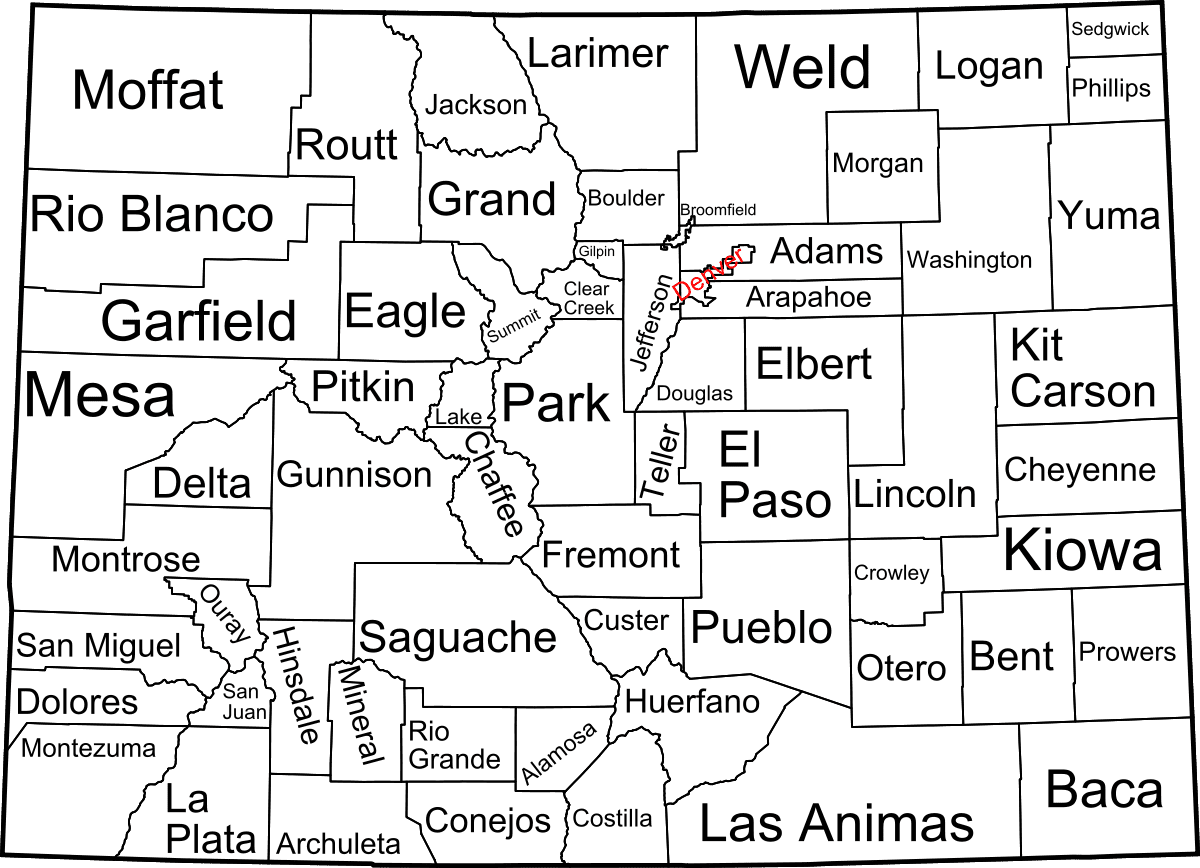
Colorado’s Administrative Heartbeat: Unveiling the 64 Counties
The structure of Colorado’s 64 counties is a testament to its history and development, reflecting patterns of settlement, resource allocation, and the evolving needs of its population. Each county serves as a distinct governmental and geographical unit, playing a crucial role in local administration, public services, and regional identity. For travelers and residents alike, these divisions offer a framework for understanding the state’s incredible diversity, from its towering peaks to its sprawling agricultural lands.
The Foundation of Colorado’s Governance
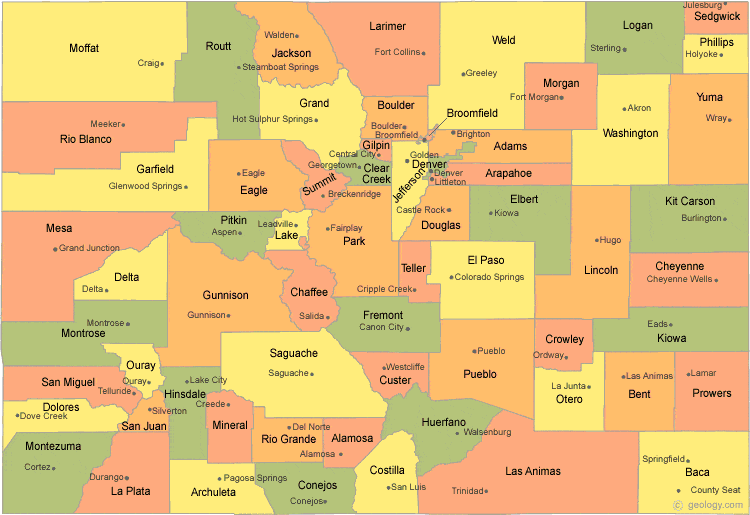
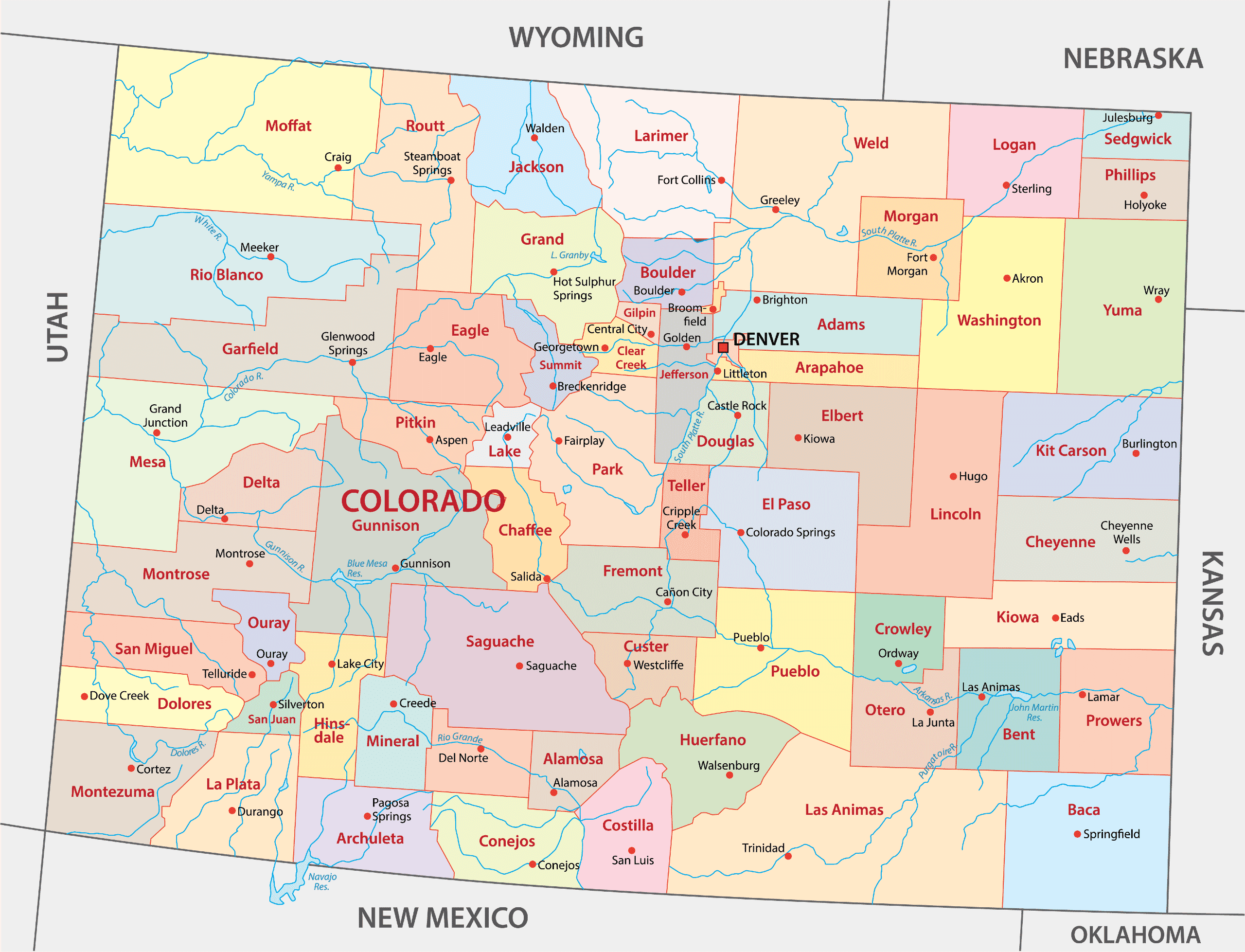
The concept of counties in Colorado dates back to its territorial days, with the initial counties established to manage vast, often sparsely populated, areas. Over time, as the population grew and new communities emerged, new counties were carved out or existing ones were resized to better serve their inhabitants. This administrative framework is vital for providing essential services such as law enforcement, education, and infrastructure maintenance, ensuring that both urban and rural areas can thrive. For visitors, understanding this structure helps in navigating the state, as many attractions, national parks, and ski resorts are often associated with specific counties. For instance, Rocky Mountain National Park spans parts of Larimer and Grand Counties, while the famous ski town of Vail is nestled within Eagle County. Recognizing these connections can streamline travel planning, making it easier to pinpoint destinations and optimize travel routes.
A Spectrum of Geographic and Cultural Identity
The 64 counties of Colorado are not homogenous; rather, they represent a wide spectrum of geographic features, economic drivers, and cultural identities. Some counties, like Denver County, are entirely urban, densely populated, and serve as economic and cultural hubs. Denver, the state capital, is a prime example, bustling with museums, eateries, and a vibrant nightlife, making it a major destination for tourism. Other counties, such as San Juan County in the southwest, are characterized by rugged mountain terrain and a rich mining history, attracting adventurers and history buffs. Still others, like Yuma County on the eastern plains, are predominantly agricultural, offering a glimpse into Colorado’s farming heritage and a quieter, rural lifestyle experience. This diversity means that a trip across Colorado can feel like visiting several different states, each county unfolding a new chapter of natural beauty, historical significance, and unique local culture. Understanding these distinctions is key to fully appreciating the depth of experiences Colorado has to offer, from luxurious mountain resorts to rustic farm stays, catering to every travel preference and budget.
From Peaks to Plains: Diverse Landscapes and Travel Experiences Across Colorado Counties
Colorado’s topography is legendary, with the Continental Divide dramatically bisecting the state and creating distinct regions. Each of the 64 counties encapsulates a piece of this geographical marvel, offering unique attractions and activities. Navigating these counties opens up a world of travel possibilities, whether you seek high-altitude adventure, cultural immersion, or peaceful solitude.
Mountain Majesty: Iconic Counties for Outdoor Enthusiasts
For many, Colorado is synonymous with its mountains, and numerous counties proudly showcase some of the most breathtaking peaks and renowned ski resorts in the United States.
- Summit County, for instance, is a mecca for winter sports, home to world-class resorts like Breckenridge, Keystone, and Copper Mountain. In summer, its vast trail systems beckon hikers and mountain bikers.
- Pitkin County boasts the glamorous town of Aspen, known for its upscale amenities, stunning Maroon Bells, and vibrant arts scene, alongside exceptional skiing at Aspen Snowmass.
- Further south, San Miguel County features the picturesque Telluride, a former mining town turned luxury resort destination, framed by the dramatic San Juan Mountains. This county also hosts the famous Telluride Film Festival, attracting cinephiles from around the globe.
- Park County, often called the “Heart of the Rocky Mountains,” offers vast wilderness, historic sites like South Park City Museum, and incredible access to peaks like Mount Lincoln.
- Clear Creek County, a gateway to the Continental Divide from Denver, is home to the historic Georgetown Loop Railroad and fantastic white-water rafting on Clear Creek.
- For those seeking the highest points, Lake County is home to Mount Elbert and Mount Massive, Colorado’s two tallest peaks, offering unparalleled climbing and hiking challenges near the historic mining town of Leadville.
These counties are not just about skiing; they offer year-round attractions, from hiking and fly-fishing in summer to vibrant fall foliage drives and charming mountain town festivals.
Urban Charms and Cultural Hubs
Beyond the mountains, several counties shine as bustling urban centers, rich in history, arts, and culinary delights.
- Denver County, as mentioned, is the heart of Colorado, offering world-class museums like the Denver Art Museum, diverse neighborhoods, and a thriving food scene. Its easy access to the mountains also makes it a perfect base for day trips.
- Adjacent Arapahoe County and Douglas County extend the urban sprawl with upscale shopping districts, family-friendly parks, and a blend of suburban convenience and natural beauty, including portions of the Cherry Creek State Park.
- Boulder County, home to the city of Boulder, is celebrated for its progressive culture, natural food movement, and incredible outdoor access to the Flatirons. It’s a hub for innovation, wellness, and scenic beauty, attracting a unique blend of academics, adventurers, and entrepreneurs.
- El Paso County is anchored by Colorado Springs, a city famous for the iconic Pikes Peak and the stunning red rock formations of Garden of the Gods. It also hosts several military installations and a strong Olympic presence at the United States Olympic & Paralympic Museum. These urban counties serve as cultural anchors, providing a contrast to the rugged wilderness and offering a different kind of adventure focused on history, arts, and modern city life.
High Plains Wonders and Hidden Gems
Venturing east of the Front Range or into the western slope reveals counties with distinct charms often overlooked by those solely focused on the mountains.
- The eastern plains counties, like Yuma County and Washington County, offer vast skies, stunning sunrises, and a taste of agricultural Colorado. They are perfect for those seeking tranquility, birdwatching, or exploring small-town America with deep historical roots. The Kit Carson County Carousel in Burlington, a National Historic Landmark, is a delightful stop in this region.
- On the western slope, Mesa County is home to Grand Junction, the heart of Colorado Wine Country. This county offers a unique landscape with vineyards, peach orchards, and access to the majestic Colorado National Monument, a stunning canyon landscape perfect for hiking and scenic drives.
- Montezuma County in the southwest is steeped in ancient history, housing the incredible cliff dwellings of Mesa Verde National Park, a UNESCO World Heritage Site. This area offers a profound glimpse into the lives of the Ancestral Puebloans and the rich cultural heritage of the region.
- Further south, Alamosa County is home to the surreal and beautiful Great Sand Dunes National Park and Preserve, where North America’s tallest dunes meet the Sangre de Cristo Mountains. This provides unique opportunities for sandboarding, hiking, and stargazing.
These less-traveled counties promise unexpected discoveries and a different perspective on Colorado’s multifaceted character, perfect for those seeking unique experiences away from the typical tourist trails.
Planning Your Colorado Stay: Accommodation, Tourism, and Lifestyle Choices
With 64 diverse counties, Colorado presents an array of options for travelers. Deciding which county or region to explore often depends on your interests, budget, and desired travel lifestyle. Whether you’re seeking luxury, adventure, relaxation, or cultural immersion, Colorado’s counties have something to offer.
Finding Your Perfect Retreat: Hotels, Resorts, and Unique Stays
The breadth of accommodations across Colorado’s counties is as varied as its landscapes. In mountain counties like Eagle County (Vail) or Pitkin County (Aspen), you’ll find an abundance of luxury resorts, boutique hotels, and opulent private villas offering ski-in/ski-out access and high-end amenities. Properties like the Four Seasons Resort and Residences Vail or The St. Regis Aspen Resort cater to those seeking an indulgent escape.
In urban centers like Denver County or El Paso County, a full spectrum of hotels is available, from major chain hotels for business travelers to historic hotels like The Brown Palace Hotel and Spa in Denver or The Broadmoor Hotel in Colorado Springs, which offer a blend of luxury and heritage. These cities also provide numerous serviced apartments and extended-stay options for longer visits.
For those venturing into more rural or scenic counties, the accommodation options shift to charming bed and breakfasts, rustic cabins, glamping sites, and independently owned inns. Garfield County, home to Glenwood Springs, offers renowned hot springs resorts, blending relaxation with stunning natural surroundings. Many counties also have ample camping and RV parks for budget-conscious travelers or those who prefer to immerse themselves fully in nature, particularly near state parks and national forests. Online booking platforms and local tourism office websites are invaluable resources for comparing options and securing the perfect stay, whether it’s a family-friendly resort or a secluded romantic getaway.
Immersing in Local Culture and Activities
Each Colorado county offers a unique flavor of local culture, food, and activities. Tourism in Colorado thrives on its outdoor recreation, with counties providing access to world-class skiing, snowboarding, hiking, mountain biking, white-water rafting on the Arkansas River in Chaffee County, and fishing. However, the cultural experiences are just as rich.
- In Jefferson County, visitors can enjoy concerts at the iconic Red Rocks Amphitheatre or explore the historic downtown of Golden.
- La Plata County, centered around Durango, offers the historic Durango and Silverton Narrow Gauge Railroad, harkening back to the Old West, alongside vibrant microbreweries and arts communities.
- Food tourism is booming, with counties like Mesa County offering wine tours and tasting rooms, and Denver providing an eclectic mix of international and farm-to-table dining experiences. Many towns host farmers’ markets, showcasing local produce and artisanal goods.
- Historical sites are abundant, from the paleontological wonders in Douglas County to the mining ghost towns preserved in various mountain counties. Engaging with local guides can provide deeper insights into the heritage and unique stories of each region. Tips for responsible tourism, such as respecting wildlife and following Leave No Trace principles, are often emphasized by county tourism boards, ensuring the preservation of Colorado’s natural beauty for future generations.
Lifestyle Adventures: Luxury, Budget, and Family Travel
Colorado’s 64 counties cater to every lifestyle and travel preference.
- Luxury Travel: Concentrated in counties like Pitkin, Eagle, and parts of Denver County, luxury travelers can enjoy exclusive resorts, private chef services, high-end shopping, and bespoke adventure tours.
- Budget Travel: Many counties offer fantastic opportunities for budget-conscious explorers. Camping in national forests (found across dozens of mountain and western counties), staying in hostels in cities like Denver or Boulder, and exploring free attractions like state parks (many counties host at least one) are excellent ways to experience Colorado without breaking the bank. The eastern plains counties, with their affordable lodging and free natural attractions, are particularly good for budget-friendly road trips.
- Family Trips: Colorado is an ideal family destination. Counties like Grand County (home to Winter Park Resort and Grand Lake), Larimer County (offering the Cache la Poudre River and family-friendly Fort Collins), and El Paso County (Colorado Springs attractions) offer a wealth of activities suitable for all ages, from easy hiking trails to interactive museums and wildlife viewing.
- Business Stays: Major metropolitan counties like Denver, Arapahoe, and Boulder provide extensive facilities for business travelers, including convention centers, corporate hotels, and excellent connectivity.
No matter your travel style, Colorado’s 64 counties provide a rich canvas for crafting your ideal adventure. Each county, with its unique identity, contributes to the overall allure of the state, inviting you to explore its diverse landscapes, immerse yourself in its vibrant cultures, and create lasting memories.
In conclusion, Colorado is composed of 64 distinct counties, each a vital piece of the state’s geographical, cultural, and administrative puzzle. From the iconic ski slopes of the central mountains to the ancient pueblos of the southwest, the bustling urban hubs of the Front Range, and the serene expanses of the eastern plains, these counties collectively offer an unparalleled range of travel experiences. By understanding the unique character of each region, travelers can more effectively plan their journeys, choosing destinations that align perfectly with their interests in travel, accommodation, tourism, landmarks, and lifestyle. Embark on your Colorado adventure and discover the myriad wonders waiting within its 64 remarkable counties.
LifeOutOfTheBox is a participant in the Amazon Services LLC Associates Program, an affiliate advertising program designed to provide a means for sites to earn advertising fees by advertising and linking to Amazon.com. Amazon, the Amazon logo, AmazonSupply, and the AmazonSupply logo are trademarks of Amazon.com, Inc. or its affiliates. As an Amazon Associate we earn affiliate commissions from qualifying purchases.