
The question of whether hotel prices decrease as the travel date approaches is one that has sparked countless debates among travelers. Many hopeful adventurers cling to the idea of a last-minute bargain, envisioning luxury suites suddenly becoming affordable just days before their trip. Conversely, seasoned travelers often preach the gospel of booking well in advance, warning of escalating costs and limited availability. The truth, as with most things in the complex world of travel and accommodation, is nuanced. There’s no single, definitive answer, as hotel pricing is a dynamic beast influenced by a multitude of factors, from algorithms and demand to seasonality and specific events. Understanding these underlying mechanisms is key to navigating the booking landscape and potentially securing the best deal for your next stay.

The Myth and Reality of Last-Minute Hotel Deals
The allure of a spontaneous trip, coupled with the hope of snagging an incredible deal at the eleventh hour, is a powerful fantasy. But how often does this romanticized notion translate into reality?
The Allure of Spontaneity vs. The Price Hike Risk
For many, the concept of last-minute travel conjures images of airline tickets and hotel rooms being drastically reduced to fill unsold inventory. While this phenomenon certainly existed more prominently in the past, especially for flights, the modern accommodation industry operates with much greater sophistication. Hotel revenue managers utilize advanced software and data analytics to predict demand, adjust pricing in real-time, and optimize their occupancy rates. This means that instead of seeing prices drop as the date draws near, you’re often more likely to witness them climb.
Think about it from a hotel’s perspective. If they have a high occupancy rate approaching, say, 80-90% for a given night, they have little incentive to lower prices for the remaining rooms. In fact, they might even increase them, knowing that desperate travelers or those with urgent needs will pay a premium. This is particularly true for popular destinations or peak seasons. Imagine trying to find a cheap room in New York City during New Year’s Eve or a resort in Cancun during spring break a few days out. The odds are stacked against you, and any available rooms will likely come with a hefty price tag.
Moreover, waiting until the last minute drastically reduces your options. You might be left with less desirable rooms, hotels far from your preferred attractions, or properties that don’t meet your amenity requirements. For those seeking specific types of accommodation, such as a suite with a balcony overlooking the Eiffel Tower in Paris or a beachfront villa in Bali, last-minute availability is often a pipe dream.
When Last-Minute Can Actually Work Out
Despite the general trend of increasing prices, there are specific scenarios where a last-minute booking might indeed yield a better deal. These situations typically arise when hotels face unexpectedly low demand or have a surplus of inventory they need to offload to avoid losing revenue entirely.
- Low Season / Off-Peak Travel: If you’re traveling during the absolute lowest point of the tourist season for a particular destination, and there are no major events planned, hotels might drop prices a few days out to entice last-minute bookings. For instance, finding a deal in Europe in the dead of winter (excluding ski resorts or Christmas markets) might be possible.
- Business Hotels on Weekends: Hotels catering primarily to business travelers in major financial districts, like those in London’s Canary Wharf or Tokyo’s Marunouchi district, often have lower occupancy on weekends. They might offer last-minute discounts to leisure travelers to fill rooms that would otherwise remain empty.
- Cancellations: Sometimes, a block of rooms reserved for a conference or group booking might get cancelled at the last minute, suddenly freeing up inventory. Hotels might then offer these rooms at a reduced rate to fill them quickly. However, relying on this is akin to gambling.
- Flexible Travel: If you have no fixed destination or dates and are willing to go wherever the best deal takes you, you might stumble upon an unexpected bargain. This often involves checking aggregator sites daily for flash sales or price drops.
Ultimately, successful last-minute booking requires immense flexibility, a willingness to compromise on specific preferences, and a good dose of luck. For most planned trips, it’s a risky strategy.
Key Factors Driving Hotel Pricing Fluctuations
Understanding the forces that govern hotel pricing is crucial for making informed booking decisions. These factors interact in complex ways, leading to the dynamic prices we see.
Demand, Seasonality, and Special Events
At the core of hotel pricing is the principle of supply and demand.
- High Demand: When demand is high, prices go up. This is simple economics. High demand can be driven by:
- Peak Season: Every destination has its peak travel seasons. Mediterranean coasts in summer, the Caribbean in winter, Japan during cherry blossom season (e.g., Cherry Blossom Festival in Kyoto), or Florida during school holidays. During these times, hotels know they can command higher rates, and last-minute deals are exceedingly rare.
- Special Events: Major conventions, concerts, sporting events (like the Super Bowl or Olympics), festivals (such as Oktoberfest in Munich or Mardi Gras in New Orleans), or even large local gatherings can cause hotel prices to skyrocket. Rooms often sell out months in advance, and prices continue to climb closer to the date.
- Low Demand: Conversely, during the off-season or periods of low demand, hotels are more likely to offer competitive rates or even last-minute discounts to fill rooms. This is when properties in destinations like Rome or Barcelona might be more affordable, especially in the colder months.
Location, Type of Accommodation, and Star Rating
The specific characteristics of the hotel itself also play a significant role in its pricing strategy.
- Prime Location: Hotels in highly sought-after locations — beachfront properties, those directly across from famous landmarks like the Colosseum, or in the heart of a bustling city center — typically maintain higher prices regardless of the booking window. Their inherent desirability means they fill up faster and have less need to discount.
- Type of Accommodation: Boutique hotels, luxury resorts such as a Four Seasons Hotels and Resorts or Ritz-Carlton, and unique villas often have fewer rooms or exclusive offerings, making them less prone to drastic last-minute price drops. Budget-friendly options, hostels, or large chain hotels like Holiday Inn Express with more inventory might have a greater propensity for price adjustments.
- Star Rating and Amenities: The higher the star rating and the more extensive the amenities (pools, spas, fine dining, concierge service), the less likely a hotel is to slash prices at the last minute. Guests booking such properties are often willing to pay a premium for the experience.
The Role of Technology and Dynamic Pricing
The advent of sophisticated revenue management software has revolutionized hotel pricing. Hotels no longer rely on static rate sheets but instead employ dynamic pricing algorithms that constantly adjust rates based on real-time data.
- Real-time Adjustments: These algorithms consider factors such as current bookings, anticipated demand, competitor pricing, local events, day of the week, weather forecasts, and even website traffic to tweak prices multiple times a day.
- Predictive Analytics: Hotels use historical data and predictive analytics to forecast occupancy. If forecasts indicate low occupancy for an upcoming date, prices might be lowered in advance. If high occupancy is predicted, prices will likely be raised steadily.
- Personalized Pricing: In some cases, pricing can even be subtly personalized based on your browsing history, location, or loyalty program status, though this is more controversial and less overt than general dynamic pricing.

This technological backbone means that prices are always in flux, making it challenging to predict their trajectory without insight into the hotel’s internal data.
Strategic Approaches to Booking Your Stay
Given the complexities of hotel pricing, adopting a strategic approach to booking is essential for maximizing value and securing the desired accommodation.
The Benefits of Booking in Advance
For most travel plans, especially those involving popular destinations, specific dates, or preferred hotels, booking in advance remains the most reliable strategy.
- Better Availability and Choice: Booking early guarantees you the widest selection of rooms, types, and hotels. This is critical if you need specific amenities, a particular view, or a suite that fits your family trip requirements. For high-demand periods, booking 3-6 months ahead is often recommended, sometimes even longer for major international events or unique resorts.
- Often Lower Prices: While not a universal rule, many hotels offer lower “early bird” rates or promotional deals for bookings made well in advance. This allows them to secure a base level of occupancy and forecast revenue more accurately. Think of chains like Marriott International or Hilton Hotels & Resorts often releasing their lowest rates several months out.
- Peace of Mind: Knowing your accommodation is secured eliminates a significant source of travel stress. You can then focus on planning other aspects of your trip, such as activities and dining experiences.
- Flexibility with Cancellations: Many advance bookings come with flexible cancellation policies, allowing you to change or cancel without penalty up to a certain date, giving you a safety net if your plans shift.
Leveraging Flexibility and Alternative Stays
If you crave the possibility of a deal, flexibility is your greatest asset.
- Flexible Dates: Being able to adjust your travel dates by a few days can sometimes unlock significantly lower rates, especially if you can avoid peak weekend nights or popular holiday periods. For example, staying mid-week in a city like Amsterdam or Bangkok is often cheaper than Friday or Saturday.
- Flexible Destinations: If your primary goal is simply to get away, consider being open to different destinations. A quick search for “hotels near me” or “deals in Southeast Asia” can reveal unexpected opportunities.
- Consider Alternative Accommodation: Beyond traditional hotels, explore options like vacation rentals, serviced apartments, or guesthouses. Platforms offering these types of accommodation can sometimes have last-minute availability or different pricing structures. For longer stays or family trips, these can offer better value and more space.
Tools and Tactics for Finding the Best Rates
Smart travelers use a combination of tools and strategies to research and book their stays.
- Price Comparison Websites: Use aggregators and price comparison sites to get a broad overview of prices across various booking platforms. However, always check the hotel’s official website directly as well, as they sometimes offer exclusive rates or loyalty program benefits.
- Price Alerts: Many booking sites offer price alert features that notify you if the price for a specific hotel or destination drops. This can be useful for tracking potential fluctuations.
- Loyalty Programs: If you frequently stay with a particular hotel chain (e.g., Accor, Hyatt Hotels Corporation), join their loyalty program. Members often receive exclusive discounts, early access to sales, complimentary upgrades, and earn points towards free nights.
- Browse Incognito: Some websites may track your browsing history and adjust prices based on perceived interest. Using incognito mode or clearing cookies can sometimes present different rates, though its effectiveness is debated.
- Consider Bundles: For some trips, booking a flight and hotel package can sometimes result in overall savings compared to booking each component separately.
- Weekday vs. Weekend Rates: Be aware that hotel prices often vary significantly between weekdays (often higher in business districts, lower in leisure destinations) and weekends (opposite trend). Adjusting your stay to include more off-peak nights can save money.
Beyond the Price Tag: What Else Matters?
While securing a good deal is certainly appealing, focusing solely on price can sometimes lead to compromises that detract from the overall travel experience.
Ensuring Availability and Preferred Amenities
The cheapest room available at the last minute might not be the room you actually want. If you have specific needs or preferences — a king-sized bed, a quiet room away from the elevator, an accessible bathroom, or access to certain hotel amenities like a fitness center or executive lounge — booking in advance is crucial. Waiting until the last minute often means you’re left with whatever is unsold, which might be a less desirable room type or a hotel that doesn’t offer the services you value. This is particularly important for luxury travel experiences where specific features define the stay.
The Value of Peace of Mind and Planning
The mental burden of constantly checking prices and worrying about finding a place to stay can outweigh any potential savings from a last-minute deal. Travel should be an enjoyable, enriching experience, not a stressful scavenger hunt. Booking in advance offers:
- Reduced Stress: Knowing your accommodation is confirmed allows you to relax and anticipate your trip.
- Better Itinerary Planning: With your hotel locked in, you can confidently plan daily activities, make restaurant reservations, and book tours without fear of having to change your entire itinerary due to a last-minute hotel booking.
- Time Savings: The time spent agonizing over hotel prices could be better spent researching local attractions, exploring local culture, or learning about your destination.
For business stays, where specific locations and reliable amenities are non-negotiable, advance booking is almost always the preferred and most practical option.
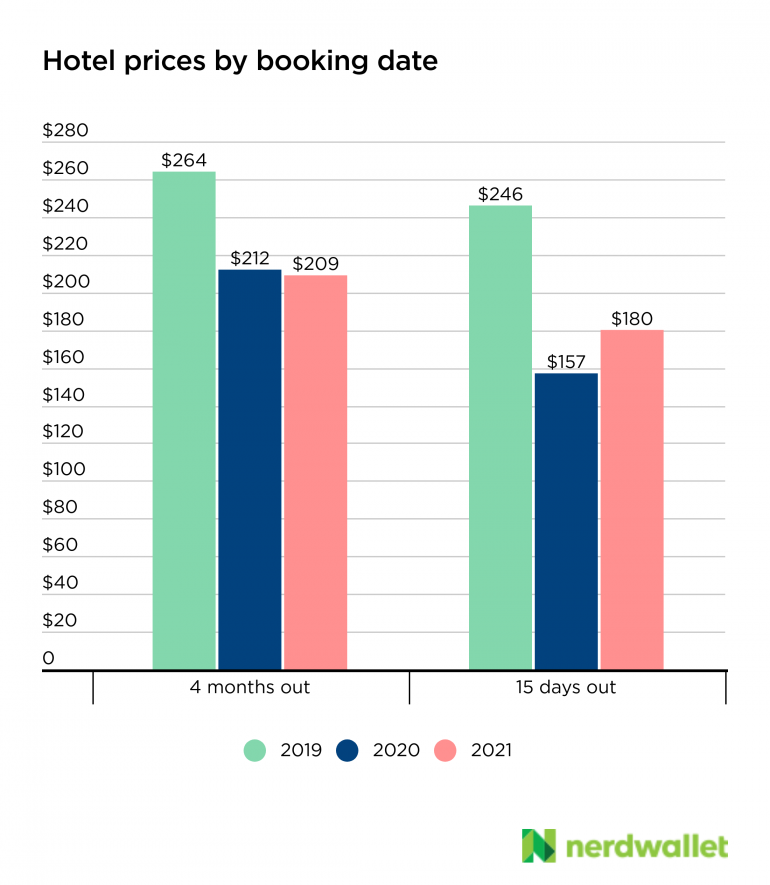
So, What’s the Verdict? Timing Your Hotel Reservation
To circle back to the original question: Do hotel prices go down closer to the date? The answer is generally no, especially for desirable hotels, popular destinations, and peak travel periods. While anecdotal evidence and specific niche situations might suggest otherwise, the prevailing trend, driven by sophisticated revenue management and high demand, sees prices either remaining stable or increasing as the date approaches.
Here’s a simplified guideline:
- Book in Advance (2-6 months out): This is the safest and often most cost-effective strategy for most leisure travel, especially for high-demand periods, popular destinations, or if you have specific preferences. You secure better availability, often better rates, and peace of mind.
- Be Strategic (1-2 months out): For less popular times or more flexible travel, this window allows you to monitor prices for potential dips, especially after major booking deadlines, but you still retain a good selection.
- Last-Minute (within 1-2 weeks): This is a high-risk, high-reward strategy. It generally only works well for highly flexible travelers during the absolute off-season, for business hotels on weekends, or if you’re prepared to accept whatever is left. Expect limited choices and often higher prices unless specific, unusual circumstances are at play.
Ultimately, the best approach for booking your next hotel stay depends on your individual travel style, flexibility, and priorities. For most travelers seeking value and a stress-free experience, planning ahead and booking early remains the golden rule in the dynamic world of hotel pricing.
LifeOutOfTheBox is a participant in the Amazon Services LLC Associates Program, an affiliate advertising program designed to provide a means for sites to earn advertising fees by advertising and linking to Amazon.com. Amazon, the Amazon logo, AmazonSupply, and the AmazonSupply logo are trademarks of Amazon.com, Inc. or its affiliates. As an Amazon Associate we earn affiliate commissions from qualifying purchases.