
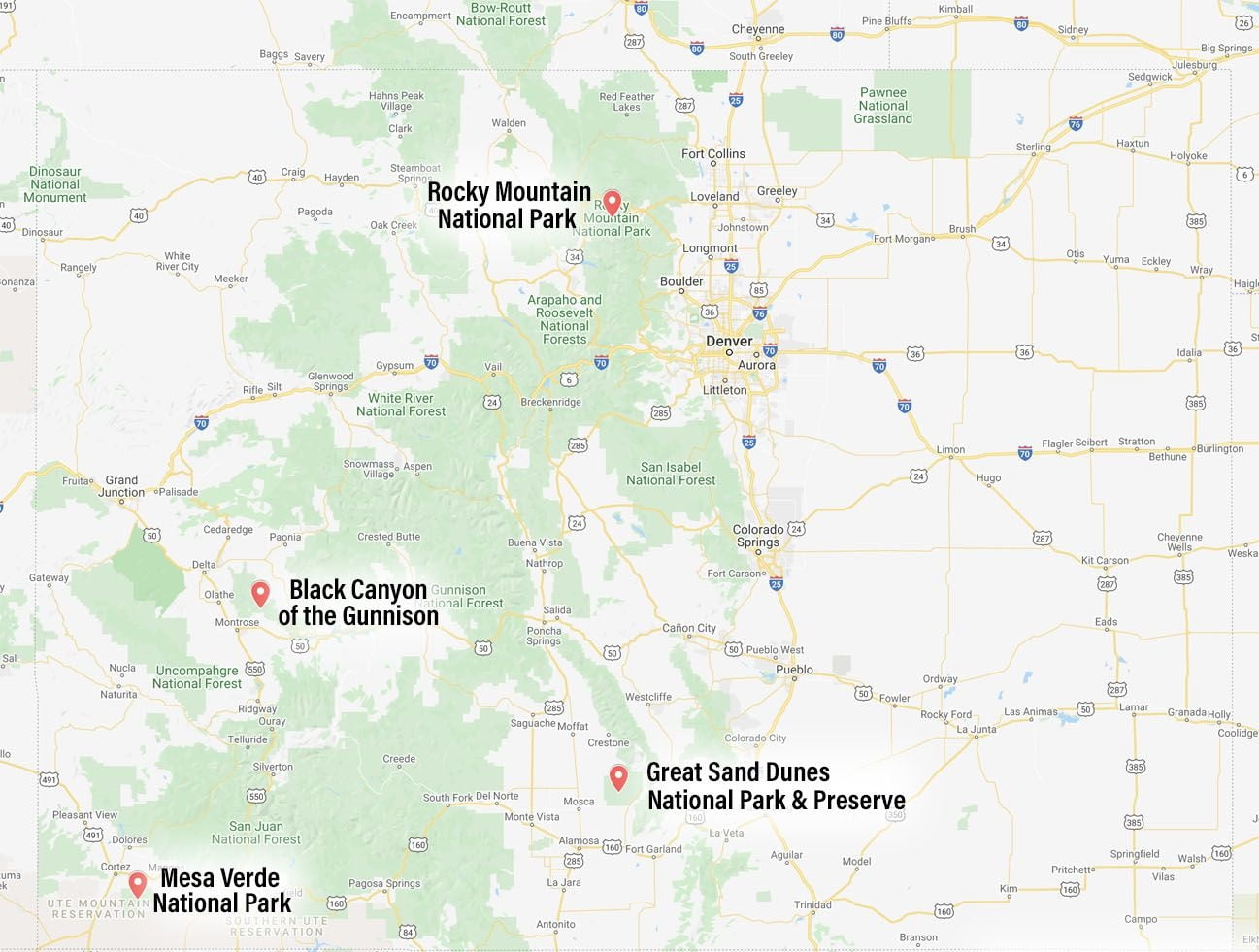
Colorado, a state synonymous with majestic mountains, sprawling plains, and ancient history, offers an unparalleled array of natural wonders for travelers seeking adventure, tranquility, and cultural immersion. For those curious about the pinnacle of its protected landscapes, the answer is clear: Colorado is home to four extraordinary National Parks. Each of these parks presents a unique ecosystem, a distinctive set of activities, and a compelling story, drawing millions of visitors annually. From the towering peaks of the Rocky Mountains to the mysterious dwellings of ancestral Puebloans and the surreal expanse of North America’s tallest sand dunes, these protected areas are jewels in the crown of the American West, promising unforgettable experiences for every type of explorer.
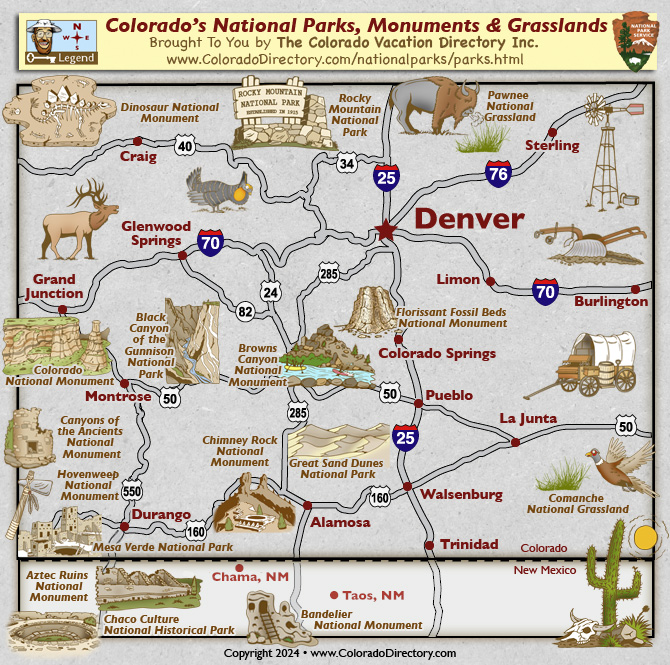
Discovering Colorado’s Majestic Four National Parks
Colorado’s National Parks are not just destinations; they are immersive journeys into diverse natural and cultural landscapes. Each offers a profound connection to the environment and history, making them essential stops on any comprehensive Colorado travel itinerary. Whether you’re an avid hiker, a history buff, a wildlife photographer, or simply seeking breathtaking scenery, these parks deliver. Understanding what each park offers will help you tailor your visit to create the ultimate outdoor adventure, supported by nearby accommodation options and local tourism insights.
Rocky Mountain National Park: Crown Jewel of the Rockies
Undoubtedly the most famous and most visited of Colorado’s National Parks, Rocky Mountain National Park is an icon of the American wilderness. Spanning over 415 square miles of pristine mountain environment, it boasts some of the highest peaks in the contiguous United States, with over 60 mountains exceeding 12,000 feet in elevation. The park’s diverse landscape ranges from montane ecosystems with lush valleys and forests to subalpine and alpine tundra zones, characterized by harsh winds and fragile ecosystems above the tree line.
A highlight of any visit is driving the renowned Trail Ridge Road, the highest continuous paved road in North America, which crosses the Continental Divide at an elevation of 12,183 feet. This spectacular scenic drive offers panoramic vistas of rugged peaks, deep valleys, and expansive skies, providing numerous pull-offs for photography and wildlife viewing. The park is a haven for wildlife, including large herds of elk, bighorn sheep, moose, mule deer, and a variety of smaller mammals like marmots and pikas.
For outdoor enthusiasts, Rocky Mountain National Park offers hundreds of miles of hiking trails, from easy lakeside strolls to challenging multi-day backcountry treks. Popular trails lead to serene spots like Bear Lake, Emerald Lake, and the awe-inspiring Longs Peak, the park’s highest summit. Camping is available in several campgrounds, but reservations are highly recommended due to high demand.
The charming gateway towns of Estes Park on the east side and Grand Lake on the west side provide a plethora of accommodation options, from cozy cabins and boutique hotels to luxury resorts, along with dining, shopping, and essential services. Visiting in summer allows access to all park roads and trails, while autumn offers spectacular fall foliage and the dramatic elk rut. Winter transforms the park into a snowy wonderland, popular for snowshoeing and cross-country skiing.
Mesa Verde National Park: A Journey Through Ancient Civilizations
Stepping into Mesa Verde National Park is like traveling back in time to an ancient world. Located in southwestern Colorado, this extraordinary park is a UNESCO World Heritage Site dedicated to preserving the rich archaeological heritage of the Ancestral Puebloans. For over 700 years, from 600 to 1300 AD, these ancient people built sophisticated communities within the mesa, culminating in the construction of elaborate cliff dwellings.
The park is famous for its exceptionally well-preserved cliff dwellings, intricate multi-story structures carved into the alcoves of canyon walls. Iconic sites include Cliff Palace, the largest cliff dwelling in North America, featuring 150 rooms and 23 kivas; Balcony House, known for its defensive design; and Spruce Tree House, one of the best-preserved and easily accessible cliff dwellings. Many of these sites can be explored via ranger-guided tours, which offer invaluable insights into the daily lives, culture, and mysteries surrounding the Ancestral Puebloans. Beyond the cliff dwellings, visitors can also see earlier architectural styles, such as pit houses and surface pueblos.
Activities within Mesa Verde include scenic drives, hiking trails that offer stunning views of the dwellings and canyons, and educational exhibits at the visitor centers. The park provides a profound opportunity for cultural tourism, allowing visitors to connect with ancient history and understand the ingenuity and resilience of past civilizations.
The nearby town of Cortez serves as the primary gateway, offering a range of accommodation options from budget-friendly motels to comfortable hotels and vacation rentals. It also provides essential services, restaurants serving local cuisine, and cultural attractions that complement a visit to the park. For those interested in extended stays, Cortez is an ideal base for exploring the wider Four Corners region.
Great Sand Dunes National Park and Preserve: North America’s Tallest Dunes
A truly unique and surprising landscape awaits visitors at Great Sand Dunes National Park and Preserve in south-central Colorado. Here, against the dramatic backdrop of the 14,000-foot Sangre de Cristo Mountains, lie the tallest sand dunes in North America, sculpted by prevailing winds over millennia. These massive dunes, some rising over 750 feet, create a surreal, otherworldly environment unlike any other national park.
The park’s creation is a fascinating geological story, involving wind, water, and sand trapped against the mountains. A seasonal phenomenon, Medano Creek, flows at the base of the dunes in late spring and early summer, creating a perfect playground for families to wade, splash, and “surf” the sand waves.
The primary activity here is dune climbing and hiking. There are no marked trails on the dunes themselves, inviting visitors to forge their own paths to the summits for unparalleled views of the dune field and surrounding landscapes. Sandboarding and sandsledding are incredibly popular, with specialized boards available for rent in nearby Alamosa and at the park’s store. It’s an exhilarating experience that combines outdoor adventure with pure fun, appealing to a wide range of lifestyles from family trips to more adventurous solo travel.
Beyond the iconic dunes, the park encompasses a diverse preserve area featuring forests, wetlands, alpine lakes, and tundra, offering traditional hiking opportunities. Great Sand Dunes is also designated an International Dark Sky Park, providing exceptional stargazing opportunities due to its remote location and minimal light pollution.
The town of Alamosa, roughly 35 miles away, offers a variety of hotels, motels, and local eateries. Within the park, the Pinon Flats Campground offers a popular camping experience, allowing visitors to stay immersed in the unique environment.
Black Canyon of the Gunnison National Park: Nature’s Grand Sculpture
For those seeking dramatic, raw beauty, Black Canyon of the Gunnison National Park delivers an awe-inspiring experience. Located in western Colorado, this park protects a spectacular 48-mile-long canyon, carved over millions of years by the mighty Gunnison River. What sets this canyon apart is its extreme depth, narrowness, and sheer, dark walls, leading to its distinctive “black” moniker. It is one of the steepest, narrowest, and deepest canyons in North America relative to its width.
The park offers two main rims accessible by car: the South Rim (near Montrose) and the North Rim (near Gunnison), each providing different perspectives and overlooks into the abyss. The South Rim, more developed and accessible, features numerous scenic overlooks like Painted Wall (the tallest sheer cliff in Colorado) and Gunnison Point, reached via a scenic drive. The North Rim is more rugged and less visited, offering a quieter experience with equally stunning, if not more intense, views.
Activities within Black Canyon primarily revolve around scenic drives, short hikes along the rims, and photography. For adventurous and experienced hikers, permits are required to descend into the inner canyon, where opportunities for technical climbing, extreme hiking, and challenging whitewater rafting on the Gunnison River await. This is truly a destination for those seeking a rugged, intense outdoor experience.
Similar to Great Sand Dunes, Black Canyon of the Gunnison is also certified as an International Dark Sky Park, providing exceptional opportunities for stargazing and astrophotography away from urban light pollution.
The towns of Montrose and Gunnison serve as gateway communities, offering a range of accommodation options including hotels, motels, and vacation rentals suitable for various travel budgets and preferences. Both towns also provide amenities such as restaurants, gas stations, and outdoor gear shops, making them convenient bases for exploring the park and surrounding areas.
Beyond the National Parks: Colorado’s Other Natural Treasures
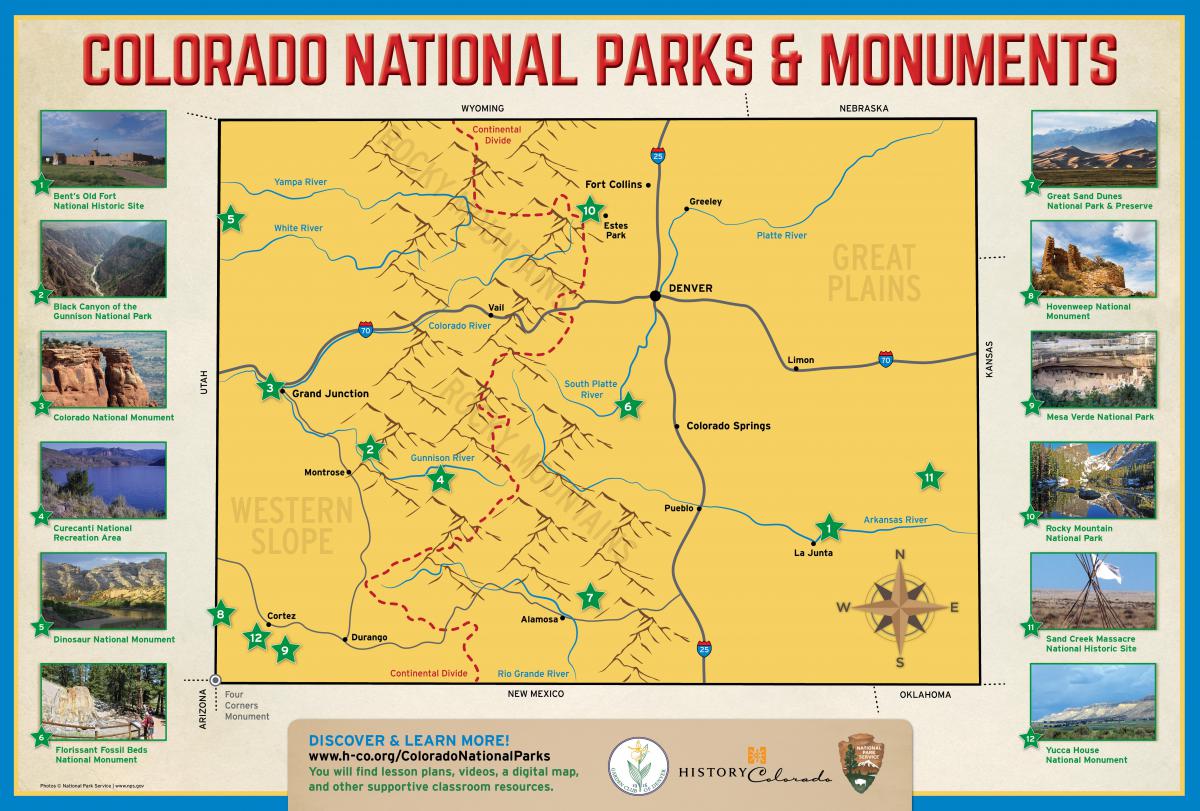
While Colorado’s four National Parks are undoubtedly spectacular, the state’s commitment to preserving its natural and cultural heritage extends far beyond these boundaries. The vast tapestry of Colorado’s landscapes is also protected through numerous National Monuments, National Forests, Wilderness Areas, and State Parks, each offering unique experiences and diverse outdoor adventures.
National Monuments often protect significant historical, archaeological, or natural features on a smaller scale than National Parks but with equal importance. Examples include:
- Colorado National Monument near Grand Junction, often called a “mini-Grand Canyon” with its vast canyons, towering monoliths, and semi-arid landscapes.
- Dinosaur National Monument, straddling the Colorado-Utah border, where visitors can view thousands of dinosaur fossils embedded in a rock wall.
- Hovenweep National Monument and Yucca House National Monument, which offer further insights into Ancestral Puebloan culture, complementing a visit to Mesa Verde.
- Browns Canyon National Monument, known for its spectacular granite cliffs, diverse wildlife, and world-class whitewater rafting on the Arkansas River.
- Chimney Rock National Monument, an archaeological site preserving the remnants of a large Ancestral Puebloan community with astronomical alignments.
Additionally, extensive National Forests and Wilderness Areas like the Roosevelt National Forest or the Maroon Bells-Snowmass Wilderness provide endless opportunities for hiking, camping, fishing, hunting, and winter sports, often offering a more secluded experience than the more popular National Parks. Colorado State Parks also provide numerous recreational facilities and protect a wide variety of landscapes, from lakes and reservoirs to forests and historical sites, ensuring that no matter where you are in the state, a natural escape is never far away.
Planning Your Colorado National Park Adventure
Embarking on a journey through Colorado’s National Parks requires thoughtful planning to maximize your experience. Given the diverse landscapes and activities available, a well-prepared trip ensures both safety and enjoyment.
Essential Tips for a Memorable Visit
- When to Visit: Each season offers a different experience. Summer (June-August) provides the warmest weather and full access to all areas, making it ideal for hiking and scenic drives, but also the busiest. Fall (September-October) brings stunning aspen foliage, cooler temperatures, and the dramatic elk rut in Rocky Mountain National Park, a favorite for wildlife photographers. Spring (April-May) sees melting snow, flowing creeks, and fewer crowds, though some roads and higher elevation trails may still be closed. Winter (November-March) offers opportunities for snowshoeing, cross-country skiing, and quiet solitude, transforming the parks into a snowy wonderland.
- What to Pack: Colorado’s weather can change rapidly, especially at higher elevations. Layers are essential, along with sturdy hiking boots, rain gear, sunscreen, a wide-brimmed hat, and plenty of water. Altitude sickness can be a concern, so stay hydrated and consider acclimatizing for a day in a lower elevation town before strenuous activities.
- Accommodation and Lodging: While camping within the parks offers an immersive experience, reservations for popular campgrounds can be competitive and often fill up months in advance. For those preferring more comfort, nearby gateway towns like Estes Park, Grand Lake, Cortez, Alamosa, Montrose, and Gunnison provide a wide array of options. These range from budget-friendly motels and charming bed-and-breakfasts to luxury hotels, suites, and resorts, catering to various preferences and budgets. Many offer amenities like pools, spas, and easy access to local dining and activities, enhancing your overall tourism experience. For extended stays or family trips, consider vacation rentals or apartments.
- Getting Around: A personal vehicle is highly recommended for exploring Colorado’s National Parks, as public transportation is limited. Some parks, like Rocky Mountain National Park, offer shuttle services during peak season, which can help navigate crowded areas.
- Entry Fees and Passes: Each park has an entry fee, typically valid for 7 days. If you plan to visit multiple parks or other federal lands throughout the year, purchasing an America the Beautiful Pass is a cost-effective option, offering access to all U.S. National Parks and federal recreation sites for a full year.
- Respecting Nature (Leave No Trace): To preserve these pristine environments for future generations, always practice Leave No Trace principles. Pack out everything you pack in, stay on marked trails, respect wildlife from a distance, and properly dispose of waste.
- Accessibility: National Parks strive to be accessible to all. Many visitor centers, popular viewpoints, and some trails are wheelchair-friendly. Check individual park websites for specific accessibility information.
Colorado’s four National Parks — Rocky Mountain, Mesa Verde, Great Sand Dunes, and Black Canyon of the Gunnison — offer an incredible spectrum of landscapes, histories, and adventures. From soaring alpine peaks and ancient cliff dwellings to towering sand mountains and dramatic river gorges, these protected areas encapsulate the raw beauty and rich heritage of the American West. Planning a trip to these iconic landmarks is not merely a vacation; it’s an opportunity for profound exploration, connecting with nature, and discovering the diverse lifestyles that define outdoor living in Colorado.
LifeOutOfTheBox is a participant in the Amazon Services LLC Associates Program, an affiliate advertising program designed to provide a means for sites to earn advertising fees by advertising and linking to Amazon.com. Amazon, the Amazon logo, AmazonSupply, and the AmazonSupply logo are trademarks of Amazon.com, Inc. or its affiliates. As an Amazon Associate we earn affiliate commissions from qualifying purchases.