
The aroma of slow-smoked pork wafting through the air is a universal delight, a culinary beacon that draws people together, whether in a backyard gathering at home or during an immersive food tour in a far-flung destination. Among the pantheon of barbecue greats, the pork Boston butt holds a special, almost revered, place. Known for its incredible versatility, rich marbling, and ability to transform into succulent pulled pork, it’s a staple for pitmasters and home cooks alike. But for those embarking on this delicious journey, one question often arises: “How long do you smoke a pork Boston butt?” The answer, much like the best travel experiences, is nuanced, depending on several factors that contribute to the ultimate, melt-in-your-mouth perfection. This isn’t just about cooking; it’s an exploration of patience, technique, and the rich culinary traditions that define local cultures around the globe, making it a perfect complement to a lifestyle centered on travel and unique experiences.
The Foundation of Flavor: Understanding the Boston Butt
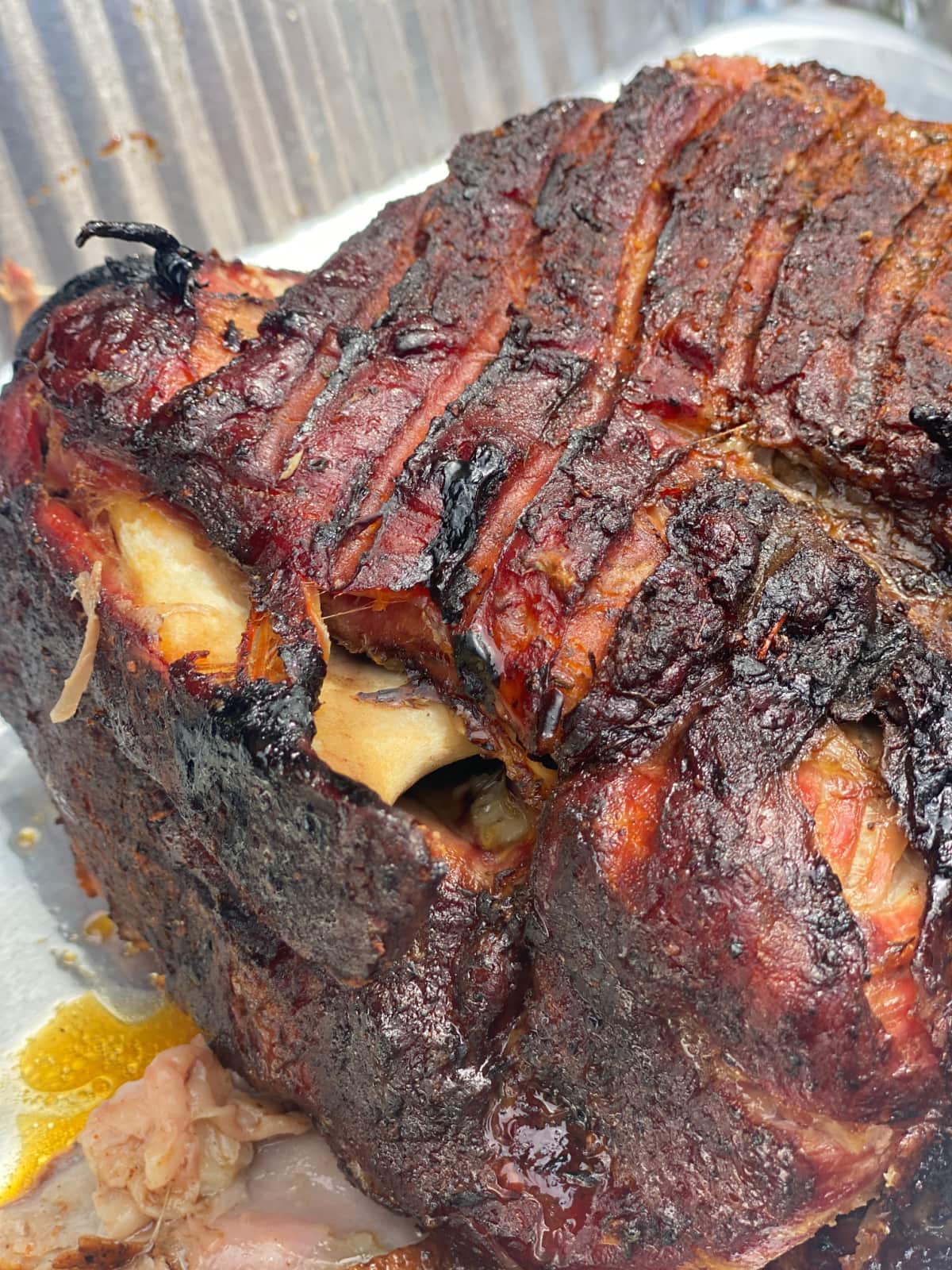
Before delving into timings, it’s essential to understand what a “Boston butt” truly is. Despite its name, which often conjures images of an animal’s rear, the Boston butt actually comes from the upper part of the pig’s shoulder, specifically the area that includes the shoulder blade. This cut is robust, fibrous, and generously marbled with intramuscular fat, making it an ideal candidate for low-and-slow cooking methods like smoking. The fat renders down during the extended cooking process, basting the meat from within, resulting in unparalleled tenderness and flavor. It’s the very definition of a cut that benefits from patience, rewarding the diligent cook with a truly unforgettable meal.
The popularity of the Boston butt in barbecue is deeply rooted in American culinary heritage, particularly across the southern states. From the tangy vinegar sauces of the Carolinas to the dry rubs of Memphis and the rich, saucy traditions of Kansas City, each region has embraced this cut, transforming it into iconic dishes that are often the highlight of any food-centric travel itinerary. Learning to smoke a Boston butt is not just acquiring a cooking skill; it’s engaging with a significant piece of local culture and food tourism.
Preparing Your Pork Boston Butt for the Pit
The journey to perfectly smoked pulled pork begins long before the butt ever sees the smoke. Proper preparation is crucial, acting as the prelude to the symphony of flavors that will develop.
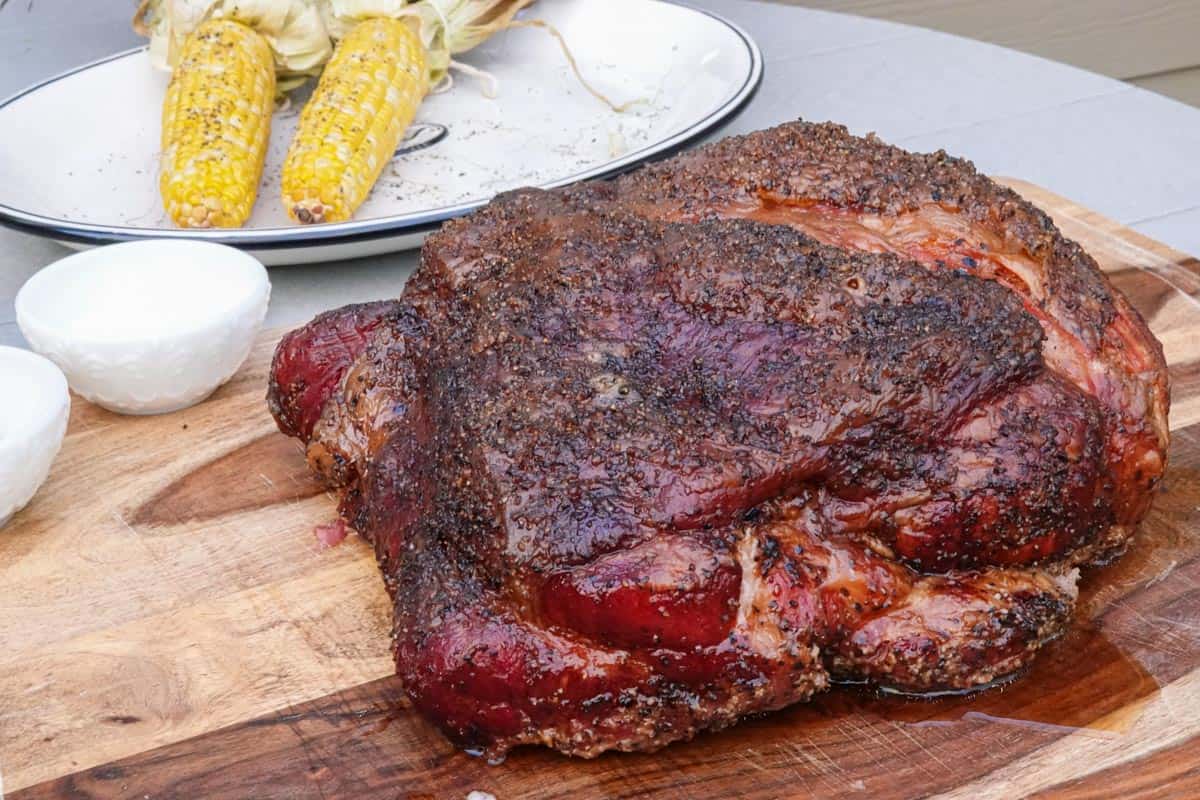
Trimming and Seasoning: While the Boston butt is famously forgiving, a bit of trimming can optimize the smoking process. Removing excessive fat caps, particularly on the top, allows the smoke and seasoning to penetrate more effectively. However, leaving a thin layer of fat can help keep the meat moist. The next vital step is seasoning. A good dry rub, often a blend of salt, pepper, paprika, brown sugar, garlic powder, and onion powder, is generously applied to all surfaces of the butt. This rub forms the flavorful “bark” that is so prized in smoked meats. For an even deeper flavor profile, some pitmasters opt for an injection marinade, often a mixture of apple juice, vinegar, and spices, which infuses moisture and taste directly into the meat. Allow the seasoned butt to rest in the refrigerator for several hours, or even overnight, to let the flavors meld and penetrate. This patient preparation is a reflection of the slow travel philosophy, where savoring each step leads to a richer overall experience.
The Art of Low and Slow: Time, Temperature, and Technique
The core of smoking a pork Boston butt lies in the principle of “low and slow.” This method breaks down the tough connective tissues, melts the intramuscular fat, and infuses the meat with smoky goodness. While there’s no single magic number for how long it takes, general guidelines and an understanding of the process are key.
The Ideal Smoking Environment
Maintaining a consistent temperature is paramount. Most pitmasters aim for a smoker temperature between 225°F (107°C) and 275°F (135°C). Within this range, the meat slowly cooks, absorbing smoke without drying out or becoming tough. The type of wood used also plays a significant role in the flavor profile. Common choices include hickory, apple, cherry, and oak, each imparting a distinct nuance. Hickory provides a strong, traditional barbecue flavor, while apple and cherry offer milder, fruitier notes that complement pork beautifully. Experimenting with different woods is an adventure in itself, akin to discovering new cuisines in destinations like Kyoto or Mexico City.
The Journey Through the Stall
A typical 8-10 pound pork Boston butt, smoked at 250°F (121°C), will generally take 1.5 to 2 hours per pound. This means a 10-pound butt could easily require 15 to 20 hours of smoking. However, this is merely an estimate, as the actual time can vary dramatically based on the meat’s size, shape, fat content, and the smoker’s consistency.
One of the most crucial phenomena to understand during this long cook is “the stall.” This is when the internal temperature of the meat, after steadily rising, plateaus for several hours, sometimes even dropping slightly. This occurs due to evaporative cooling, where moisture evaporating from the surface of the meat cools it down, much like sweat cools the human body. The stall is a test of patience, and trying to power through it by significantly raising the smoker temperature can lead to dry, less tender results. Embrace it as part of the process; it’s where the magic of tenderization truly happens.
The “Texas Crutch” and Resting for Perfection
To navigate the stall and potentially shorten the overall cook time while retaining moisture, many pitmasters employ the “Texas Crutch.” This involves wrapping the butt tightly in foil or butcher paper once it hits the stall (typically around 150-160°F / 65-71°C internal temperature). Wrapping helps trap moisture and push the meat through the stall more quickly. The butt then continues to cook until it reaches its target internal temperature, which for pulled pork, is usually between 195°F (90°C) and 205°F (96°C). The meat should feel incredibly tender when probed with a thermometer, offering little resistance, much like a perfectly ripe avocado.
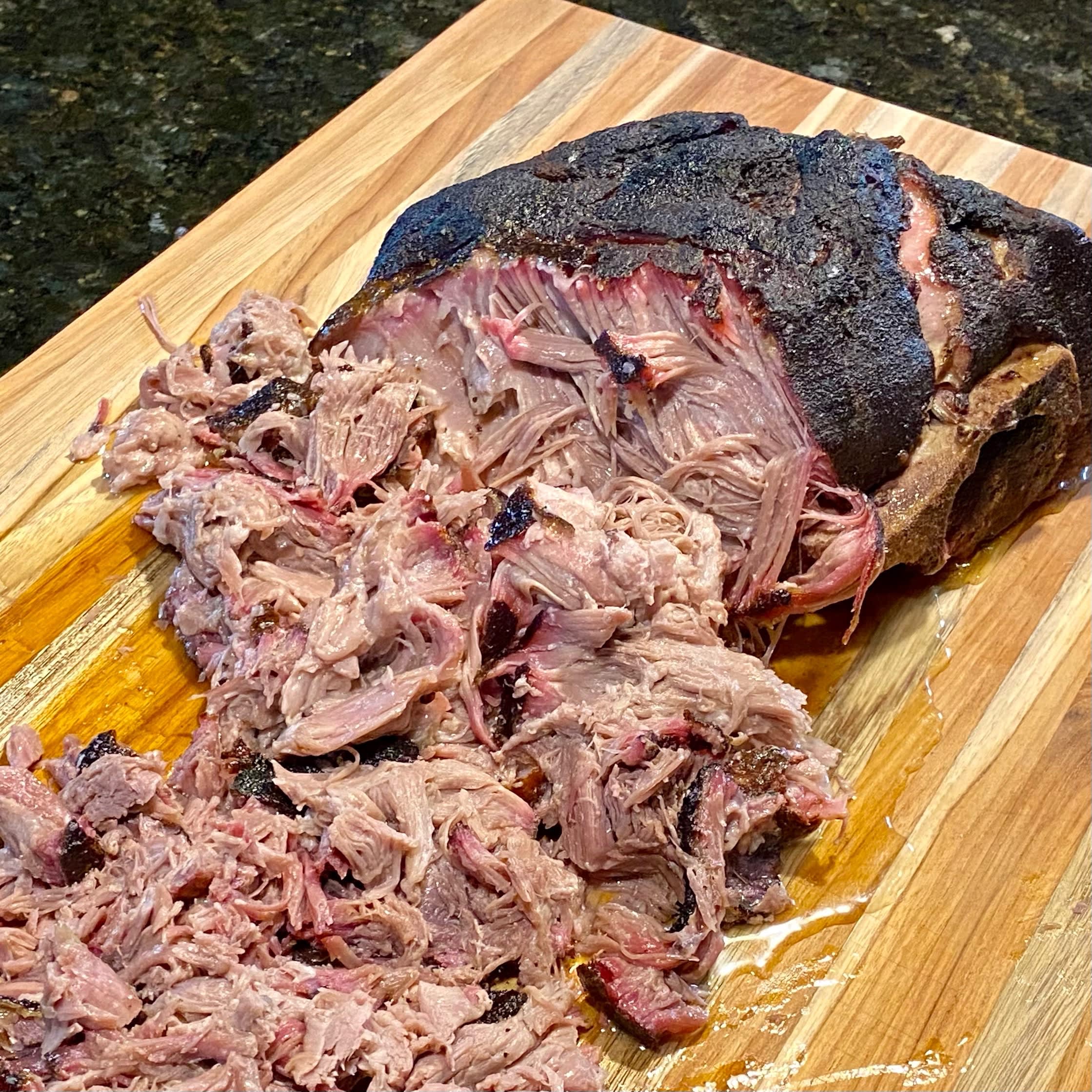
Once the butt reaches this internal temperature and tenderness, the cooking is not quite finished. Resting is arguably as important as the smoking itself. Remove the butt from the smoker (still wrapped if you used the crutch) and let it rest at room temperature for at least 1 to 2 hours, or even longer in a cooler to maintain heat. This allows the muscle fibers to relax and reabsorb the juices, resulting in a significantly moister and more flavorful product. Rushing this step is a common mistake that can undermine hours of careful smoking, akin to skipping the quiet moments of reflection after a grand travel adventure. After resting, the pork should be easily shreddable with forks or even your hands, ready to be sauced or served plain.
Culinary Journeys: BBQ Trails and Beyond
The pursuit of perfectly smoked pork isn’t just a kitchen endeavor; it’s a doorway to incredible travel experiences and cultural immersion. Barbecue is a regional language spoken with wood smoke and savory spices, offering a unique lens through which to explore different destinations.
Discovering Regional BBQ Styles
Imagine planning a road trip solely dedicated to tasting the diverse expressions of smoked pork across the United States. Start in Austin, the heart of Central Texas barbecue, where post oak smoke and brisket reign supreme, but pulled pork holds its own. Move eastward to the Mississippi Delta and Memphis, known for their dry rubs and tangy sauces, often served with a side of blues music. Head north to Kansas City, a barbecue mecca famous for its rich, sweet, and smoky sauces that cling to every strand of pulled pork.
Don’t forget the Carolinas, where barbecue is deeply ingrained in the state’s identity. From the whole hog traditions of eastern North Carolina with its vinegar-based sauces to the Lexington-style or Piedmont barbecue of western North Carolina, which favors a red, ketchup-based sauce with a hint of vinegar, it’s a journey of distinct flavors. These regional differences are not just about food; they are about history, local farming practices, and community identity, offering an authentic taste of local culture that goes beyond typical tourist attractions like the Eiffel Tower or the Taj Mahal.
Culinary Workshops and Luxury Retreats
For those who wish to elevate their pitmaster skills, culinary tourism offers incredible opportunities. Many destinations, particularly in regions renowned for their barbecue, host specialized smoking classes and workshops. Imagine spending a week at a boutique resort in the Texas Hill Country, learning the intricacies of smoking from a seasoned pitmaster, then retiring to a luxurious suite. Some high-end resorts and hotels, like the Grand Hyatt San Antonio or the Ritz-Carlton Reynolds, Lake Oconee in Georgia, now offer curated culinary experiences that include hands-on cooking classes. You might even find specialized courses at prestigious institutions like the Culinary Institute of America or programs inspired by Le Cordon Bleu adapted for local flavors.
These immersive experiences blend the joy of travel with the satisfaction of acquiring a new skill, transforming a simple vacation into a lifestyle enrichment. You’re not just observing; you’re participating in the local food scene, understanding the nuances of ingredients, and connecting with the heritage of the cuisine. This makes for far more memorable experiences than simply visiting famous landmarks or staying in conventional hotels.
Tips for the Aspiring Pitmaster, Wherever You Are
Whether you’re smoking a Boston butt in your backyard, at a vacation rental, or even dreaming of hosting a barbecue gathering during an extended stay abroad, a few tips can ensure success.
Choosing Your Smoker Wisely
The world of smokers is vast, ranging from traditional offset smokers to vertical smokers, pellet grills, and even electric models. For the traveler or someone with limited space, compact options like portable pellet grills or small electric smokers offer convenience without sacrificing flavor. These allow you to bring the joy of smoked meats to different accommodations, whether it’s a charming apartment in Barcelona or a spacious villa in Tuscany (assuming local regulations and host permissions, of course!). Understanding the nuances of each smoker type can enhance your cooking journey and integrate seamlessly with various travel lifestyles, from adventurous camping in the Smoky Mountains to a luxury glamping experience in the Outer Banks.
Sourcing Quality Ingredients
The quality of your pork butt directly impacts the final product. Look for cuts with good marbling and a fresh, healthy color. If traveling, explore local butcher shops and markets, as these often offer superior cuts and can connect you with local farmers. This exploration of local food sources is a cornerstone of responsible tourism and a fantastic way to engage with the culture of your destination, much like seeking out the freshest seafood in the Florida Keys or the finest spices in a market in Marrakech. Many hotels, like the Four Seasons Resort Orlando, are increasingly focusing on farm-to-table initiatives, making it easier for guests to access high-quality local ingredients.
Beyond the Butt: The Experience
Smoking a Boston butt is more than just cooking a piece of meat; it’s an experience. It’s the patience required during the long hours, the sensory delight of the smoky aroma, the camaraderie of sharing the finished product with loved ones, and the profound satisfaction of creating something truly delicious from scratch. This process mirrors the most rewarding aspects of travel: the journey often matters as much as the destination. It’s about slowing down, appreciating the process, and savoring the outcome, whether that’s a perfect pulled pork sandwich or a breathtaking sunset viewed from a remote Patagonian lodge.
In cities like Savannah or Nashville, barbecue joints are social hubs, reflecting the heart and soul of their communities. Even in New Orleans, famous for its Creole and Cajun cuisine, you’ll find places that put their unique spin on smoked pork. The communal aspect of barbecue, much like dining on Bourbon Street or strolling the San Antonio River Walk, fosters connection and cultural exchange.
Conclusion: The Reward of Patience
So, how long do you smoke a pork Boston butt? The definitive answer lies not in a fixed number of hours but in the journey itself – a journey of patience, precision, and passion. It’s about trusting the process, understanding the meat, and allowing time and smoke to work their magic. While a good estimate is 1.5 to 2 hours per pound at 225-275°F (107-135°C), the true readiness is indicated by an internal temperature of 195-205°F (90-96°C) and, most importantly, unparalleled tenderness.
This slow-smoked masterpiece embodies the essence of a travel-inspired lifestyle. It’s about taking the time to truly experience something, whether it’s the subtle shifts in temperature during a long smoke, the unique flavors encountered on a food tour through Oklahoma City or St. Louis, or the rich cultural tapestry woven into every meal shared with newfound friends. The Boston butt, transformed from a humble cut of meat into a succulent culinary delight, stands as a testament to the rewards that patience, dedication, and a spirit of adventure can bring to both the kitchen and the wider world of travel. It’s an experience that nourishes not just the body, but the soul of the discerning traveler and food enthusiast.
LifeOutOfTheBox is a participant in the Amazon Services LLC Associates Program, an affiliate advertising program designed to provide a means for sites to earn advertising fees by advertising and linking to Amazon.com. Amazon, the Amazon logo, AmazonSupply, and the AmazonSupply logo are trademarks of Amazon.com, Inc. or its affiliates. As an Amazon Associate we earn affiliate commissions from qualifying purchases.