
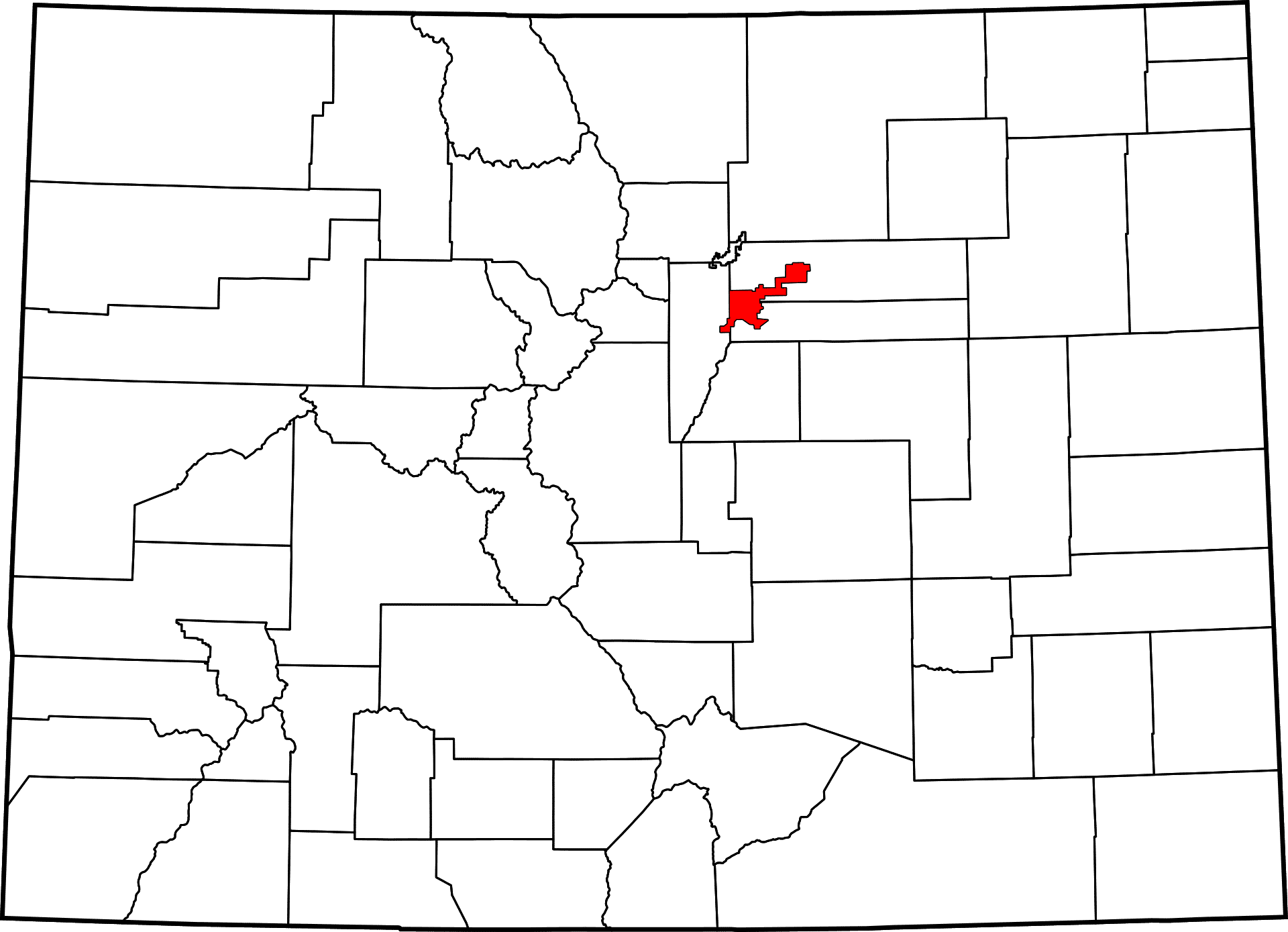
When planning a trip to the Mile High City, understanding its unique administrative structure can provide a fascinating layer of insight into its history, governance, and the vibrant experience it offers. For many visitors, the question “What is the county for Denver, Colorado?” might seem straightforward. However, the answer reveals something special about Denver: it is a consolidated city and county. This means that Denver’s municipal government also functions as its county government, making it an administrative entity unlike many other major cities in the United States.
This unique status impacts everything from local politics to the delivery of public services, and ultimately, the cohesive travel experience within its borders. For those seeking destinations rich in culture, adventure, and diverse accommodations, delving into this aspect helps paint a fuller picture of what to expect. From navigating its bustling downtown to exploring its numerous parks and districts, the unified nature of Denver streamlines many aspects of urban life and tourism. It creates a coherent identity, ensuring that city planning, historical preservation, and economic development are all managed under one umbrella, fostering a consistent environment for residents and travelers alike.
Understanding Denver’s Unique Administrative Structure
The concept of a consolidated city and county might sound complex, but it’s essentially an elegant solution that Denver adopted to manage its growth and governance efficiently. This administrative model ensures that there is no separate county government to contend with, simplifying bureaucratic processes and often leading to more integrated urban planning and public services.
The Consolidated City and County of Denver Explained
The City and County of Denver was established in 1902 and officially enacted in 1904. This consolidation merged what was previously the City of Denver with Arapahoe County, creating a single governmental entity responsible for both municipal and county functions. In practical terms, this means that services typically handled by a county government, such as public health, welfare, courts, and elections, are managed by the same officials and departments that oversee traditional city services like police, fire, public works, and parks.
This streamlined approach can lead to greater efficiency and accountability. Instead of two layers of government potentially overlapping or conflicting, Denver operates with a singular focus on its inhabitants and urban landscape. For travelers, this often translates into a more seamless experience, as public transportation, city maintenance, and tourism initiatives are typically coordinated without the complications of inter-governmental disputes. When you visit Denver, you are experiencing the direct result of this unified approach, from well-maintained streets to coordinated cultural events, all operating under a cohesive administrative vision.
Historical Context of Denver’s Formation
The decision to consolidate the city and county was driven by a desire for greater administrative efficiency and to address the rapid growth Denver experienced in the late 19th century following the Colorado Gold Rush. As the city expanded, the existing county structure, which saw Denver as merely one municipality within a larger Arapahoe County, became unwieldy. Political leaders and citizens sought a way to better manage urban development, infrastructure, and public services without the fragmentation often associated with separate city and county administrations.
The move was controversial at the time, particularly among rural areas of Arapahoe County that felt their interests might be overshadowed by the burgeoning metropolis. However, the vision for a unified, self-governing Denver ultimately prevailed. This historical context is important because it underscores Denver’s long-standing commitment to pragmatic governance and its forward-thinking approach to urban planning. It’s a city built on the premise of self-sufficiency and integrated development, which continues to shape its identity as a leading destination in the Western United States. The legacy of this consolidation is evident in the cohesive urban fabric and the strong sense of local identity that defines the City and County of Denver today.
Navigating Denver: What the County Status Means for Visitors
Understanding Denver’s consolidated city and county status is more than just a historical or administrative detail; it has practical implications for visitors. It defines the geographical scope of what is considered “Denver proper,” influences how public services are organized, and ultimately shapes the tourist experience. When you explore the city, you’re always within this single, unified jurisdiction, which simplifies navigation and access to amenities.
Geographic Scope and Major Districts
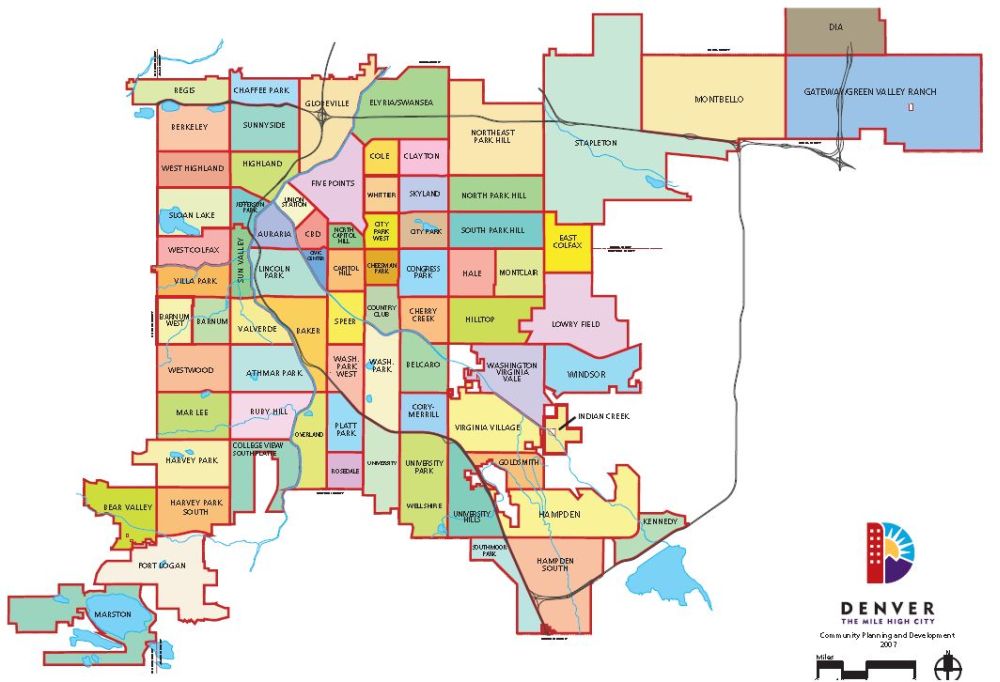
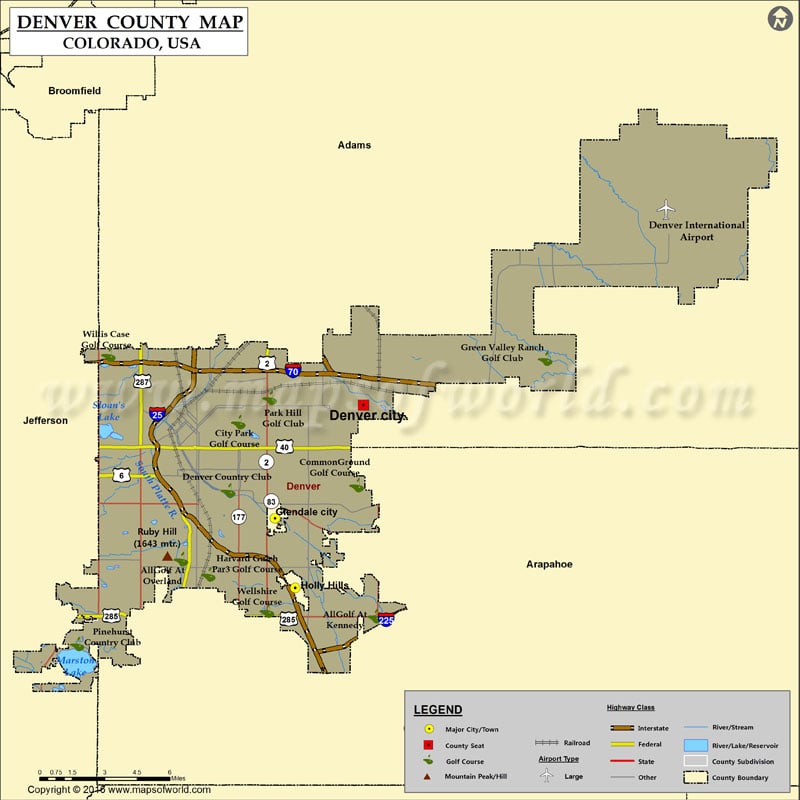
The boundaries of the City and County of Denver encompass approximately 155 square miles, providing a vast yet coherent area for exploration. This means that iconic neighborhoods and major attractions are all within the same administrative framework, ensuring consistent signage, public safety, and service standards. From the bustling energy of Downtown Denver to the vibrant artistic expressions of the River North Art District (RiNo), and the upscale boutiques of Cherry Creek, visitors are consistently within the City-County’s jurisdiction.
Major districts like LoDo (Lower Downtown), known for its historic buildings, vibrant nightlife, and proximity to Coors Field, are integral parts of Denver’s county. The same applies to the cultural institutions clustered around Civic Center Park and the sprawling green spaces like City Park. For travelers, this unified geography means that whether you’re staying in a hotel near the Colorado State Capitol or exploring the residential charm of the Highlands neighborhood, you’re always operating under the same set of local guidelines and benefiting from a consistent level of public service. This makes planning your itinerary, from attractions to dining, remarkably straightforward.
Public Services and Infrastructure
The consolidated nature of Denver means that essential public services and infrastructure are managed under a single, cohesive plan. This has significant advantages for visitors. For instance, the public transportation system, primarily operated by the Regional Transportation District (RTD), provides seamless connectivity across the entire city and into surrounding areas, with fares and routes integrated into a single network. You won’t find different transit authorities operating within the city limits.
Parks and recreation facilities, like the expansive City Park or the Denver Botanic Gardens, are meticulously maintained by city departments, ensuring beautiful and accessible green spaces for everyone. Public safety, provided by the Denver Police Department and Denver Fire Department, operates uniformly across all neighborhoods, providing a consistent sense of security. Even the city’s approach to sustainability and urban development, such as bike lanes and pedestrian-friendly zones, benefits from this unified planning. For a visitor, this means a consistent level of service, safety, and ease of navigation throughout your stay, contributing to a more enjoyable and stress-free travel experience.
Unveiling Denver’s Charms: Top Attractions and Experiences Within the County
Denver’s consolidated city and county status ensures that its incredible array of attractions and experiences are all part of a singular, well-managed urban tapestry. From world-class museums to historic landmarks and vibrant cultural districts, the city offers something for every type of traveler. The coherent governance allows for seamless planning and operation of these sites, making Denver an outstanding travel destination.
Iconic Landmarks and Cultural Hubs
Within the City and County of Denver, a wealth of iconic landmarks and cultural institutions await discovery. The Denver Art Museum, with its striking architecture and diverse collections spanning centuries and continents, stands as a beacon of artistic expression. Just a short walk away, the Colorado State Capitol building, with its distinctive gold dome, offers tours that delve into Colorado’s legislative history and provide panoramic views of the city and the Rocky Mountains.
For those interested in history, the Molly Brown House Museum tells the captivating story of the “Unsinkable” Molly Brown, a Titanic survivor and social activist. The History Colorado Center offers interactive exhibits detailing the state’s rich past, from its indigenous roots to its modern-day innovations. Nature lovers will find solace and beauty at the Denver Botanic Gardens, a 24-acre oasis featuring diverse plant collections, stunning landscapes, and inspiring art installations. For family fun, the Denver Zoo, located within City Park, houses thousands of animals from around the globe, making it a favorite for all ages. Meanwhile, the historic Union Station in LoDo has been beautifully restored, serving as a transportation hub, boutique hotel, and a bustling destination for dining and shopping. These landmarks, all within the county, showcase Denver’s commitment to preserving its heritage while fostering a vibrant cultural scene.
Culinary Adventures and Lifestyle
Denver’s culinary scene is as diverse as its landscapes, offering everything from award-winning fine dining to casual breweries and food trucks, all thriving within the unified county limits. The RiNo Art District is not only famous for its vibrant street art and galleries but also for its trendy eateries, craft breweries, and innovative cocktail bars, reflecting Denver’s dynamic and artistic lifestyle. Visitors can spend an entire day exploring murals, then settling into a unique restaurant for dinner, followed by live music.
LoDo continues to be a hotspot for nightlife and upscale dining, with numerous restaurants offering diverse cuisines and lively atmospheres. The 16th Street Mall, a mile-long pedestrian promenade, offers a plethora of dining options, shops, and entertainment, perfect for a leisurely stroll. For a more sophisticated experience, the Cherry Creek neighborhood boasts high-end restaurants, luxury boutiques, and a refined ambiance. Even the more residential areas like the Highlands offer charming local cafes, farm-to-table restaurants, and boutique shops that embody the city’s unique blend of urban sophistication and laid-back Colorado charm. The consolidated county status ensures that health regulations, business licenses, and urban planning consistently support this flourishing culinary and lifestyle scene, making it easy for visitors to explore and indulge in Denver’s vibrant offerings.
Finding Your Ideal Stay: Accommodation Options in Denver County
For travelers venturing to Denver, the abundance of accommodation options within its unified city-county structure provides a significant advantage. This administrative setup ensures consistent standards across various districts, allowing visitors to choose their ideal lodging based on their travel style, budget, and desired location, without worrying about fragmented services or regulations.
Diverse Lodging Choices for Every Traveler
Denver offers a spectrum of lodging experiences, from luxurious high-rise hotels in the heart of the city to charming boutique inns and extended-stay apartments. For those seeking opulence, the historic Brown Palace Hotel and Spa, a true Denver landmark, provides an iconic stay with its magnificent architecture and impeccable service. Modern luxury options include the Four Seasons Hotel Denver or the Ritz-Carlton, Denver, both offering world-class amenities and prime downtown locations, perfect for business or leisure travelers.
Mid-range options are plentiful and often include well-known chains like the Hyatt Regency Denver at Colorado Convention Center or the Embassy Suites by Hilton Denver Downtown Convention Center, providing comfortable stays with excellent access to major attractions. Budget-conscious travelers will find numerous reputable hotels and motels along key thoroughfares, especially towards the outskirts of downtown, offering clean and convenient accommodation without breaking the bank. For longer stays or those desiring more space and flexibility, serviced apartments and vacation rentals are readily available across various neighborhoods, providing a home-away-from-home experience. The consistency of city services throughout the county ensures that no matter where you choose to stay, you’ll benefit from well-maintained infrastructure and public safety.
Booking Tips and Neighborhood Highlights for Stays
When booking accommodation in Denver, considering your itinerary and preferred ambiance is key. If you’re planning to immerse yourself in the city’s vibrant nightlife, sports events, and major attractions like Union Station or Coors Field, staying in LoDo or the central downtown area is ideal. This puts you within walking distance or a short public transport ride of many key sites, including the Denver Performing Arts Complex and Ball Arena.
For a more upscale and chic experience, consider hotels in Cherry Creek. This neighborhood is known for its luxury shopping, fine dining, and sophisticated atmosphere, offering a more relaxed yet refined stay. Travelers looking for an authentic local feel, with access to trendy boutiques, unique eateries, and a strong community vibe, might prefer the Highlands or RiNo Art District. These areas offer a mix of boutique hotels and charming guesthouses, often close to independent art galleries and lively social spots.
Family travelers might find hotels near City Park appealing, providing easy access to the Denver Zoo and Denver Museum of Nature & Science. Booking in advance, especially during peak seasons like summer or ski season, is highly recommended to secure the best rates and availability. Utilize online booking platforms to compare prices and read reviews, ensuring your chosen accommodation perfectly aligns with your travel needs and expectations within the cohesive and well-serviced City and County of Denver.
In conclusion, understanding that Denver, Colorado, is a consolidated city and county is more than just a piece of administrative trivia. It’s a fundamental aspect of its identity that shapes the entire visitor experience. This unique governmental structure has fostered a city with streamlined services, consistent urban development, and a cohesive cultural landscape. From its iconic landmarks and vibrant cultural hubs to its diverse culinary scene and varied accommodation options, everything within Denver’s borders operates under a singular, efficient vision. This makes navigating its dynamic neighborhoods, enjoying its myriad attractions, and finding the perfect place to stay an integrated and enjoyable endeavor. When you visit Denver, you are not just exploring a city; you are experiencing the harmonious synergy of a self-governing entity that prides itself on offering a unified, high-quality experience to everyone who steps foot in the Mile High City.
LifeOutOfTheBox is a participant in the Amazon Services LLC Associates Program, an affiliate advertising program designed to provide a means for sites to earn advertising fees by advertising and linking to Amazon.com. Amazon, the Amazon logo, AmazonSupply, and the AmazonSupply logo are trademarks of Amazon.com, Inc. or its affiliates. As an Amazon Associate we earn affiliate commissions from qualifying purchases.