
Navigating the bustling streets of New York is an integral part of the quintessential Big Apple experience, and for many, that journey involves the iconic yellow cab. From the moment you touch down at one of its major airports to the late-night dash after a Broadway show, understanding the cost of a cab ride is crucial for both budget-conscious travelers and those seeking a seamless, luxurious experience. More than just a simple fare, the price of a cab in New York City is influenced by a myriad of factors, including time of day, distance, tolls, and various surcharges. For visitors planning their itineraries and accommodations, knowing these details can significantly impact overall travel expenses and decision-making, helping you decide when to splurge on convenience and when to opt for the extensive public transportation network. This guide will break down the intricacies of New York cab fares, explore popular routes, compare ride-sharing alternatives, and provide essential tips to help you budget for your urban adventures, whether you’re visiting Times Square or exploring the hidden gems of Greenwich Village.

Deciphering the Iconic Yellow Cab Fares in New York City
The yellow cab is more than just a means of transport; it’s a symbol of New York City. But beneath its recognizable exterior lies a complex fare structure that can sometimes catch visitors by surprise. Understanding these components is the first step to accurately estimating your ride costs and managing your travel budget effectively. The city’s taxi system, regulated by the Taxi and Limousine Commission (TLC), ensures a standardized pricing model, but various add-ons can quickly accumulate.
The Core Fare Structure and Surcharges
Every yellow cab ride in New York City begins with a base fare of $2.50. From there, the meter ticks up based on distance and time. For every 1/5 of a mile (approximately 0.32 km) traveled or every 60 seconds stuck in traffic or waiting, an additional $0.50 is added. This combination of distance and time makes fares dynamic, heavily influenced by Manhattan’s notorious traffic congestion. On top of this, several surcharges apply. There’s a $1.00 peak-hour surcharge between 4:00 PM and 8:00 PM on weekdays, and a $0.50 night surcharge between 8:00 PM and 6:00 AM. A state tax of $0.50 is added to all rides, along with a $0.30 MTA (Metropolitan Transportation Authority) tax. Most significantly, rides that begin, end, or pass through Manhattan south of 96th Street incur a $2.50 congestion surcharge, a measure aimed at reducing traffic in the borough’s busiest areas. For those traveling with specific needs, an additional $1.00 is charged for rides paid for by credit card, though most cabs now feature integrated payment systems that make this seamless. Understanding these stacked fees is crucial, especially when planning multi-stop tours of landmarks or navigating between different hotel accommodations. For instance, a short hop from a hotel near Central Park to a restaurant in the Theater District during rush hour will feel the impact of both the peak-hour and congestion surcharges, making even a seemingly short distance surprisingly pricey.
Navigating Tolls and Tipping Etiquette
Beyond the meter and surcharges, tolls are another significant factor that can add to your cab fare, especially if your journey involves crossing bridges or tunnels to or from different boroughs or New Jersey. Major crossings like the Holland Tunnel, Lincoln Tunnel, Queens Midtown Tunnel, Brooklyn Battery Tunnel, Verrazzano-Narrows Bridge, and George Washington Bridge all have tolls, which are passed directly onto the passenger. These tolls can range from a few dollars to nearly $20 for specific routes or times, and the driver will typically pay them electronically, adding the exact amount to your final bill. It’s always a good idea to factor these in when estimating longer trips, particularly when considering airport transfers or exploring beyond Manhattan to areas like Brooklyn or Queens.
Finally, tipping is an essential part of the New York service culture and something you should always budget for. The standard tip for a cab driver is 15-20% of the total fare. For excellent service, especially when drivers navigate heavy traffic efficiently, handle luggage, or offer helpful local insights, a tip closer to 20% is customary. Many modern cabs have credit card machines that offer easy tipping options, allowing you to select a percentage directly on the screen before finalizing payment. Failing to tip adequately is generally considered impolite and deviates from local customs. When considering the total cost of a cab ride, particularly for tourist groups or those with significant luggage, these additional costs for tolls and gratuity can easily add another $5-$25 to your total, transforming a $30 fare into a $40-$50 expense.
Getting Around: Cab Fares from Key New York Locations
For tourists and business travelers alike, understanding typical cab fares from major transit hubs and between popular districts is essential for planning itineraries and managing expectations. Whether you’re arriving from out of town or simply moving between New York City’s iconic landmarks, these common routes provide practical examples of what you can expect to pay.
Airport Transfers: JFK, LaGuardia, and Newark
Airport transfers are often one of the first and most critical cab rides for any visitor to New York. Each of the three major airports serving the city has different pricing structures for yellow cabs:
- JFK Airport to Manhattan: This is a fixed-fare route. A yellow cab from JFK Airport to any destination in Manhattan costs $52.00, regardless of traffic or exact distance within the borough. On top of this, you’ll add a $0.50 state tax, a $0.30 MTA tax, a $4.50 peak-hour surcharge (weekdays 4 PM – 8 PM, making the base fare $56.50 during these times), and the $2.50 congestion surcharge for trips to Manhattan below 96th Street. Factor in tolls if applicable (though often included in the flat rate calculation for JFK) and a 15-20% tip, and a total ride can easily range from $70 to $85.
- LaGuardia Airport to Manhattan: Unlike JFK, rides from LaGuardia Airport operate on the standard metered fare, meaning the cost fluctuates with distance and traffic. A typical ride to Midtown Manhattan can range from $30-$45, plus tolls (e.g., Queens Midtown Tunnel), surcharges (night/peak hour, congestion), and tip. Expect a total of $45-$65 for most trips.
- Newark Liberty International Airport to Manhattan: While Newark is a convenient option, it’s located in New Jersey, making yellow cab fares significantly higher due to interstate tolls and regulations. A trip usually involves a meter fare, additional charges for tolls (like the Holland Tunnel or Lincoln Tunnel), and a state-mandated New Jersey surcharge. Total costs can easily reach $80-$100+ including tip. Many travelers find alternative transport, such as AirTrain Newark combined with NJ Transit trains to Penn Station in Manhattan, to be more cost-effective.
Popular City Routes and Inter-Borough Travel
Within Manhattan and for travel between boroughs, cab fares are entirely metered and subject to the various surcharges. Understanding approximate costs for common routes can help you budget for sightseeing and dining.
- Midtown Manhattan to Lower Manhattan (Financial District): A ride covering this distance, say from a hotel near Rockefeller Center to Wall Street or One World Trade Center, typically ranges from $20-$30, including the congestion surcharge and tip, but excluding significant traffic delays.
- Times Square to Upper East Side or Upper West Side: These cross-town or uptown trips are usually shorter, costing around $15-$25 including tip, provided traffic is moderate. This is often a convenient choice for visitors staying in hotels like The Plaza Hotel or The St. Regis New York who want to catch a Broadway show.
- Manhattan to Brooklyn or Queens: Traveling to neighborhoods like Dumbo in Brooklyn or Long Island City in Queens will incur metered fares plus bridge/tunnel tolls. A trip from Midtown to Williamsburg might be $30-$40, while a longer journey to Flushing Meadows-Corona Park in Queens could be $45-$55, all inclusive of tolls and tips. These costs are significant when considering accommodation options outside Manhattan to save on hotel rates.
Always consider using a fare estimator app or simply asking the driver for an approximate cost (excluding tip) for longer journeys, especially if you’re unfamiliar with the routes or are traveling during peak hours.
Beyond the Yellow Cab: Exploring Ride-Shares and Public Transport
While the yellow cab is an icon, New York City offers a diverse array of transportation options. For many travelers, ride-sharing services and the robust public transport network provide cost-effective or situationally advantageous alternatives, impacting overall travel expenses and the visitor experience.
Understanding Uber and Lyft in NYC
Ride-sharing services like Uber and Lyft have become incredibly popular in New York City, offering a convenient alternative to traditional yellow cabs. Their pricing model, however, is dynamic and can vary significantly. Base fares are often comparable to yellow cabs, but surge pricing during high demand (e.g., bad weather, rush hour, late nights, or major events) can cause prices to skyrocket, sometimes exceeding yellow cab fares for the same route. Conversely, during off-peak times, Uber or Lyft might be slightly cheaper or offer more competitive flat-rate options for certain airport routes or longer distances.
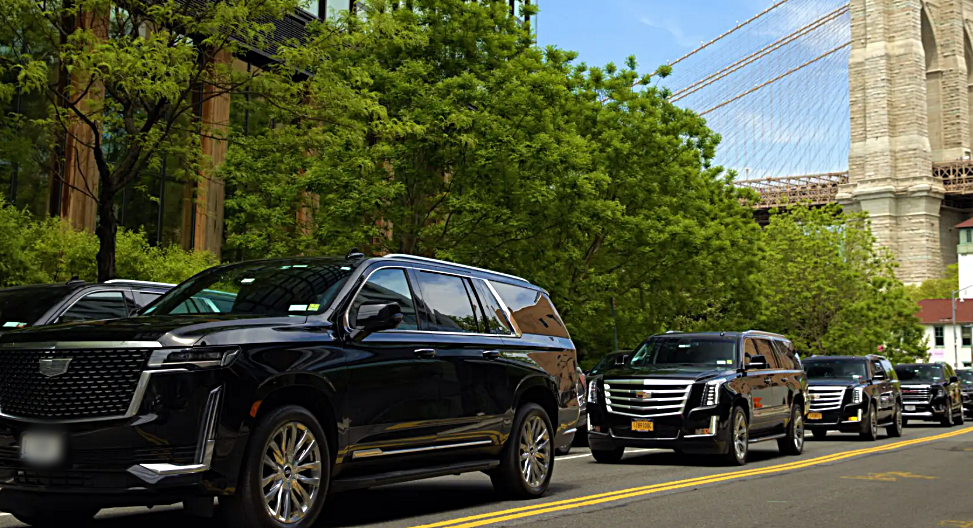
A key advantage of ride-sharing apps is transparency: you get an upfront fare estimate before booking, which includes all tolls and surcharges (though not always a separate tip, which you add after the ride). This can be particularly helpful for budgeting. For airport transfers, Uber and Lyft offer competitive flat rates to/from JFK and LaGuardia Airport, often similar to or slightly above yellow cab prices after all surcharges and tips are factored in for the yellow cabs. For Newark Liberty International Airport, Uber and Lyft often provide a more predictable and sometimes more affordable alternative to yellow cabs, as they avoid some of the complex interstate regulations. When traveling with family or a group, services like UberXL or Lyft XL can also be more economical than taking two separate yellow cabs. It’s always wise to check both a yellow cab fare estimator (if available for your route) and the Uber/Lyft apps simultaneously to compare costs before deciding.
The Indispensable New York City Subway and Bus System
For budget travelers and those looking to truly experience the local rhythm, New York City’s public transportation system — the subway and bus — is unparalleled in its reach and affordability. A single ride costs $2.90, making it by far the most economical way to traverse the city. An unlimited 7-day MetroCard for $34.00 offers even greater value for tourists planning extensive sightseeing.
The New York City subway operates 24/7, connecting all boroughs except Staten Island (which has its own free ferry and local buses). It’s the fastest way to get around Manhattan and reach major landmarks like the Empire State Building, Museum of Modern Art, or even the Statue of Liberty ferry terminal. Buses offer an alternative for routes not covered by the subway or for scenic above-ground travel, though they can be slower due to traffic. While public transport might lack the door-to-door convenience of a cab, especially with luggage or during late hours, it significantly reduces travel expenses.
For instance, an airport transfer from JFK to Manhattan via AirTrain JFK and subway costs around $11.15 per person, a fraction of the cab fare. From LaGuardia Airport, a bus (Q70 LaGuardia Link Select Bus Service) to the subway or Long Island Rail Road (LIRR) also costs just a single MetroCard swipe. Even from Newark Liberty International Airport, the AirTrain and NJ Transit option costs around $15-$20 per person. Incorporating public transport into your travel plan allows you to allocate more of your budget to experiences like dining, shows, or upgrading your hotel stay. Many hotels, even luxury ones like The Langham or The Peninsula New York, are conveniently located near subway stations, making public transit a viable option even for discerning travelers.
Budgeting Your Big Apple Adventure: Cabs, Lifestyle, and Luxury
How much you spend on cab rides in New York City ultimately depends on your travel lifestyle and priorities. From luxurious, time-sensitive business trips to family vacations on a tighter budget, transportation choices play a pivotal role in the overall cost and enjoyment of your stay.
The Convenience Factor: Time, Comfort, and Accessibility
For many, the primary appeal of a New York cab is its unparalleled convenience. Cabs offer door-to-door service, making them ideal for carrying luggage to and from hotels, navigating the city late at night, or simply when you’re short on time. For business travelers, time is money, and a cab can ensure punctual arrival at meetings in the Financial District or Midtown without the hassle of deciphering subway maps or dealing with transfers. Similarly, families traveling with young children or those with accessibility needs often find cabs to be a far more comfortable and less stressful option than crowded public transport, especially during peak hours.
Luxury travelers staying at high-end accommodations like the Grand Hyatt or The Ritz-Carlton New York, Central Park might prioritize comfort and efficiency over cost. For them, a cab is not just transport but an extension of their seamless travel experience. Being able to hop into a cab right outside a five-star restaurant or after a visit to the Guggenheim Museum, without worrying about directions or transfers, adds significant value. This lifestyle choice ensures maximum enjoyment of the city’s attractions and hospitality, even if it means a higher daily transportation spend. While cabs may cost more, the time saved and the comfort gained can be priceless for certain travel styles, allowing more time to explore famous places like the Brooklyn Bridge or enjoy local food experiences.
Balancing Costs for Budget and Family Travelers
For budget-conscious visitors, frequently relying on cabs can quickly deplete funds meant for other experiences like dining, shows, or unique local activities. When every dollar counts, a strategic approach to transportation is key. This often means combining walking, which is arguably the best way to experience New York City’s vibrant street life and discover hidden gems, with extensive use of the subway and bus system. For instance, exploring neighborhoods like SoHo, Chelsea Market, or the Lower East Side can largely be done on foot after a single subway ride.
Families, while sometimes benefiting from cabs’ convenience, can also find their costs adding up quickly. A family of four taking multiple cab rides a day might spend over $100 just on transportation. A more budget-friendly approach involves utilizing the subway for longer distances and reserving cabs for specific, high-priority situations, such as late-night returns to their hotel, transfers to airports with heavy luggage, or when traveling to destinations not easily accessible by public transport, like some parts of The Bronx. Purchasing a weekly unlimited MetroCard can be a huge saver for families, allowing them to ride public transit as often as needed without worrying about individual fares. Many family-friendly accommodations, including apartments and extended-stay hotels, are strategically located near subway stations, making this a practical and cost-effective strategy for enjoying New York without breaking the bank.
Making the Smart Choice: When to Splurge on a Cab in New York City
While the New York City subway and bus system offers incredible value, there are distinct situations where a yellow cab or ride-share is not just a luxury, but a strategic and often necessary choice. Understanding these scenarios can enhance your travel experience and ensure your journey through the Big Apple is as smooth as possible.
Enhancing Your Tourist Experience and Evening Ventures
For tourists keen on maximizing their sightseeing without expending too much energy on navigating public transport, a cab can be a game-changer. Imagine spending a full day exploring the Metropolitan Museum of Art and then wanting to catch a quick ride to Washington Square Park for a different vibe, or heading to the Flatiron Building for that iconic photo opportunity. Cabs offer direct routes, saving precious time and energy that can be better spent enjoying the sights. This is particularly true when you’re trying to squeeze multiple landmarks or neighborhoods into a tight schedule.
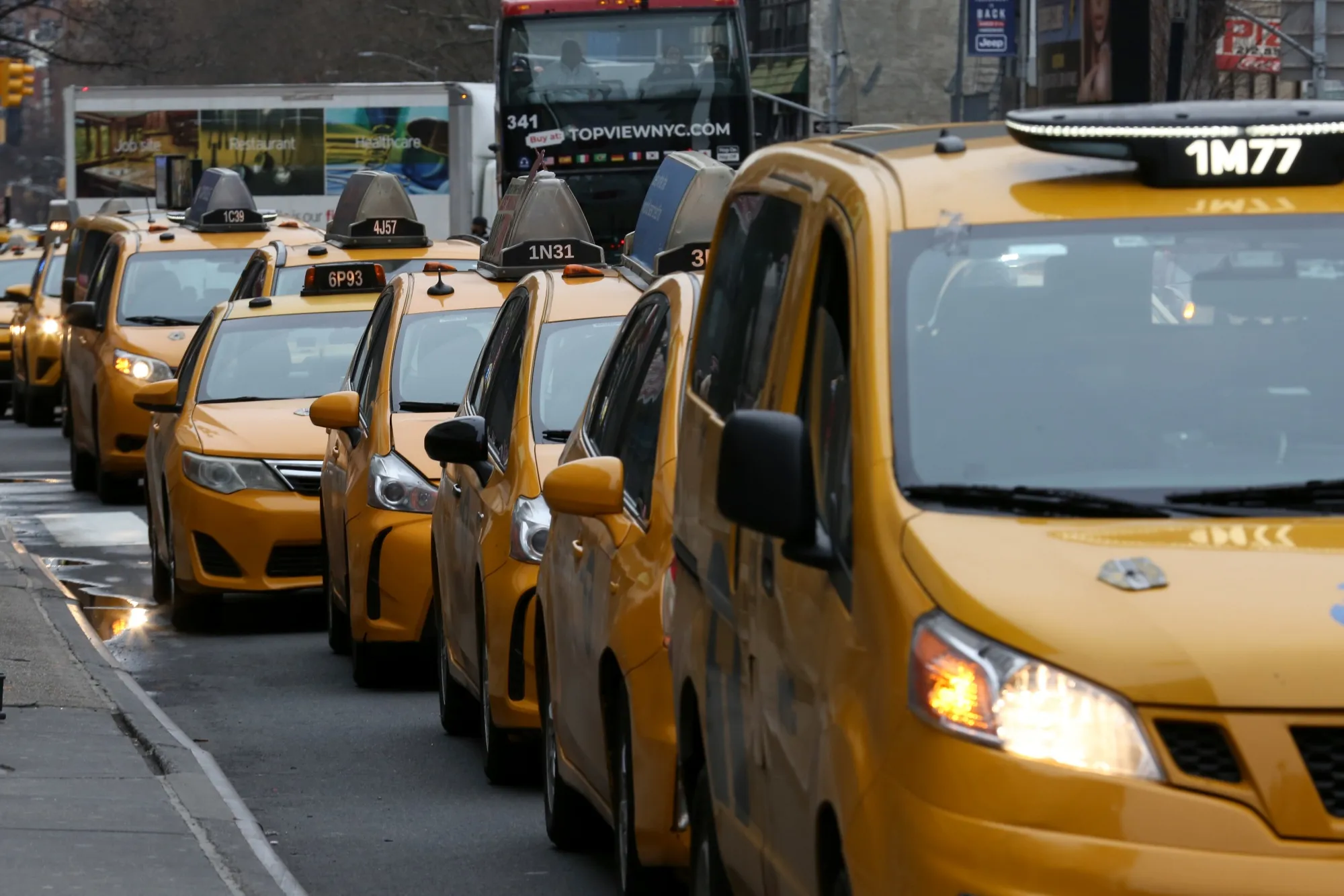
Evening ventures also often call for a cab. After a fantastic dinner in Little Italy or a mesmerizing Broadway show, the convenience of hailing a cab to your hotel is unparalleled. Public transportation can be crowded, and navigating stations late at night might feel less comfortable for some, especially if you’re tired or unfamiliar with the area. Cabs provide a safe, direct, and comfortable return, allowing you to fully relax and reflect on your day’s experiences without added stress. This is part of the “experience” of New York that many are willing to pay a premium for, aligning with a lifestyle that prioritizes enjoyment and comfort during a vacation.
Strategic Cab Use for Business and Special Occasions
For business travelers, time is a critical asset. Punctuality for meetings in the Financial District or at Grand Central Terminal can be vital. A cab eliminates the uncertainty of subway delays or bus traffic, offering a reliable means to get to appointments on schedule. The ability to work or make calls in a private vehicle, rather than a crowded subway car, also adds to productivity, making the investment in a cab ride a justifiable business expense.
Furthermore, cabs are often the preferred choice for special occasions. Celebrating an anniversary with a lavish dinner, attending a gala event, or simply wanting to arrive in style at a specific venue often warrants the comfort and elegance of a taxi. Picture yourself dressed up for a night out, heading to a luxurious hotel lounge like The Peninsula New York or The St. Regis New York; a cab ensures a smooth and elegant transition. For those with luggage, shopping bags from Fifth Avenue, or returning from a long day of travel, the convenience of a cab far outweighs the cost, turning a potentially arduous journey into a seamless part of the overall luxury travel experience. Even for getting to specific attractions like the Tenement Museum or The High Line with less walking, a cab can provide that extra layer of ease.
In conclusion, understanding cab fares in New York City is about more than just a dollar amount; it’s about making informed choices that align with your travel style, budget, and priorities. Whether you opt for the iconic yellow cab, a dynamic ride-share, or the efficient subway, New York offers transportation solutions for every type of traveler. By knowing the costs, surcharges, and alternatives, you can navigate this vibrant metropolis confidently, ensuring your focus remains on experiencing all the magic the city has to offer.
LifeOutOfTheBox is a participant in the Amazon Services LLC Associates Program, an affiliate advertising program designed to provide a means for sites to earn advertising fees by advertising and linking to Amazon.com. Amazon, the Amazon logo, AmazonSupply, and the AmazonSupply logo are trademarks of Amazon.com, Inc. or its affiliates. As an Amazon Associate we earn affiliate commissions from qualifying purchases.