
Navigating the roads of a new destination can be one of the most exciting, yet potentially bewildering, aspects of any travel adventure. From understanding local customs to deciphering street signs, every detail contributes to a smooth and enjoyable journey. For visitors and new residents alike exploring the vibrant landscapes of the Sunshine State, a common question often arises at intersections: “Can you turn on red in Florida?” The simple answer is yes, generally, but with crucial caveats that every driver must understand to ensure safety and avoid infractions.
Florida, known for its sprawling coastlines, bustling theme parks, and picturesque cities like Miami and Orlando, operates under specific traffic laws designed to keep both motorists and pedestrians safe while maintaining efficient traffic flow. Understanding these rules is not just about legality; it’s about embracing the Florida lifestyle with confidence, whether you’re heading to the historic streets of St. Augustine, the pristine beaches of Sarasota, or the natural wonders of Everglades National Park. This guide will delve into the nuances of Florida’s turn-on-red laws, providing essential insights for a seamless travel experience, from the moment you pick up your rental car to checking into your boutique hotel in South Beach.
Navigating the Sunshine State: Understanding Florida’s Right-on-Red Law
Driving through Florida can be a truly picturesque experience, offering diverse scenery from urban skylines to tranquil coastal routes. However, to fully appreciate the journey and reach your desired landmarks or resorts without incident, a firm grasp of local traffic regulations is paramount. The right-on-red law is perhaps one of the most frequently encountered rules that can vary slightly from state to state, making it a point of potential confusion for out-of-state drivers.
The General Rule: Right on Red is Permitted (Mostly)
In Florida, as in most other states across the United States, the general rule is that a driver is permitted to make a right turn on a red traffic signal after coming to a complete stop. This allowance is rooted in the principle of facilitating traffic flow, reducing unnecessary delays, and conserving fuel by not requiring vehicles to wait at an empty intersection. However, this is not an open invitation to proceed without caution. The operative phrase here is “after coming to a complete stop.” Failing to halt your vehicle entirely before initiating the turn is a traffic violation that can result in a fine and points on your driving record.
Once you have brought your vehicle to a full stop, you must then yield the right-of-way to all pedestrians and cross traffic that is legally proceeding through the intersection. This includes vehicles approaching from your left, cyclists, and anyone crossing the street, even if they are not in a marked crosswalk. Safety is the utmost priority. A right turn on red should only be executed when the path is entirely clear, and you can complete the maneuver without impeding the flow of other traffic or endangering pedestrians. This rule applies whether you’re driving through the bustling streets of Tampa or the quieter avenues of Naples, making it a universal driving principle throughout the state.
Crucial Exceptions: When You Cannot Turn Right on Red
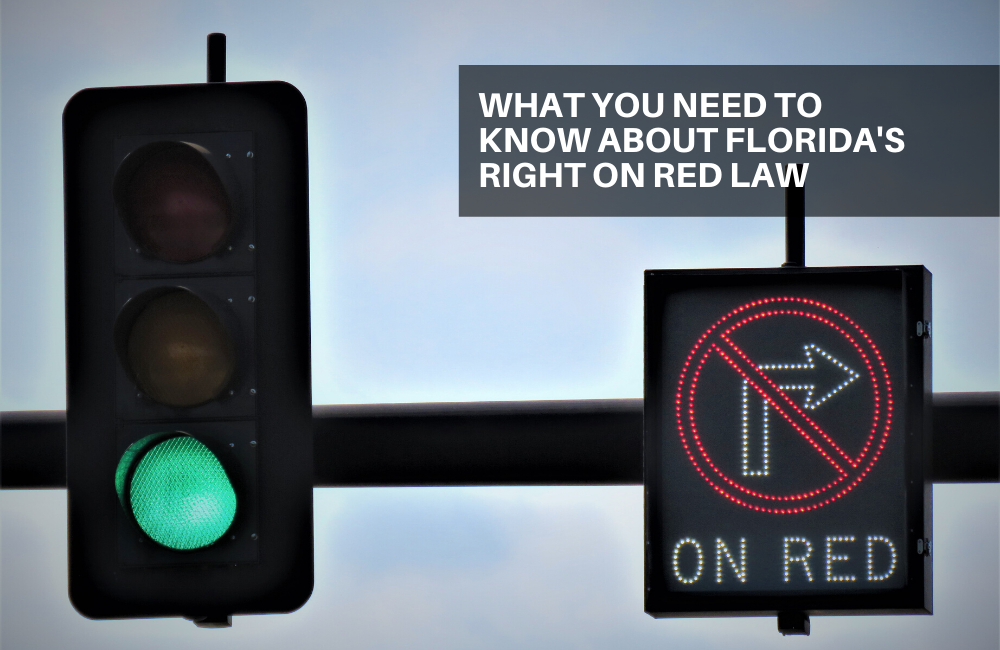
While the general rule allows right turns on red, there are critical exceptions that drivers must always be aware of. Ignoring these exceptions can lead to dangerous situations and legal penalties. The most common and unequivocal exception is the presence of a “No Turn on Red” sign. These signs are typically rectangular, white with black lettering, and clearly posted at the intersection. They mean precisely what they say: no right turn is permitted when the light is red, regardless of traffic conditions. Such signs are often found in areas with high pedestrian traffic, complex intersections, or specific traffic management needs, such as near major Orlando attractions like Walt Disney World Resort or Universal Orlando Resort, where pedestrian safety is paramount.
Furthermore, even in the absence of a “No Turn on Red” sign, you are prohibited from turning right on red if doing so would endanger a pedestrian or interfere with cross traffic. This rule is particularly relevant in densely populated areas like Miami Beach or Key West, where sidewalks are frequently busy. Specific lane requirements can also dictate whether a turn is permissible; for instance, if you are not in a designated right-turn lane, you may not be allowed to turn right. Always pay attention to lane markings and overhead signs. Complex intersections with multiple turn lanes or intricate traffic light sequencing also demand extra vigilance. Before initiating any turn on red, take a moment to assess the entire intersection, looking for any signs, pedestrians, or vehicles that might complicate your maneuver.
The Less Common Scenario: Left on Red in Florida
While the right-on-red rule is a common feature of driving in Florida, the concept of turning left on a red light is a much rarer occurrence. Many drivers, especially those unfamiliar with specific state laws, might assume it’s universally prohibited. However, Florida, like a handful of other states, does allow for left turns on red under very precise circumstances. Understanding this specific exception is vital, particularly when navigating urban environments with numerous one-way streets.
When Left on Red is Permitted: The One-Way Street Exception
In Florida, a left turn on a red light is permitted only when you are turning from a one-way street onto another one-way street. This is a very specific condition and significantly different from the right-on-red rule. Just like the right-on-red rule, you must first bring your vehicle to a complete stop at the red light. After stopping, you must yield the right-of-way to any pedestrians in the intersection and any traffic proceeding from the other direction on the one-way street you are turning onto. The turn can only be made when it is safe to do so without interfering with other road users.
This rule is designed to optimize traffic flow in areas where the road network is predominantly composed of one-way streets, often found in the downtown cores of larger cities. For example, in parts of Jacksonville or even smaller historic districts, you might encounter such intersections. The logic is similar to the right-on-red rule: if there is no conflicting traffic due to the one-way nature of both streets, then allowing the turn enhances efficiency. However, it is crucial to re-emphasize that this is the only scenario where a left turn on red is legally allowed in Florida. Attempting a left turn on red from a two-way street or onto a two-way street is illegal and dangerous.
Dangers and Precautions for Left on Red
Given its rarity compared to right-on-red turns, the left-on-red maneuver from one one-way street to another carries a heightened level of risk and requires extreme caution. The primary danger lies in potential confusion, not just for the driver executing the turn, but also for other motorists and pedestrians who might not expect such a movement. Always assume that other drivers may not be aware of this specific exception, and proceed with an abundance of caution.

Before making a left turn on red, it is imperative to double-check all street signs and confirm unequivocally that both the street you are on and the street you are turning onto are indeed one-way. Look for the distinct “One Way” signs, typically rectangular with an arrow indicating the direction of traffic. Never make assumptions. If there is any doubt whatsoever, it is always safer to wait for the green light. Furthermore, be hyper-aware of pedestrians, especially in urban areas where foot traffic can be unpredictable. While this rule exists to aid traffic flow, it should never compromise safety. Tourists exploring cities like St. Petersburg to visit the Salvador Dalí Museum or heading to the beaches of Clearwater Beach should prioritize caution and familiarity with local signage to ensure a safe and incident-free journey.
Driving in Florida: Tips for Tourists and Travelers
Driving in Florida offers unparalleled freedom to explore its diverse attractions, from the thrilling rides of Busch Gardens Tampa Bay to the tranquil beauty of Amelia Island. For many visitors, renting a car is essential to experience all that the Sunshine State has to offer. However, a successful road trip goes beyond knowing how to turn on red; it involves understanding a broader set of local driving customs and regulations.
Renting a Car and Hitting the Road
For tourists, the journey often begins at one of Florida’s major airports, such as Orlando International Airport or Miami International Airport, where numerous car rental agencies operate. Before you even pull out of the parking lot, it’s wise to familiarize yourself with the vehicle and its controls. Many rental cars come equipped with GPS navigation systems, which can be invaluable, especially when navigating unfamiliar routes to your Hyatt Regency Orlando or another accommodation. However, always exercise human judgment; GPS can sometimes give outdated directions or not account for immediate traffic conditions or temporary road closures.
Before hitting the road, take a few minutes to review basic Florida traffic laws. While rental agencies typically don’t provide extensive legal briefings, a quick online search can yield a wealth of information. Consider familiarizing yourself with key routes, such as the scenic Florida Keys Scenic Highway or the Interstate systems connecting major cities. Awareness of peak traffic hours, especially around popular tourist destinations, can also help you plan your drives more efficiently, allowing you to spend less time in congestion and more time enjoying your vacation.
Beyond Red Lights: Other Key Florida Driving Laws to Remember
While understanding turn-on-red laws is crucial, Florida has several other significant driving regulations that every motorist, particularly visitors, should be aware of.
- Speed Limits: Speed limits vary significantly across the state. Interstates typically have limits of 70 mph, while major highways might range from 55-65 mph. Within urban areas, speed limits are generally much lower, often 30-45 mph, and even lower in school zones. Always pay attention to posted signs, as speed traps are not uncommon.
- Toll Roads: Florida has an extensive network of toll roads, especially around major metropolitan areas and leading to popular destinations. Many of these roads are now cashless, relying on electronic toll collection systems like SunPass or E-Pass. If your rental car comes with a transponder, understand how it works and any associated fees from the rental company. Otherwise, you could be billed later with administrative charges.
- Pedestrian Laws: Florida unfortunately has a high incidence of pedestrian accidents. Drivers are legally required to yield to pedestrians in marked crosswalks and, often, even at unmarked intersections. Always be vigilant, especially when driving in areas with high foot traffic like Downtown Disney or Fort Lauderdale’s Las Olas Boulevard.
- Move Over Law: This important safety law requires drivers to move over a lane (or slow down to 20 mph below the posted speed limit if changing lanes is unsafe) when passing stopped emergency vehicles, law enforcement, utility service vehicles, or tow trucks that are actively working on the roadside.
- Weather Considerations: Florida’s weather can change rapidly. Sudden, heavy rain showers are common, especially during the summer. These “liquid sunshine” downpours can severely reduce visibility and make roads slick. Adjust your speed, increase following distance, and turn on your headlights. Also, be aware of hurricane season (June 1 – November 30), which can impact travel plans and road conditions significantly.
Enhancing Your Florida Experience: Safe Driving and Seamless Travel
Understanding the intricacies of Florida’s traffic laws, including the nuances of turning on red, is more than just about avoiding tickets; it’s about crafting a safe, stress-free, and ultimately more enjoyable travel experience. Driving through the Sunshine State can be an integral part of your adventure, offering the freedom to explore at your own pace and discover hidden gems off the beaten path.
The Impact on Your Florida Vacation and Lifestyle
A well-informed driver is a confident driver. When you understand the rules of the road, including when and how to safely execute a turn on red, you contribute significantly to a peaceful and enjoyable vacation. Avoiding fines and, more importantly, preventing accidents means you spend your precious time experiencing Florida’s wonders rather than dealing with unexpected hassles. This stress-free approach allows you to fully immerse yourself in the local culture, whether it’s sampling fresh seafood in Destin, exploring the vibrant art scene in Sarasota, or relaxing on the idyllic shores of Siesta Key.
The ability to navigate confidently also unlocks the full potential of Florida’s diverse offerings. From the space-age marvels of the Kennedy Space Center Visitor Complex to the historic charm of St. Augustine, many of Florida’s most iconic attractions require a vehicle to reach. Safe driving ensures you can journey from your comfortable accommodation at The Breakers Palm Beach to a distant landmark without a second thought, making the drive itself part of the adventure.

From Hotels to Landmarks: Driving as Part of the Journey
Think of your car not just as a mode of transport, but as your gateway to the authentic Florida experience. It connects you directly to the heartbeat of the state, allowing you to seamlessly transition from luxurious resorts and budget-friendly hotels to captivating natural landscapes and vibrant urban centers. Whether your lifestyle leans towards luxury travel in Palm Beach or adventurous, budget-conscious trips through the Panhandle near Panama City Beach, understanding local driving rules empowers your travel choices.
The process of driving becomes entwined with the journey of discovery. Turning correctly at an intersection might lead you to a quaint seafood shack off the main road, or a beautiful overlook you wouldn’t have found otherwise. It’s about respecting the destination and its inhabitants, ensuring that your presence enhances, rather than detracts from, the local experience. By being a responsible and informed driver, you contribute positively to the overall tourism environment, setting a good example and ensuring that the roads remain safe and accessible for everyone. Your accommodation might be a destination in itself, but the journey to and from it, marked by confident and lawful driving, is equally important in creating lasting travel memories.
In conclusion, the answer to “Can you turn on red in Florida?” is a qualified yes. Right turns on red are generally permitted after a complete stop and yielding to all traffic and pedestrians, unless explicitly prohibited by a sign. Left turns on red are only allowed under the specific condition of turning from a one-way street onto another one-way street. By adhering to these rules and embracing a cautious, informed approach to driving, you can ensure your Florida adventure is as smooth and enjoyable as the state’s beautiful open roads. Drive safely, explore confidently, and savor every moment of your journey through the Sunshine State.
LifeOutOfTheBox is a participant in the Amazon Services LLC Associates Program, an affiliate advertising program designed to provide a means for sites to earn advertising fees by advertising and linking to Amazon.com. Amazon, the Amazon logo, AmazonSupply, and the AmazonSupply logo are trademarks of Amazon.com, Inc. or its affiliates. As an Amazon Associate we earn affiliate commissions from qualifying purchases.