
Understanding Colorado’s Flat Tax System: Implications for Travelers and Residents
[Colorado] distinguishes itself from many other states by employing a flat income tax rate, a system that simplifies the tax structure compared to the progressive tax brackets found in most jurisdictions. This uniformity means that all taxable income, regardless of the amount earned, is subject to the same percentage rate. For individuals, families, and businesses alike, this predictability can be a significant factor in financial planning, whether you’re budgeting for a luxury travel experience, assessing the viability of a new business venture in the tourism sector, or calculating the cost of living for a potential move.The Basics of Colorado’s State Income Tax
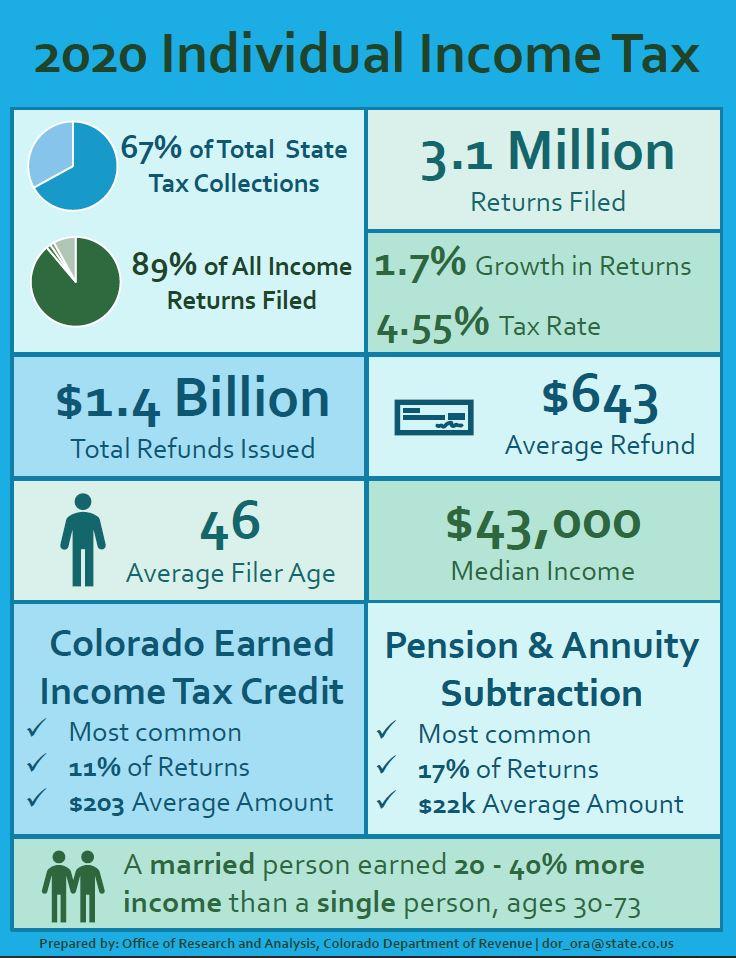
Currently, [Colorado]’s state income tax rate for individuals is a flat 4.40%. This rate applies to both residents and non-residents who derive income from sources within [Colorado]. For residents, this typically means all income, unless specifically exempt. For non-residents, it applies to income earned from jobs performed in [Colorado], business activities conducted within the state, or rental income from [Colorado] properties. This flat rate offers a straightforward approach, eliminating the complexity of varying tax brackets that can make income estimation more challenging in other states.
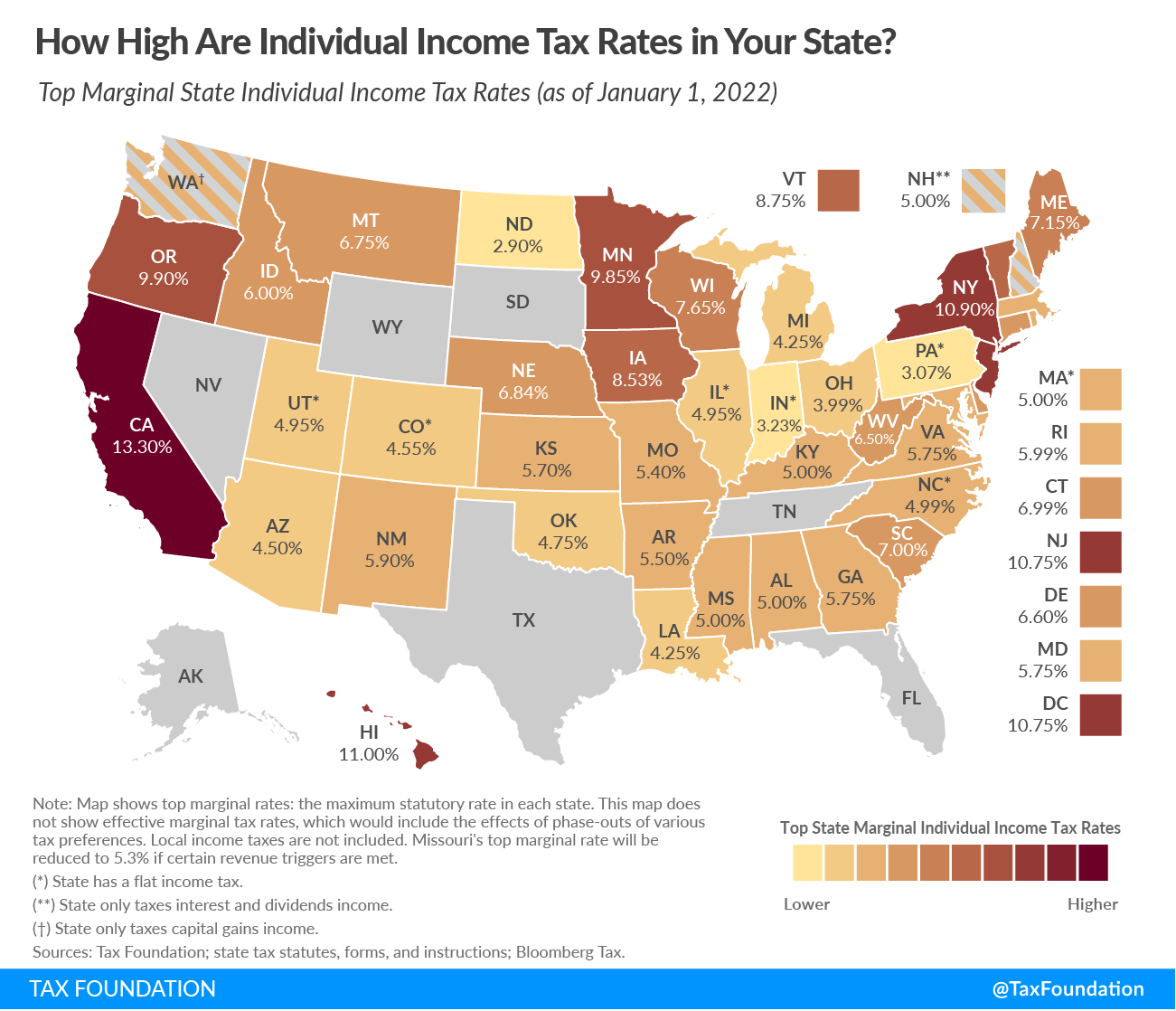
Comparing this flat system to states with progressive tax rates, where higher earners pay a larger percentage of their income in taxes, [Colorado]’s model can be particularly attractive to high-income earners or businesses considering relocation. Conversely, it means lower-income earners pay the same percentage as higher earners, though various deductions and credits can help alleviate the burden. From a lifestyle perspective, this can influence decisions for digital nomads considering a long-term stay, families looking for a new home, or retirees seeking a vibrant and financially predictable environment. For those looking to invest in properties for short-term rentals or open tourism-related businesses, the consistent tax rate provides a clear baseline for financial projections, contributing to the state’s appeal as an entrepreneurial hub in the [Western United States].
How State Income Tax Affects Your Colorado Travel Budget
While state income tax primarily concerns earnings, its implications subtly weave into the fabric of your travel budget, especially for extended stays or those considering remote work from [Colorado]. If you’re earning income while in [Colorado], perhaps through a freelance project or as part of a longer work-from-anywhere stint, understanding this tax is crucial. Even if you’re just visiting, the overall economic environment shaped by the state’s tax policies can indirectly affect the cost of goods and services. Businesses, including hotels, restaurants, and attractions, factor their operational costs, which include various taxes, into their pricing. While the direct income tax burden isn’t on the tourist spending money, the general business climate and pricing strategies are influenced by these foundational tax structures.
For example, a strong economy partly fostered by predictable tax policies might encourage competitive pricing among hospitality providers, or conversely, allow for higher prices in popular, high-demand destinations like [Aspen] or [Vail] where demand outstrips supply, regardless of tax rates. For those contemplating purchasing a vacation home or investing in a hotel property, the income tax paid on rental revenue or business profits becomes a direct and critical calculation in the overall return on investment. Budget travelers might find that understanding the broader tax picture helps them identify more affordable areas or times to visit, while luxury travelers can appreciate the stability that a clear tax system brings to high-end services and amenities. Moreover, for expatriates or long-term visitors, integrating into the local economy might involve some form of income-generating activity, making knowledge of the state income tax essential for compliance and financial foresight.
Beyond Income Tax: Other Essential Taxes for Colorado Visitors and Businesses
While the state income tax is a significant component of [Colorado]’s revenue system, it’s just one piece of the larger fiscal puzzle. For anyone traveling through, living in, or doing business in [Colorado], other taxes like sales, use, and property taxes play equally critical roles, directly impacting your daily spending, the cost of your accommodation, and the economic viability of tourism-related enterprises. Understanding these additional taxes is crucial for comprehensive financial planning, whether you’re budgeting for a family trip, assessing the profitability of a new [Colorado] resort, or simply enjoying the local culture through its vibrant culinary scene.
Sales and Use Tax: What You’ll Pay on Goods and Services
Sales tax is arguably the most common tax encountered by every visitor and resident in [Colorado]. The state levies a base sales tax rate, which currently stands at 2.9%. However, this state rate is almost always compounded by additional local sales taxes imposed by counties, cities, and various special districts. This layered approach means that the actual sales tax rate you pay can vary significantly depending on your specific location within [Colorado]. For example, purchasing goods or dining out in [Denver] might incur a different total sales tax percentage than doing so in [Boulder] or a smaller mountain town.
This variability is particularly important for tourists who might travel across different municipalities during their stay. When buying souvenirs, dining at local restaurants, or purchasing outdoor gear for adventures in the [Rocky Mountains], it’s essential to remember that the price you see on the tag might not be the final price after tax. For businesses, especially those in the retail, food service, and entertainment sectors, collecting and remitting these varying sales taxes correctly is a fundamental operational responsibility. The revenue generated from sales tax is a vital source of funding for local public services, infrastructure, and amenities, which in turn enhance the visitor experience and support local communities. For accommodation providers, sales tax can apply to certain services or goods sold on-site, further complicating their financial calculations.
Property Tax and Its Role in Colorado’s Accommodation Landscape
Property taxes in [Colorado] are locally assessed and collected, primarily by counties, to fund schools, local government services, and other community initiatives. Unlike state income tax or sales tax, property tax doesn’t directly impact the daily spending of a typical tourist. However, it plays a substantial, albeit indirect, role in the overall cost and availability of accommodation within the state. For individuals considering purchasing a vacation home, a long-term rental property, or even an investment in the hospitality sector – such as a boutique hotel or a luxury resort – understanding [Colorado]’s property tax system is paramount.
Property taxes are assessed based on the value of the property, with different assessment rates applied to residential versus commercial properties. [Colorado] also has a unique assessment ratio system, meaning only a fraction of a property’s actual value is subject to taxation. For example, residential properties are assessed at a lower percentage of their actual value compared to commercial properties. This distinction is critical for businesses operating hotels, resorts, or short-term rentals, as their property tax burden will reflect their commercial classification. High property taxes in popular tourist destinations can contribute to higher operating costs for hotels and vacation rental owners, which are then often passed on to consumers through increased nightly rates.
Conversely, for those seeking long-term accommodation or considering a permanent move, property taxes are a significant component of homeownership costs. Areas renowned for their natural beauty and amenities, like [Aspen] or [Vail], often have higher property values and, consequently, higher property tax bills. This can influence decisions regarding where to buy a second home for lifestyle reasons or where to invest in rental properties for tourism income. Understanding how property taxes are calculated and their potential impact on rental yields or the cost of a long-term stay is crucial for making informed financial decisions in [Colorado]’s dynamic real estate and accommodation markets.
Navigating Tax Deductions, Credits, and Resources in Colorado

Understanding the various tax obligations in [Colorado] is only half the battle; knowing how to potentially reduce your tax liability through deductions and credits is equally important. Whether you’re a long-term resident, a seasonal worker, or an investor in the state’s booming tourism industry, leveraging available tax benefits can significantly impact your financial well-being. [Colorado]’s tax code, while flat, still offers several avenues for eligible taxpayers to reduce their taxable income or directly lower their tax bill. For those looking to make [Colorado] a temporary or permanent home, or even establish a business, familiarity with these provisions is a strategic advantage.
Common Deductions and Credits for Colorado Taxpayers
[Colorado] allows taxpayers to claim certain deductions and credits that can reduce their taxable income before the 4.40% flat rate is applied, or directly reduce the amount of tax owed. While the specifics can change with legislation, some common provisions include:- Standard Deduction or Itemized Deductions: Like federal taxes, [Colorado] taxpayers can choose between a standard deduction or itemizing their deductions if it results in a larger tax break. Itemized deductions might include medical expenses, state and local taxes (SALT) up to federal limits, and certain charitable contributions.
- Personal Exemptions: Though often phased out or replaced at the federal level, some state tax codes still utilize personal exemptions, which allow taxpayers to reduce their taxable income for themselves and their dependents.
- Child Care Expenses Credit: Families with qualifying child care expenses may be eligible for a credit, which directly reduces their tax liability. This is particularly relevant for families considering a move to [Colorado] for its lifestyle and educational opportunities.
- Property Tax/Rent/Heat Credit (PTC): For low-income elderly or disabled residents, [Colorado] offers a credit designed to help offset the costs of property tax, rent, or heating bills. While specific to certain demographics, it highlights the state’s efforts to support its vulnerable populations, which can impact broader community services.
- Enterprise Zone Credits: For businesses, especially those involved in job creation or investment in economically distressed areas (designated “Enterprise Zones”), various credits are available. This could be particularly enticing for tourism businesses looking to establish themselves in less developed but potentially scenic parts of [Colorado], fostering growth and job opportunities.
- Credit for Taxes Paid to Other States: If you earn income in [Colorado] but are a resident of another state (or vice-versa), [Colorado] offers a credit for taxes paid to other states to prevent double taxation on the same income. This is crucial for remote workers, seasonal employees, or those with multi-state business operations, ensuring fair tax treatment across jurisdictions.
Staying informed about these deductions and credits is essential, as they can significantly impact the net cost of living or operating a business in [Colorado]. For those considering a long-term stay or residency, understanding these benefits is a key part of financial planning.
Resources for Tax Planning and Compliance
Navigating the nuances of state income tax and other local taxes in [Colorado] requires accurate information and, often, professional guidance. The primary authority for state-level taxes in [Colorado] is the [Colorado Department of Revenue]. Their official website (Colorado Department of Revenue) is an invaluable resource, offering detailed guides, forms, FAQs, and online tools for taxpayers. It provides comprehensive information on income tax, sales tax, property tax (though property tax specifics are county-level, the state sets general guidelines), and other levies. Regularly checking their publications and updates is crucial, as tax laws can evolve.
For complex financial situations, such as operating a tourism business, managing multi-state income, or investing in significant properties, consulting with a qualified tax professional specializing in [Colorado] tax law is highly recommended. Tax attorneys or certified public accountants (CPAs) can offer personalized advice, ensure compliance, and help optimize your tax strategy to leverage all available deductions and credits. This is particularly important for those considering a luxury travel experience that might involve complex financial arrangements, or for businesses looking to maximize their profitability in [Colorado]’s competitive tourism landscape. Leveraging these resources ensures that individuals and businesses can confidently navigate [Colorado]’s tax environment, allowing them to focus on enjoying the state’s unparalleled beauty and opportunities.
Colorado’s Economic Environment and Lifestyle: A Tax Perspective
The tax structure of any state profoundly influences its economic environment and, by extension, the lifestyle it offers to residents and visitors. In [Colorado], the combination of a flat income tax, localized sales and property taxes, and a generally business-friendly climate contributes to a dynamic economic landscape that impacts everything from the cost of a ski vacation to the feasibility of retiring in the [Rocky Mountains]. Understanding this broader perspective helps travelers, potential residents, and investors make informed decisions about experiencing, living in, or contributing to [Colorado]’s vibrant culture and economy.
The Interplay of Taxes and Colorado’s Tourism Sector
[Colorado]’s tourism sector is a cornerstone of its economy, attracting millions to its national parks, ski resorts, historic towns, and cultural attractions. The various taxes discussed – state income tax, sales tax, and property tax – directly or indirectly impact the operational costs of businesses within this sector. Hotels, resorts, restaurants, tour operators, and retail shops all factor these costs into their pricing strategies.For example, a high property tax burden on a luxury hotel in [Aspen] or [Vail] contributes to the overall cost of a room night, making those destinations premium experiences. Similarly, the combination of state and local sales taxes on restaurant meals, souvenirs, and activity fees adds to the total expenditure for tourists. While these taxes contribute to the higher cost of a vacation in certain popular areas, the revenues they generate are crucial. They fund public services, infrastructure development (like improved roads to [Rocky Mountain National Park] or public transit in [Denver]), and the maintenance of public lands and parks that are central to [Colorado]’s appeal. In essence, the taxes paid by businesses and consumers contribute to the very amenities and attractions that draw visitors in the first place, creating a cyclical relationship between taxation and tourism.
Furthermore, the predictable nature of [Colorado]’s flat income tax can be attractive to entrepreneurs looking to establish new tourism-related ventures, from unique accommodation options to adventure guiding services. This stability can foster an environment conducive to investment and job creation, benefiting the state’s overall economy and enriching the experiences available to visitors. The lifestyle of working in [Colorado]’s tourism sector, whether as a hotelier, a chef, or a ski instructor, is also influenced by these tax considerations, shaping compensation structures and business viability.
Making Colorado Your Home: Lifestyle and Financial Considerations
For those captivated by [Colorado]’s allure and considering a move, the tax environment is a critical piece of the lifestyle puzzle. Whether you envision a life of luxury travel with frequent trips to exclusive resorts, a budget-conscious family life near excellent schools, or a serene retirement surrounded by nature, [Colorado]’s tax structure will play a role in your financial planning.
The flat income tax rate, while simple, means that all income earners pay the same percentage. This can be seen as an advantage for higher-income individuals or families, but for those on a tighter budget, it means a higher effective tax burden compared to states with progressive systems where lower incomes might be taxed at much lower rates or even be exempt. However, the availability of various state deductions and credits can help mitigate this.
The cost of living, heavily influenced by property taxes and local sales taxes, also varies widely across the state. Urban centers like [Denver] and [Boulder] typically have higher housing costs and potentially higher local taxes, reflecting robust job markets and desirable amenities. Conversely, more rural areas might offer lower property taxes and a more budget-friendly lifestyle, albeit with different employment opportunities and access to services.
For families, understanding how taxes fund local schools and public services is vital. For retirees, the lack of inheritance or estate tax in [Colorado] can be an attractive financial consideration, alongside the general sales tax on goods and services, and property taxes on their homes.
Ultimately, [Colorado]’s tax landscape is one facet of its overall appeal. While the state offers unparalleled natural beauty, outdoor recreation, and a vibrant cultural scene, prudent financial planning that accounts for state income tax, sales tax, and property tax is essential for anyone looking to fully embrace the [Colorado] lifestyle, whether for a memorable trip, a strategic investment, or a new chapter of life. By understanding these financial considerations, individuals and businesses can make the most of what this magnificent state has to offer, ensuring a sustainable and enjoyable experience.
LifeOutOfTheBox is a participant in the Amazon Services LLC Associates Program, an affiliate advertising program designed to provide a means for sites to earn advertising fees by advertising and linking to Amazon.com. Amazon, the Amazon logo, AmazonSupply, and the AmazonSupply logo are trademarks of Amazon.com, Inc. or its affiliates. As an Amazon Associate we earn affiliate commissions from qualifying purchases.