
Denver, Colorado, often celebrated as the gateway to the Rocky Mountains and a vibrant urban hub, holds a unique position in the world of horticulture. For residents and visitors alike, understanding its specific planting zone is key to appreciating the city’s natural beauty, its cultivated green spaces, and even the local agricultural scene. Whether you’re a seasoned gardener planning a permanent move, a traveler curious about the local flora, or a visitor seeking the best botanical experiences, knowing Denver‘s USDA Hardiness Zone provides invaluable insights.
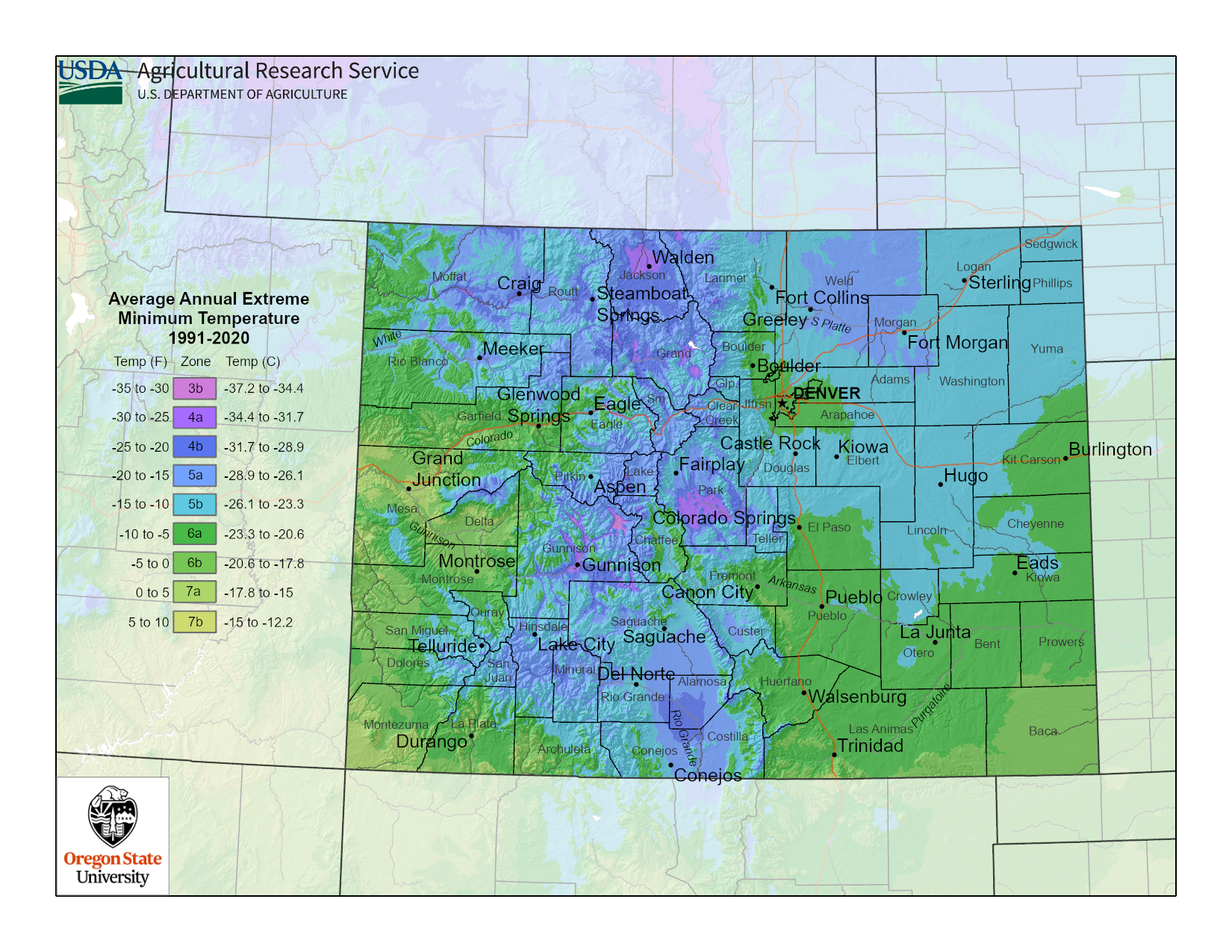
The Mile-High City is generally categorized within USDA Hardiness Zone 5b to 6a, with variations depending on specific microclimates within the metropolitan area. This designation, established by the United States Department of Agriculture, is a critical tool for gardeners and landscapers, indicating which plants are most likely to survive the winter temperatures in a given location. For travelers and tourists, this translates into an understanding of the types of trees, shrubs, and flowers that thrive in Denver, influencing everything from the landscaping around luxury resorts and boutique hotels to the grandeur of its public parks and botanical gardens. This article delves into what Denver’s planting zone means for its environment, its people, and those planning to explore its verdant attractions or settle into its unique lifestyle.
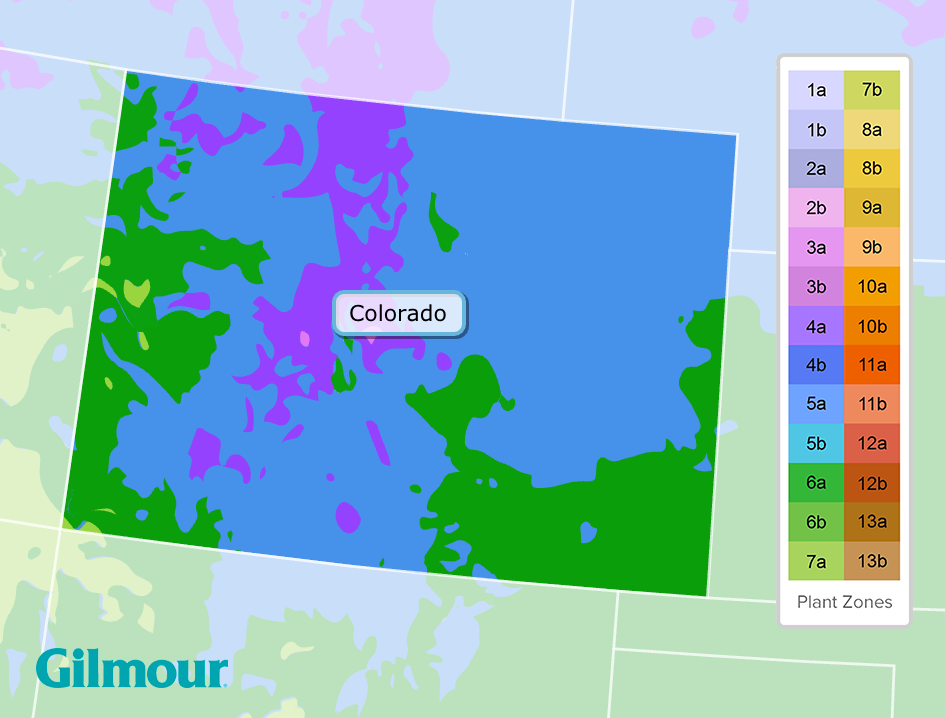
Understanding Denver’s Unique Climate and Planting Zone
Denver’s classification within USDA Hardiness Zone 5b to 6a is a direct reflection of its distinctive climate. Situated on the high plains at the base of the Rocky Mountains, the city experiences a semi-arid continental climate characterized by significant temperature fluctuations, abundant sunshine, and relatively low humidity. These factors, combined with its elevation of exactly one mile above sea level, create a challenging yet rewarding environment for plant life.
The USDA Hardiness Zone system divides the United States and Canada into 13 zones based on the average annual extreme minimum winter temperature. Each zone is further divided into ‘a’ and ‘b’ subzones, representing a 5°F difference. For Denver, a 5b designation means the average annual extreme minimum temperature is between -15°F and -10°F, while 6a indicates temperatures between -10°F and -5°F. This range highlights that while Denver experiences cold winters, its frequent sunny days and occasional warm spells can sometimes offer a reprieve, allowing for a surprising diversity of plants to flourish.
Several key climatic factors influence Denver’s planting zone and, by extension, its horticultural landscape:
- Altitude: Being at 5,280 feet above sea level means higher UV radiation and often more intense sunlight, which can impact plant growth and water needs.
- Semi-Arid Conditions: Despite receiving snowfall, Denver’s overall precipitation levels are moderate, making water conservation and drought-tolerant plant choices crucial. This is particularly relevant for maintaining sustainable tourism practices and eco-friendly accommodation.
- Temperature Swings: It’s common for Denver to experience significant temperature drops, sometimes of 30-40 degrees Fahrenheit, within a single day. This can be stressful for plants not adapted to such rapid changes.
- Chinook Winds: These warm, dry winds descending from the mountains can cause rapid snowmelt and temporary thaws in winter, which can sometimes trick plants into breaking dormancy too early, making them vulnerable to subsequent freezes.
The USDA Hardiness Zone System Explained
The USDA Hardiness Zone map is an essential guide for gardeners to determine which plants will best survive the cold winter temperatures in their region. Developed by the United States Department of Agriculture, the map is based on the average annual extreme minimum winter temperature, divided into 13 zones across North America. Each zone represents a 10°F range, with subzones ‘a’ and ‘b’ representing a 5°F difference. For instance, Zone 5 has an average minimum temperature between -20°F and -10°F, while Zone 5b is specifically -15°F to -10°F.
This system is invaluable for selecting perennial plants, shrubs, and trees that can withstand the local winter chill, providing a foundational understanding for successful gardening and landscaping. While it doesn’t account for other crucial factors like heat, rainfall, soil type, or day length, it remains the most widely used standard for assessing a plant’s winter survivability. For visitors to Denver, understanding this system provides context for the beautiful and resilient flora they encounter, from the intricate displays at the Denver Botanic Gardens to the vibrant urban parks.
Microclimates within the Mile-High City
Even within a single USDA Hardiness Zone, local variations can create distinct “microclimates.” In Denver, these microclimates are particularly pronounced due to the city’s varied topography, proximity to structures, and natural features. For instance, areas closer to the city center, surrounded by buildings and paved surfaces, often exhibit a “heat island effect,” where temperatures are slightly warmer than in suburban or outlying areas. This can push some central urban gardens into a milder subzone, potentially allowing a wider range of plants to thrive.
Conversely, low-lying areas or those exposed to prevailing winds might experience colder temperatures. Factors such as proximity to large bodies of water (though limited in Denver), elevation changes, slopes, and the shelter provided by buildings or fences can all contribute to these localized temperature differences. Gardeners and landscapers in Denver often leverage these microclimates, strategically planting more tender species in protected spots against south-facing walls or within courtyards of hotels or apartments. For visitors, this means that while the general zone guides expectations, exploring diverse neighborhoods can reveal surprising pockets of lush vegetation adapted to specific conditions.
Gardening and Flora in Denver for Residents and Visitors
Given Denver’s 5b to 6a USDA Hardiness Zone, the types of plants that flourish here are often those adapted to cold winters, hot and dry summers, and intense sunlight. This has led to a distinctive gardening aesthetic that prioritizes resilience and water efficiency, often referred to as “Xeriscaping.” This approach is not only practical but also creates stunning landscapes that reflect the natural beauty of Colorado’s high plains and mountain environments.
For residents, understanding the zone is foundational to creating successful gardens, whether they are small patio containers in an apartment complex or expansive backyards. For visitors, it’s an opportunity to observe and appreciate the unique flora that defines Denver’s identity, influencing everything from the landscaping around major landmarks to the vibrancy of local farmers’ markets.
Popular Plant Choices for Denver’s Climate
Gardeners in Denver often opt for plants that can withstand the challenging climate, focusing on hardiness, drought tolerance, and adaptability. Many native Colorado species are naturally well-suited, as are various species from similar semi-arid regions around the world.
Trees:
- Colorado Blue Spruce: The state tree, iconic and hardy.
- Ponderosa Pine: Drought-tolerant and majestic.
- Aspen: Known for its golden fall foliage, though it prefers slightly higher elevations, it can thrive in certain Denver microclimates.
- Honey Locust: Provides light shade and tolerates urban conditions.
- Oak varieties (e.g., Gambel Oak, Bur Oak): Hardy and long-lived.
Shrubs:
- Serviceberry: Offers white flowers in spring, berries in summer, and fall color.
- Sumac (e.g., Colorado Sumac, Gro-Low Sumac): Vibrant fall color and excellent drought tolerance.
- Rabbitbrush: A native shrub with bright yellow flowers in late summer/fall.
- Juniper varieties: Evergreen, low-maintenance, and highly drought-tolerant.
Perennials and Flowers:
- Coneflower (Echinacea): Hardy, attracts pollinators, and comes in many colors.
- Daylilies: Adaptable and provide a burst of color.
- Lavender: Drought-tolerant, fragrant, and beautiful.
- Sedum: Succulent perennials perfect for dry conditions.
- Penstemon: Many native varieties, known for their showy tubular flowers.
- Yarrow: Feathery foliage and flat-topped flower clusters, very drought-tolerant.
- Gaillardia (Blanket Flower): Bright, daisy-like flowers, native and robust.
- Russian Sage: Aromatic, long-blooming, and thrives in full sun and dry conditions.
These plants contribute significantly to the aesthetic appeal of Denver, making its parks, gardens, and residential areas vibrant and welcoming. For those interested in photography or simply enjoying the scenery, knowing these common species enhances the experience of exploring the city.
Essential Gardening Tips for the Mile-High City
Gardening in Denver’s USDA Hardiness Zone 5b to 6a requires a few specific considerations to ensure success, particularly for those new to the region or visitors interested in the local green lifestyle.
- Soil Improvement: Denver often has heavy clay soils. Amending with compost and organic matter is crucial to improve drainage, aeration, and nutrient retention.
- Water Conservation (Xeriscaping): Given the semi-arid climate, choosing drought-tolerant plants and employing efficient irrigation methods (like drip systems) is paramount. Grouping plants with similar water needs can optimize water use.
- Mulching: Applying a layer of mulch helps retain soil moisture, suppress weeds, and regulate soil temperature, protecting roots from both summer heat and winter cold.
- Sunlight Management: Denver’s intense sunlight means some plants might benefit from afternoon shade, especially in the hottest parts of summer.
- Planting Times: While the last average frost date is typically in mid-May and the first in mid-October, these dates can vary. It’s often safer to wait until late May for tender annuals and vegetables.
- Wind Protection: Strong winds are common. Protecting young plants or more delicate species with windbreaks can be beneficial.
- High-Altitude Considerations: Plants may experience faster growth and more intense flowering due to increased UV light, but also require more careful watering and monitoring for stress.
These tips not only assist local gardeners but also highlight the resilient spirit of Denver’s green spaces, which visitors can appreciate when touring its public parks or admiring the landscaping of its premier accommodations.
Denver Through a Botanical Lens: Travel, Tourism, and Green Spaces
For travelers, Denver’s planting zone and its associated flora offer a unique dimension to their visit. The city’s commitment to green spaces, influenced by its climate, provides a refreshing contrast to its urban dynamism. From world-class botanical gardens to sprawling city parks and thoughtfully landscaped hotel properties, Denver invites exploration through a botanical lens. This perspective enriches the tourism experience, offering opportunities for relaxation, education, and connection with nature, perfectly aligning with a diverse range of travel lifestyles.
Must-Visit Botanical Attractions
The city’s planting zone directly shapes its most cherished green landmarks and attractions, making them essential stops for anyone interested in the local environment or simply seeking natural beauty.
- Denver Botanic Gardens: This internationally renowned institution is a prime example of horticultural excellence within Denver’s hardiness zone. Spanning 24 acres at its main York Street location, the Gardens showcase a vast collection of plants adapted to Colorado’s diverse climates, as well as exotic species. Visitors can explore diverse themed gardens, including the Japanese Garden, South African Plaza, and the acclaimed Rock Alpine Garden. It serves as a living laboratory for plant research and conservation, offering educational programs and breathtaking displays throughout the year. For tourists, it’s a peaceful oasis and a testament to what thrives in Denver’s specific zone.
- City Parks: Denver boasts an extensive park system, many of which feature impressive landscaping and mature trees well-suited to the 5b-6a zone.
- City Park: Home to the Denver Zoo and the Denver Museum of Nature & Science, City Park offers expansive lawns, mature trees, and beautiful formal gardens, providing a perfect setting for leisurely strolls or picnics.
- Washington Park: Known for its two lakes, formal gardens, and tree-lined paths, Washington Park is a beloved local gem that showcases successful urban planting.
- Confluence Park: Where the South Platte River and Cherry Creek meet, this park exemplifies natural riverine ecosystems adapted to the zone, offering recreational opportunities and a glimpse into riparian flora.
- Red Rocks Park and Amphitheatre: While primarily known for its stunning geological formations and world-class concert venue, Red Rocks also showcases the hardy, high-desert flora typical of the Colorado Front Range. Exploring its trails reveals drought-tolerant grasses, cacti, and resilient shrubs that naturally thrive in this rugged 5b-6a environment, offering a different perspective on the region’s plant life.
Hotels and Accommodation with a Green Touch
The concept of planting zones extends beyond public spaces into the hospitality sector, influencing the ambiance and guest experience at various accommodations in Denver. Many hotels, from luxury resorts to boutique hotels and even extended-stay apartments, leverage Denver’s zone to create appealing green spaces for their guests.
- Lush Landscaping: Premium hotels like The Brown Palace Hotel and Spa, Four Seasons Hotel Denver, and The Ritz-Carlton, Denver often invest in exquisite landscaping, featuring gardens, courtyards, and potted plants that thrive in the local climate. These green amenities provide serene views, inviting outdoor seating areas, and a sense of tranquility amidst the urban bustle, enhancing the overall hotel experience.
- Rooftop Gardens and Terraces: With increasing emphasis on sustainability and urban greening, many newer developments and renovated hotels are incorporating rooftop gardens or terraces. These spaces, carefully designed with plants suitable for Zone 5b-6a, offer stunning views of the city and mountains, provide fresh herbs for hotel restaurants, and contribute to urban biodiversity.
- Private Gardens in Villas or Luxury Suites: For travelers seeking more exclusive accommodation or longer stays, properties offering private patios or garden access allow guests to experience Denver’s flora up close. Imagine sipping coffee surrounded by native Colorado wildflowers or a perfectly manicured rose garden, a testament to successful gardening in this unique zone.
- Integration with Local Culture: Some accommodations might even offer workshops or experiences related to local gardening, showcasing native plants, or farm-to-table dining experiences sourced from gardens designed for the Denver climate.
Experiencing Denver’s Lifestyle through its Flora
Beyond formal gardens and hotel landscapes, Denver’s planting zone permeates the city’s broader lifestyle and culture, offering visitors diverse ways to engage with its natural side.
- Farm-to-Table Dining: The thriving local food scene in Denver is deeply influenced by what can be grown in Zone 5b-6a. Farmers’ markets brim with seasonal produce, from hardy greens and root vegetables to various berries and herbs. Many restaurants pride themselves on sourcing ingredients locally, offering a taste of Colorado’s agricultural bounty.
- Outdoor Activities: The resilient flora makes for stunning backdrops for hiking, biking, and other outdoor activities within and around the city. From enjoying a picnic under the shade of a hardy tree in Washington Park to observing wildflowers on a trail near Golden, the plant life enhances every outdoor adventure.
- Festivals and Events: Seasonal plant-related events, such as spring garden tours, fall harvest festivals, or specialized plant sales, are popular local attractions. These offer a fantastic way for visitors to immerse themselves in Denver’s community and appreciate its horticultural heritage.
- Urban Planning and Sustainability: Denver’s commitment to green infrastructure and sustainable urban planning is evident in its tree-lined streets, median plantings, and green roofs. These efforts not only beautify the city but also contribute to air quality, reduce the heat island effect, and promote biodiversity—all while utilizing plant species adapted to its hardiness zone.
Planning Your Denver Visit: Beyond the Garden
While understanding Denver’s planting zone primarily serves those interested in horticulture, its implications resonate across the entire travel experience. Knowing that Denver is largely a 5b-6a zone means visitors can anticipate certain types of landscapes, appreciate the resilience of the local flora, and even choose their time of visit based on the seasonal bloom.
For instance, visiting in late spring or early summer offers vibrant displays of perennials and annuals, while fall showcases the brilliant yellow and gold foliage of native trees and shrubs. Even in winter, the evergreens, such as Colorado Blue Spruces and various junipers, provide a beautiful snowy contrast. When planning your Denver trip, consider how the natural environment complements its rich cultural attractions, renowned dining scene, and endless outdoor adventures. Whether you’re staying in a centrally located suite or a sprawling resort, the city’s green heart, shaped by its specific planting zone, is always present, offering a unique layer of enjoyment to your travels. It underscores Denver’s identity as a city that harmoniously blends urban sophistication with natural ruggedness, making it a compelling destination for every type of explorer.

Conclusion
Denver, Colorado, firmly rooted in USDA Hardiness Zone 5b to 6a, offers a fascinating case study in how climate shapes a city’s aesthetic and lifestyle. This designation, while seemingly technical, is the foundation for the diverse and resilient flora that thrives across the Mile-High City. It dictates the majestic trees lining its avenues, the vibrant blooms in its famous Denver Botanic Gardens, and the thoughtfully curated landscapes surrounding its premier hotels and accommodations.
For both eager gardeners and curious travelers, understanding this planting zone unlocks a deeper appreciation for Denver’s unique environmental challenges and the ingenuity with which they are met. It highlights the city’s commitment to sustainability through xeriscaping and the celebration of native, drought-tolerant species. From engaging in garden tourism at world-class landmarks to enjoying farm-to-table dining experiences, the local flora is an intrinsic part of the Denver experience. As you plan your next trip or consider a longer stay in Denver, recognize that its planting zone is not just a scientific classification but a vital component of its charm, beauty, and resilient spirit. It contributes significantly to making Denver a distinctive and enriching destination for all who visit.
LifeOutOfTheBox is a participant in the Amazon Services LLC Associates Program, an affiliate advertising program designed to provide a means for sites to earn advertising fees by advertising and linking to Amazon.com. Amazon, the Amazon logo, AmazonSupply, and the AmazonSupply logo are trademarks of Amazon.com, Inc. or its affiliates. As an Amazon Associate we earn affiliate commissions from qualifying purchases.