
Los Angeles, often simply referred to as LA, is a sprawling metropolis in Southern California that captivates millions with its vibrant culture, iconic landmarks, and diverse lifestyle. From the sun-kissed beaches of Santa Monica to the star-studded streets of Hollywood, and the artistic enclaves of Downtown LA, the city offers an unparalleled array of experiences for every traveler. For those planning a visit, or simply curious about this vast urban landscape, understanding its telecommunication infrastructure, particularly its area codes, provides a fascinating glimpse into its geographic and demographic complexities.
Unlike smaller cities that might have a single, distinct area code, Los Angeles is a multi-code metropolis, a testament to its immense size and continuous growth. These numerical prefixes are more than just dialing instructions; they serve as informal geographical markers, hinting at the specific region within LA County a number originates from. For travelers, grasping the patchwork of Los Angeles area codes can be surprisingly useful, whether you’re trying to identify the location of a hotel, coordinate with local contacts, or simply gain a deeper appreciation for the city’s vastness.

This comprehensive guide will not only demystify the various area codes that blanket the Los Angeles region but also weave them into the rich tapestry of travel, tourism, and accommodation opportunities the city presents. We’ll explore how these codes delineate different neighborhoods, each with its unique attractions, cultural nuances, and hospitality options, making your journey through the City of Angels more informed and enjoyable.
Decoding the Dial Tone: The Primary Los Angeles Area Codes
The story of Los Angeles’s area codes is one of relentless expansion and innovation. As the city grew exponentially throughout the 20th and 21st centuries, the demand for telephone numbers quickly outstripped the capacity of existing codes. This led to a system of “splits” and “overlays,” resulting in the complex network of codes we see today. For anyone interacting with Los Angeles, whether a long-term resident or a first-time visitor, understanding this system is key to seamless communication.
A Multi-Code Metropolis: Understanding LA’s Geographic Divisions
The original area code for the entirety of Southern California, including Los Angeles, was 213, established in 1947. As the population boomed, this single code proved insufficient. Over decades, new codes were introduced, often through geographic splits where a new code would serve a specific region, or more recently, through overlay plans where a new code is simply added to an existing geographic area, requiring 10-digit dialing even for local calls.
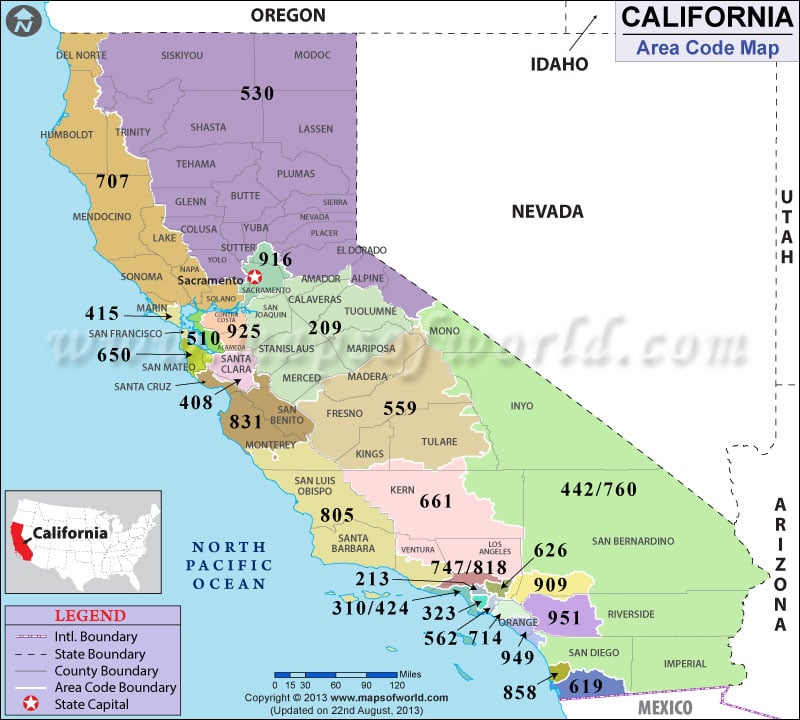
Today, the most prominent area codes covering the core Los Angeles metropolitan area and its immediate surroundings include:
- 213: This is the historic original code, now primarily serving Downtown LA and some of its immediately adjacent neighborhoods. If you’re calling a business or hotel in the heart of the city’s financial or cultural district, it’s likely a 213 number.
- 323: An overlay code for 213, 323 covers a vast stretch of central Los Angeles, encompassing areas like Hollywood, Mid-Wilshire, Koreatown, and parts of East LA. Many of LA’s famous attractions and residential areas fall under this code.
- 310: Serving the affluent western and southern parts of Los Angeles County, 310 is synonymous with areas like Beverly Hills, Santa Monica, Malibu, Westwood, Brentwood, and the Palos Verdes Peninsula. This code often signifies proximity to the Pacific Ocean and some of the region’s most exclusive destinations and resorts.
- 424: This is an overlay code for 310, implemented due to the overwhelming demand for numbers in the highly desirable Westside and South Bay regions. If you encounter a 424 number, it’s geographically interchangeable with a 310 number.
- 818: Predominantly covering the San Fernando Valley region, 818 includes cities and neighborhoods such as Burbank, Glendale, North Hollywood, Sherman Oaks, and Woodland Hills. This area is home to major film studios and a significant residential population.
- 747: Introduced as an overlay for 818, the 747 area code also serves the San Fernando Valley and its surrounding communities.
- 626: East of Downtown LA, the 626 area code primarily serves the San Gabriel Valley, including cities like Pasadena, Alhambra, and Monterey Park. This region is known for its diverse communities, historical landmarks, and culinary scene.
- 562: Covering areas further south and east of the immediate LA core, including Long Beach, Downey, and Whittier.
- 909, 951, 657, 949: While not strictly within the Los Angeles city limits, these codes cover the broader Southern California region, including the Inland Empire (Riverside County, San Bernardino County) and Orange County. Travelers venturing to Disneyland or nearby wine regions might encounter these codes.
Due to the prevalence of overlay codes, 10-digit dialing (area code + 7-digit number) is mandatory for all local calls within these regions. This ensures that every new phone number can be unique, even if it shares the same geographic area as an existing code.
Historical Evolution and Future Overlays
The evolution of LA’s area codes mirrors the incredible growth story of Southern California. What started as a single code covering a vast region has fragmented into a complex system, each change necessitated by population booms and technological advancements. The first split of 213 occurred in 1951, creating 714 for Orange County. Subsequent splits and overlays have continued, reflecting the insatiable demand for connectivity in one of the United States’ most populous and dynamic regions.
As Los Angeles continues to attract new residents and businesses, the possibility of future area code overlays remains high. Telecommunication authorities regularly monitor number availability, and it’s a near certainty that more codes will be introduced in the coming decades to accommodate the city’s unceasing expansion. For the casual visitor, this primarily means staying aware that 10-digit dialing is the norm and that the list of codes associated with the city may only grow.
Navigating Los Angeles by Area Code: A Traveler’s Guide to Neighborhoods and Attractions
For travelers, understanding the area codes can be more than just a logistical detail; it can be a helpful mental map of Los Angeles’s diverse regions. Each major area code often corresponds to distinct neighborhoods, each offering unique attractions, accommodation options, and cultural experiences that align with the themes of travel, tourism, and lifestyle.
The Iconic Heart: Downtown, Hollywood, and Beverly Hills (213, 323, 424, 310, 747)
This cluster of area codes covers some of Los Angeles’s most famous and frequented tourist destinations.

- Downtown LA (213): The revitalized urban core is a hub of culture, business, and entertainment. Here, you’ll find architectural marvels like the Walt Disney Concert Hall, historic gems like Grand Central Market, and the vibrant street art of the Arts District. Accommodation options range from historic luxury at The Biltmore Los Angeles to trendy boutique stays like Hotel Figueroa. It’s perfect for business travelers or those seeking a dynamic urban experience.
- Hollywood (323): The epicenter of the entertainment industry, Hollywood draws millions with its legendary allure. Walk the Hollywood Walk of Fame, catch a show at the TCL Chinese Theatre, or take a studio tour at Universal Studios Hollywood. For breathtaking panoramic views of the city and the iconic Hollywood Sign, head to the Griffith Observatory. Hotels in this area, such as the W Hollywood, offer stylish stays right in the heart of the action, catering to those seeking a lively, celebrity-infused lifestyle.
- Beverly Hills & West Hollywood (310, 424, 747): Synonymous with luxury and glamour, these areas offer high-end shopping on Rodeo Drive, vibrant nightlife along the Sunset Strip, and exquisite dining. Iconic resorts like The Beverly Hills Hotel and Hotel Bel-Air provide unparalleled indulgence, making this area ideal for luxury travel and those looking to experience LA’s opulent side.
Coastal Charms and Cultural Gems: Santa Monica, Malibu, and Beyond (310, 424)
The 310 and 424 area codes extend west to Los Angeles’s stunning coastline, offering a different facet of the LA experience focused on beaches, ocean views, and sophisticated culture.
- Santa Monica: Home to the iconic Santa Monica Pier and its vibrant amusement park, Santa Monica is a quintessential Southern California beach city. The Third Street Promenade offers pedestrian-friendly shopping and street performances. Upscale hotels like Shutters on the Beach provide luxury accommodation right on the sand, perfect for a relaxing getaway or family trips.
- Malibu: Further up the coast, Malibu is famous for its celebrity homes, pristine beaches, and surfing spots. It also hosts the Getty Villa, an educational center and museum dedicated to the arts and cultures of ancient Greece, Rome, and Etruria.
- Westwood & Brentwood: Inland from the coast, these neighborhoods are home to the prestigious UCLA and the magnificent Getty Center, renowned for its architecture, gardens, and art collection. These areas offer a more subdued, intellectual atmosphere with a range of boutique hotels and apartments for longer stays.
Eastern and Valley Explorations: Pasadena, Burbank, and the San Fernando Valley (626, 818, 747)
Venturing into the eastern and northern reaches of Los Angeles County reveals distinct communities often covered by the 626, 818, and 747 area codes.
- Pasadena (626): Known for the Rose Bowl Stadium and the annual Rose Parade, Pasadena blends historic charm with modern vibrancy. Old Pasadena boasts beautiful Victorian and Art Deco architecture, with unique shops, restaurants, and a lively arts scene. It’s a fantastic destination for those interested in history, architecture, and a slightly quieter pace than central LA.
- Burbank & Glendale (818, 747): Located in the San Fernando Valley, these cities are major media centers. Burbank offers studio tours at places like Warner Bros. Studio Tour Hollywood and is a popular choice for business travelers and those keen on the film industry. Glendale provides extensive shopping opportunities at the Americana at Brand and a diverse culinary landscape.
Beyond the Digits: Practical Tips for Your Los Angeles Journey
Understanding Los Angeles’s area codes is not just about making phone calls; it’s about grasping the city’s expansive geography, which is crucial for effective travel planning, especially when it comes to accommodation and connectivity.
Accommodation and Connectivity in the City of Angels
When booking hotels, suites, apartments, or villas in Los Angeles, being aware of the area codes associated with different neighborhoods can significantly streamline your decision-making process. If you’re looking for a beachfront resort, you’ll naturally gravitate towards areas with 310 or 424 numbers. For a vibrant city experience near cultural attractions and nightlife, areas with 213 or 323 numbers would be ideal.
- Booking and Reviews: Many online booking platforms and review sites allow filtering by neighborhood. Cross-referencing these with the primary area codes can help confirm the exact location and type of experience you can expect. For example, a luxury hotel in Beverly Hills (310/424) will offer a different ambiance and amenities compared to a budget-friendly option in Koreatown (323).
- Mobile Connectivity: For international visitors, securing a local SIM card or understanding roaming charges is vital. With LA’s vastness, relying on mobile data for navigation, ride-sharing apps, and restaurant reservations is almost a necessity. Regardless of the specific area code you’re calling, remember the 10-digit dialing rule for all local calls within Los Angeles to ensure seamless communication.
- Long-Term Stays: For those considering a longer visit or even relocation, the choice of area code (and thus, neighborhood) becomes even more critical, influencing everything from commute times to school districts and community feel.
Embracing the Los Angeles Lifestyle
The diverse area codes of Los Angeles encapsulate the city’s ability to cater to every lifestyle and travel preference.
- Luxury Travel: The 310/424 codes of Beverly Hills and Malibu scream opulence, with high-end resorts, designer boutiques, and gourmet dining.
- Budget Travel: More budget-friendly accommodations and experiences can be found in areas like East LA or parts of the San Fernando Valley (323, 818, 747), without compromising on authentic local culture and culinary delights.
- Family Trips: Destinations like Santa Monica (310/424) and Universal Studios Hollywood (323/818/747) offer endless fun for all ages.
- Business Stays: Downtown LA (213) and Burbank (818/747) are prime locations for business travelers, offering conference facilities, corporate hotels, and easy access to major industry hubs.
Beyond the numbers, the true essence of Los Angeles lies in its unparalleled cultural tapestry. Each area, defined by its unique characteristics and, yes, often its area code, contributes to the city’s global reputation as a melting pot of creativity, innovation, and diverse communities. Whether you’re exploring the historical architecture of Pasadena, soaking in the sun on Malibu beaches, or navigating the bustling streets of Hollywood, the spirit of LA is palpable.
Conclusion
The question “What Is The Los Angeles Area Code?” has a complex but fascinating answer. It’s not just one code, but a mosaic of numerical prefixes – 213, 323, 310, 424, 818, 747, 626, and others – each defining a segment of this vast and vibrant metropolis. These codes are more than mere telephone identifiers; they are historical markers of growth, practical navigational tools, and subtle indicators of the distinct geographical and cultural regions that comprise the greater Los Angeles area.
For any traveler embarking on an adventure to the City of Angels, understanding this telephonic landscape enriches the journey. It provides a deeper context for planning your stay, from selecting the perfect accommodation to exploring world-renowned landmarks and immersing yourself in the local lifestyle. So, as you dial into your Los Angeles experience, remember that each area code tells a part of the story of one of the world’s most dynamic and unforgettable destinations.
LifeOutOfTheBox is a participant in the Amazon Services LLC Associates Program, an affiliate advertising program designed to provide a means for sites to earn advertising fees by advertising and linking to Amazon.com. Amazon, the Amazon logo, AmazonSupply, and the AmazonSupply logo are trademarks of Amazon.com, Inc. or its affiliates. As an Amazon Associate we earn affiliate commissions from qualifying purchases.