
Understanding the temperature in Colorado Springs is key to unlocking a truly memorable travel experience. Nestled at the eastern foot of the majestic Rocky Mountains in Colorado, this vibrant city offers a captivating blend of natural beauty, outdoor adventure, and rich history. For any traveler, whether planning a family vacation, a romantic getaway, or a solo exploration, the local climate dictates everything from what to pack to the best time to visit iconic landmarks and engage in thrilling activities. Our comprehensive guide delves into the seasonal nuances of Colorado Springs’ weather, helping you tailor your journey for optimal comfort, enjoyment, and unforgettable memories. From high-altitude hiking to cozy winter retreats, the temperature profoundly shapes the tourism, accommodation, and lifestyle experiences available in this unique United States destination.
Understanding Colorado Springs’ Climate: A Year-Round Perspective
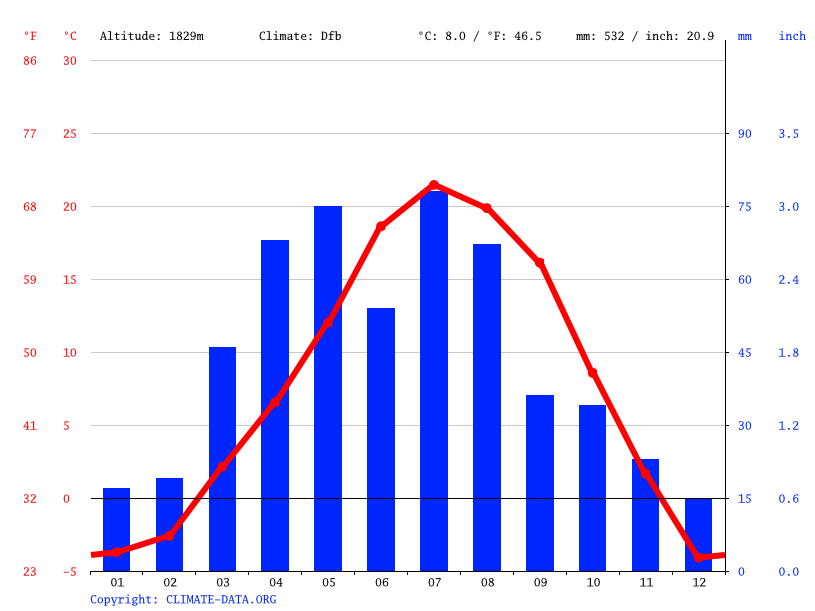
Colorado Springs’ climate is often described as semi-arid, characterized by abundant sunshine, relatively low humidity, and distinct seasonal changes. Its elevation of about 6,035 feet (1,839 meters) above sea level, combined with its proximity to both the mountains and the Great Plains, creates a fascinating meteorological profile. While the city generally enjoys mild temperatures, significant variations can occur even within a single day, a phenomenon often attributed to its mountain setting. This dynamic weather pattern is precisely what makes planning a trip here so exciting and necessitates a good understanding of what to expect throughout the year.
A Four-Season Playground: Experiencing Colorado Springs’ Diverse Weather
The beauty of Colorado Springs lies in its ability to offer distinct experiences in each of its four seasons. Unlike some destinations that have a “best” time to visit, Colorado Springs truly transforms, catering to different preferences and activities depending on the time of year. Whether you’re seeking warm sunshine for outdoor adventures, vibrant autumn foliage, or a snowy wonderland, there’s a season that’s perfect for your travel style.
Spring, from March to May, is a season of transition. Temperatures gradually rise, melting the last remnants of winter snow. While early spring can still see significant snowfall, late spring brings pleasant, mild days, perfect for early hikes and sightseeing without the summer crowds. The landscape begins to burst with new life, offering picturesque views.
Summer, from June to August, is the peak tourist season, and for good reason. Warm, sunny days and cool evenings define this period, creating ideal conditions for exploring the multitude of outdoor attractions. While daytime temperatures can be warm, the dry air often makes it feel more comfortable than humid climates. Afternoon thunderstorms are common but usually short-lived, adding a dramatic flair to the mountain backdrop.
Autumn, from September to November, is arguably one of the most visually stunning times to visit. As the aspens and other deciduous trees turn brilliant shades of gold, orange, and red, the landscape becomes a painter’s palette. The temperatures are crisp and comfortable, providing perfect conditions for hiking, scenic drives, and enjoying local festivals. The crowds begin to thin, offering a more serene experience.
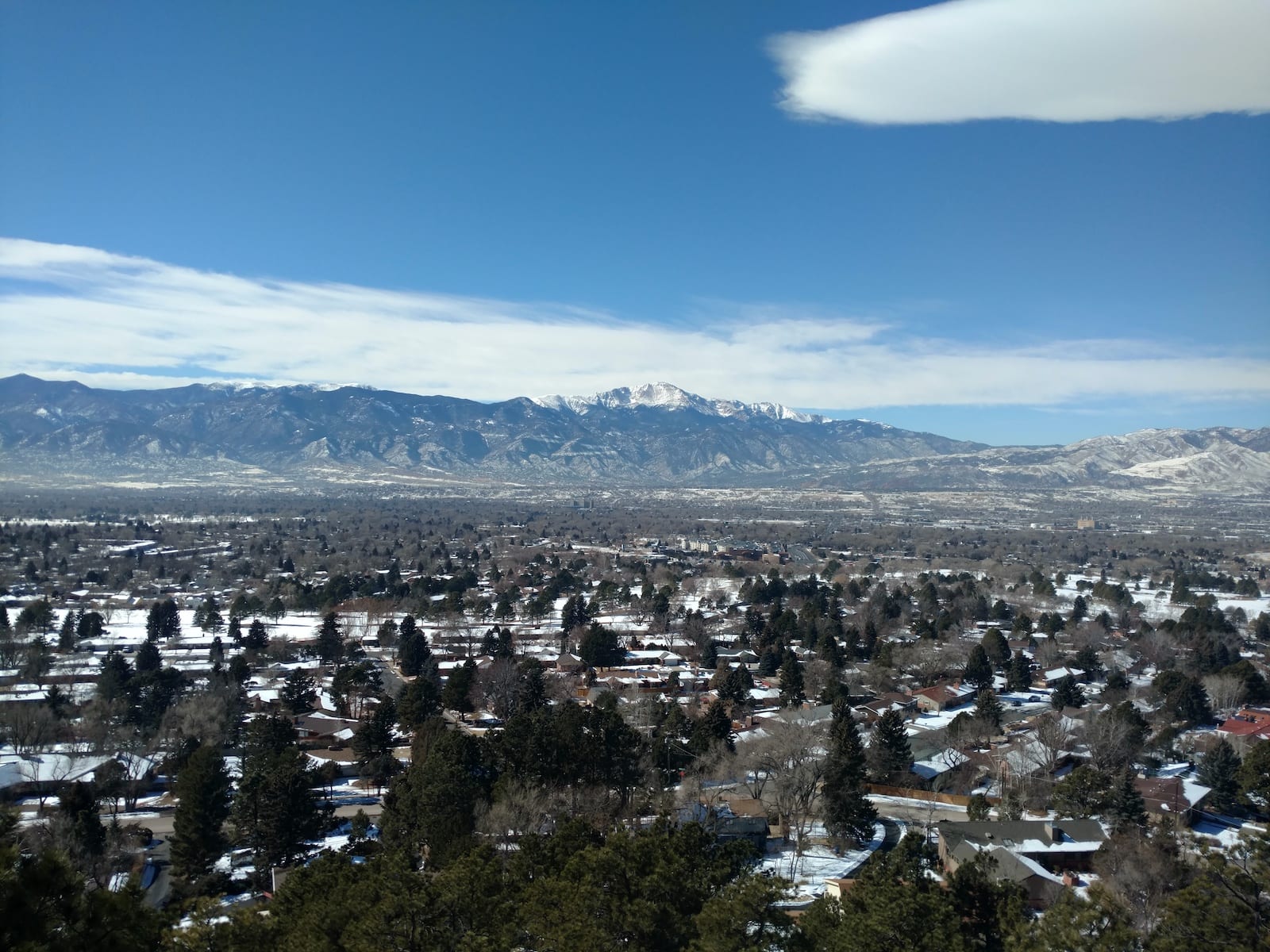
Winter, from December to February, transforms Colorado Springs into a snowy paradise. While cold, sunny days are frequent, and snowfall can range from light dustings to significant accumulations. The dry Colorado air often makes even cold temperatures feel less biting. Winter activities abound, from skiing nearby to enjoying cozy indoor attractions and festive holiday events.
Seasonal Temperature Breakdown: What to Expect Month by Month
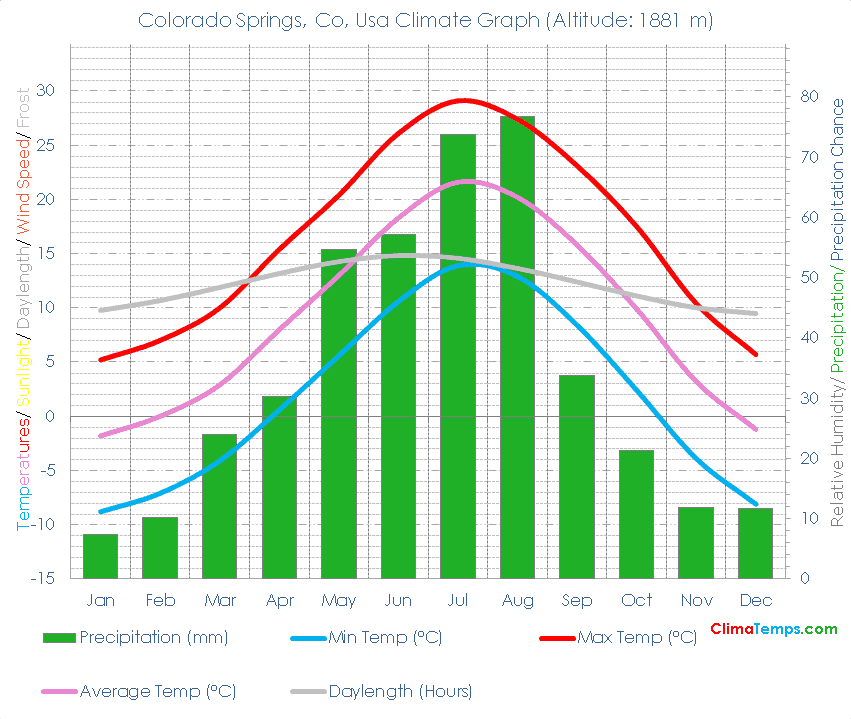
To fully appreciate and plan for your trip to Colorado Springs, a closer look at the average temperatures for each season is invaluable. These figures are averages, and local weather patterns can always bring surprises, so checking a current forecast closer to your travel date is always recommended.
Spring (March – May):
- March: Average high around 50°F (10°C), average low around 25°F (-4°C). Can still see significant snow.
- April: Average high around 59°F (15°C), average low around 32°F (0°C). Snow is less frequent but possible.
- May: Average high around 69°F (20°C), average low around 42°F (6°C). Pleasant and sunny, ideal for outdoor activities.
- What to pack: Layers are crucial. Think light jackets, sweaters, long-sleeved shirts, and waterproof outer layers. Don’t forget sunglasses and sunscreen.
Summer (June – August):
- June: Average high around 79°F (26°C), average low around 50°F (10°C).
- July: Average high around 85°F (29°C), average low around 56°F (13°C). Warmest month, afternoon thunderstorms.
- August: Average high around 82°F (28°C), average low around 54°F (12°C). Similar to July, slightly cooler by month-end.
- What to pack: Lightweight clothing, shorts, t-shirts, a light jacket or sweater for evenings, sun hat, sunglasses, plenty of sunscreen, and a rain jacket for afternoon showers. Comfortable walking shoes are a must.
Autumn (September – November):
- September: Average high around 75°F (24°C), average low around 46°F (8°C). Beautiful, crisp days.
- October: Average high around 63°F (17°C), average low around 35°F (2°C). Perfect for leaf peeping.
- November: Average high around 50°F (10°C), average low around 26°F (-3°C). Colder, with chances of early snow.
- What to pack: Medium-weight layers, sweaters, jackets, long pants, and comfortable shoes for exploring. A scarf and hat might be useful towards late autumn.
Winter (December – February):
- December: Average high around 43°F (6°C), average low around 19°F (-7°C).
- January: Average high around 43°F (6°C), average low around 18°F (-8°C). Coldest month, often sunny.
- February: Average high around 45°F (7°C), average low around 19°F (-7°C). Similar to January, with slightly longer daylight hours.
- What to pack: Warmest clothing, including a heavy winter coat, hats, gloves, scarves, thermal layers, and waterproof boots.
Planning Your Trip: When to Visit Based on Temperature
Choosing the best time to visit Colorado Springs depends entirely on your travel preferences and the type of experiences you seek. Each season presents unique opportunities for adventure, relaxation, and cultural immersion, heavily influenced by the prevailing temperatures. Understanding these seasonal sweet spots is crucial for planning your ideal Colorado getaway.
Ideal Seasons for Specific Experiences
Outdoor Adventures: For hikers, bikers, and nature enthusiasts, the late spring (May-June), summer (July-August), and early autumn (September-October) offer the most favorable conditions. The iconic red rock formations of Garden of the Gods are stunning under a summer sun, while the trails of Pikes Peak become more accessible once the snow melts. Water activities like rafting on the Arkansas River or exploring Seven Falls are best enjoyed in warmer weather. The pleasant temperatures and longer daylight hours of summer allow for extended exploration of destinations like Manitou Springs and Cave of the Winds Mountain Park.
Cultural & Urban Exploration: While outdoor activities are season-dependent, exploring the city’s museums, art galleries, breweries, and historic districts can be a year-round affair. However, milder temperatures in spring and fall make walking tours more comfortable, allowing visitors to leisurely discover the charm of downtown Colorado Springs. These shoulder seasons also mean fewer crowds, enhancing the experience of visiting institutions like the US Air Force Academy or the Colorado Springs Pioneer Museum.
Winter Sports & Cozy Getaways: When the temperatures drop and snow blankets the region from December to February, Colorado Springs transforms into a haven for winter sports enthusiasts and those seeking a cozy retreat. While major ski resorts are a drive away (e.g., west of Denver), smaller local areas offer cross-country skiing, snowshoeing, and ice skating. Many hotels and resorts offer festive decorations and warm amenities during this time, perfect for a romantic escape or a family holiday celebration. The crisp, clean air and stunning snowy vistas add a magical touch to visits to Cheyenne Mountain Zoo or simply enjoying a hot beverage by a fireplace.
Packing Essentials for Every Season
Given the variable climate of Colorado Springs, especially with its high altitude and potential for rapid weather changes, a versatile packing strategy is essential.
- Layering is Key: No matter the season, always pack layers. A warm sunny morning can quickly turn into a cool, breezy afternoon, especially if you’re venturing into higher elevations.
- Sun Protection: At high altitude, the sun’s rays are much stronger. Sunscreen, sunglasses, and a wide-brimmed hat are non-negotiable year-round, even on cloudy or snowy days.
- Hydration: The dry Colorado air can lead to dehydration. Carry a reusable water bottle and drink plenty of fluids.
- Footwear: Comfortable, broken-in walking or hiking shoes are a must, regardless of your planned activities. Waterproof options are advisable for spring, fall, and winter.
- Rain Gear: Light rain jackets are useful in spring and summer for afternoon showers. In colder months, a waterproof outer shell will protect against snow.
Accommodation and Activities Tailored to the Climate
The diverse climate of Colorado Springs not only influences when you visit but also significantly shapes your accommodation choices and the activities you can enjoy. Savvy travelers leverage this knowledge to book the perfect stay and craft an itinerary that aligns with the prevailing weather conditions, ensuring comfort and maximum enjoyment.
Hotels & Resorts: Comfort in Any Weather
Colorado Springs offers a wide array of accommodation options, from luxurious resorts to cozy boutique hotels and family-friendly vacation rentals, each designed to enhance your stay regardless of the season.
For instance, the opulent The Broadmoor resort provides an unparalleled experience year-round. In summer, its golf courses, lake activities, and outdoor pools beckon. In winter, guests can enjoy world-class dining, indoor swimming, and festive events, with fireplaces creating a cozy ambiance. For those seeking a blend of adventure and relaxation, The Broadmoor’s proximity to Pikes Peak makes it an ideal base.
Mid-range hotels and independent vacation rentals also adapt to the seasons. Many feature indoor pools and hot tubs for year-round enjoyment, while outdoor patios and grilling areas are popular amenities during warmer months. During colder periods, properties with in-room fireplaces, heated floors, or access to cozy common areas become highly desirable. When booking, consider amenities that complement the expected temperatures: air conditioning for summer, heating for winter, and perhaps a humidifier for the dry air. For families, look for hotels with indoor play areas or heated pools, especially during cooler or unpredictable seasons.
Embracing Local Culture and Attractions
The temperature in Colorado Springs directly influences the types of local culture and activities that are most popular.
Warm Weather Activities (Late Spring, Summer, Early Fall):
These seasons are prime for exploring the city’s natural landmarks. Hiking through Garden of the Gods or taking the scenic drive up Pikes Peak (or the cog railway) are quintessential Colorado Springs experiences. Outdoor concerts, farmers’ markets, and patio dining at local restaurants are also popular. Families can enjoy the open-air exhibits at Cheyenne Mountain Zoo, while adventure seekers might try zip-lining at Royal Gorge Bridge and Park.
Cool Weather Activities (Late Fall, Winter, Early Spring):
When temperatures drop, the focus often shifts to indoor attractions and winter-specific outdoor pursuits. Museums like the US Olympic & Paralympic Museum or the Colorado Springs Fine Arts Center provide excellent cultural engagement. The city’s burgeoning craft brewery and distillery scene offers warm, inviting spaces to sample local flavors. For outdoor enthusiasts, cross-country skiing, snowshoeing, or even ice skating become viable options. Cozy coffee shops and upscale dining establishments provide perfect refuges from the cold, allowing visitors to savor local cuisine in comfort. Even major attractions like Garden of the Gods offer a unique, serene beauty dusted with snow, making for breathtaking photography opportunities.
Maximizing Your Colorado Springs Lifestyle Experience
The temperature in Colorado Springs not only guides your itinerary but also influences the overall “lifestyle” of your trip – from budget considerations to the specific atmosphere you’ll encounter. By understanding these nuances, you can truly maximize your travel experience, whether you’re seeking luxury, adventure, or a family-friendly escape.
From Budget to Luxury: Seasonal Opportunities
Luxury Travel: For travelers seeking a high-end experience, Colorado Springs offers luxurious hotels like The Broadmoor, which provides exceptional service, fine dining, and spa treatments year-round. However, the ambiance can vary seasonally. Winter brings a cozy, festive elegance, perfect for holiday getaways and romantic retreats, often with fewer crowds and potentially better rates for some services. Summer allows for outdoor luxury, such as golf, tennis, and poolside relaxation in a vibrant atmosphere. Shoulder seasons (spring and fall) can offer a sweet spot with pleasant temperatures and potentially more exclusive access to amenities.
Budget Travel: For those on a tighter budget, timing your visit outside of peak summer can lead to significant savings on accommodation and flights. The shoulder seasons of late spring and early fall often present excellent value. While temperatures are still pleasant for most outdoor activities, hotel rates tend to be lower than in July and August. Even winter can be budget-friendly, especially if you’re not planning extensive ski trips. Many outdoor activities like hiking Garden of the Gods remain free and accessible, providing incredible value regardless of the season.
Family Trips: Families often travel during school holidays, which typically fall in summer or winter. Summer in Colorado Springs is fantastic for family adventures, with attractions like Cheyenne Mountain Zoo, Garden of the Gods, and Pikes Peak in full swing. However, these are also the busiest and most expensive times. Consider visiting in late May or early September when school is out but crowds are thinner, and temperatures are still agreeable. Winter trips can be magical for families seeking a snowy wonderland, with opportunities for unique festive experiences, though requiring more layers and planning for colder conditions.
Business Stays: Business travelers might find the shoulder seasons ideal. The milder temperatures are conducive to comfortable transit and networking, and the slightly less crowded environment allows for focused work balanced with opportunities to explore local culture and dining without extensive waits.
Key Landmarks and Their Seasonal Appeal
Colorado Springs’ famous landmarks reveal different facets of their beauty with each changing season, making repeated visits worthwhile.
- Garden of the Gods: This iconic geological wonder is spectacular year-round. In spring, wildflowers bloom amidst the red rocks. Summer offers long, sunny days for climbing and hiking. Autumn drapes the surrounding vegetation in golden hues, providing a striking contrast to the red sandstone. In winter, a dusting of snow transforms the park into a serene, ethereal landscape, offering a truly unique photographic opportunity.
- Pikes Peak: Known as “America’s Mountain,” Pikes Peak is best ascended in summer or early fall when the road is clear, and temperatures at the summit (which can be 20-30°F colder than in the city) are more manageable. Spring can see the upper reaches still snow-covered, and winter ascents require extreme caution and often specialist equipment due to icy conditions and strong winds, though the views of a snow-capped summit from below are breathtaking.
- Cheyenne Mountain Zoo: As “America’s Only Mountain Zoo,” its outdoor nature makes warmer months ideal for comfortable exploration. However, many animals are more active in cooler temperatures, and the zoo often hosts special events during the winter, complete with holiday lights and warming stations, providing a different, festive experience.
- Manitou Springs: This charming town at the base of Pikes Peak is delightful in spring, summer, and fall for exploring its unique shops, art galleries, and natural mineral springs. While accessible in winter, some outdoor spring taps might be less appealing in freezing temperatures.
In conclusion, the temperature in Colorado Springs is far more than just a number; it’s a dynamic element that shapes every aspect of your travel experience. By understanding its seasonal rhythms, you can expertly plan your trip, choose the perfect accommodation, engage in suitable activities, and ultimately craft a personalized lifestyle experience that lingers long after you’ve returned home. Always remember to check the latest forecast, pack strategically with layers, and prepare for the delightful unpredictability that makes Colorado Springs an unforgettable destination any time of the year.
LifeOutOfTheBox is a participant in the Amazon Services LLC Associates Program, an affiliate advertising program designed to provide a means for sites to earn advertising fees by advertising and linking to Amazon.com. Amazon, the Amazon logo, AmazonSupply, and the AmazonSupply logo are trademarks of Amazon.com, Inc. or its affiliates. As an Amazon Associate we earn affiliate commissions from qualifying purchases.