
Embarking on a journey to Texas, whether for a brief exploration of its vibrant cities or a long-term relocation, often brings with it a host of logistical considerations. Among these, securing official identification stands as a fundamental step, particularly if you do not possess a Texas Drivers License. The Texas Identification Card serves as a crucial document, acting as your primary proof of identity and age within the state. This guide aims to demystify the process of obtaining a Texas Identification Card, weaving in the card’s broader implications for travel, tourism, accommodation, and your overall lifestyle within the Lone Star State.
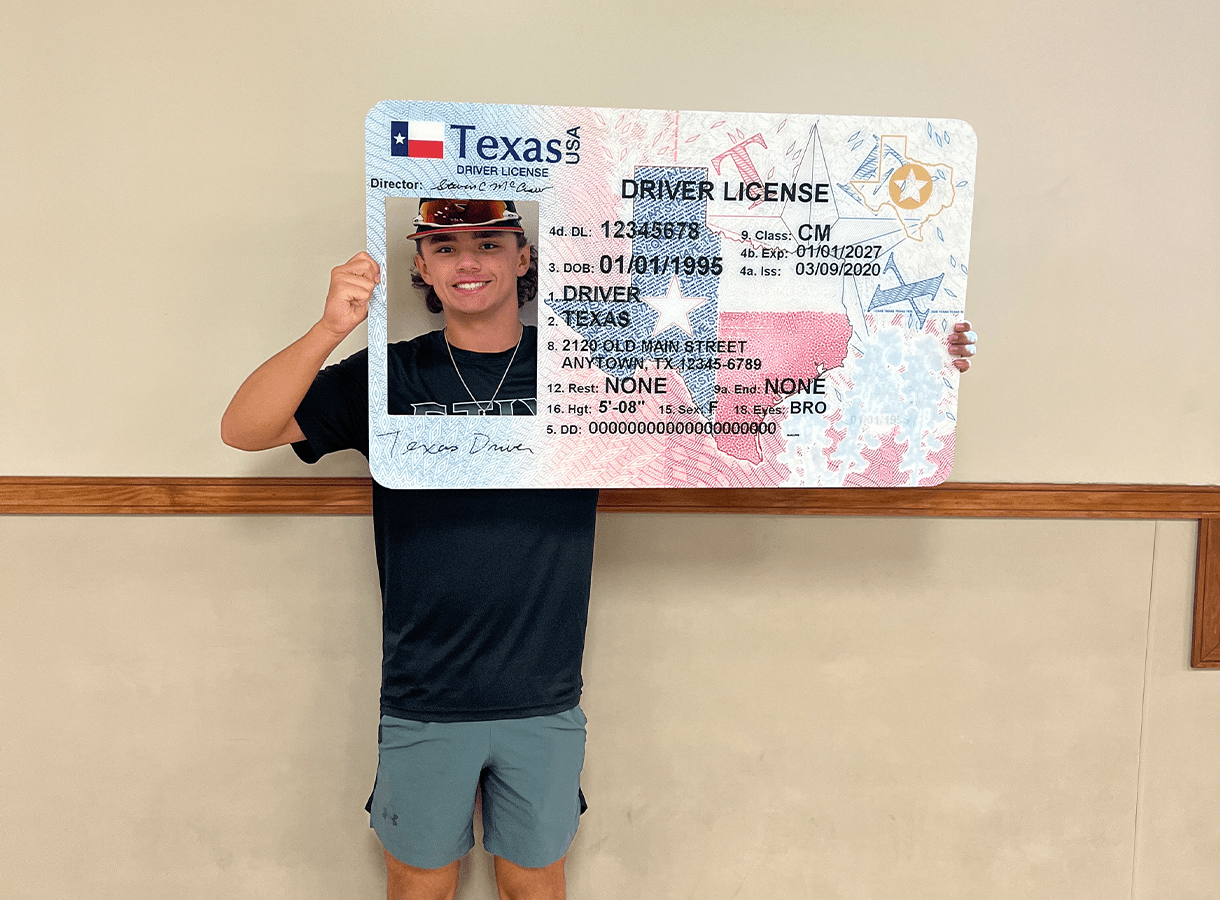
For many, the idea of an ID card might seem like a mere bureaucratic formality. However, in a state as vast and diverse as Texas, a valid Texas Identification Card can be an indispensable tool. It streamlines everything from checking into hotels and accessing local services to exploring landmarks and enjoying the local culture. Whether you’re a new resident setting up home, a digital nomad on an extended stay, or an international visitor seeking official documentation beyond your passport, understanding this process is key to a smooth and enjoyable experience in Texas.
Why a Texas Identification Card is Essential for Your Journey
The utility of a Texas Identification Card extends far beyond simply verifying your identity. It’s an enabler for numerous aspects of daily life, making your integration into Texan life much smoother, whether you’re here for leisure or to establish roots.
Beyond Driving: The Versatility of a Texas ID Card
While a Texas Drivers License serves a similar purpose, the Texas Identification Card is specifically designed for those who do not drive or prefer not to use their drivers license for non-driving related identification needs. It is universally accepted as proof of identity and age throughout the United States. This means you can confidently present it for a variety of situations:
- Hotel Check-ins and Accommodation: When booking suites, resorts, apartments, villas, or even motels and homestays, a valid photo ID is always required. Your Texas Identification Card fulfills this need perfectly, ensuring a hassle-free check-in experience, even if you’re staying at a luxurious bed and breakfast in Fredericksburg or a vibrant downtown Dallas hotel.
- Accessing Tourism and Attractions: Many Texas attractions and landmarks require an ID for entry, especially if there are age restrictions or special discounts. From exploring the Alamo in San Antonio to visiting the Space Center Houston or the Sixth Floor Museum at Dealey Plaza in Dallas, your ID card will ensure seamless entry. It’s also vital for verifying age at restaurants, bars, and nightlife venues across the state.
- Local Services and Transactions: Opening a bank account, signing a lease for an apartment, connecting utilities, or even picking up a package often requires government-issued identification. For new residents, securing a Texas Identification Card is a foundational step in establishing a stable lifestyle in Texas.
- Domestic Travel: While a passport is needed for international travel, a REAL ID-compliant Texas Identification Card can be used for boarding domestic flights, offering convenience for those exploring other parts of North America or flying between Texas cities like Austin and Houston.
Seamless Integration into Texan Life
For those considering a long-term stay or a permanent move, the Texas Identification Card is more than just a piece of plastic; it’s a key to unlocking the full Texan experience. Establishing Texas residency allows you to fully engage with local communities, enjoy resident benefits at state parks and national forests, and participate in local activities. Whether you’re planning family trips to South Padre Island, exploring the Hill Country wineries, or attending events in the Fort Worth Stockyards, a valid ID makes everything simpler. It’s an essential item for anyone from expats finding their new home to international students studying in Texas universities, ensuring they can seamlessly navigate public services, cultural experiences, and shopping districts.
Navigating the Application Process: Your Step-by-Step Guide
Obtaining your Texas Identification Card involves a structured process, primarily handled by the Texas Department of Public Safety (DPS). While it requires careful attention to detail, following these steps will make the experience straightforward.
Eligibility and Initial Requirements
Before gathering documents, it’s important to understand who qualifies for a Texas Identification Card. Generally, applicants must be:
- At least 16 years of age (though there are provisions for younger individuals in specific circumstances).
- A resident of Texas. This doesn’t necessarily mean permanent residency; even individuals with legal temporary presence can apply, demonstrating their intention to reside in the state.
- Not currently holding a Texas Drivers License or any other valid U.S. state or territory drivers license or ID card.
This broad eligibility means that various lifestyles are covered, from long-term residents to those on business stays or extended tourism adventures.
Gathering Your Documentation: The Cornerstone of Your Application
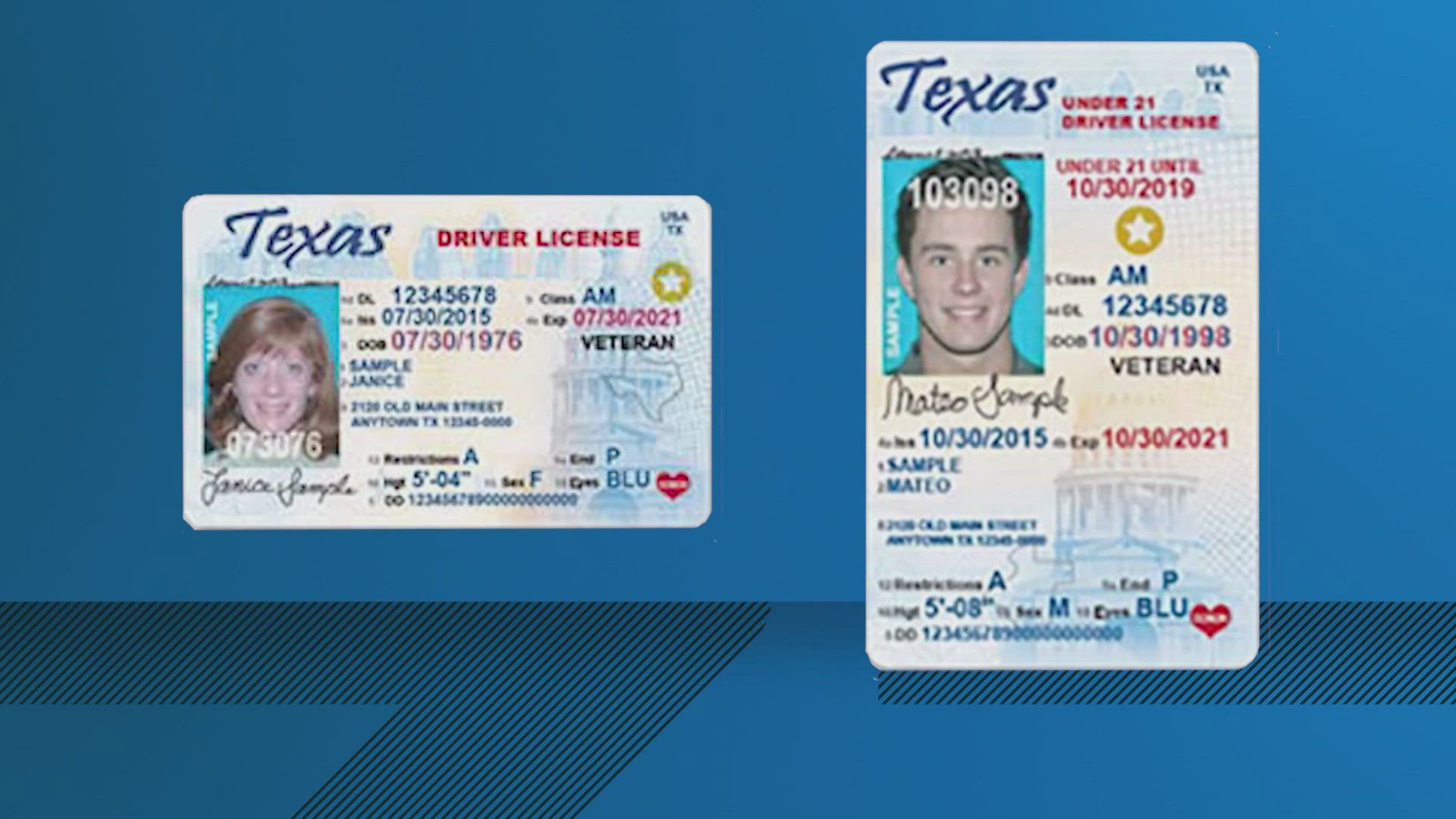
The most critical part of the application is presenting the correct set of documents. The Texas Department of Public Safety (DPS) requires several proofs to verify your identity, citizenship or lawful presence, Social Security Number, and Texas residency.
-
Proof of Identity: You’ll need one primary document or two secondary documents.
- Primary Documents (examples): A U.S. passport or passport card, original or certified birth certificate (U.S. or U.S. Territory), Certificate of Citizenship or Naturalization. For expats and international visitors, a foreign passport with a valid U.S. visa and Form I-94 may suffice.
- Secondary Documents (examples): Social Security card, drivers license from another U.S. state, U.S. military ID card.
- These documents are vital for any form of travel or international dealings, so having them readily available is always a good practice.
-
Proof of U.S. Citizenship or Lawful Presence:
- This is often covered by your primary identity document if it’s a U.S. passport or birth certificate.
- For non-U.S. citizens, you’ll need documentation from the U.S. Citizenship and Immigration Services (USCIS) proving your lawful presence. This could include a valid permanent resident card (Green Card), a valid foreign passport with a visa and Form I-94 (Arrival/Departure Record), or an Employment Authorization Document (EAD). These documents are essential for extended accommodation and lifestyle plans in the United States.
-
Proof of Social Security Number:
- Your original Social Security card is the preferred document. Other acceptable proofs include a W-2 form, a Social Security Administration form 1099, or a pay stub with your name and SSN. If you’ve never been issued an SSN or are not eligible, you may need to sign an affidavit at the DPS office. This number is crucial for various financial and administrative aspects of your lifestyle, from employment to banking.
-
Proof of Texas Residency: You’ll need two documents that show your name and current Texas residential address.
- Common examples: Current utility bill (electricity, water, gas, internet), current lease agreement or mortgage statement, Texas voter registration card, medical or health card with address, or a hotel receipt for an extended stay (proving a temporary but established residence). For those in accommodation like apartments or villas, lease agreements are straightforward. If you’re staying with family or friends, additional documentation from them might be required.
The Application Journey: From Online to In-Person
Once you have all your documents ready, the next steps involve the actual application process:
- Complete the Application Form: While you’ll submit documents in person, it’s highly recommended to complete the Texas Drivers License or ID Card Application (Form DL-14A) online before your visit. This saves time at the DPS office.
- Schedule an Appointment: The DPS encourages scheduling an appointment online to minimize wait times. This is especially useful in major tourism hubs like Austin or Houston, where offices can be busy. Planning this step carefully is part of smart travel and relocation preparation.
- Visit a DPS Office: On the day of your appointment, bring all your original documents. You will:
- Present your completed application and documents.
- Pay the required application fee (typically around $16 for an adult ID card, but always check current fees on the DPS website). This can be paid via cash, credit card, or check.
- Have your photograph taken.
- Provide your fingerprints.
- Pass a vision test (though less rigorous for an ID card than a drivers license).
- Receive Your Temporary ID and Wait for the Permanent Card: If approved, you’ll receive a temporary Texas Identification Card that day, valid for 30-90 days. Your permanent card will be mailed to your Texas residency address within a few weeks. Ensure your mailing address is accurate to avoid delays in receiving this vital document.
Special Considerations for Travelers and New Residents
The process for obtaining a Texas Identification Card is generally consistent, but certain groups, particularly those new to Texas or the United States, might have unique needs.
For International Visitors and Expats
Individuals who are not U.S. citizens or permanent residents can still apply for a Texas Identification Card if they have lawful presence in the United States.
- Documentation: As mentioned, your foreign passport with a valid U.S. visa and your Form I-94 (Arrival/Departure Record), which documents your admission to the U.S. and authorized period of stay, are critical. Other documents might include an Employment Authorization Document (EAD), Temporary Protected Status (TPS) documentation, or an I-551 stamp in your passport for permanent residents awaiting their Green Card.
- Validity Period: The validity of your Texas Identification Card for non-citizens is often tied to the expiration date of your lawful presence document (e.g., your visa or I-94). This is a key point for digital nomads or expats planning extended stays, as it impacts their ability to maintain their local lifestyle and access services.
- Importance: For international students or temporary workers, a Texas Identification Card can be invaluable for daily transactions, confirming age, and even for local travel when a passport might be too cumbersome to carry around. It simplifies mundane tasks like opening a local bank account or even renting a car for a weekend getaway in Big Bend National Park.
Renewals and Replacements: Keeping Your ID Current
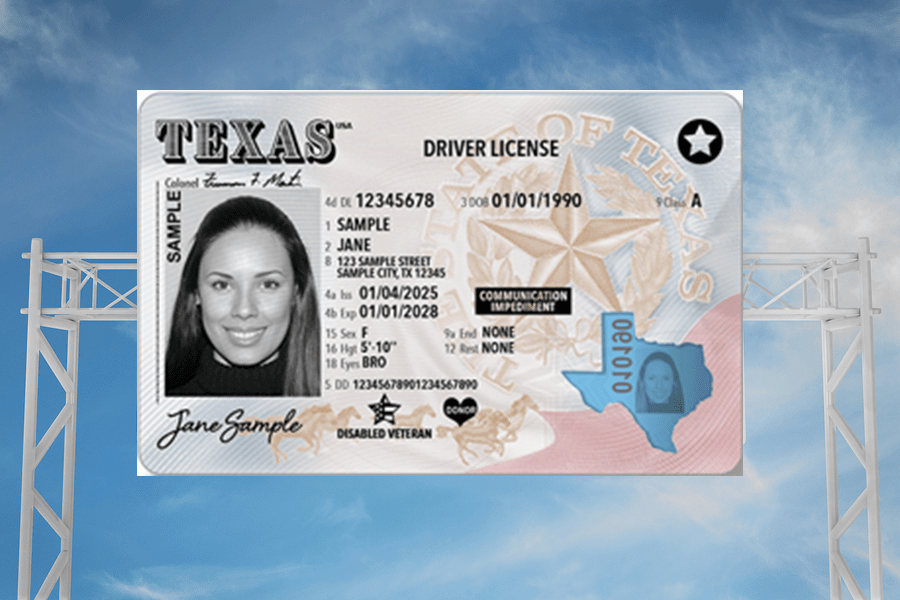
A standard adult Texas Identification Card is valid for six years. Knowing how to renew or replace it is crucial for uninterrupted travel and lifestyle within Texas and beyond.
- Renewals: You can often renew your ID card online, by mail, or in person at a DPS office. Eligibility for online or mail renewal depends on certain criteria, such as your age, citizenship status, and whether your personal information has changed. Always check the DPS website for specific instructions as your expiration date approaches. Keeping your ID current is essential for continued access to services, from hotel bookings to public transportation.
- Replacements: If your Texas Identification Card is lost, stolen, or damaged, you can apply for a replacement. This usually involves completing a new application form, providing proof of identity, and paying a replacement fee. You can often start this process online. Reporting a lost or stolen ID promptly is important for security reasons, especially when engaging in tourism activities or staying in different accommodations.
In conclusion, obtaining a Texas Identification Card is a relatively straightforward process that significantly enhances your ability to navigate the diverse landscapes and vibrant communities of Texas. From checking into a boutique hotel in Austin to exploring museums, art galleries, and restaurants in Houston, or simply enjoying the lifestyle benefits of being a resident, this card is a fundamental piece of your preparedness. By understanding the requirements, gathering your documents meticulously, and following the application steps, you’ll soon have your official Texas Identification Card, opening up a world of possibilities for your travel, tourism, and lifestyle adventures in the Lone Star State. Plan ahead, organize your paperwork, and get ready to experience all that Texas has to offer, from its bustling cities to its serene Gulf Coast beaches and rugged Western landmarks.
LifeOutOfTheBox is a participant in the Amazon Services LLC Associates Program, an affiliate advertising program designed to provide a means for sites to earn advertising fees by advertising and linking to Amazon.com. Amazon, the Amazon logo, AmazonSupply, and the AmazonSupply logo are trademarks of Amazon.com, Inc. or its affiliates. As an Amazon Associate we earn affiliate commissions from qualifying purchases.