
The question “Will Mexicans take over California?” is a provocative one, often raised with undertones of concern or curiosity about demographic shifts and cultural integration. However, a more insightful way to approach this query, especially from the perspective of travel, tourism, and lifestyle, is to explore how the vibrant and ever-growing Mexican and broader Hispanic community has profoundly shaped, enriched, and revitalized the Golden State. Rather than a “takeover” in a confrontational sense, California is witnessing a beautiful evolution, where Mexican culture is not merely present but interwoven into the very fabric of its identity, offering unparalleled experiences for residents and visitors alike.
This dynamic interplay manifests across every facet of California life – from its culinary landscape and artistic expressions to its economic engines and community celebrations. For anyone seeking to understand the true essence of modern California, delving into the indelible influence of Mexican heritage is not just essential, it’s an exhilarating journey.

A Deep Dive into California’s Enduring Cultural Tapestry
California’s story is inextricably linked with Mexico. Long before it became a U.S. state, California was a part of Mexico, and prior to that, a territory of Spain, whose legacy itself was deeply fused with indigenous and European influences that would later define Mexican identity. This historical foundation means that Mexican culture isn’t an “import” but a foundational element of the region.
Historical Roots and Modern Demographics
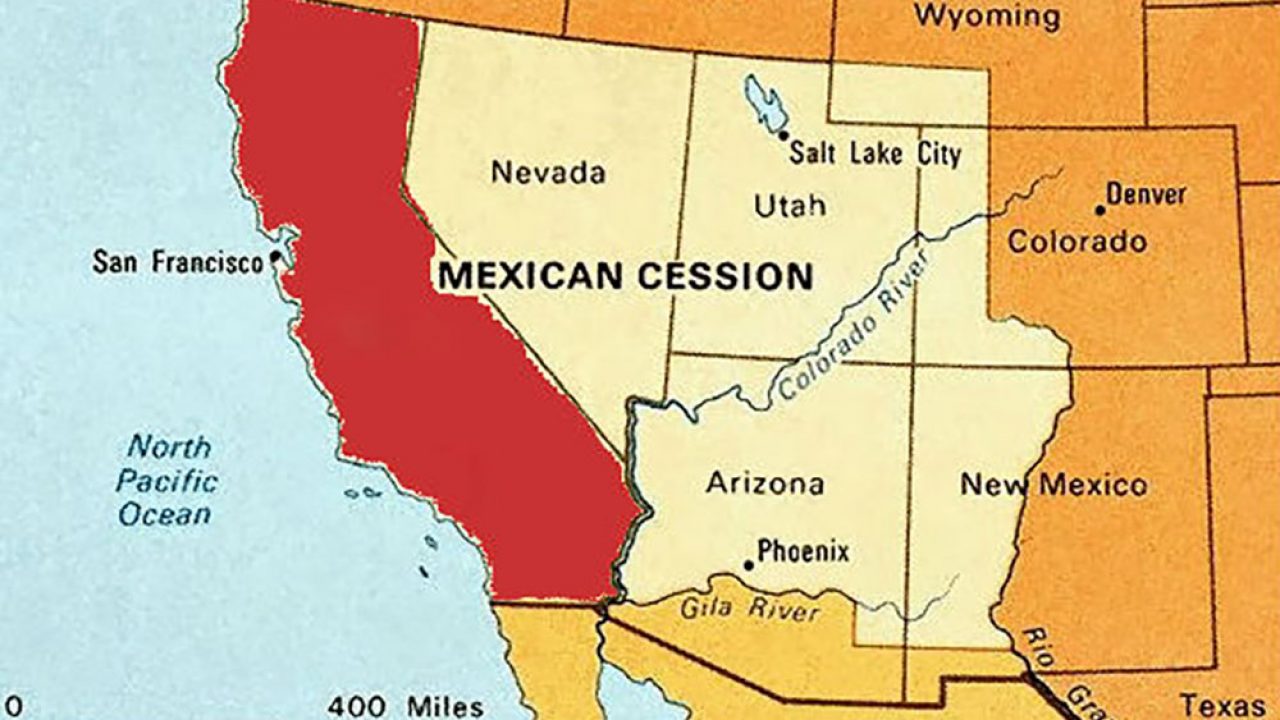
The historical ties run deep. The land that is now California, along with Texas, New Mexico, Arizona, Nevada, Utah, and parts of Colorado, was part of Mexico until the Treaty of Guadalupe Hidalgo in 1848. This historical context is vital to understanding the present. The Mexican and Latin American populations have maintained a continuous presence, amplified by subsequent waves of migration driven by economic opportunities, family reunification, and socio-political factors in both countries.
Today, the statistics speak volumes. California is home to the largest Hispanic population of any U.S. state. According to recent demographic data, individuals of Hispanic or Latino origin constitute the largest ethnic group in California, surpassing non-Hispanic whites. This demographic shift isn’t a speculative future but a present reality. Projections indicate that the Hispanic population will continue to grow, solidifying its majority status. This growth is not merely about numbers; it reflects a vibrant and dynamic community that is deeply integrated into every aspect of California society. From bustling urban centers like Los Angeles and San Diego to the agricultural heartlands of the Central Valley, the presence of Mexican and broader Latin American communities is palpable, driving cultural trends, economic activity, and social discourse.
The Undeniable Influence of Mexican Culture
For travelers and those interested in lifestyle, the cultural impact is perhaps the most visible and exciting aspect. Mexican culture has profoundly reshaped the daily experience of living in and visiting California, offering a richness that few other states can claim.
Culinary Delights: No discussion of Mexican influence in California is complete without first celebrating its food. From the ubiquitous taco trucks that dot every street corner to high-end Mexican fusion restaurants, the state’s culinary scene has been utterly transformed. Authentic regional cuisines from Oaxaca, Puebla, Jalisco, and other states of Mexico are readily available. Visitors can savor everything from spicy mole dishes and savory tamales to fresh ceviche and innovative modern Mexican fare. Cities like Los Angeles and San Diego are renowned for their diverse Mexican eateries, offering culinary tours that showcase regional specialties. The availability of fresh, authentic Mexican ingredients in local markets has also influenced general Californian cooking, embedding flavors like cilantro, chili, and lime into mainstream palates.
Language and Communication: Spanish is the second most spoken language in California, with a significant portion of the population being bilingual. This prevalence enriches the travel experience, allowing for easier communication with a broader range of people and providing a sense of immersion even within the United States. Signs, advertisements, and public services are often presented in both English and Spanish, reflecting the linguistic diversity that is a hallmark of the state.
Arts and Entertainment: Mexican art, music, and traditions are celebrated throughout California. Mariachi bands are a common sight at festivals and restaurants, their vibrant music a symbol of joy and celebration. Public murals depicting Mexican historical figures, folklore, and contemporary themes adorn cityscapes, particularly in culturally rich neighborhoods like San Francisco‘s Mission District and Los Angeles’ Olvera Street. The influence extends to modern art, film, and fashion, where designers and artists draw inspiration from Mexican aesthetics, colors, and craftsmanship.

Economic Vibrancy: Contributions Shaping the Golden State
The contributions of the Mexican community extend far beyond culture, forming a foundational pillar of California’s robust economy. From powering essential industries to fostering cross-border trade, the economic impact is undeniable and crucial for the state’s prosperity.
Fueling Industries: From Agriculture to Tourism
Mexican and Latin American labor has historically been, and continues to be, indispensable to California’s economy.
Agriculture: The vast agricultural sector, often referred to as California’s salad bowl, relies heavily on the Mexican workforce. From harvesting fruits and vegetables to managing vineyards, this labor is critical to sustaining the state’s position as a leading agricultural producer, feeding both the nation and the world.
Construction and Services: Beyond agriculture, Mexican workers are vital to the construction industry, building homes, infrastructure, and commercial properties that support California’s growth. In the service sector, particularly in hospitality, food service, and domestic work, their contributions are essential to the daily functioning of cities and the quality of life for residents and tourists.
Entrepreneurship: The entrepreneurial spirit within the Mexican community is a significant driver of local economies. Small businesses – from restaurants and panaderías (bakeries) to auto repair shops and construction firms – are often founded and operated by Mexican immigrants and their descendants. These businesses create jobs, circulate wealth within communities, and provide essential goods and services, contributing to the state’s diverse economic landscape. Many of these businesses, particularly in the food and craft sectors, also directly enhance the tourism experience by offering authentic local products and services.
Bridging Borders: The Impact on Cross-Cultural Trade and Tourism
The proximity to Mexico and the large Mexican diaspora in California naturally foster robust cross-border economic activity.
Trade and Commerce: California serves as a critical gateway for trade between the United States and Mexico. The movement of goods, capital, and services across the border supports countless jobs and industries on both sides. Mexican-owned businesses in California often facilitate these exchanges, leveraging cultural understanding and familial ties to build successful international trade relationships.
Remittances: A significant economic phenomenon is the flow of remittances – money sent by Mexican workers in California back to their families in Mexico. While often discussed in terms of its impact on the Mexican economy, it also highlights the substantial economic activity and earnings generated by this community within California.
Tourism Magnet: The cultural richness brought by Mexican communities is a major draw for tourism. Travelers from around the globe are eager to experience authentic Mexican food, art, music, and festivals right in California. Cultural districts, historical sites like the San Juan Capistrano Mission, and vibrant neighborhoods dedicated to Mexican heritage offer unique attractions that boost the state’s tourism economy. San Diego, with its direct border access and strong Mexican influences, thrives on this cross-cultural exchange, attracting visitors interested in exploring both sides of the frontier. The appeal of a “two-nation vacation” where one can easily visit northern Baja California from San Diego is also a lifestyle choice for many.
Lifestyle and Community: The Everyday Fabric of California
The influence of Mexican culture is not confined to specific events or economic sectors; it is woven into the daily rhythm and lifestyle of California, creating a rich and vibrant environment that benefits everyone.
Culinary Journeys and Festival Celebrations
For those focused on experiences, California’s Mexican heritage offers an endless array of opportunities.
Everyday Feasting: Beyond formal dining, Mexican food is an integral part of daily life. Breakfast burritos are a Californian staple, carne asada fries are a San Diego invention, and fresh aguas frescas and paletas are perfect for the sunny California climate. Grocery stores boast extensive sections of Mexican products, and local markets often feature vendors selling handmade tortillas, specialty cheeses, and unique produce.
Festive Calendar: The calendar year in California is punctuated by numerous Mexican and Hispanic festivals. Cinco de Mayo celebrations, though often misunderstood as Mexican Independence Day (which is Fiestas Patrias on September 16th), are widely celebrated across the state, bringing communities together with music, dance, and food. However, perhaps the most visually stunning and culturally rich celebration is Día de los Muertos (Day of the Dead). Once a more niche observance, Día de los Muertos has exploded in popularity, with elaborate altars, colorful parades, and community gatherings held in cities like Los Angeles, San Francisco, and San Diego. These events offer profound cultural experiences for tourists and locals alike, showcasing intricate traditions, artistry, and a unique approach to remembrance.
Language and Identity: A Dynamic Evolution
The presence of the Mexican community has significantly impacted California’s linguistic and social landscape.
Bilingualism and Biculturalism: California is increasingly a bilingual state, where Spanish fluency is not just a cultural asset but also a practical skill, particularly in many professional fields. This biculturalism fosters a unique identity, allowing individuals to navigate between two rich cultural worlds, enriching perspectives and fostering greater understanding. For instance, the education system often offers dual-language immersion programs, aiming to cultivate a new generation of bilingual, bicultural citizens.
Community Building and Social Influence: Strong community networks, often centered around family, churches, and cultural organizations, provide a vital support system for Mexican Californians. These communities contribute to social cohesion, civic engagement, and political discourse. The Chicano Movement of the mid-20th century, which originated in California and the Southwest, was a pivotal moment in fighting for civil rights and asserting Mexican American identity, leaving a lasting legacy on the state’s social and political consciousness. This activism continues today, ensuring that the voices and needs of the community are heard and addressed.
Looking Ahead: California’s Multicultural Future
The question of whether “Mexicans will take over California” misses the point entirely. What is unfolding is not a hostile takeover but a dynamic and organic cultural integration, a continuous process of mutual influence and enrichment that has been ongoing for centuries. California’s future is not one of a single dominant culture, but a vibrant mosaic where Mexican heritage is a central and undeniable thread.
Embracing Diversity: A Model for the Nation
California has always been a land of migrants, a destination for those seeking new opportunities and a better life. From the Gold Rush to the tech boom of Silicon Valley and the entertainment industry of Hollywood, diversity has been its strength. The enduring and growing presence of Mexican culture is simply the latest, and perhaps most profound, chapter in this ongoing story.
This deep integration offers a powerful model for other regions and countries grappling with similar demographic shifts. Instead of fear or division, California demonstrates how diverse communities can coexist, contribute, and collectively shape a unique identity. The Mexican influence has not diminished California but has made it more vibrant, more delicious, more musically diverse, and more economically resilient. For travelers, this means an endless exploration of culture, history, and flavor. For residents, it means living in a state that truly embodies the promise of diversity, where different traditions intertwine to create a future that is richer, more complex, and endlessly fascinating.
So, no, Mexicans are not “taking over” California in a literal sense. They are, and have always been, an integral part of its heart and soul, actively shaping its present and undeniably building its future, contributing to an experience that makes California one of the most exciting and culturally rich destinations in the world.
LifeOutOfTheBox is a participant in the Amazon Services LLC Associates Program, an affiliate advertising program designed to provide a means for sites to earn advertising fees by advertising and linking to Amazon.com. Amazon, the Amazon logo, AmazonSupply, and the AmazonSupply logo are trademarks of Amazon.com, Inc. or its affiliates. As an Amazon Associate we earn affiliate commissions from qualifying purchases.