
Florida, the Sunshine State, beckons millions of travelers each year with its pristine beaches, world-famous theme parks, vibrant cities, and serene natural landscapes. From the magical realm of Walt Disney World Resort in Orlando to the Art Deco charm of Miami’s South Beach and the wild beauty of Everglades National Park, there’s an endless array of destinations and experiences awaiting. However, for those planning a quintessential Florida road trip or simply navigating between attractions, one common question often arises: “Are tolls still suspended in Florida?”
This question frequently surfaces in the aftermath of natural disasters, particularly hurricanes, when temporary toll suspensions are enacted to aid in evacuation and recovery efforts. While the concept of a toll-free drive across the state might sound appealing to budget-conscious travelers and those seeking a seamless journey, understanding the current status and implications of Florida’s tolling system is crucial for a stress-free and enjoyable visit. This comprehensive guide will delve into the history of recent toll suspensions, provide a definitive answer to the current status, and offer invaluable tips for navigating the state’s roadways, ensuring your Florida adventure is smooth and surprises-free.
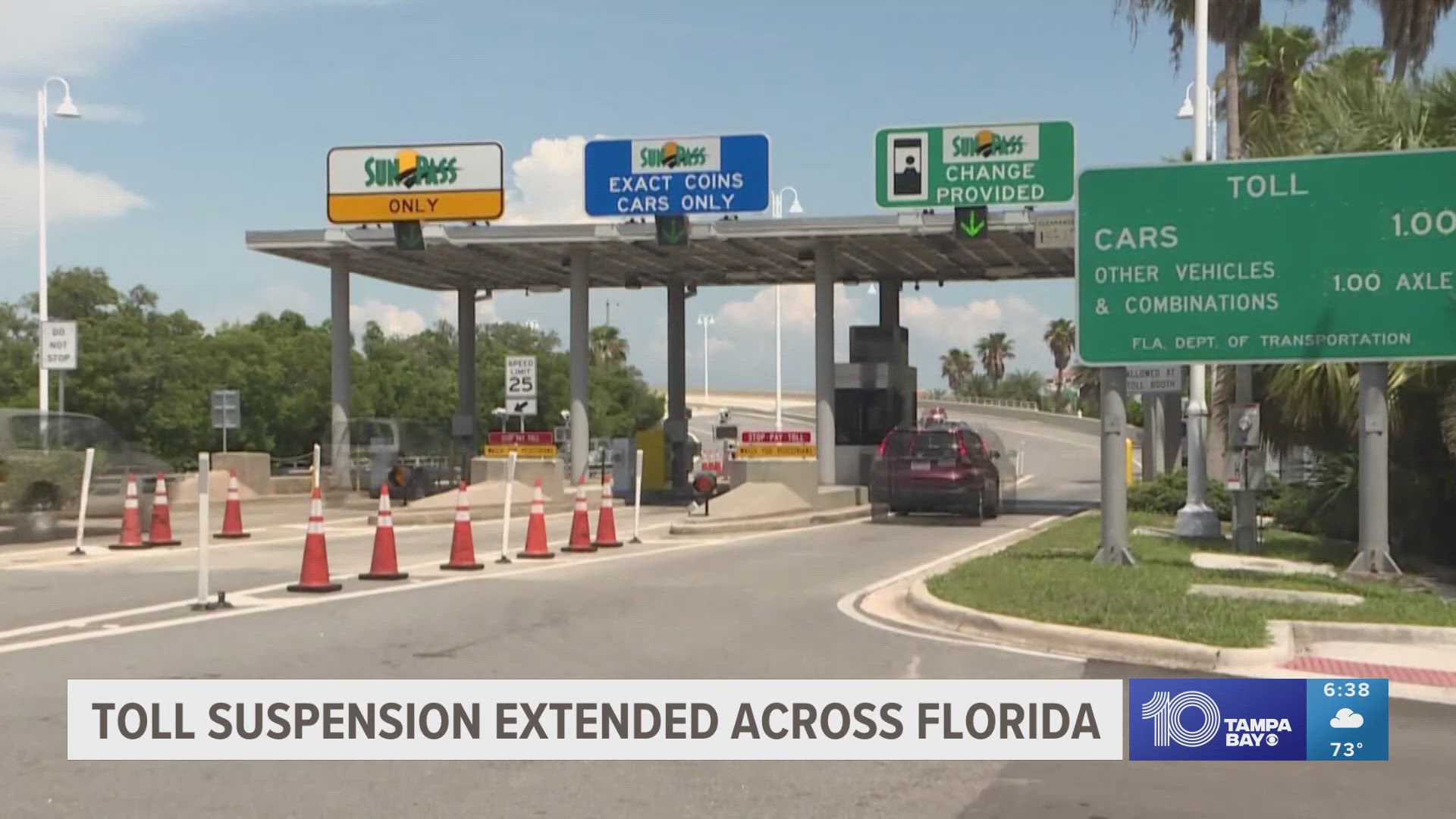
The Rollercoaster of Florida Toll Suspensions: A Recent History
Florida’s vast network of highways and expressways often includes toll roads, which are vital for funding infrastructure development and maintenance. However, in times of crisis, these tolls can become a barrier, particularly during large-scale evacuations or humanitarian aid delivery. To address these critical situations, Florida’s government occasionally implements temporary toll suspensions.
The Rationale Behind Temporary Suspensions
The primary reason for suspending tolls in Florida is almost exclusively tied to natural disasters, most notably hurricanes. When a significant storm threatens the state, Governor Ron DeSantis, through executive order, has the authority to suspend tolls on various state roads. This measure serves several critical purposes:
- Facilitating Evacuations: Removing tolls streamlines the flow of traffic out of at-risk areas, allowing residents and visitors to evacuate more quickly and safely, reducing congestion at toll plazas.
- Aiding Emergency Response: It enables emergency vehicles, first responders, and aid workers to move freely and rapidly to areas in need, expediting rescue and relief operations.
- Supporting Recovery Efforts: Post-storm, toll suspensions can help residents return to their homes, allow essential workers to access affected regions, and facilitate the transport of supplies for rebuilding and recovery.
These suspensions are always temporary, designed to provide immediate relief during and after a crisis. They are not a permanent change to the state’s tolling policy but rather an emergency measure with a defined start and end date.
Key Dates and Reinstatements: A Look at Recent Hurricanes
In recent years, Florida has faced several powerful hurricanes, each prompting temporary toll suspensions. Understanding these past events helps contextualize the current situation:
- Hurricane Idalia (August-September 2023): Following the severe threat posed by Hurricane Idalia, tolls were suspended across several routes, including Florida’s Turnpike, Alligator Alley (I-75), and numerous expressways in key urban areas. This suspension began on Tuesday, August 29, 2023. However, with recovery efforts progressing and the immediate threat subsiding, tolls were reinstated on Friday, September 8, 2023, at 12:00 PM.
- Hurricane Ian (September-October 2022): This devastating storm also led to widespread toll suspensions starting Tuesday, September 27, 2022. Due to the extensive damage and prolonged recovery in many areas, this suspension remained in effect for a longer period, with tolls being reinstated on Wednesday, October 12, 2022, at 6:00 AM.
- Hurricane Nicole (November 2022): In the wake of Hurricane Nicole, tolls were suspended beginning Wednesday, November 9, 2022. This suspension was relatively brief, with tolls reinstated on Thursday, November 17, 2022, at 6:00 AM.
The definitive answer to the question “Are tolls still suspended in Florida?” is a resounding NO. As of the latest updates following Hurricane Idalia, all tolls have been reinstated across the state. Travelers should proceed with the assumption that all toll roads in Florida are active and require payment.
Navigating Florida’s Tolled Roadways: What Travelers Need to Know
While the idea of perpetual toll-free travel in Florida is a pleasant dream, the reality is that tolls are an integral part of the state’s transportation infrastructure. Understanding how they work and how to manage them is essential for any visitor planning to explore Florida’s diverse attractions.
Understanding Florida’s Tolling Systems
Florida utilizes modern, mostly electronic tolling systems. Cash collection at toll booths is becoming increasingly rare, making it imperative for travelers to be prepared.
- Major Toll Roads: Key arteries like Florida’s Turnpike, Alligator Alley (a segment of I-75 connecting Naples and Fort Lauderdale), and various expressways around major cities such as Orlando, Miami, Tampa, and Jacksonville are tolled. These roads often provide the quickest routes between popular destinations like theme parks, coastal resorts, and bustling city centers.
- Electronic Payment Systems:
- SunPass: This is Florida’s official electronic toll collection system and is highly recommended for frequent travelers or those planning extensive road trips. A small transponder (either a sticker or a portable device) is purchased and linked to a prepaid account. When you pass through a toll plaza, the transponder is read, and the toll amount is deducted automatically. SunPass users often benefit from discounted toll rates compared to other payment methods. The SunPass PRO transponder offers interoperability with many other states’ toll systems, a significant advantage for travelers exploring beyond Florida’s borders.
- E-Pass: Operated by the Central Florida Expressway Authority, E-Pass functions similarly to SunPass and is compatible with all Florida toll roads.
- Toll-by-Plate (Pay By Mail): If you drive on a toll road without a transponder or without paying cash (where available), cameras capture your vehicle’s license plate. The system then mails an invoice to the registered owner of the vehicle. This method is the most expensive, as it typically includes administrative fees in addition to the toll amount. For rental cars, this can lead to significant surcharges from the rental company.
- Rental Car Toll Programs: This is a crucial point for many visitors. Most major car rental companies (Avis, Budget, Hertz, Enterprise, National, Thrifty, Dollar, Alamo, etc.) offer their own toll programs. While convenient, these programs often come with daily administrative fees, even on days you don’t incur tolls, which can quickly add up. It’s vital to inquire about their specific toll policies before you rent and compare the costs. Sometimes, purchasing a SunPass transponder yourself for a week-long trip can be more cost-effective than using the rental company’s plan.
- Checking Toll Prices: Various online tools and apps, including the official SunPass website and popular navigation apps, allow you to calculate estimated toll costs for your route. This is invaluable for budgeting and planning.
Planning Your Budget and Itinerary with Tolls in Mind

Tolls, while seemingly minor, can significantly impact your overall travel budget, especially for longer trips or those involving frequent use of expressways. Incorporating toll considerations into your travel planning is a smart move for any lifestyle, from budget-conscious explorers to luxury resort guests.
- Budget Travel Implications: For travelers on a tight budget, tolls can be an unexpected drain. Opting for a SunPass is often the cheapest electronic option. Alternatively, some navigation apps offer “avoid tolls” features, allowing you to take scenic, toll-free routes, though these may add considerable travel time. This choice becomes part of the “experience” – a slower, perhaps more local, journey versus the speed and efficiency of tolled expressways.
- Strategic Route Planning: Before embarking on your journey from your hotel in Orlando to the beaches of Sarasota or the vibrant nightlife of Miami, consult a map or GPS. Identify routes that minimize toll usage if desired, or understand the cost if taking the fastest route. For example, traveling from Orlando to Miami via Florida’s Turnpike will incur significant tolls but is much faster than non-tolled alternatives.
- Timing Your Trip: While tolls themselves don’t change based on the time of day, traffic congestion might. Using efficient toll roads during peak hours can save valuable time, making the toll cost a worthwhile investment for those prioritizing swift travel to attractions or business meetings.
- Always Verify Current Status: While this article provides the current status, it is always prudent to do a quick online search or check the official Florida Department of Transportation (FDOT) or Florida’s Turnpike websites shortly before your trip, especially if a storm has recently affected the state. This proactive step ensures you have the most up-to-date information.
Beyond the Toll Booth: The Broader Impact on Florida Travel and Tourism
Tolls are more than just a payment for road usage; they are a fundamental component of Florida’s ability to maintain and enhance its appeal as a premier travel and tourism destination. Their impact extends to the overall travel experience, local economy, and even lifestyle choices within the state.
Enhancing the Travel Experience
The efficient network of toll roads plays a critical role in facilitating tourism and enriching the visitor experience.
- Seamless Access to Attractions: Florida’s toll roads connect major tourist hubs, making it easier and faster for families to travel from their Orlando accommodations to Universal Orlando Resort, or for adventurers to reach the Florida Keys from mainland Florida. This connectivity reduces travel time, maximizes sightseeing opportunities, and decreases stress, especially for those traveling with children.
- Reduced Congestion: By providing alternative, often faster routes, toll roads help alleviate congestion on free highways. This means less time stuck in traffic and more time enjoying Florida’s myriad offerings, from boutique hotels to renowned landmarks.
- High-Quality Infrastructure: The revenue generated from tolls directly contributes to the maintenance, repair, and expansion of roads. This ensures that travelers experience smooth, well-maintained highways, enhancing safety and overall comfort during their journeys through picturesque landscapes or bustling urban areas. This investment is crucial for supporting the state’s booming tourism industry, which relies heavily on accessible and reliable transportation.
Economic Implications and Lifestyle Choices
Tolls are not just a travel expense; they are an economic driver and a factor in how both residents and long-term visitors navigate their lives and travel choices in Florida.
- Funding for Growth: Tolls are a sustainable funding mechanism that allows Florida to invest in its transportation infrastructure without solely relying on general tax revenues. This continuous development supports the state’s growing population and burgeoning tourism sector, ensuring that roads can handle increased traffic to new destinations, resorts, and communities.
- Balancing Convenience and Cost: For many, the convenience of faster travel on a toll road outweighs the cost. This is particularly true for business travelers, those on tight schedules, or families prioritizing time at attractions over a longer, toll-free journey. Conversely, budget travelers might choose longer, scenic routes to save money, turning the journey itself into an experience. This dynamic reflects the diverse “lifestyle” choices offered by Florida, from luxury travel to more frugal explorations.
- Impact on Accommodation and Long-Term Stays: For those considering long-term stays, vacation rentals, or even purchasing property in Florida, understanding the local toll networks is vital. Daily commutes, trips to local attractions, or even grocery runs can involve tolls, which become a recurring lifestyle expense. Knowing how to utilize systems like SunPass can lead to significant savings over time. The proximity of accommodations to toll roads might also influence booking decisions, especially for visitors who plan extensive driving.
Essential Tips for a Seamless Florida Road Trip
Planning is paramount for any successful trip, and a Florida road trip is no exception. By taking a few proactive steps, you can ensure your journey through the Sunshine State is enjoyable and free of unexpected toll-related headaches.
Before You Go
- Get a SunPass or Equivalent: This is arguably the most important tip. Purchase a SunPass Mini sticker transponder (available at grocery stores, pharmacies, and online) or a portable SunPass PRO. Register it online and load funds. This will save you money on tolls and prevent rental car surcharges.
- Understand Your Rental Car’s Toll Policy: If you’re renting a car, thoroughly read the rental agreement regarding tolls. Opt out of their daily toll program if you plan to use your own SunPass or avoid tolls entirely. Inquire about administrative fees for Toll-by-Plate invoices.
- Plan Your Route: Use a GPS app (like Google Maps, Waze, Apple Maps) that can calculate routes with and without tolls. This allows you to make informed decisions about speed versus cost. Mark key destinations like your hotel, attractions, and any specific landmarks you wish to visit.
- Download Navigation Apps: Ensure your smartphone has up-to-date navigation apps with offline map capabilities, just in case you lose signal in more remote areas of Florida.
On the Road
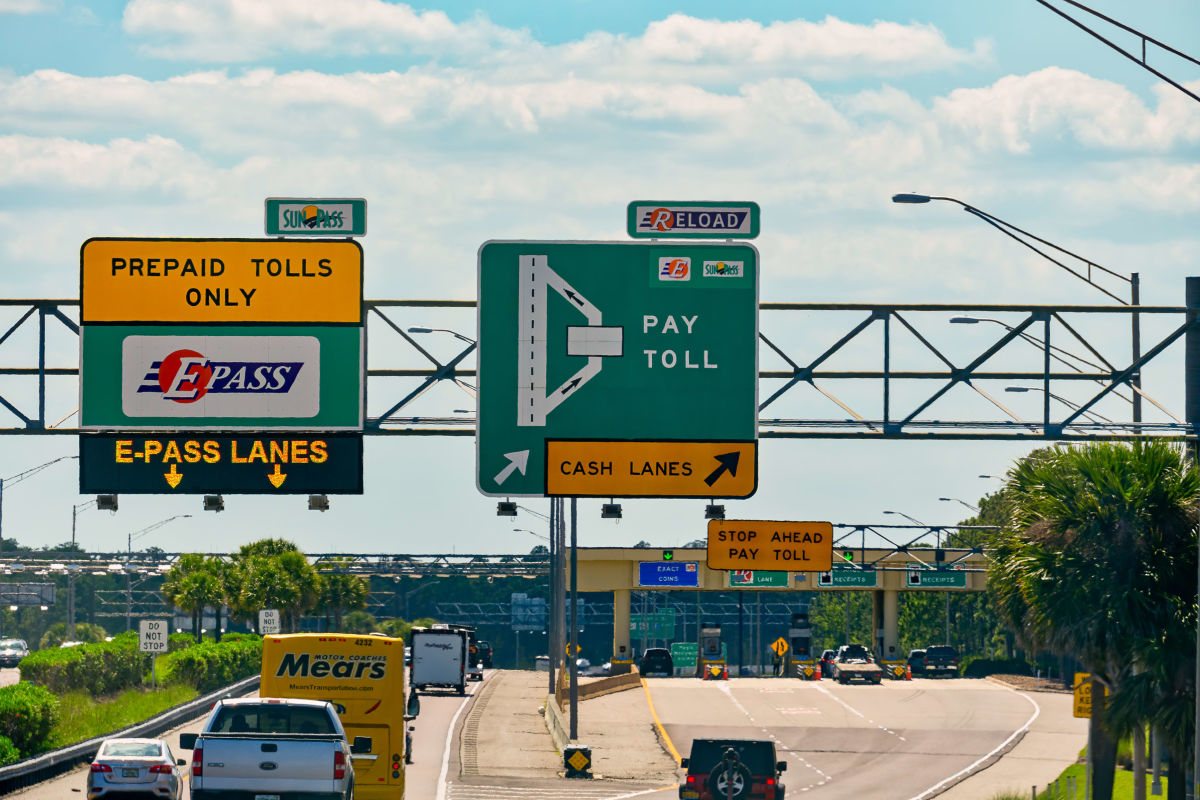
- Stay Alert for Signs: Pay close attention to road signs indicating upcoming toll plazas and payment methods. Lanes are usually clearly marked for “Cash,” “SunPass Only,” or “Toll-by-Plate.”
- Understand Lane Types: If you have a SunPass, stick to the dedicated SunPass lanes for seamless passage. If you’re relying on Toll-by-Plate (not recommended for rental cars), ensure you go through the appropriate lane that photographs your plate. Avoid “Cash Only” lanes unless you have exact change and see a collector. Most new toll plazas are entirely electronic.
- What If You Miss a Toll? If you accidentally go through an electronic toll lane without a transponder or without sufficient funds on your SunPass account, your license plate will be photographed. You can proactively pay the missed toll online through the SunPass website within a few days to avoid additional fees and mailed invoices.
Post-Trip Review
- Check Your SunPass Account: Even after your trip, monitor your SunPass account balance and transaction history to ensure all tolls were processed correctly.
- Rental Car Scrutiny: If you used a rental car, carefully review your final rental agreement and credit card statements for any unexpected toll charges or administrative fees. Dispute any charges you believe are incorrect.
- Keep Records: Maintain records of your travel dates and routes, especially if you anticipate any toll-related inquiries.
In conclusion, while the temporary suspension of tolls in Florida is a benevolent measure during times of crisis, it’s crucial for travelers to understand that these are exceptions, not the rule. Currently, tolls are active and enforced across all Florida roadways. By equipping yourself with a SunPass transponder, planning your routes strategically, and being aware of rental car toll policies, you can navigate Florida’s extensive highway system with ease. The Sunshine State continues to offer unparalleled travel experiences, and a little preparation regarding tolls will ensure your focus remains on enjoying every moment of your adventure, from the thrilling rides of Walt Disney World Resort to the tranquil sunsets over the Gulf Coast. Happy travels!
LifeOutOfTheBox is a participant in the Amazon Services LLC Associates Program, an affiliate advertising program designed to provide a means for sites to earn advertising fees by advertising and linking to Amazon.com. Amazon, the Amazon logo, AmazonSupply, and the AmazonSupply logo are trademarks of Amazon.com, Inc. or its affiliates. As an Amazon Associate we earn affiliate commissions from qualifying purchases.