
Navigating the picturesque archipelago of Hawaii offers an unparalleled adventure, a chance to explore distinct landscapes, cultures, and experiences across its many islands. For travelers dreaming of a multi-island Hawaiian getaway, the question of “how to get between islands” is fundamental to planning a seamless and unforgettable journey. Unlike many island nations with extensive ferry networks, inter-island travel in Hawaii is predominantly air-centric, with a few niche ocean-based options. Understanding these transit methods is key to unlocking the full potential of your Aloha State itinerary, transforming what might seem like a complex logistical challenge into an exciting part of your travel story.
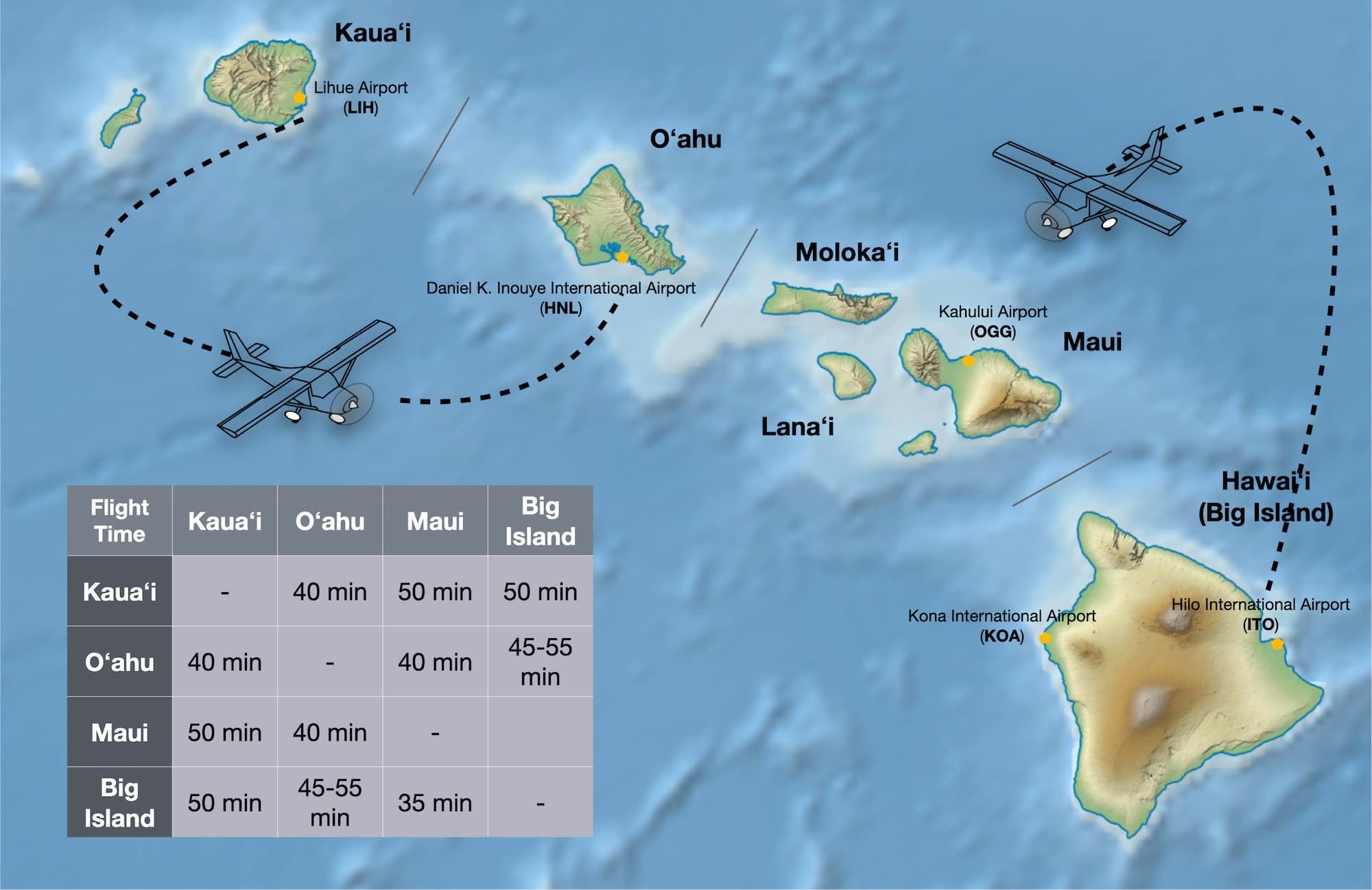
The Hawaiian Islands, each a unique world unto itself, invite exploration. From the bustling vibrancy of Oahu to the majestic volcanic landscapes of the Big Island, the serene beauty of Kauai, and the luxurious shores of Maui, each destination promises a different facet of paradise. Whether you’re seeking thrilling outdoor adventures, tranquil relaxation at world-class resorts, or a deep dive into local culture and cuisine, efficient inter-island transport is your gateway. This comprehensive guide will delve into the various methods of travel, offering insights into airlines, routes, booking strategies, and the rare ocean-faring alternatives, ensuring your multi-island Hawaiian adventure is as smooth as the Pacific Ocean breeze.
Air Travel: The Dominant Way to Island Hop in Hawaii
When it comes to efficiently moving between the Hawaiian Islands, air travel stands as the undisputed champion. The distances between islands are too great for practical road travel and, with the exception of one specific route, traditional ferries are not a common or widespread option. Consequently, a robust network of inter-island flights connects the major airports, making island hopping not just possible, but surprisingly convenient and often part of the scenic experience. These flights are generally short, ranging from 20 to 50 minutes, offering breathtaking aerial views of the azure waters, verdant mountains, and rugged coastlines that define this stunning archipelago.
For many travelers, the thought of multiple flights might conjure images of lengthy check-ins and security lines. However, inter-island flights in Hawaii often operate more like a bus service, with frequent departures and streamlined processes, especially for those traveling with carry-on luggage. This efficiency allows visitors to maximize their time enjoying the destinations rather than spending it in transit, making multi-island itineraries not just feasible, but highly enjoyable.
Key Airlines and Routes
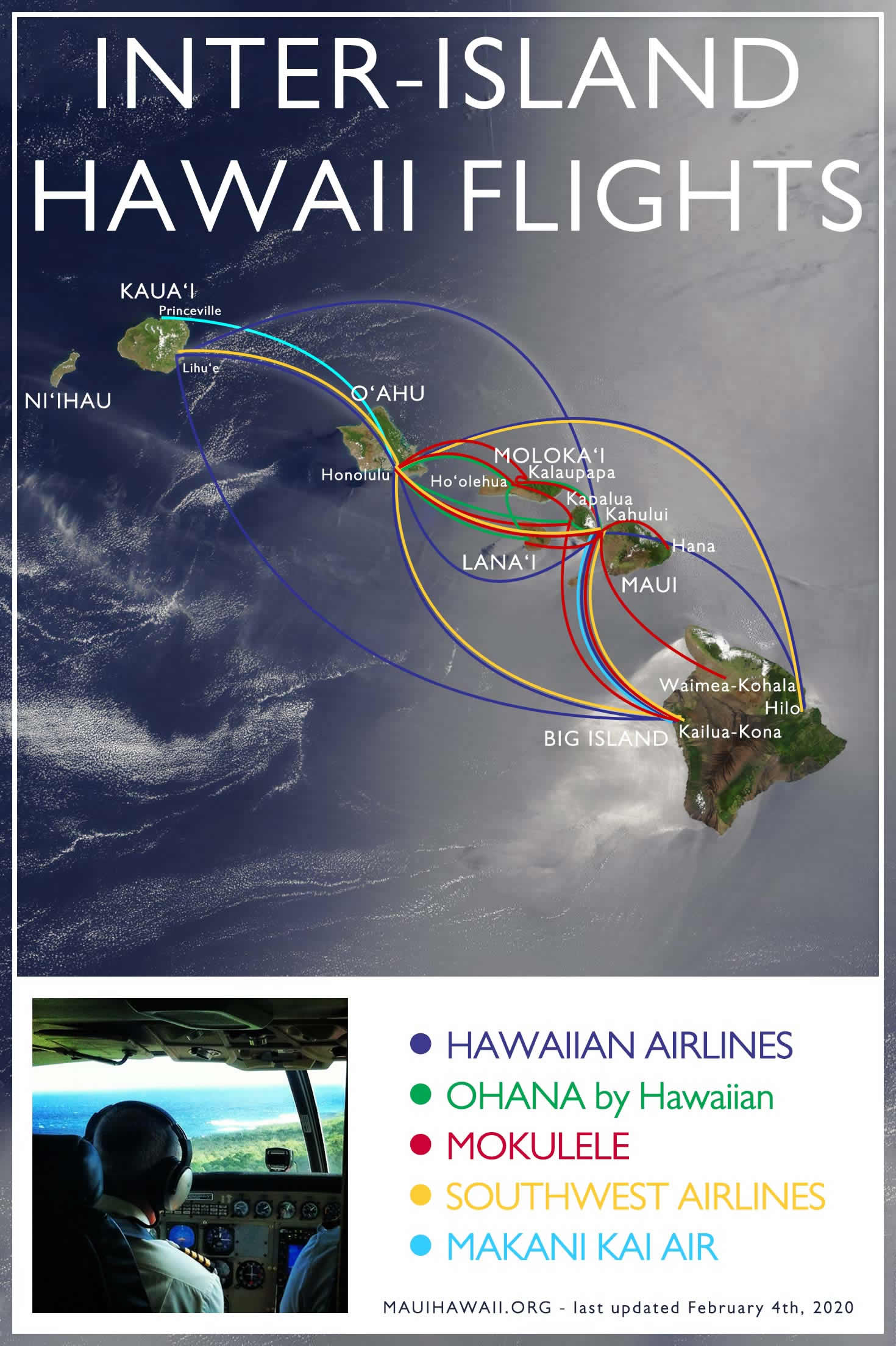
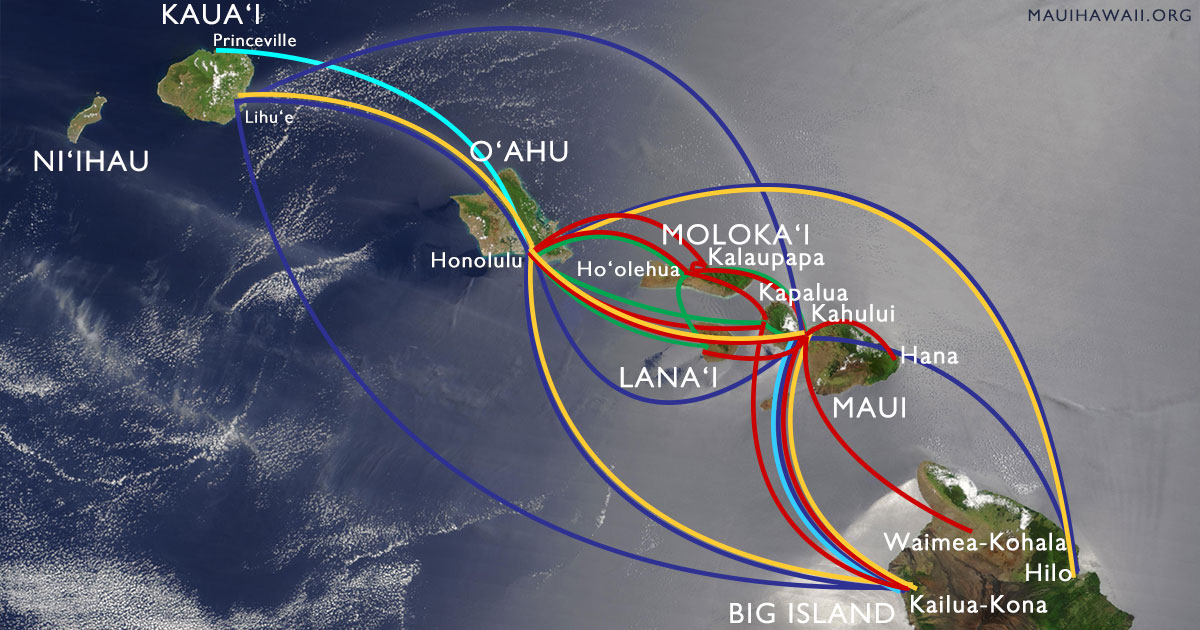
Several airlines dominate the inter-island air travel market in Hawaii, each offering varying levels of service, frequency, and price points. Understanding the primary carriers and their main hubs is essential for planning your connections.
Hawaiian Airlines: As the flagship carrier of Hawaii, Hawaiian Airlines operates the most extensive network of inter-island flights. They connect all the main commercial airports across Oahu, Maui, the Big Island, and Kauai with high frequency. Their primary hub is Daniel K. Inouye International Airport (HNL) in Honolulu on Oahu, offering seamless connections from international and mainland USA flights. You can expect reliable service, comfortable aircraft, and often a complimentary snack or beverage on their inter-island routes.
Mokulele Airlines: For those looking for a more intimate and often more budget-friendly experience, or access to smaller regional airports, Mokulele Airlines is an excellent choice. Operating smaller turboprop aircraft (typically 9-seater Cessna Grand Caravans), Mokulele provides service to smaller airfields like Hana Airport on Maui, Kapalua Airport also on Maui, Lanai Airport on Lanai, and Molokai Airport on Molokai, in addition to the main airports. Their flights offer incredible low-altitude scenic views, making the journey part of the attraction itself. This airline is particularly valuable for reaching some of the more secluded destinations and experiencing the islands from a unique perspective.
Southwest Airlines: A newer entrant to the inter-island market, Southwest Airlines has quickly become a popular option, especially for budget-conscious travelers. Known for its affordable fares and two free checked bags policy, Southwest offers flights between Honolulu (HNL), Kahului (OGG) on Maui, Kona (KOA) on the Big Island, and Lihue (LIH) on Kauai. While their routes may not be as comprehensive as Hawaiian Airlines, their competitive pricing makes them a strong contender for popular routes.
Main Airport Hubs:
- Oahu: Daniel K. Inouye International Airport (HNL) in Honolulu serves as the primary gateway to Hawaii and the busiest inter-island hub.
- Maui: Kahului Airport (OGG) is the main airport on Maui, with smaller regional airports like Kapalua Airport (JHM) and Hana Airport (HNM).
- Big Island: The Big Island has two main airports: Kona International Airport (KOA) on the west side and Hilo International Airport (ITO) on the east side.
- Kauai: Lihue Airport (LIH) is the main airport serving Kauai.
- Lanai: Lanai Airport (LNY).
- Molokai: Molokai Airport (MKK).
Tips for Booking Inter-Island Flights
Booking your inter-island flights strategically can save you money and ensure a smooth transition between your Hawaiian adventures.
- Book in Advance: Especially during peak travel seasons (holidays, summer), flight prices can increase significantly closer to the departure date. Booking a few months ahead is generally recommended to secure better fares.
- Be Flexible with Dates and Times: If your itinerary allows, flying on weekdays or during off-peak hours (early morning or late evening) can often yield lower prices.
- Consider Bundling: Sometimes, booking your inter-island flights as part of a larger package with your international/mainland flight, or even a hotel stay, can offer savings. Check with major travel agencies or the airlines directly.
- Check Different Airlines: Don’t just stick to one airline. Compare prices and schedules across Hawaiian Airlines, Mokulele Airlines, and Southwest Airlines for your specific routes.
- Factor in Baggage Fees: While Southwest Airlines includes two free checked bags, Hawaiian Airlines and Mokulele Airlines typically charge for checked luggage. These fees can add up, so factor them into your total cost, especially if you’re traveling light or with minimal luggage.
- Allow Buffer Time: If you’re connecting from an international or mainland flight, ensure you leave ample time between your arrival and your inter-island departure. While HNL is efficient, unforeseen delays can occur. A minimum of 2-3 hours is a safe buffer.
- Consider Departure Airport on the Big Island: If flying to the Big Island, decide whether Kona International Airport (KOA) or Hilo International Airport (ITO) best suits your itinerary based on where you plan to stay or what attractions you wish to visit first. Kona is closer to the drier Kohala Coast resorts, while Hilo is nearer to Hawaii Volcanoes National Park and the lush eastern side.
Exploring Ocean Travel: Ferries and Charters
While air travel is undeniably the most common and practical method for inter-island transport in Hawaii, the allure of the open Pacific Ocean sometimes calls for a different kind of journey. For those who prefer sea voyages or are exploring specific island pairs, a limited but scenic ferry service and various private charter options provide alternatives. These ocean-based modes of transport offer a unique perspective of the islands, a chance to spot marine life, and a more leisurely pace compared to the speed of air travel.
It’s important to manage expectations regarding ferry services. Unlike some archipelagos with extensive and integrated ferry systems, Hawaii’s ferry network is quite minimal. This is partly due to the vast distances between islands, the rough ocean conditions that can prevail, and past operational challenges (such as the cessation of the Hawaii Superferry service years ago). However, for specific routes, ocean travel remains a viable and enjoyable option.
The Maui-Lanai Ferry: A Practical Option
The most reliable and frequently used inter-island ferry service in Hawaii is the Maui-Lanai Ferry, also known as the Expeditions Ferry. This passenger-only ferry provides a vital link between the island of Maui and the secluded island of Lanai.
- Route: The ferry departs from Lahaina Harbor on Maui and arrives at Manele Bay Harbor on Lanai. The journey takes approximately 45 minutes to an hour, offering picturesque views of both islands and the channel in between.
- Frequency: The ferry operates multiple times daily, seven days a week, making it convenient for day trips or longer stays on Lanai.
- Experience: This ferry ride is not just a mode of transport; it’s an experience in itself. Passengers often spot dolphins, especially in the mornings, and sometimes even humpback whales during the winter months. It’s a fantastic way to enjoy the ocean breeze and the panoramic coastal scenery.
- Connecting to Lanai: Lanai is home to luxury resorts like the Four Seasons Resort Lanai and offers a more tranquil, exclusive lifestyle. The ferry is a popular choice for visitors staying on Maui who wish to explore Lanai’s pristine beaches, unique landscapes, and remote trails for a day. Pre-booking your tickets is highly recommended, particularly during busy periods.
Beyond the Maui-Lanai Ferry, scheduled passenger ferry services between other major Hawaiian Islands are virtually nonexistent. Past attempts, such as the Hawaii Superferry, faced significant challenges and ultimately ceased operations.
Private Charters and Specialized Cruises
For a more exclusive or tailored ocean journey, private boat charters and specialized cruises offer flexibility and a unique perspective on inter-island travel. These options cater to different budgets and interests, from luxury experiences to adventurous excursions.
- Private Boat Charters: For groups or individuals seeking privacy and customization, chartering a private yacht or sailboat is an option. This can range from high-end luxury yachts offering gourmet meals and overnight stays to smaller fishing charters that might drop you off at a remote bay on another island. These charters can connect islands like Maui, Molokai, and Lanai more directly than scheduled services. This is a premium option, often chosen for special occasions or by those desiring a truly bespoke itinerary.
- Inter-Island Cruises: While not a point-to-point transport method, inter-island cruises offer a way to experience multiple islands without the hassle of packing and unpacking or booking separate inter-island flights. Companies like Norwegian Cruise Line (NCL) operate cruises that circle the major islands, allowing passengers to visit Oahu, Maui, Kauai, and the Big Island over several days, with excursions on each. This is a popular choice for those who prefer an all-inclusive accommodation and travel package.
- Adventure Tours: Some tour operators offer multi-day sailing or catamaran tours that connect islands, particularly between Maui, Lanai, and Molokai, or along the dramatic Na Pali Coast of Kauai. While primarily sightseeing experiences, they inherently involve inter-island water travel. These often focus on snorkeling, diving, or exploring secluded beaches.
When considering ocean travel beyond the Maui-Lanai Ferry, thorough research and booking well in advance are crucial, as these services are often specialized and less frequent. Always check for current operating status, schedules, and any restrictions before making your plans.
Crafting Your Multi-Island Hawaiian Adventure
Planning a multi-island Hawaiian adventure is an exciting endeavor that promises a diverse range of experiences, from hiking ancient volcanoes to relaxing on world-famous beaches. To truly make the most of your journey, strategic planning is paramount, encompassing everything from logistics to immersing yourself in the local culture. By thoughtfully considering your priorities, budget, and desired pace, you can design an itinerary that flows seamlessly and allows you to savor every moment in paradise.
Integrating various elements of travel, tourism, accommodation, and lifestyle into your plan will elevate your trip from a simple vacation to a transformative experience. Whether you’re a luxury traveler indulging in five-star resorts or a budget traveler exploring hidden gems, Hawaii has something for everyone, and careful planning ensures you capture it all.
Strategic Planning for Seamless Transitions
The key to a successful multi-island trip lies in meticulous planning that minimizes stress and maximizes enjoyment.
-
Choose Your Islands Wisely: Hawaii has six main visitor islands, each with its own distinct personality.
- Oahu: Known for Waikiki Beach, surfing at North Shore, historic Pearl Harbor, and the vibrant city of Honolulu. A blend of city life and natural beauty. Accommodation ranges from luxury hotels like the Moana Surfrider, A Westin Resort & Spa in Waikiki to family-friendly resorts in Ko Olina like Aulani, A Disney Resort & Spa.
- Maui: Famous for its stunning beaches (like Kaanapali Beach), the scenic Road to Hana, and the majestic sunrise at Haleakala National Park. It offers a mix of upscale resorts in Wailea (e.g., Four Seasons Resort Maui at Wailea, Grand Wailea) and vibrant Lahaina town.
- Big Island: Home to Hawaii Volcanoes National Park, where you can witness active volcanoes. It also boasts diverse climates, from black sand beaches to the snow-capped summit of Mauna Kea.
- Kauai: The “Garden Isle,” renowned for its lush rainforests, dramatic Na Pali Coast, and breathtaking canyons like Waimea Canyon. Perfect for nature lovers and adventurers. Princeville on the north shore offers stunning resorts such as 1 Hotel Hanalei Bay.
- Molokai: The “Friendly Isle,” offering a glimpse into old Hawaii with fewer tourists and a strong emphasis on local culture.
- Lanai: The “Pineapple Isle,” a secluded luxury escape known for its upscale resorts and rugged natural beauty.
Determine which 2-3 islands best align with your interests and the duration of your trip. Trying to see too many islands in a short time can lead to a rushed experience.
-
Optimize Your Flight Schedule: As discussed, inter-island flights are your primary mode of transit. Try to schedule flights for mid-morning to early afternoon. This avoids the early morning rush and allows time for a leisurely breakfast and check-out, while still leaving the afternoon free to settle into your new accommodation and begin exploring. Consider the direction of your travel – for instance, flying from Oahu to Kauai or Maui before heading to the Big Island can be an efficient geographical flow.
-
Book Accommodations in Advance: Hotels, resorts, villas, and apartments on popular islands, especially those with unique amenities or long-term stay options, can book up quickly, particularly in prime locations like Waikiki or Wailea. Secure your accommodation well ahead of time, especially if you have specific preferences or are traveling during peak season. Read reviews and compare options thoroughly.
-
Rental Cars are Crucial: With the exception of certain areas in Honolulu where public transport (TheBus) is extensive, a rental car is almost essential on all other islands to fully explore their attractions and hidden gems. Book your rental car simultaneously with your flights and accommodation, as they can also sell out, particularly on smaller islands or during busy periods.
-
Pack Smart: Given the need for inter-island flights, try to pack light to avoid excessive baggage fees. A carry-on strategy, where possible, can save time and money. Consider a lifestyle that embraces minimalism for travel.
Maximizing Your Experience on Each Island
Once you’ve arrived at your chosen island, a well-thought-out plan ensures you immerse yourself in its unique offerings.
- Embrace Local Culture and Food: Tourism in Hawaii is deeply intertwined with its rich heritage. Seek out local eateries for authentic Hawaiian food, attend a luau, visit cultural sites, and engage with locals respectfully. Exploring farmers’ markets, like those in Kailua-Kona or Kapaa, is a great way to taste fresh local produce.
- Explore Landmarks and Attractions: Each island boasts iconic landmarks and natural wonders. On Oahu, hike Diamond Head for panoramic views. On Maui, drive the Road to Hana or visit Iao Valley State Park. On the Big Island, explore Hawaii Volcanoes National Park and stargaze on Mauna Kea. Kauai offers the breathtaking Waimea Canyon and boat tours along the Na Pali Coast. These attractions are often highlights of any Hawaiian guide.
- Engage in Activities: From snorkeling and surfing to hiking and helicopter tours, Hawaii offers a myriad of activities to suit every interest. Pre-book popular tours and experiences, especially during busy seasons, to avoid disappointment. Consider diving with manta rays off the Kona Coast, ziplining through Maui’s rainforests, or surfing lessons in Waikiki.
- Balance Relaxation and Adventure: While it’s tempting to fill every moment with sightseeing, remember to build in time for relaxation. Enjoy the amenities of your resort, spend a leisurely day on the beach, or simply unwind by the pool. This balance ensures you return home refreshed, not exhausted. For luxury travel experiences, consider spas and fine dining. For family trips, look for resorts with kids’ clubs and diverse recreational options.
In conclusion, navigating between the islands of Hawaii is an integral part of experiencing the archipelago’s diverse beauty. While air travel remains the most efficient and widely available method, the Maui-Lanai Ferry and private charters offer unique perspectives for specific routes. By meticulously planning your inter-island flights, wisely choosing your accommodations, and balancing adventure with relaxation, you can curate a multi-island Hawaiian itinerary that perfectly suits your travel lifestyle and creates memories to last a lifetime. Hawaii is an experience of a lifetime, and moving gracefully between its enchanting islands ensures you capture its full magic.
LifeOutOfTheBox is a participant in the Amazon Services LLC Associates Program, an affiliate advertising program designed to provide a means for sites to earn advertising fees by advertising and linking to Amazon.com. Amazon, the Amazon logo, AmazonSupply, and the AmazonSupply logo are trademarks of Amazon.com, Inc. or its affiliates. As an Amazon Associate we earn affiliate commissions from qualifying purchases.