
Becoming a Realtor in Florida isn’t just about obtaining a license; it’s about unlocking a career path in one of the world’s most dynamic and desirable destinations. For those captivated by the idea of living and working in a place synonymous with endless sunshine, pristine beaches, and a vibrant tourism industry, real estate in the Sunshine State offers unparalleled opportunities. This guide delves into the specifics of becoming a licensed real estate professional, while also highlighting how this career intertwines beautifully with the diverse travel, tourism, and lifestyle offerings that make Florida a global hotspot.
The allure of Florida extends far beyond its picturesque landscapes; it’s a magnet for tourists, retirees, and investors alike. From the glittering high-rises of Miami to the family-friendly attractions of Orlando, and from the historic charm of St. Augustine to the tranquil Gulf Coast retreats, the demand for properties is consistently robust. A career as a Florida Realtor places you at the heart of this activity, offering a unique vantage point on market trends, community development, and the dreams of individuals seeking their slice of paradise. It’s a role that demands not just business acumen, but also an intimate understanding of the state’s cultural fabric, its acclaimed landmarks, and the myriad lifestyles it supports.
The Allure of Florida Real Estate: A Lifestyle and Investment Hub
Florida’s real estate market is undeniably one of the most exciting in the United States. Its appeal is multifaceted, drawing in a global clientele seeking everything from luxurious vacation homes and lucrative investment properties to permanent residences that promise an idyllic retirement or a vibrant family life. Understanding the underlying forces driving this demand is crucial for any aspiring Realtor.
Sunshine, Beaches, and Booming Tourism
One of the primary engines of Florida’s real estate market is its unparalleled status as a premier travel and tourism destination. Millions flock to the state annually, drawn by its world-famous beaches, theme parks, and natural wonders. This constant influx of visitors creates a significant demand for various types of accommodation, from short-term vacation rentals to long-term stays that often precede a permanent move.
Consider the impact of destinations like Orlando, home to the Walt Disney World Resort, Universal Orlando Resort, and SeaWorld Orlando. The surrounding areas thrive on tourism, leading to a robust market for homes that double as investment properties, often rented out to tourists. Similarly, coastal cities like Miami Beach, Fort Lauderdale, Sarasota, and Naples attract buyers eager for beachfront condos or luxury villas, many of whom first experienced these locations as tourists. A Realtor in these areas isn’t just selling property; they’re selling a lifestyle, an experience, and often, an investment opportunity tied directly to the tourism economy.
The state’s landmarks also play a pivotal role. Imagine selling a home just minutes from the vibrant Art Deco Historic District in Miami, with its pastel-hued buildings and bustling nightlife, or a secluded property near the pristine wilderness of Everglades National Park, appealing to nature lovers. Even less conventional attractions, like the Kennedy Space Center Visitor Complex on the Space Coast, can draw specific demographics interested in the local area for both residence and leisure. Realtors must be adept at highlighting these local attractions and amenities, understanding how they enhance property values and appeal to diverse buyers.
Diverse Property Markets Across the Sunshine State
Florida is not a monolithic market; it’s a collection of diverse regions, each with its unique character, economic drivers, and property types. From the bustling metropolitan areas to serene island retreats, the opportunities for specialization are vast.
- South Florida: Encompassing Miami, Fort Lauderdale, and Palm Beach, this region is known for its luxury real estate, international buyers, vibrant cultural scene, and high-end hotels and resorts. Properties here range from chic urban apartments to sprawling waterfront estates. A Realtor operating in this market might find themselves working with clients looking for properties near exclusive marinas, upscale shopping districts, or renowned art galleries.
- Central Florida: Dominated by Orlando and Tampa, this area is a hub for tourism, technology, and family-oriented communities. The real estate market here includes numerous single-family homes, master-planned communities, and a significant number of properties suitable for vacation rentals, often located close to major theme parks like Disney Springs or near attractions like Biscayne Bay Resort (a fictional example of a potential luxury resort in the region).
- Gulf Coast: Cities like Sarasota, Naples, Fort Myers, Clearwater Beach, and St. Petersburg are famed for their white-sand beaches, stunning sunsets, and a relaxed, upscale lifestyle, attracting many retirees and second-home buyers. The properties often boast proximity to beautiful state parks, golf courses, and serene coastal communities like Sanibel Island and Captiva Island.
- North Florida & Panhandle: Featuring Jacksonville, Gainesville, Tallahassee, Pensacola, Destin, and Panama City Beach, this region offers a mix of historic cities, military bases, university towns, and stunning Emerald Coast beaches. The market includes a blend of family homes, commercial properties, and vacation rentals, particularly popular along the Panhandle’s vibrant coastline.
- Florida Keys: This unique chain of islands, connected by the iconic Overseas Highway, including Key Largo, Islamorada, Marathon, and Key West, offers a niche market for waterfront properties, bohemian cottages, and high-value vacation homes. The lifestyle here is distinct, focused on fishing, diving, and a laid-back island vibe, often near natural landmarks like John Pennekamp Coral Reef State Park or the renowned Bahia Honda State Park.
As a Realtor, specializing in one or more of these regions, or even a specific niche like luxury properties, commercial real estate, or vacation rentals, can be highly advantageous. Knowledge of local zoning laws, community amenities, and future development plans is critical.
Navigating the Path to Licensure: Your First Steps
The journey to becoming a licensed Realtor in Florida is regulated by the state to ensure professionalism and protect consumers. While the process is structured, it’s entirely achievable with dedication.
Meeting the Requirements and Pre-Licensing Education
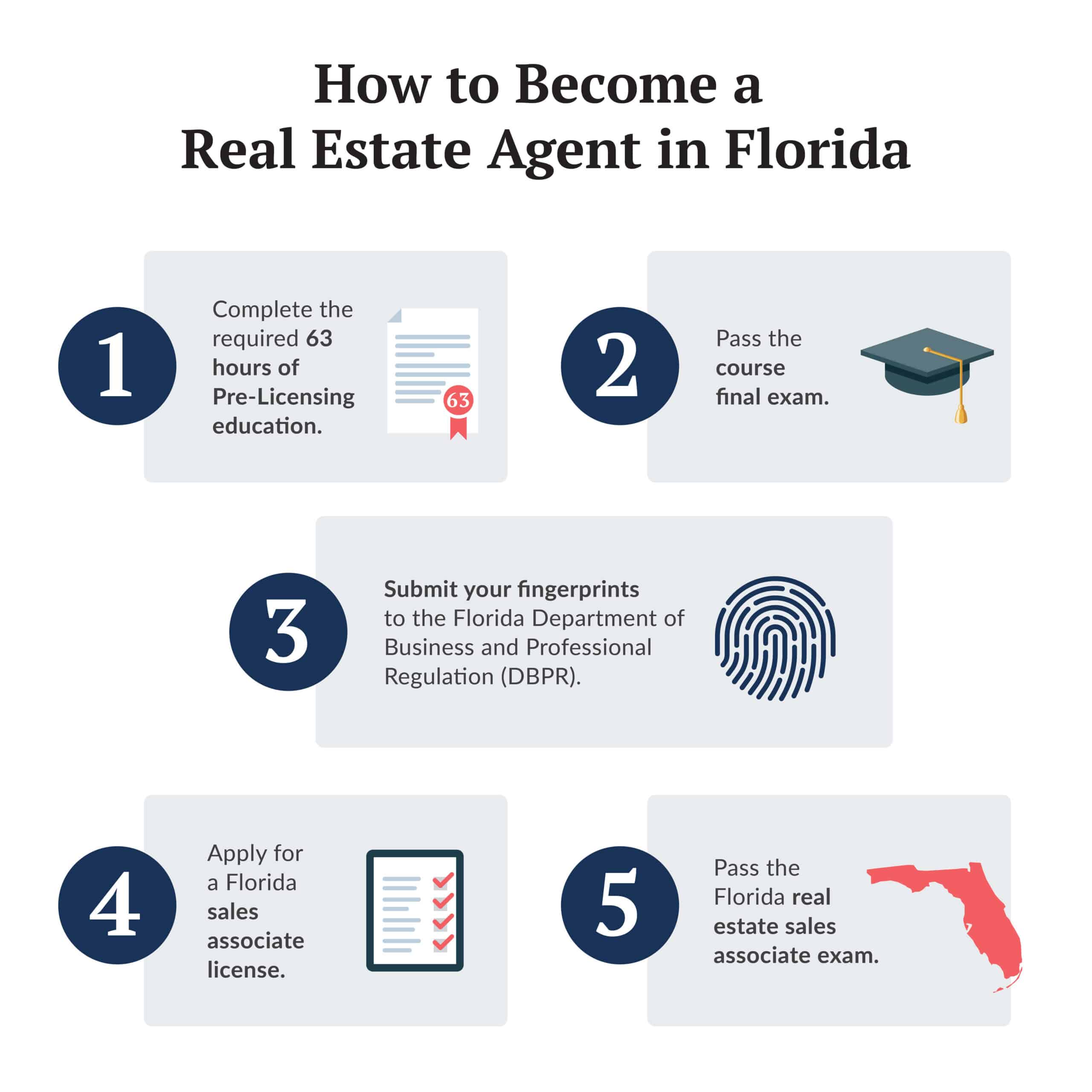
Before you can even think about showing properties or closing deals, you must meet certain fundamental criteria established by the Florida Department of Business and Professional Regulation (DBPR) and overseen by the Florida Real Estate Commission (FREC).
-
Age and Education: You must be at least 18 years old and hold a high school diploma or its equivalent. There’s no requirement for a college degree to start, though further education can certainly enhance your career.
-
Social Security Number: A valid United States Social Security number is required for licensure.
-
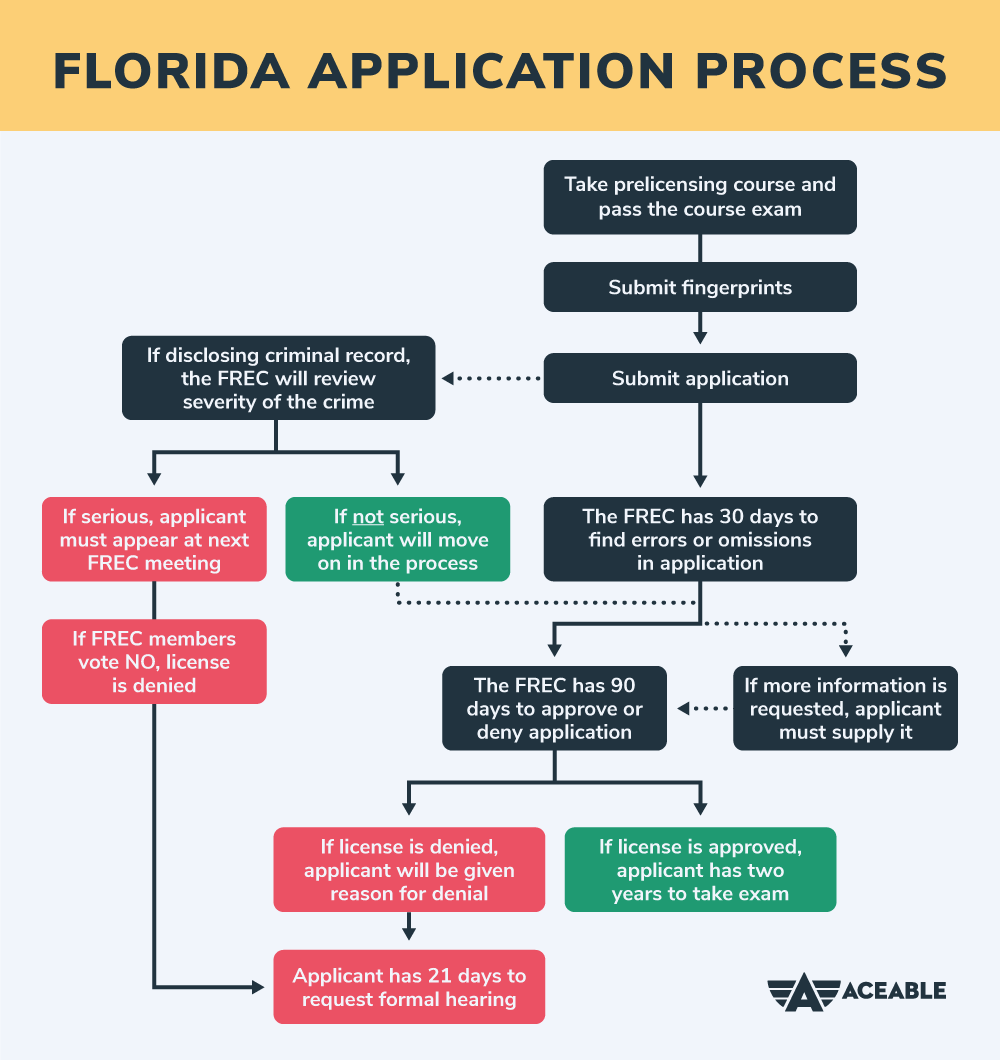
Honesty and Integrity: You must be honest, truthful, trustworthy, and of good character. As part of the application process, you will undergo a background check, including fingerprinting. Any past criminal history will be reviewed by FREC to determine your eligibility. Transparency is key here; it’s better to disclose any issues upfront.
-
Pre-Licensing Course: This is arguably the most significant hurdle. You must complete a 63-hour Sales Associate pre-licensing course from a FREC-approved real estate school. This comprehensive course covers all essential topics, including:
- Real Estate Law: Understanding contracts, agency relationships, property rights, and fair housing laws.
- Principles and Practices: The fundamentals of real estate brokerage, ethical conduct, and professional practices.
- Property Valuation: Basics of appraisal, market analysis, and factors influencing property values, which can be linked to proximity to landmarks, quality of local amenities, and tourism appeal.
- Financing: Mortgage types, loan applications, and the role of financial institutions.
- State and Federal Laws: Specific regulations pertinent to Florida real estate and federal requirements like RESPA.
Many approved schools offer this course in various formats: in-person classes, online self-paced programs, or live online webinars. Choosing a format that suits your learning style and schedule is important. The course concludes with a final exam, which you must pass with a score of 70% or higher.
The State Exam and Beyond: Activation and Post-Licensing
Passing the pre-licensing course is a major step, but it doesn’t grant you a license. The next critical stage is the Florida real estate sales associate state examination.
- Application Submission: After passing your pre-licensing course, you must submit your application to the DBPR, including the application fee, proof of course completion, and your background check results (fingerprints).
- Scheduling the State Exam: Once your application is approved, you will receive an Authorization to Test. You can then schedule your state exam through Pearson VUE, the state’s testing vendor. The exam is a challenging 100-question multiple-choice test, covering both general real estate principles and specific Florida real estate law. A score of 75% or higher is required to pass.
- Finding a Broker: Upon successfully passing the state exam, your license is placed in an “inactive” status. To activate it and legally practice real estate, you must find a licensed real estate broker to “hang” your license with. This broker will be responsible for supervising your activities, providing guidance, and ensuring compliance with all regulations. Choosing the right brokerage is a crucial decision, as it will impact your training, support, and access to resources. Many new agents opt for brokerages with strong mentorship programs, especially those that specialize in areas like vacation homes or commercial properties relevant to tourism.
- Post-Licensing Education: Your education doesn’t end with licensure. Within the first two years of receiving your initial license, you must complete a 45-hour Sales Associate post-licensing course. Failure to complete this course before your license’s expiration date will result in your license becoming null and void. This course often delves deeper into practical aspects of real estate, reinforcing ethical practices and business development strategies.
Thriving as a Florida Realtor: Integrating Travel, Tourism, and Lifestyle
Once licensed and affiliated with a reputable broker, the real work and exciting opportunities truly begin. A successful Florida Realtor excels not just at transactions, but at understanding and articulating the broader lifestyle, investment potential, and cultural richness that properties in the state offer.
Specializing in Vacation Rentals and Investment Properties
Given Florida’s massive tourism industry, specializing in vacation rentals and investment properties is a natural and highly lucrative path for many Realtors. This involves a unique skill set distinct from traditional residential sales.
- Understanding ROI: Clients looking for investment properties, whether for short-term rentals in Kissimmee near Walt Disney World Resort or long-term leases in bustling urban centers, are primarily focused on return on investment (ROI). A Realtor specializing here needs to be proficient in market analysis, rental income projections, property management considerations, and local regulations regarding short-term rentals. They might advise on properties that could be listed on popular accommodation platforms, maximizing their earning potential.
- Targeting International Buyers: Florida attracts a significant number of international buyers, particularly from Canada, South America, and Europe, who are often seeking vacation homes or investment opportunities. Developing a network within these communities and understanding their specific needs, cultural nuances, and financial considerations can be a major advantage.
- Luxury Market: The luxury travel segment translates directly into the luxury real estate market. In areas like Palm Beach, Naples, or Miami Beach, Realtors work with discerning clients seeking high-end amenities, privacy, and exclusive locations. This requires a deep understanding of luxury market trends, exceptional negotiation skills, and a polished professional demeanor. Selling a luxury condo in a prime location like South Beach is not just about square footage; it’s about selling access to a particular lifestyle, with proximity to world-class dining, cultural events, and pristine beaches.
Understanding Local Culture and Landmark Appeal
A truly effective Florida Realtor is a local expert, acting as a guide not just to properties, but to the entire experience of living in a particular area. This involves an in-depth understanding of local culture, community events, and the historical and natural landmarks that define each region.
- Local Culture and Food: Knowing the best local restaurants, hidden gems for authentic Florida cuisine, or the schedule for local festivals can be invaluable in connecting with clients and showcasing the lifestyle a property offers. For instance, in St. Augustine, promoting homes within walking distance of the Castillo de San Marcos and its historic downtown is a powerful selling point.
- Proximity to Landmarks and Attractions: For buyers interested in tourism-driven areas, highlighting a property’s closeness to major attractions (Walt Disney World Resort in Orlando), natural beauty (Everglades National Park for those interested in South Florida nature), or iconic beaches (Clearwater Beach on the Gulf Coast) is essential. Even smaller, regional landmarks like Gasparilla Island State Park, Blowing Rocks Preserve in Jupiter, or Ocala National Forest can be significant draws for specific buyers.
- Amenities and Lifestyle: Beyond the major landmarks, knowing about local amenities like golf courses, marinas, school districts, healthcare facilities, and public transportation helps paint a complete picture for potential buyers. Whether a client seeks a vibrant urban lifestyle in Tampa, a quiet retreat on Amelia Island, or a lively beach town experience in Daytona Beach or Cocoa Beach, the Realtor’s knowledge of these factors can make or break a deal. The proximity to resorts like Sunshine Suites Orlando (a fictional example) might appeal to buyers looking for easily accessible hospitality services for guests or potential rental income.

Embracing the Digital Age: Marketing and Client Engagement
In today’s interconnected world, effective real estate professionals must leverage digital tools to market properties, engage with clients, and establish their brand. This is particularly true in a state like Florida, where a significant portion of buyers come from out of state or even out of the country.
- Online Presence: A strong online presence, including a professional website and active social media profiles, is paramount. High-quality photography, virtual tours, and drone footage can showcase properties, especially those with unique features or stunning views like waterfront homes near Lake Okeechobee or along the Atlantic Coast.
- Content Marketing: Creating valuable content—such as blog posts about local attractions, guides to buying vacation homes, or neighborhood spotlights—positions you as an expert. For instance, an article detailing “The Best Family Attractions in Orlando” or “Investment Opportunities in the Florida Keys” would not only attract potential clients but also align perfectly with the themes of travel, tourism, and lifestyle.
- CRM and Communication: Utilizing Customer Relationship Management (CRM) software is essential for managing leads, tracking client interactions, and maintaining consistent communication. Quick, professional responses are vital, especially when dealing with clients who may be in different time zones or unable to visit properties in person immediately.
- Networking: Beyond digital, joining professional organizations like Florida Realtors (the state association) and the National Association of Realtors (NAR) provides invaluable networking opportunities, access to resources, and ongoing education. Attending industry events and local community functions further solidifies your presence and reputation.
Becoming a Realtor in Florida is more than just a job; it’s an immersive career within a vibrant, ever-evolving landscape. By successfully navigating the licensing process and then strategically integrating an understanding of Florida’s unique appeal in travel, tourism, and diverse lifestyles, you can build a highly rewarding and impactful profession. From guiding international investors to their perfect beachfront escape to helping a family find their dream home near Walt Disney World Resort, the opportunities are as endless as the Florida sunshine.
LifeOutOfTheBox is a participant in the Amazon Services LLC Associates Program, an affiliate advertising program designed to provide a means for sites to earn advertising fees by advertising and linking to Amazon.com. Amazon, the Amazon logo, AmazonSupply, and the AmazonSupply logo are trademarks of Amazon.com, Inc. or its affiliates. As an Amazon Associate we earn affiliate commissions from qualifying purchases.