
The allure of California is undeniable. From the sun-kissed beaches of Santa Monica and Laguna Beach to the towering redwoods of Muir Woods National Monument and the vibrant cityscapes of Los Angeles and San Francisco, the Golden State offers an unparalleled tapestry of experiences for travelers, adventurers, and those seeking a particular lifestyle. Whether you’re planning a luxurious stay at a Beverly Hills resort, a road trip along Highway 1 to Big Sur, or simply enjoying the local culture and cuisine in San Diego, the dream of an unencumbered California adventure is a powerful one.
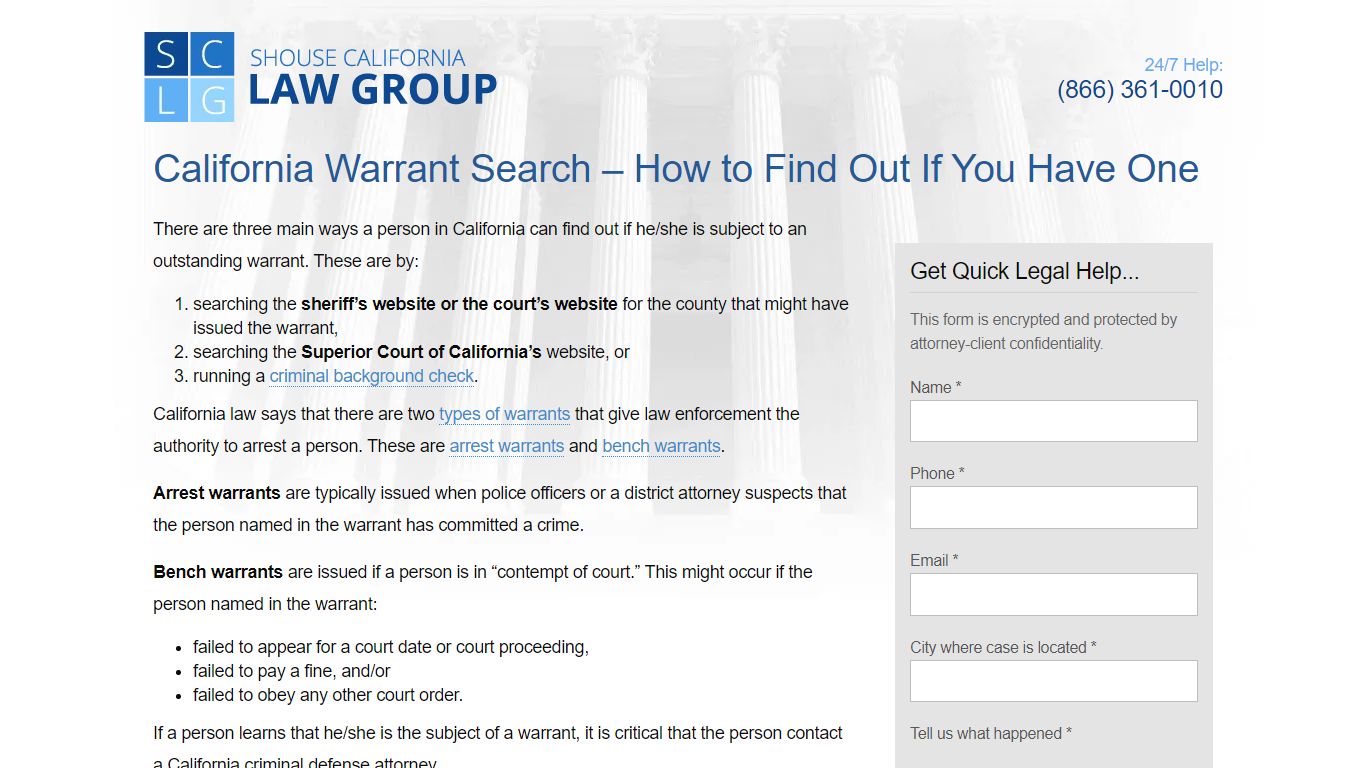
However, for some, the prospect of exploring this magnificent state, or indeed any destination, can be overshadowed by a lingering uncertainty: Do I have an outstanding warrant in California? This question, seemingly purely legal, can have profound implications for your travel plans, accommodation bookings, lifestyle choices, and overall peace of mind. An unnoticed warrant, whether it stems from a forgotten traffic ticket in Sacramento or a missed court appearance in Orange County, can transform a carefree vacation into a stressful ordeal, potentially leading to arrest at an airport, during a routine traffic stop, or even when checking into a hotel. This guide is designed to help you navigate the process of checking for warrants in California, framed within the context of safeguarding your travel experiences and lifestyle freedom.
Understanding Warrants: More Than Just a Legal Term
Before delving into the “how-to,” it’s crucial to grasp what a warrant truly is and how it can impact your ability to travel, enjoy tourist attractions, and secure accommodations. A warrant is a legal document issued by a judge that authorizes law enforcement to take a specific action, most commonly an arrest. For anyone living or planning to visit California, understanding the different types and their potential ramifications is the first step toward proactive resolution.
Types of Warrants and Their Impact on Your Lifestyle
Warrants are not a monolithic entity; they come in several forms, each carrying distinct implications for your freedom of movement and lifestyle.
-
Arrest Warrants: These are perhaps the most common and concerning. An arrest warrant is issued when a judge finds probable cause to believe that a person has committed a crime. This could range from minor misdemeanors to serious felonies. For a traveler, an arrest warrant is a direct threat to any planned itinerary. Imagine arriving at Los Angeles International Airport for a flight to Europe, only to be stopped by airport security who discover an outstanding warrant. Your luxury travel plans, perhaps involving a stay at the Ritz-Carlton, Laguna Niguel, would be instantly derailed. Similarly, a routine traffic stop on the way to Yosemite National Park could lead to an unexpected arrest, canceling your camping adventure or resort booking.
-
Bench Warrants: Often overlooked but equally disruptive, bench warrants are issued by a judge, typically “from the bench,” for failing to appear in court as required or for violating a court order. This is where seemingly minor infractions can spiral into major issues. A forgotten court date for a speeding ticket in Fresno, a failure to pay a fine, or missing a mandatory appearance related to an old civil case can all result in a bench warrant. While perhaps not as grave as an arrest warrant for a felony, a bench warrant still authorizes your immediate arrest. For someone planning to rent a car for a scenic drive through Napa Valley or book a suite at the Hotel del Coronado, a bench warrant poses the same risk of interruption and inconvenience.
-
Search Warrants: While a search warrant directly targets property rather than a person, its execution can sometimes lead to discoveries that result in an arrest warrant. For the purpose of checking if you have a warrant against your person, search warrants are less directly relevant, but they underscore the broad reach of legal processes.
Why Travelers and Tourists Should Be Vigilant
The modern travel landscape, with its emphasis on security and interconnected databases, means that outstanding warrants are increasingly difficult to evade, especially within California and across state lines.
Consider the traveler who meticulously plans a trip to Disneyland with their family, secures tickets, and books a stay at the Grand Californian Hotel & Spa. A warrant, even a minor one, could lead to an arrest during a security check, leaving family members stranded and the meticulously planned experience in tatters. For business travelers, an arrest could mean missing crucial meetings in Silicon Valley or Downtown Los Angeles, damaging professional relationships and career prospects.
Furthermore, an outstanding warrant can complicate basic travel logistics. Some rental car companies or accommodation providers might conduct background checks, especially for long-term stays or luxury apartments. While less common for a standard hotel room, the risk is still present. Crossing international borders from San Francisco or San Diego to Mexico or Canada, or even flying domestically, can trigger checks against national and state warrant databases. The goal is to ensure that your carefully curated lifestyle and travel adventures remain undisturbed, free from unexpected legal entanglements that can arise from even a forgotten court date in a distant California county.
Practical Ways To Check for Warrants in California
Proactively checking for a warrant is a responsible step toward maintaining your freedom and ensuring seamless travel. While the process requires careful consideration, especially regarding privacy and potential self-incrimination, several avenues are available for residents and visitors in California.
Online Resources: A Starting Point
In the digital age, many official agencies provide online tools that can serve as an initial check. However, it’s crucial to understand their limitations.
-
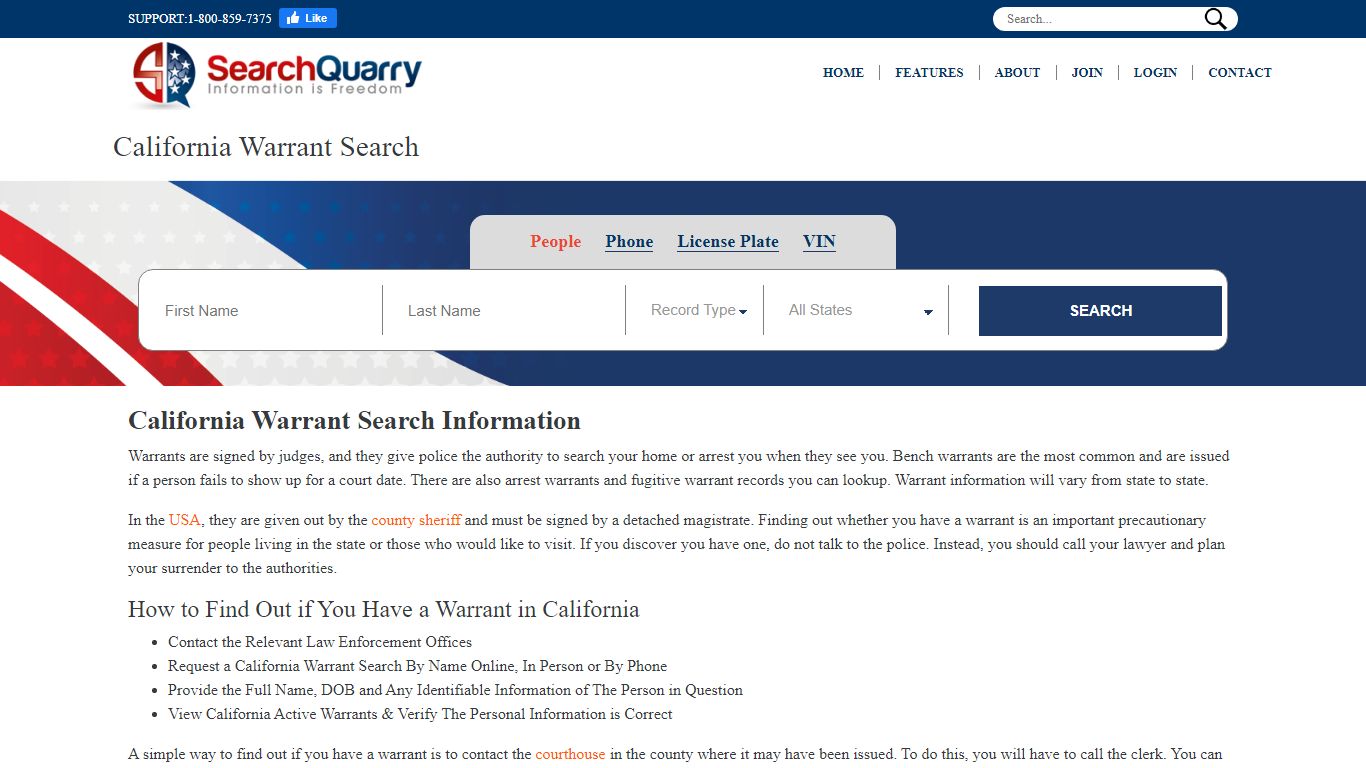
County Sheriff’s Office Websites: Many California counties offer online “most wanted” lists or warrant search databases. For example, the Los Angeles County Sheriff’s Department and San Diego County Sheriff’s Office may have publicly accessible warrant information. These databases typically list outstanding felony and serious misdemeanor warrants. While convenient, they are often incomplete and might not include all types of warrants (e.g., some bench warrants, older warrants, or warrants from other jurisdictions). Always verify the information directly with the respective county office.
-
Superior Court Websites: If you suspect a bench warrant related to a specific court case (like a traffic infraction or a minor civil matter), the website of the relevant Superior Court in California might offer limited case search functionalities. You might be able to find your case number and check its status, which could indicate a “failure to appear” or a “bench warrant issued.” However, these systems are primarily designed for case management, not comprehensive warrant searches, and information can be vague.
-
Third-Party Background Check Services: Numerous online services claim to perform comprehensive background checks, including warrant searches. While some may provide accurate information, many are unreliable, outdated, or use questionable data sources. Relying solely on these services for critical legal information, especially when your freedom and travel plans are at stake, is not recommended. If you choose to use one, treat its findings as a preliminary indicator and always verify with official sources or legal counsel. For a crucial trip to Lake Tahoe or a stay at a Palm Springs resort, you want certainty, not conjecture.

Direct Inquiries: The Most Reliable Methods
For accuracy and peace of mind, direct inquiries with legal authorities or professional assistance are generally the most reliable approach.
-
Contacting the Local Sheriff’s Department or Police Department: This is often the most direct way to check for warrants. You can visit the records division of your local Sheriff’s Department or Police Department in person. You will likely need to present identification. A critical caveat: If a warrant exists, you could be arrested on the spot. This method is best for individuals who are reasonably confident they don’t have a warrant or who are prepared to deal with the immediate consequences. It’s a brave step for someone planning a cruise from Long Beach and wanting to ensure a clear record. For those who suspect a warrant, there are safer alternatives.
-
Checking with the Court Clerk: If you suspect a specific bench warrant (e.g., for a traffic ticket in Fremont or Bakersfield), you can contact the clerk of the court where the original case was handled. Provide them with your name and date of birth, and they may be able to confirm if a bench warrant has been issued in connection with your case. This approach is generally less risky for immediate arrest than contacting a law enforcement agency directly, as court clerks typically do not have the authority to make arrests.
-
Seeking Legal Counsel: This is by far the safest and most advisable method. An attorney can confidentially check for warrants on your behalf in any California county without putting you at risk of immediate arrest. Lawyers have access to legal databases and established communication channels with courts and law enforcement. They can inquire about your warrant status discreetly. If a warrant is found, your attorney can advise you on the best course of action, which might include negotiating with the court, arranging for a voluntary surrender, or filing a motion to quash the warrant. This professional assistance is invaluable for anyone who prioritizes their lifestyle, travel plans, and freedom from legal worries. It’s an investment in uninterrupted adventures, whether they involve exploring San Diego Zoo or visiting the wineries of Sonoma County.
What To Do If You Discover a Warrant
Uncovering an outstanding warrant can be a jarring experience, especially when you’re dreaming of future travels or lifestyle endeavors. The key is not to panic, but to act strategically and decisively.
Don’t Panic, Act Strategically
The immediate impact on your meticulously planned trips – whether it’s a family vacation to Universal Studios Hollywood or a romantic getaway to Catalina Island – could be significant. It’s crucial to halt any immediate travel plans that might put you at risk. Avoid self-incrimination by discussing the details of your case only with your attorney. Your priority now shifts from planning your next destination to resolving the legal hurdle.
Consulting an attorney immediately is the paramount step. A qualified criminal defense attorney specializing in California law can provide confidential advice, explain the nature of the warrant, and outline your legal options. They can often communicate with the court or district attorney’s office on your behalf to gather more information and potentially negotiate terms for your surrender or appearance. This legal guidance is essential to minimize disruption to your life and future travel aspirations.
Resolving the Warrant: Your Path to Uninterrupted Travel
Resolving a warrant typically involves several steps, all best navigated with legal representation.
- Working with an attorney to surrender safely and efficiently: If an arrest warrant exists, your attorney can arrange a controlled surrender. This means you turn yourself in at a pre-arranged time and place, often resulting in a quicker booking process and a higher likelihood of being released on bail or on your own recognizance. This avoids the indignity and inconvenience of being apprehended unexpectedly during a vacation or a routine stop.
- Setting aside the warrant, bail, or appearing in court: For bench warrants, an attorney might be able to file a motion to “quash” (cancel) the warrant, arguing that you had a legitimate reason for not appearing or that the underlying issue can be resolved. If bail is required, your attorney can help facilitate the process. For any warrant, an appearance in court will be necessary to address the underlying charges. Your attorney will represent you, ensuring your rights are protected throughout the proceedings.
- The goal: clearing your record to resume your desired lifestyle and travel without fear. Successfully resolving a warrant means you can once again plan your California adventures – from exploring Death Valley National Park to enjoying the nightlife in Hollywood – with complete confidence. It restores your freedom of movement and eliminates the constant anxiety of potential arrest.
The Broader Implications for Your Lifestyle and Travel
Beyond the immediate threat of arrest, an unresolved warrant casts a long shadow over many aspects of your lifestyle, particularly concerning travel and accommodation.
Freedom of Movement and Booking Accommodation
An outstanding warrant can significantly curtail your freedom to explore not only California but also the broader world. Trying to fly internationally from San Francisco International Airport or Los Angeles International Airport to destinations in Asia or South America can lead to detention at passport control. Even domestic flights can flag you in the system, causing delays or even arrest.
Furthermore, an active warrant can complicate daily life and essential services. While most hotels in California may not run warrant checks for a short stay, some luxury resorts, extended-stay accommodations, or long-term apartment leases in sought-after areas like Santa Barbara or Monterey might conduct more thorough background checks. A warrant could jeopardize your ability to secure housing, impacting your lifestyle significantly. It can also affect your ability to rent a car, which is often essential for exploring many of California’s beautiful but sprawling destinations, such as the Redwood National Park or the wineries of Paso Robles.
Peace of Mind: The Ultimate Travel Amenity
Ultimately, the most valuable commodity for any traveler or individual pursuing a fulfilling lifestyle is peace of mind. The constant worry that a forgotten legal issue might surface at the most inopportune moment can taint even the most idyllic experiences. Imagine being on a scenic drive along the coast, admiring the views from Point Lobos State Natural Reserve, or enjoying a gourmet meal in Napa, with the nagging thought of an unresolved warrant in the back of your mind. Such anxiety robs you of the full enjoyment that travel and a free lifestyle offer.
Proactively checking for and resolving any outstanding warrants is an investment in your future. It’s about ensuring that your adventures remain truly liberating, allowing you to fully immerse yourself in the beauty, culture, and experiences that California and the world have to offer. From booking a charming bed and breakfast in Carmel-by-the-Sea to embarking on a grand tour, knowing your legal status is clear means you can focus entirely on making memories, not on legal worries.
In conclusion, understanding how to check for a warrant in California is a crucial step for anyone prioritizing their freedom, travel plans, and overall peace of mind. While online tools offer a starting point, direct engagement with legal authorities or, ideally, confidential legal counsel, provides the most reliable and safest path. By proactively addressing any legal entanglements, you safeguard your ability to explore the world, book your dream accommodations, and live a life unburdened by unforeseen legal setbacks. Your next great California adventure awaits – make sure you’re truly free to enjoy it.
LifeOutOfTheBox is a participant in the Amazon Services LLC Associates Program, an affiliate advertising program designed to provide a means for sites to earn advertising fees by advertising and linking to Amazon.com. Amazon, the Amazon logo, AmazonSupply, and the AmazonSupply logo are trademarks of Amazon.com, Inc. or its affiliates. As an Amazon Associate we earn affiliate commissions from qualifying purchases.