
Embarking on a journey across the Sunshine State from the northern metropolis of Jacksonville to the vibrant southern hub of Miami is a classic Florida experience, whether you’re traveling for business, pleasure, or a blend of both. As a premier resource for travel, accommodation, and lifestyle, we understand that planning is key to an unforgettable trip. The distance between these two iconic Florida cities is substantial, making the mode of transport and the time of year crucial considerations for any traveler. This comprehensive guide will not only detail the exact distances and travel times but also delve into the various ways to traverse the state, offering insights into what to expect and how to make the most of your adventure.

The Core Journey: Distance and Travel Time
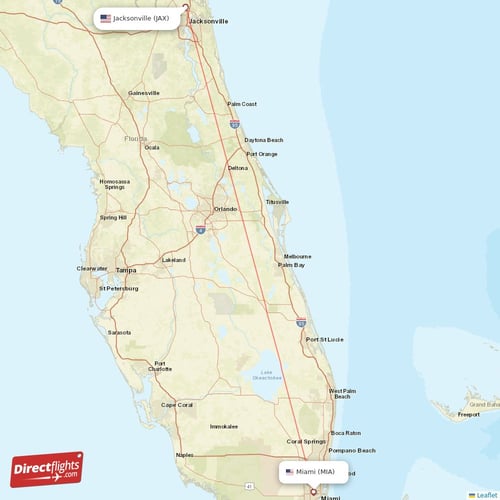
The fundamental question of “how far” between Jacksonville and Miami can be answered in several ways, depending on the route and mode of transportation chosen. Generally, the straight-line distance, or “as the crow flies,” is significantly less than the actual road distance. However, for practical travel purposes, we focus on navigable routes. The journey predominantly involves heading south along Florida’s Atlantic coast, offering diverse landscapes and potential stopovers. Understanding these core metrics is the first step in crafting your ideal itinerary.
Driving the Florida Coast: The Most Popular Route
Driving remains the most popular and flexible option for travelers between Jacksonville and Miami. The primary route is via Interstate 95 (I-95), a major north-south artery that hugs the eastern coastline of Florida.
Distance:
The approximate driving distance from downtown Jacksonville to downtown Miami is about 345-350 miles (555-565 kilometers). This can vary slightly depending on your exact starting and ending points within each metropolitan area.
Travel Time:
Under ideal conditions, with minimal traffic and no significant stops, the drive typically takes 5.5 to 6 hours. However, “ideal conditions” are often a rarity on busy Florida highways. Factors such as peak travel seasons (e.g., spring break, holidays), rush hour traffic around major cities like Orlando, Fort Lauderdale, and Miami, and unexpected road construction can easily extend this to 7-8 hours or even more.
Alternative Routes:
While I-95 is the most direct, some travelers opt for a slight detour inland to connect with the Florida Turnpike (State Road 91) south of Orlando. The Turnpike is a toll road but often provides a smoother, faster drive with fewer exits and less local traffic once you’re on it, potentially saving time despite being a slightly longer distance. This option is particularly appealing if you’re trying to bypass congestion around the coastal cities further south.
Air Travel: The Quickest Connection
For those prioritizing speed, flying is undoubtedly the fastest way to get from Jacksonville to Miami.
Distance:
The aerial distance is approximately 325 miles (523 kilometers).
Travel Time:
A direct flight from Jacksonville International Airport (JAX) to Miami International Airport (MIA) typically lasts around 1 hour to 1 hour 15 minutes. However, this does not account for the entire travel experience. When you factor in check-in, security, boarding, taxiing, and deplaning, plus travel to and from the airports, the total door-to-door travel time can easily stretch to 4-5 hours.
Cost Considerations:
Airfares can vary wildly based on booking in advance, the time of year, and airline promotions. While a quick flight might seem appealing, especially for business travelers, it’s essential to compare the total cost (including baggage fees, airport transfers, and parking) against the time saved. Sometimes, connecting flights via a hub like Atlanta or Charlotte might be cheaper, but they significantly increase travel time. For travelers heading to the Fort Lauderdale area, flying into Fort Lauderdale-Hollywood International Airport (FLL) can sometimes be a more economical alternative, with easy connections to Miami via ride-shares or express trains.
Bus and Train Journeys: Scenic and Economical Options
For budget-conscious travelers or those who prefer to sit back and enjoy the ride without the stresses of driving, bus and train services offer viable alternatives.
Bus Travel (e.g., Greyhound):
- Distance: Follows road routes, approximately 345-350 miles.
- Travel Time: Bus journeys are significantly longer than driving a personal car due to multiple stops and layovers. Expect anywhere from 7 to 9 hours, depending on the specific route and number of stops. Some routes might even be longer if they involve transfers.
- Cost: Generally the most economical mode of transport, with tickets often available at competitive prices, especially when booked in advance.
Train Travel (Amtrak):
- Distance: Similar to road routes, traversing the Florida landscape.
- Travel Time: Amtrak offers routes connecting Jacksonville to Miami, typically on the Silver Service line. The journey duration is usually around 6 to 7 hours, similar to or slightly longer than driving. The advantage is the comfort, space, and ability to relax, work, or enjoy the scenery without needing to focus on the road.
- Cost: Train tickets can be more expensive than bus tickets but often less than last-minute flights. Prices fluctuate based on class of service and booking lead time.
- Brightline: For a premium, high-speed rail experience, while Brightline doesn’t currently extend all the way to Jacksonville, it provides excellent service between Central and South Florida. Travelers could consider driving or taking Amtrak to a city like Orlando and then connecting to Brightline for a faster, more luxurious ride to Miami. This multi-modal approach offers a different kind of travel experience.
Planning Your Trip: What to Consider
Beyond just knowing the distance, a truly successful journey from Jacksonville to Miami involves thoughtful planning that aligns with your travel style and objectives. Whether you’re seeking a leisurely road trip, a seamless business transfer, or an immersive cultural experience, our insights into travel logistics, accommodation, and the best times to visit will prove invaluable.
Road Trip Essentials and Scenic Detours
If you choose to drive, a road trip allows for flexibility and the opportunity to discover some of Florida’s hidden gems and renowned landmarks along the way.

Must-Visit Stops:
- St. Augustine: Just south of Jacksonville, this is the nation’s oldest continuously inhabited European-established settlement. Explore the Castillo de San Marcos, stroll along St. George Street, and immerse yourself in centuries of history. It’s a perfect first stop, about an hour into your drive.
- Daytona Beach: Famous for its motorsports history at the Daytona International Speedway, Daytona Beach offers a vibrant beach town atmosphere.
- Cocoa Beach and the Space Coast: Home to the Kennedy Space Center Visitor Complex, this area provides a fascinating glimpse into space exploration. It’s a memorable detour for families and science enthusiasts alike.
- Palm Beach: Known for its opulent estates, high-end boutiques on Worth Avenue, and stunning beaches, Palm Beach offers a taste of luxury.
Road Trip Preparation:
- Vehicle Check: Ensure your vehicle is in top condition, especially if traveling during peak summer heat.
- Snacks and Hydration: Pack plenty of water and snacks to avoid frequent stops.
- Entertainment: Create playlists or download podcasts for entertainment, especially if traveling with family.
- Navigation: Use reliable GPS or mapping apps, and consider having an offline map as a backup.
- Overnight Stays: For a more relaxed journey, consider breaking up the drive with an overnight stay in a city like Orlando (if you want to visit theme parks like Walt Disney World or Universal Orlando Resort) or a charming coastal town like Vero Beach or Fort Pierce. This transforms a long drive into a multi-day exploration.
Accommodation Choices in Jacksonville and Miami
Regardless of your reason for travel, comfortable and well-situated accommodation is paramount. Both Jacksonville and Miami offer a vast array of options to suit every budget and style, from luxury resorts to boutique hotels and budget-friendly apartments.
In Jacksonville:
- Downtown: Ideal for business travelers, with easy access to the St. Johns River, major corporate offices, and venues like EverBank Stadium.
- Jacksonville Beach, Neptune Beach, and Ponte Vedra Beach: Perfect for leisure travelers seeking sun, sand, and ocean activities. Here you’ll find everything from sprawling resorts with golf courses to charming beachfront villas.
- San Marco/Riverside: Known for its historic charm, independent boutiques, and diverse dining scene, offering boutique hotels and unique rental properties.
In Miami:
- South Beach: The quintessential Miami experience, offering trendy hotels, vibrant nightlife, and direct beach access. Expect higher prices, especially during peak season.
- Downtown Miami / Brickell: A bustling financial and cultural hub with luxury high-rise hotels, excellent dining, and proximity to major attractions like Bayside Marketplace and the Perez Art Museum Miami (PAMM). Ideal for business travelers and those seeking an urban resort experience.
- Mid-Beach / North Beach: Offers a slightly more relaxed atmosphere than South Beach with a mix of historic hotels and newer resorts, often at more competitive prices while still providing easy beach access.
- Coral Gables / Coconut Grove: Known for their lush landscapes, historic architecture, and upscale, relaxed ambiance, offering luxury boutique hotels and charming bed and breakfasts.
When booking, consider using comparison websites for competitive rates, reading recent reviews, and checking for amenities that align with your lifestyle, whether it’s a family-friendly resort with a kids’ club or a business hotel with meeting facilities.
Best Time to Travel Florida
Florida’s climate is famous for its sunshine, but understanding seasonal variations can significantly impact your travel experience.
- Winter (December to February): This is peak season for South Florida (Miami), with pleasant temperatures, low humidity, and minimal rain. It’s ideal for escaping colder climates. However, expect higher prices for flights and accommodations, and more crowded attractions. Jacksonville will be cooler, but still mild.
- Spring (March to May): Excellent travel weather across the entire state, with comfortable temperatures before the intense summer heat sets in. This is a popular time for spring break, so booking in advance is crucial, particularly in coastal areas.
- Summer (June to August): Characterized by high heat, humidity, and daily afternoon thunderstorms. While prices might be lower for some accommodations, outdoor activities can be challenging during midday. This is also the beginning of hurricane season.
- Fall (September to November): Temperatures start to cool, and humidity decreases, making it a pleasant time to visit. However, this is still hurricane season, so travelers should monitor weather forecasts closely. Early fall can see reduced crowds and more attractive prices.
For the most comfortable driving conditions and outdoor exploration, late fall to early spring (November to April) generally offers the best weather across the entire Jacksonville to Miami corridor.
Exploring Jacksonville and Miami: A Tale of Two Florida Cities
Beyond the journey itself, understanding the distinct character of your origin and destination cities enhances the overall travel experience. Jacksonville and Miami, though both in Florida, offer vastly different cultural landscapes, attractions, and lifestyles, catering to a wide range of interests.
Jacksonville: The River City by the Sea
Jacksonville, often called “The River City by the Sea,” is Florida’s largest city by land area. It boasts a unique blend of urban sophistication, natural beauty, and a laid-back coastal vibe.
Key Attractions & Activities:
- Beaches: With over 20 miles of pristine coastline, including Jacksonville Beach, Neptune Beach, and Atlantic Beach, “Jax” is a haven for surfers, sunbathers, and beachcombers.
- St. Johns River: This majestic river is the heart of the city, offering opportunities for boating, fishing, and scenic cruises. The Riverwalk provides stunning views of the downtown skyline.
- Arts & Culture: Explore the Cummer Museum of Art & Gardens, showcasing European and American art, or catch a live performance at the historic Florida Theatre. The Jacksonville Zoo and Gardens is another top attraction, home to over 2,000 rare and exotic animals.
- Culinary Scene: From fresh seafood shacks on the beach to upscale dining in neighborhoods like San Marco, Jacksonville’s food scene is diverse and growing. Don’t miss the chance to try local Florida cuisine.
- Outdoor Adventures: Kayaking through the Timucuan Ecological and Historic Preserve or exploring the nature trails provides an escape into Florida’s wild beauty.
Lifestyle and Tourism:
Jacksonville offers a more relaxed, authentic Florida experience, often appealing to families, nature lovers, and those seeking a less frenetic pace than South Florida. Its growing downtown and emerging arts districts also cater to a younger, urban crowd, blending traditional Southern charm with modern amenities.
Miami: The Vibrant Magic City
Miami is a global crossroads, celebrated for its unique blend of Latin American and Caribbean influences, stunning beaches, and pulsating energy. It’s truly “The Magic City” where cultural richness meets cosmopolitan glamour.
Key Attractions & Activities:
- South Beach & Ocean Drive: Iconic for its white sand beaches, pastel-hued Art Deco Historic District, and vibrant nightlife. Sunbathe, people-watch, or enjoy a meal at a sidewalk cafe.
- Little Havana: Step into a slice of Cuba on Calle Ocho, with its authentic restaurants, cigar shops, and live music. It’s a rich cultural immersion experience.
- Wynwood Walls: An outdoor street art museum showcasing massive, colorful murals by world-renowned artists. The surrounding Wynwood Arts District is filled with galleries, boutiques, and trendy eateries.
- Vizcaya Museum & Gardens: A stunning National Historic Landmark featuring a European-inspired estate, elaborate gardens, and priceless art, offering a glimpse into Miami’s Gilded Age.
- Everglades National Park: Just a short drive from Miami, this unique ecosystem offers airboat tours, wildlife viewing (alligators!), and hiking trails.
- Biscayne Bay: Take a boat tour, go paddleboarding, or simply enjoy the waterfront views. The bay is a hub for watersports and scenic cruises.
Lifestyle and Tourism:
Miami is a hub for luxury travel, high-end fashion, and an energetic party scene. It also thrives as a major center for international business, arts (such as Art Basel), and culinary innovation. Whether you’re seeking glamorous nightlife, world-class dining, cultural festivals, or simply soaking up the sun in style, Miami delivers an unparalleled experience.
In conclusion, the journey from Jacksonville to Miami is more than just covering distance; it’s an opportunity to explore the diverse landscapes and cultures of Florida. By carefully considering your preferred mode of transport, desired travel time, and the experiences you wish to gain along the way, you can transform a simple trip into an extraordinary adventure.
LifeOutOfTheBox is a participant in the Amazon Services LLC Associates Program, an affiliate advertising program designed to provide a means for sites to earn advertising fees by advertising and linking to Amazon.com. Amazon, the Amazon logo, AmazonSupply, and the AmazonSupply logo are trademarks of Amazon.com, Inc. or its affiliates. As an Amazon Associate we earn affiliate commissions from qualifying purchases.