
Florida, affectionately known as the Sunshine State, is a magnetic mosaic of diverse cultures, breathtaking landscapes, and unforgettable experiences. Annually, millions are drawn to its sun-drenched beaches, world-renowned theme parks, and historic enclaves. For travelers and prospective residents exploring this vibrant state, a foundational question often emerges: how many cities are there in Florida? While seemingly simple, the answer offers a fascinating journey into the state’s unique municipal definitions and its rich tapestry of urban and rural development. Beyond a mere numerical count, understanding Florida’s municipalities reveals a deeper appreciation for the unparalleled travel, tourism, and lifestyle opportunities that flourish within its borders.
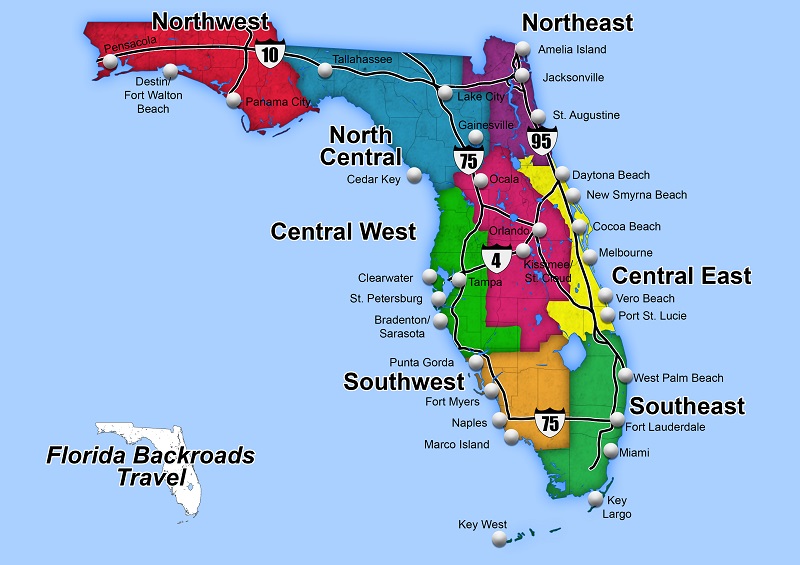
Decoding Florida’s Municipal Landscape
To truly comprehend the concept of “cities” in Florida, it’s essential to distinguish between various types of populated places and administrative designations. The legal and governmental frameworks within the United States and its states, including Florida, establish a hierarchy of settlements, each with distinct characteristics and governance that impact how communities operate and present themselves to visitors.
Understanding “City” in Florida
In Florida, the term “city” is commonly used in everyday conversation, but its legal definition is more specific. Legally, a “city” refers to an incorporated municipality. This designation means a community has formally organized under state law, established its own local government, and been granted specific powers and responsibilities. These include providing essential services, enacting local ordinances, and levying taxes to serve their residents. These incorporated entities may be officially called cities, towns, or villages, but functionally, they all operate as municipalities with similar governmental structures and self-governing capabilities.
In contrast, many areas within Florida remain unincorporated. These regions fall directly under the jurisdiction of the county government, rather than having their own municipal administration. Despite often having substantial populations and well-defined community identities, they are not classified as “cities” in the legal sense. Additionally, the United States Census Bureau identifies Census-Designated Places (CDPs), which are statistical entities representing significant concentrations of population that are not legally incorporated. While CDPs might resemble small cities or towns, they lack formal municipal governance. Recognizing these distinctions is key to accurately counting the “cities” of Florida.
The Official Count: Incorporated Municipalities
Based on the latest available data, the number of incorporated municipalities in Florida stands at approximately 400. This figure is dynamic, subject to minor fluctuations as new communities choose to incorporate, or in rarer instances, as existing ones disincorporate or merge. Each of these nearly 400 municipalities, whether a sprawling metropolis or a quaint village, contributes uniquely to the rich mosaic of the Sunshine State. This official count signifies communities that have embraced self-governance, allowing them to cultivate distinct identities, offer tailored local services, and foster unique community cultures. For travelers, this implies that virtually every region of Florida offers a distinctive experience, complete with its own array of accommodations, attractions, and local flavor.
Beyond the Numbers: Florida’s Diverse Urban Fabric
The sheer number of incorporated municipalities only begins to tell Florida’s story. What truly defines the state’s urban fabric is the incredible diversity found among these cities. They range dramatically in size, from tiny villages with a few hundred inhabitants to vast metropolitan areas home to millions. This spectrum offers an unparalleled variety of travel experiences, catering to every preference—from high-octane adventure seekers to those yearning for tranquil relaxation. Whether you seek luxury travel in opulent resorts, budget-friendly family trips, or a deep dive into local culture and history, Florida’s myriad cities provide the perfect backdrop for your ideal lifestyle.
Iconic Florida Cities: A Glimpse into the Sunshine State’s Appeal
While every one of Florida’s 400-plus municipalities possesses its own unique charm, several consistently stand out as beacons of the state’s appeal. These destinations draw global attention for their distinctive tourism offerings, diverse accommodations, and appealing lifestyles, exemplifying Florida’s status as a premier travel destination.
Major Metropolises and Their Allure
Florida’s largest cities are bustling hubs of economic activity, culture, and entertainment, each presenting a unique facet of the Sunshine State.
- Miami: A globally recognized destination, Miami is celebrated for its vibrant nightlife, iconic beaches like South Beach, and the architecturally significant Art Deco Historic District. Its profound Latin-infused culture influences everything from its world-class cuisine to its pulsating music scene. For accommodation, Miami offers a wealth of luxury hotels and resorts, particularly along Ocean Drive and in districts like Brickell and Coconut Grove, providing opulent suites and stylish boutique apartments. The lifestyle here embodies glamour, art, and an eternal summer.
- Orlando: Often dubbed the “Theme Park Capital of the World,” Orlando is an unrivaled magnet for family travel. Home to legendary attractions such as Walt Disney World Resort and Universal Studios Florida, this city promises unparalleled entertainment. Its accommodation landscape is equally vast, featuring expansive resorts with every imaginable amenity, family-friendly villas, and a broad selection of hotels catering to various budgets. Tourism in Orlando is synonymous with magic and adventure.
- Tampa: Located on the Gulf Coast, Tampa expertly blends historic charm with modern vibrancy. Its key attractions include Busch Gardens Tampa Bay, the historic Ybor City district famed for its Cuban heritage, and a dynamic downtown waterfront. Tampa’s hotel scene spans upscale riverfront properties to charming boutique stays, ideal for both business travelers and those seeking an energetic urban experience complemented by easy access to beautiful beaches.
- Jacksonville: As Florida’s largest city by land area, Jacksonville presents a unique fusion of urban sophistication and natural splendor. With miles of pristine beaches, a bustling downtown, and a burgeoning arts scene, Jacksonville appeals to those seeking a relaxed yet vibrant Florida experience. Accommodation options are diverse, from oceanfront resorts to comfortable city hotels, making it an excellent base for exploring Northeast Florida and its natural landmarks.
- St. Petersburg: Situated across Tampa Bay from Tampa, St. Petersburg is renowned for its beautiful waterfront parks, world-class museums like the Salvador Dalí Museum, and a flourishing arts and culture scene. “The Sunshine City” offers a plethora of activities, from leisurely strolls along its pier to exploring vibrant murals. Its boutique hotels and waterfront accommodations are perfect for cultural getaways with stunning views of the Gulf of Mexico.

Charming Coastal Towns and Historic Gems
Beyond the major cities, Florida is adorned with numerous smaller, equally captivating municipalities that offer distinctive and memorable experiences.
- Key West: As the southernmost point of the continental United States, Key West is legendary for its laid-back atmosphere, pastel-colored conch houses, and lively Duval Street. It serves as a haven for unique guesthouses and boutique hotels, embodying a relaxed, bohemian lifestyle. Tourism here centers on sunset celebrations at Mallory Square, vibrant water sports, and exploring historical landmarks like the Ernest Hemingway Home and Museum.
- St. Augustine: As the nation’s oldest continuously inhabited European-established settlement, St. Augustine is a living history museum. Its cobblestone streets, the iconic Castillo de San Marcos, and charming bed-and-breakfasts transport visitors to a bygone era. Accommodation often features historic inns and quaint hotels, providing an immersive journey into Florida’s rich past. Exploring the St. Augustine Historic District is an essential experience for history enthusiasts.
- Sarasota: Situated on Florida’s Gulf Coast, Sarasota is acclaimed for its exquisite beaches, particularly Siesta Key Beach with its powdery white sands, and its thriving arts and culture scene, exemplified by the Ringling Museum of Art. Sarasota offers a mix of luxury resorts and family-friendly hotels, appealing to those who appreciate both natural splendor and cultural enrichment.
- Naples: Epitomizing luxury and sophistication on the Southwest Florida coast, Naples is renowned for its high-end shopping, championship golf courses, and gourmet dining. Its beautiful beaches and refined ambiance attract discerning travelers seeking premium experiences. Accommodation here includes magnificent beachfront resorts and lavish villas, catering to an exclusive lifestyle.
- Clearwater: Home to Clearwater Beach, consistently ranked among the best beaches in the United States, Clearwater is a family-friendly destination celebrated for its pristine sands and the calm, inviting waters of the Gulf of Mexico. The Clearwater Marine Aquarium is a notable attraction. Its diverse array of beach resorts and hotels makes it an ideal spot for a quintessential Florida beach vacation.
Hidden Treasures and Up-and-Coming Destinations
Beyond the well-trodden tourist paths, Florida harbors a myriad of smaller cities and towns that offer unique perspectives and growing appeal for various types of travelers.
- Fort Lauderdale: Often referred to as the “Venice of America” due to its extensive canal system, Fort Lauderdale offers a sophisticated urban environment complemented by stunning beaches. It’s a major yachting center with a vibrant arts and dining scene. Accommodation ranges from upscale beachfront resorts to charming guesthouses, perfect for those seeking a blend of luxury travel and water-based activities.
- Gainesville: Home to the University of Florida, Gainesville is a vibrant college town rich in natural beauty and cultural attractions. Its numerous natural springs, botanical gardens, and local eateries reveal a different side of Florida, appealing to eco-tourists and those seeking a more academic or laid-back ambiance. Hotels here cater to a mix of visitors, from university guests to nature enthusiasts.
- Tallahassee: As Florida’s capital city, Tallahassee harmoniously blends history, politics, and a charming Southern atmosphere. Visitors can explore the Florida State Capitol Building, historic plantations, and lush natural parks. Its hotels and accommodations predominantly serve business travelers and those interested in the state’s governmental and historical roots.
- Amelia Island / Fernandina Beach: Located on the northeast coast, Amelia Island and its charming city, Fernandina Beach, provide a tranquil escape with beautiful beaches, Victorian architecture, and a rich pirate history. It’s a prime destination for luxurious resorts and charming bed-and-breakfasts, ideal for a refined, serene getaway focused on nature and historical exploration.
Planning Your Florida Adventure: Accommodation, Attractions, and Lifestyle
With hundreds of unique municipalities across the state, planning a trip to Florida promises to be an adventure in itself. The state’s wonderfully diverse urban landscape ensures that every traveler can discover their ideal destination, whether their preference is for bustling city life, tranquil beach retreats, or immersive historical experiences.
Choosing Your Perfect Stay: Hotels, Resorts, and Beyond
Florida’s accommodation sector is as varied and dynamic as its cities. You’ll find everything from the opulent resorts of Naples and Miami, offering five-star service, expansive pools, and private beach access, to the family-friendly suites and villas surrounding Orlando’s theme parks, catering to a wide range of budgets and preferences. Travelers can discover charming boutique hotels in historic districts like St. Augustine and Key West, modern apartments perfect for long-term stays in vibrant urban centers, and cozy vacation rentals on secluded islands such as Sanibel Island or Anna Maria Island. When selecting your stay, consider the amenities, location, and the type of experience you desire, utilizing comprehensive online reviews and comparison sites to ensure the best fit.
Experiencing Florida’s Diverse Tourism and Landmarks
Each of Florida’s cities serves as a gateway to unique tourist experiences and iconic landmarks. Beyond the exhilarating theme parks of Orlando, visitors can delve into the natural wonders of Everglades National Park near Miami, venture into the space age at Kennedy Space Center on the Space Coast, or explore the vibrant marine life through snorkeling and diving in the Florida Keys. Architectural marvels abound, ranging from the captivating Art Deco Historic District in Miami Beach to the historic homes of St. Augustine. The local culture is rich and diverse, expressed through dynamic food scenes, lively festivals, and thriving artistic communities across the state. Engaging with local guides can provide authentic experiences and valuable tips that extend beyond typical tourist trails.
Lifestyle Choices: From Luxury Escapes to Budget-Friendly Adventures
Florida’s cities expertly cater to a broad spectrum of lifestyles and travel budgets. For those seeking luxury travel, destinations like Naples, Palm Beach, and Miami offer exclusive resorts, high-end shopping, gourmet dining, and private yacht charters. Family trips find their perfect paradise in Orlando, Clearwater, and along the Gulf Coast with their abundant kid-friendly attractions and safe beaches. Budget travel is entirely achievable, particularly in areas like Kissimmee (adjacent to Orlando) or Daytona Beach, where a wide selection of affordable hotels and dining options exist without sacrificing access to key attractions. For business stays, major cities such as Miami, Tampa, and Orlando boast state-of-the-art convention centers and hotels fully equipped for corporate needs. No matter your preferred lifestyle or travel budget, a Florida city awaits to fulfill your desires.

Conclusion
So, how many cities are in Florida? The precise count of incorporated municipalities hovers around 400, a figure that eloquently reflects the state’s rich history of community development and local governance. Yet, this number only begins to reveal the full story of what makes Florida such an extraordinary and multifaceted destination. Each city, town, and village, whether globally renowned or locally cherished, contributes its unique essence to the Sunshine State’s vibrant identity. From the pulsating energy of Miami to the historical echoes of St. Augustine, and the magical allure of Orlando, Florida offers an unparalleled array of travel experiences. As you plan your next adventure, remember that the true spirit of Florida lies not just in its iconic landmarks or luxurious accommodations, but in the countless distinct communities that together form one of the United States’ most captivating and diverse states. Explore them, experience them, and discover your own unique slice of paradise.
LifeOutOfTheBox is a participant in the Amazon Services LLC Associates Program, an affiliate advertising program designed to provide a means for sites to earn advertising fees by advertising and linking to Amazon.com. Amazon, the Amazon logo, AmazonSupply, and the AmazonSupply logo are trademarks of Amazon.com, Inc. or its affiliates. As an Amazon Associate we earn affiliate commissions from qualifying purchases.