
Embarking on a journey, whether it’s a quick weekend getaway or an extended adventure across continents, often involves a delightful exploration of local cuisines and dining experiences. From savoring street food in a bustling market to indulging in gourmet meals at luxury resorts, food is an integral part of the travel experience, a vibrant thread woven into the fabric of local culture and personal memories. However, for many discerning travelers, especially those mindful of their health and wellness, the question often arises: “How many calories are in this delicious dish?” Among the myriad of international foods that have captured hearts and palates worldwide, the California Roll stands out as a universally recognized sushi item, frequently found on menus from bustling city centers to serene beachfront hotels. Its inviting blend of flavors and textures makes it a popular choice, but its nutritional profile, particularly its calorie content, is a common point of curiosity for health-conscious globetrotters.

Understanding the caloric value of a California Roll isn’t just about counting numbers; it’s about making informed choices that align with your lifestyle goals, especially when you’re navigating new environments and diverse dining options. This knowledge empowers you to enjoy your travels to the fullest without compromising your well-being, allowing you to strike a harmonious balance between culinary adventure and mindful eating. Whether you’re exploring the vibrant culinary scene of New York City, unwinding by the pool in a Hawaii resort, or enjoying a quick lunch between sightseeing in London, knowing what’s on your plate can enhance your overall travel experience, making it both enjoyable and sustainable.
The Global Appeal of the California Roll: A Culinary Icon
The California Roll holds a unique place in the annals of modern gastronomy. It’s a testament to culinary innovation and adaptation, a dish that transcends its humble origins to become a global phenomenon. Far from being a traditional Japanese creation, this inside-out sushi roll (uramaki) was born from a desire to cater to Western palates, transforming raw fish skepticism into widespread sushi adoration. Its enduring popularity lies in its approachable ingredients and appealing aesthetics, making it a gateway for countless individuals into the wider world of sushi.
Tracing Its Origins: From Los Angeles to the World
The narrative of the California Roll begins not in the ancient kitchens of Japan, but amidst the vibrant cultural melting pot of Los Angeles, California, in the United States. While the exact origin is debated, a popular theory credits chef Ichiro Mashita of Tokyo Kaikan restaurant in Los Angeles with its invention in the late 1960s or early 1970s. Faced with customers who were hesitant about eating raw fish and the seasonal scarcity of tuna, Mashita ingeniously substituted tuna with cooked crab meat and, crucially, decided to place the nori (seaweed) on the inside, hiding it from view and making the roll less intimidating for Western diners. The addition of avocado, a readily available ingredient in California, provided a creamy texture that further enhanced its appeal.
Another influential figure often cited is Hidekazu Tojo, a chef in Vancouver, Canada, who developed a similar inside-out roll with crab and avocado in the early 1970s, which he initially called the “Tojo-maki.” Regardless of the precise genesis, the California Roll rapidly gained traction, first in North America and then globally, becoming a staple on menus from humble sushi bars to prestigious hotel dining rooms. Its journey from a regional adaptation to an international favorite is a fascinating example of how culinary traditions evolve and merge, influenced by local ingredients, cultural preferences, and the intrepid spirit of chefs. This evolution makes the California Roll more than just food; it’s a piece of cultural history, a landmark of modern cuisine that travelers can find and appreciate almost anywhere they go.
Deconstructing the Classic: What’s Inside?
At its core, a standard California Roll is a symphony of simple yet harmonious ingredients. The primary components typically include:
- Sushi Rice: The foundation of any sushi roll, sticky short-grain rice seasoned with rice vinegar, sugar, and salt.
- Nori (Seaweed): A sheet of dried seaweed, traditionally on the outside, but inverted for the California Roll.
- Imitation Crab (Surimi): The characteristic protein filling, often seasoned and shredded.
- Avocado: Sliced or diced, offering a creamy texture and healthy fats.
- Cucumber: Thinly sliced strips providing a refreshing crunch.
- Toasted Sesame Seeds: Sprinkled on the outside, adding a nutty flavor and visual appeal.
Sometimes, a touch of mayonnaise or a mild sauce might be incorporated for added flavor and moisture. While the classic composition remains popular, variations abound. Some establishments might use real crab meat for a more premium offering, while others might include masago (capelin roe) for a burst of salty flavor and vibrant color. These subtle differences can, of course, influence the nutritional profile, which brings us to the central question of calorie count.
Unpacking the Nutrition: Calorie Count and Beyond
For travelers committed to a healthy lifestyle, understanding the caloric and nutritional breakdown of their meals is key. This is particularly true when dining out, where hidden fats and sugars can quickly accumulate. The California Roll, often perceived as a healthy option, warrants a closer look to understand its true nutritional impact.
The Core Components: A Calorie Breakdown
On average, a standard California Roll, typically cut into 6–8 pieces, contains approximately 250 to 350 calories. This range is not absolute, as several factors can influence the final number. Let’s break down the approximate caloric contribution of each main ingredient:
- Sushi Rice (approx. 1 cup cooked per roll): This is the most significant contributor to calories, typically accounting for 180-200 calories. The way it’s prepared, especially the amount of sugar used in the vinegar seasoning, can also play a role.
- Avocado (approx. ¼ to ½ an avocado): A healthy fat source, avocado adds around 80-160 calories, depending on the amount used.
- Imitation Crab (approx. 2-3 oz): A relatively lean protein, imitation crab meat contributes about 40-70 calories.
- Cucumber: Negligible calories, usually less than 5 calories per roll.
- Nori: Also negligible, typically less than 5 calories.
- Sesame Seeds: A sprinkle of sesame seeds adds around 10-20 calories.
- Mayonnaise/Sauce: If added, a tablespoon of regular mayonnaise can add 90-100 calories, while lighter sauces will contribute less. This is often an overlooked calorie bomb.
From this breakdown, it’s clear that the majority of calories come from the rice and the avocado, followed by any added sauces. While avocado provides beneficial monounsaturated fats, its calorie density means that larger portions will significantly increase the total.
Factors Influencing Calorie Content
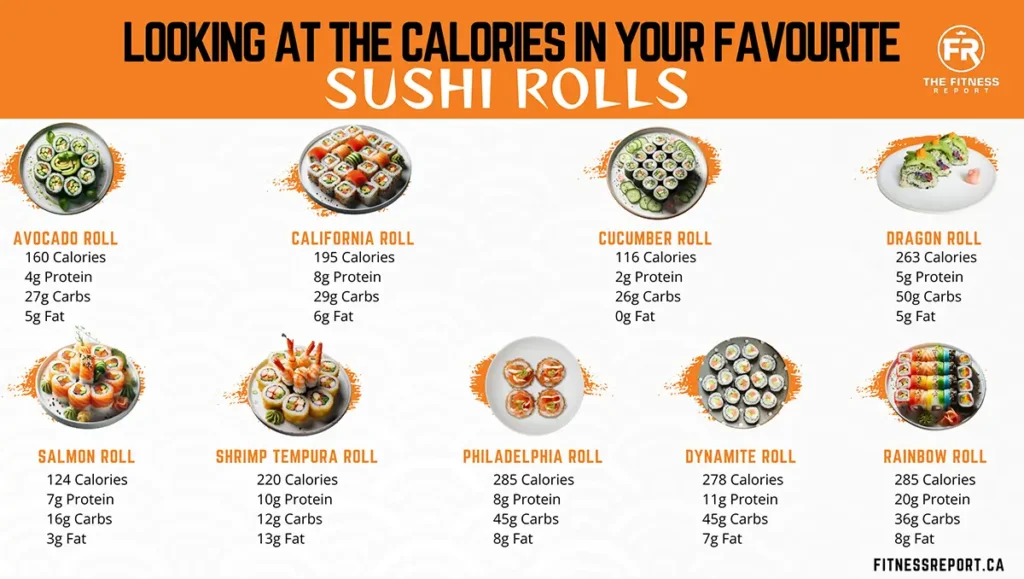
The “average” California Roll is a useful benchmark, but the reality is that its calorie content can fluctuate significantly based on several variables, particularly important for travelers dining at diverse establishments:
- Size of the Roll and Portions: A larger roll with more rice and fillings will naturally have more calories. Some restaurants serve rolls that are substantially bigger than others.
- Amount of Rice: Sushi rice is delicious but calorie-dense. Rolls with a thicker layer of rice will pack more calories.
- Amount of Avocado: While healthy, avocado is high in calories. A roll heavy on avocado will have a higher caloric count.
- Type of Crab Meat: Using real crab meat (often leaner) versus imitation crab (which can contain added starches and sugars) can slightly alter the calorie count.
- Added Sauces and Dressings: This is a major factor. Many California Rolls are served with or contain a drizzle of spicy mayo, eel sauce, or other creamy dressings. These can easily add an extra 50-150 calories per roll. Always ask for sauces on the side if you’re calorie-conscious.
- Frying or Tempura: Some variations might involve a “crispy” or “tempura” element, meaning some components are deep-fried, significantly increasing fat and calorie content. These are usually clearly labeled, but it’s worth being aware.
- Restaurant Preparation: Each sushi chef and restaurant may have slight variations in their recipes, from the amount of sugar in the sushi rice to the portion sizes of ingredients. Even within a major hotel chain like Marriott International or Hilton Worldwide, variations can occur between different properties or even chefs.
Making Mindful Choices: California Rolls in Your Travel Lifestyle
For the modern traveler, maintaining a healthy balance while exploring new destinations is a priority. The California Roll, with its versatility and widespread availability, can be a valuable part of this equation, provided you make informed choices. Integrating it thoughtfully into your travel itinerary can allow for both culinary enjoyment and health consciousness.
Navigating Menus: Healthy Eating on the Go
When you’re constantly on the move, whether hopping between boutique hotels in Paris or exploring local eateries in Sydney, making healthy food choices can sometimes feel like a challenge. Here are some tips for enjoying California Rolls and other sushi options mindfully:
- Ask for Light Rice: Many sushi restaurants are happy to prepare your roll with less rice if requested. This can significantly cut down on calories and carbohydrates.
- Go Easy on the Sauce: As mentioned, sauces are often calorie powerhouses. Request any creamy or sweet sauces on the side, or opt for a simple dash of soy sauce (light sodium if possible) and a touch of wasabi and ginger.
- Embrace Vegetable Rolls: To complement your California Roll, consider ordering a side of cucumber, avocado, or asparagus rolls. These are typically much lower in calories and higher in fiber.
- Choose Lean Protein: If you’re open to other sushi, sashimi (plain slices of fish) or nigiri (fish over a small ball of rice) often contain fewer calories than elaborate rolls, especially those with tempura or heavy sauces. Opt for lean fish like tuna or snapper.
- Hydrate: Always pair your meal with plenty of water. It helps with digestion and satiety, a crucial tip when adjusting to new time zones and environments.
- Balance Your Day: If you know you’ll be indulging in a larger or richer meal later, choose lighter options for breakfast and lunch. A California Roll can be a good mid-day option if prepared simply.
Finding Your Roll: From Boutique Hotels to Local Eateries
The ubiquity of the California Roll means you’re likely to find it almost anywhere your travels take you. This makes it a reliable, comforting option when you’re looking for something familiar yet satisfying.
- Hotel Dining: Many high-end luxury resorts and even mid-range hotels, such as a Grand Hyatt or a local chain, will feature sushi on their room service or restaurant menus. This can be a convenient option after a long day of sightseeing, offering a predictable culinary experience. Ask the server about ingredients and preparation to gauge calorie content.
- International Cities: In major urban centers like Tokyo, London, New York City, Paris, Sydney, or Dubai, sushi restaurants are abundant, ranging from casual take-out spots to Michelin-starred establishments. Exploring these local eateries offers a true taste of a city’s diverse culinary landscape.
- Airport Lounges and Food Courts: Even in the midst of travel chaos, you might find pre-packaged California Rolls at airport food courts or exclusive lounges. While not always the freshest, they can be a healthier alternative to fast food burgers or heavy sandwiches.
- Grocery Stores and Markets: For travelers staying in serviced apartments or vacation rentals, local supermarkets often carry freshly made sushi, including California Rolls. This offers a budget-friendly and convenient way to enjoy sushi on your own terms, allowing you to control portions and perhaps even pair it with a fresh salad or fruit.
No matter where you are, the key is to be observant and not shy away from asking questions about the ingredients and preparation methods. This proactive approach ensures that your culinary adventures remain aligned with your health and wellness goals, whether you’re dining near the Hollywood sign or a historic landmark.
Embracing the Experience: More Than Just a Meal
While calorie counting offers a practical framework for healthy eating, it’s also crucial to remember that food, especially during travel, is an experience – a gateway to understanding culture, connecting with people, and creating lasting memories. The California Roll, in its own way, plays a role in this broader narrative, offering not just sustenance but also a bridge between cultures and a moment of familiar comfort in unfamiliar surroundings.
Health Benefits Beyond the Numbers
Beyond its caloric footprint, the California Roll does offer several nutritional advantages, especially when compared to other popular travel snacks or fast food options:
- Healthy Fats: The avocado is a powerhouse of monounsaturated fats, known for their heart-healthy benefits. These fats also contribute to satiety, helping you feel fuller for longer.
- Hydration and Fiber: Cucumber provides hydration and a small amount of fiber, aiding digestion.
- Minerals: Nori (seaweed) is a good source of iodine and other essential minerals.
- Protein: Imitation crab, while processed, still offers a source of protein, which is vital for muscle repair and sustained energy, particularly important when you’re exploring a destination on foot.
- Fewer Processed Ingredients (compared to many alternatives): When prepared simply, a California Roll typically contains fewer heavily processed ingredients and less unhealthy trans fats than many other convenience foods found during travel.
It’s about perspective. While a California Roll might not be the lowest-calorie option on a menu, it often provides a better nutritional profile than a greasy burger and fries or a sugary pastry, making it a viable choice for a balanced travel diet.
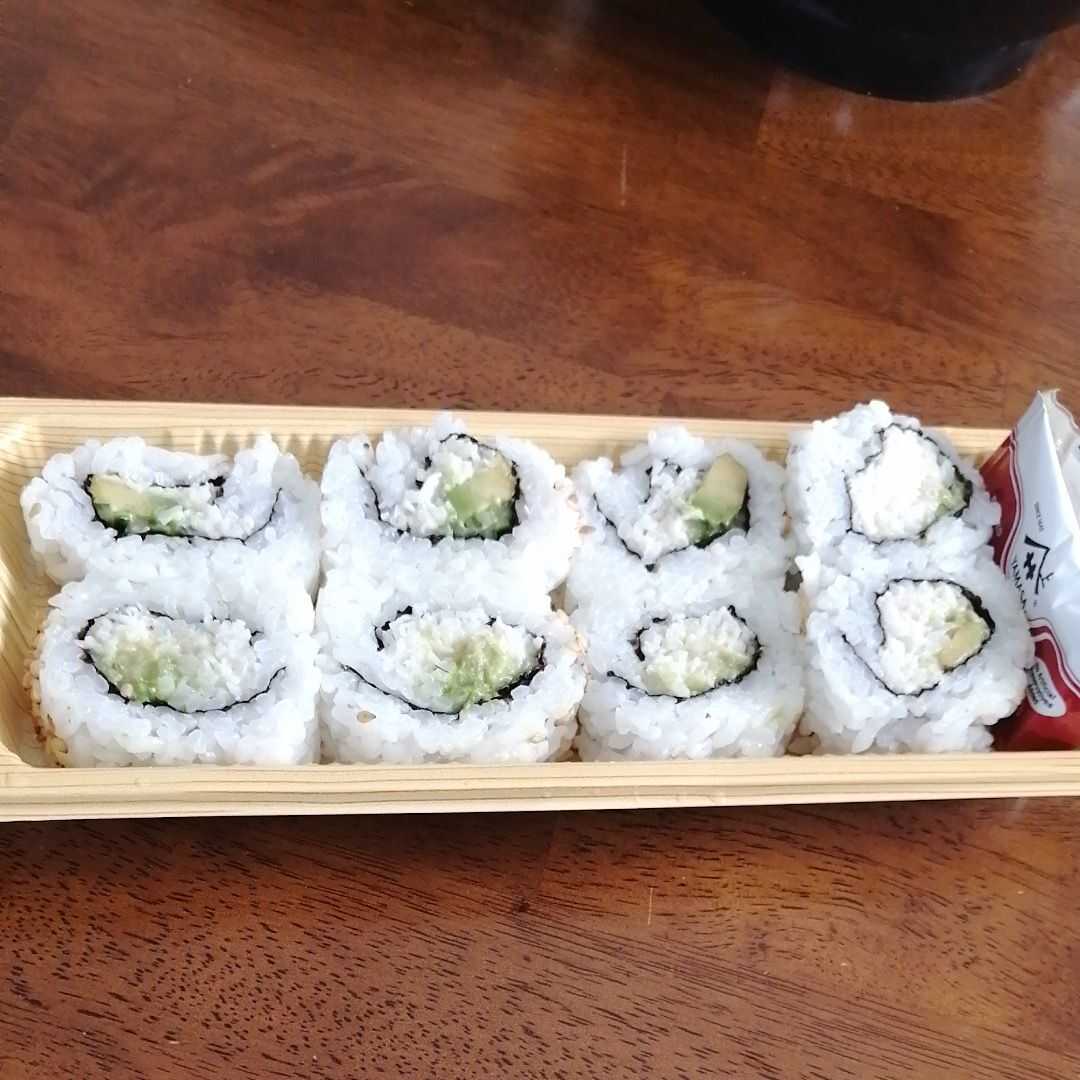
Culinary Exploration: A Taste of California Anywhere
The California Roll’s global presence means that wherever your travels take you, from a charming bistro in Mexico to a bustling market stall in Thailand, you might encounter this familiar roll. It serves as a subtle reminder of the interconnectedness of our world, a small culinary bridge that brings a taste of California to diverse destinations. For those who enjoy cooking or exploring local ingredients, staying in serviced apartments or villa rentals can even offer the opportunity to try making your own California Rolls, perhaps with a local twist, adding another layer to your travel experience. Imagine gathering fresh avocados from a local market in Miami and assembling your own rolls with a view of the ocean! This kind of hands-on culinary tourism enriches the journey, turning a simple meal into an interactive cultural experience.
In conclusion, a California Roll, while varying in exact calorie count from 250 to 350 calories per roll, represents more than just a number. It’s a versatile and widely accessible food item that, when chosen mindfully, can fit seamlessly into a healthy travel lifestyle. By understanding its components, being aware of factors that influence its caloric value, and applying smart ordering strategies, you can continue to enjoy this culinary icon as you traverse the globe. So, whether you’re navigating the intricate streetscapes of an ancient city or relaxing by the Mediterranean coast, you can confidently indulge in a California Roll, knowing you’re making a choice that balances deliciousness with well-being, enhancing every moment of your journey.
LifeOutOfTheBox is a participant in the Amazon Services LLC Associates Program, an affiliate advertising program designed to provide a means for sites to earn advertising fees by advertising and linking to Amazon.com. Amazon, the Amazon logo, AmazonSupply, and the AmazonSupply logo are trademarks of Amazon.com, Inc. or its affiliates. As an Amazon Associate we earn affiliate commissions from qualifying purchases.