
Florida, often celebrated as the Sunshine State, is a mosaic of vibrant cities, pristine beaches, and unique ecosystems. While many visitors associate its wetlands with the ubiquitous American Alligator, a more elusive and globally endangered reptile also calls this diverse landscape home: the American Crocodile. Far fewer in number than their alligator cousins, these ancient creatures add an intriguing layer to Florida’s rich biodiversity, making a sighting a truly special event for any wildlife enthusiast. This article delves into the fascinating world of Florida’s crocodiles, exploring their presence, preferred habitats, and the dedicated conservation efforts that safeguard their future, while also guiding you on how to experience Florida’s wild side responsibly.

The Elusive American Crocodile: A Florida Rarity
The question of “how many crocodiles in Florida?” immediately highlights their rarity compared to alligators. Unlike the widespread alligator, which can be found in virtually every body of freshwater across the state, the American Crocodile’s population is significantly smaller and confined to specific coastal and brackish water environments in South Florida. Estimates suggest a population of around 1,500 to 2,000 individuals in the wild within the United States, predominantly in Florida. This limited number underscores their status as a federally protected endangered species and makes encountering one a truly unique wildlife experience.
Distinguishing Crocodiles from Alligators
For the uninitiated, distinguishing between an alligator and a crocodile might seem challenging, but there are several key visual and behavioral cues. Understanding these differences is crucial not only for identification but also for appreciating the unique ecological niche each occupies.
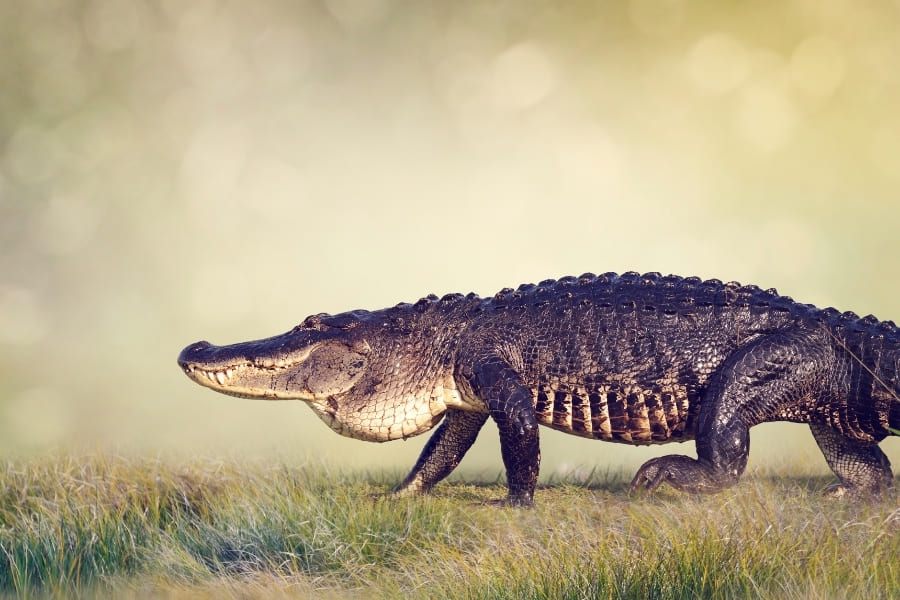
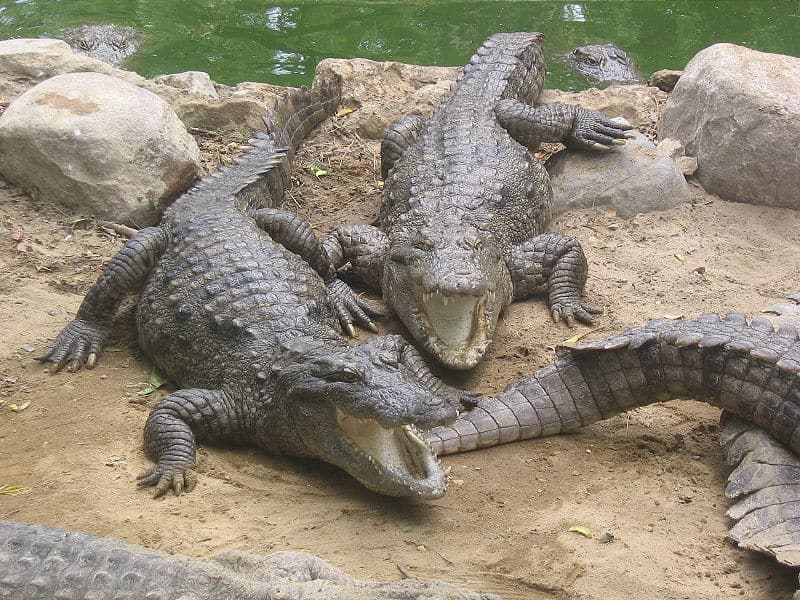
Snout Shape: The most obvious difference lies in their snouts. American Alligators have a broad, rounded, U-shaped snout, perfect for crushing the shells of turtles and other hard-shelled prey. American Crocodiles, on the other hand, possess a more pointed, V-shaped snout, ideal for snatching fish and small mammals.
Teeth: When an alligator closes its mouth, you typically only see the upper teeth. With a crocodile, both the upper and lower teeth are visible, with the fourth tooth on the lower jaw prominently sticking up over the upper lip, giving them a more “toothy” grin.
Coloration: Alligators are generally darker, often black or dark grey. Crocodiles tend to be lighter, with a grayish-green or olive-brown hue. This coloration can help them blend into their preferred brackish and saltwater environments.
Habitat Preference: This is perhaps the most significant distinction for visitors to Florida. Alligators thrive in freshwater environments like lakes, rivers, and swamps. Crocodiles, however, are far more tolerant of saltwater and are typically found in coastal areas, estuaries, mangrove swamps, and brackish canals. This preference for saltwater is due to specialized glands on their tongues that excrete excess salt.
Temperament: While all wild animals should be respected from a distance, alligators are generally considered less aggressive towards humans unless provoked or protecting their young. Crocodiles, especially larger ones, can be more territorial and aggressive, though attacks on humans are exceedingly rare in Florida.
By understanding these distinctions, travelers engaging in nature tourism in Florida can better appreciate the diverse reptilian inhabitants of this incredible state.
Historical Presence and Conservation Efforts
The journey of the American Crocodile in Florida is a testament to the power of dedicated conservation. Historically, their populations faced severe decline due to habitat loss, hunting for their valuable hides, and persecution driven by fear and misunderstanding. By the 1970s, the American Crocodile was on the brink of extinction in Florida, with only a few hundred individuals remaining.
The listing of the species under the Endangered Species Act in 1973 marked a turning point. This designation spurred comprehensive conservation strategies, including habitat protection, research, and public education. Key initiatives focused on safeguarding their critical nesting and basking sites, particularly in areas like the Everglades National Park and the Florida Keys.
One of the most significant conservation successes has been the protection of their nesting grounds. Unlike alligators, crocodiles build mound nests out of mud and vegetation, often in elevated areas near water. Protecting these sites from development and human disturbance has been crucial for reproductive success. Efforts to manage water levels and restore natural flow patterns in the Everglades have also benefited the crocodiles by ensuring the health of their aquatic habitats and prey base.
Thanks to decades of sustained effort by state and federal agencies like the Florida Fish and Wildlife Conservation Commission (FWC) and the U.S. Fish and Wildlife Service, the American Crocodile population has shown remarkable recovery. Their status was downlisted from “endangered” to “threatened” in 2007, a rare and celebrated achievement in wildlife conservation. This success story not only highlights the resilience of the species but also the importance of human intervention in protecting vulnerable ecosystems. For tourists, this means that while still rare, the chance to witness these magnificent reptiles in their natural habitat is now more plausible, adding immense value to Florida’s ecotourism appeal.
Where to Spot Florida’s Crocodiles: Prime Habitats and Viewing Tips
Spotting an American Crocodile in Florida requires a combination of patience, luck, and knowledge of their preferred haunts. Unlike alligators, which are ubiquitous across most freshwater systems, crocodiles are highly localized. Their presence is a strong indicator of a healthy, brackish or saltwater ecosystem, making certain areas prime viewing locations for travelers dedicated to wildlife observation.
The Sunshine State’s Southern Stronghold
The vast majority of Florida’s American Crocodiles reside in the extreme southern tip of the state, primarily within coastal and estuarine habitats. This region provides the ideal blend of warm temperatures, brackish waters, and abundant prey.
Everglades National Park: This iconic UNESCO World Heritage Site is arguably the best place to potentially see a crocodile. The park’s southern reaches, particularly areas around Flamingo and the Nine Mile Bank, are known crocodile habitats. The saline waters of Florida Bay and the mangrove-lined estuaries offer perfect conditions. Visitors often spot them basking on mudflats or swimming along the shoreline in these areas. The Flamingo Visitor Center and surrounding marinas are surprisingly good spots, as crocodiles have grown somewhat accustomed to human presence in designated viewing areas.
Florida Keys: The archipelago extending from the southern coast of Florida into the Atlantic Ocean also harbors a significant crocodile population. Specifically, the Upper Keys, including islands like Key Largo and Plantation Key, have suitable habitats. Canals, lagoons, and mangrove estuaries throughout the Keys provide ideal environments. John Pennekamp Coral Reef State Park is not only famous for its underwater wonders but also occasionally hosts crocodiles in its brackish areas.
Biscayne Bay: This vast estuary along Florida’s southeastern coast, including Biscayne National Park, represents another vital crocodile stronghold. The convergence of freshwater from the Everglades and saltwater from the Atlantic creates an ideal mosaic of habitats. The industrial cooling canals of the Turkey Point Nuclear Generating Station, while artificial, have surprisingly become a significant breeding and nesting ground for crocodiles due to their warm, protected waters. This unusual habitat highlights the adaptability of these reptiles and the success of localized conservation efforts.
Southwest Florida: While less common than the Southeast, some crocodiles can occasionally be found in the brackish estuaries and coastal areas of Southwest Florida, particularly around Naples and the Ten Thousand Islands region. However, sightings here are much rarer.
Guided Tours and Safe Viewing Practices
For those hoping to catch a glimpse of an American Crocodile, embracing guided experiences and adhering to strict safety protocols are paramount.
Guided Airboat and Kayak Tours: Several operators within or bordering Everglades National Park and the Florida Keys offer guided airboat or kayak tours. While airboats are famous for alligator sightings, some specialized tours might venture into areas where crocodiles are known to reside. Kayak and paddleboard tours, particularly in calmer mangrove tunnels, can offer a more intimate and quiet wildlife viewing experience, increasing your chances of spotting shy crocodiles without disturbing them. Always choose reputable tour companies with experienced guides who prioritize wildlife safety and conservation.
Responsible Wildlife Viewing:
- Keep Your Distance: Always maintain a safe and respectful distance from all wildlife, especially large predators like crocodiles. Never approach, feed, or harass them. Use binoculars or a telephoto lens for close-up views.
- Stay on Designated Trails/Areas: When in national parks or preserves, adhere to marked trails, boardwalks, and viewing platforms. Venturing off-trail can disturb wildlife and expose you to hazards.
- Never Swim or Wade in Undesignated Areas: Crocodiles and alligators inhabit these waters. Always obey posted signs regarding swimming restrictions.
- Supervise Children and Pets: Keep children close and pets on a leash, especially near water bodies.
- Dawn and Dusk are Prime Times: Like many reptiles, crocodiles are often most active during cooler parts of the day, such as early morning and late afternoon, making these the best times for viewing.
By following these guidelines, visitors can enjoy Florida’s incredible wildlife safely and contribute to the ongoing protection of its unique inhabitants.
The Ecosystem of Florida: Beyond the Crocodiles
While the American Crocodile is a captivating creature, it is but one thread in the intricate tapestry of Florida’s diverse ecosystems. The state’s unique geography, extending from temperate zones to the subtropics, creates a mosaic of habitats supporting an astonishing array of flora and fauna. Understanding this broader context enriches any Florida travel experience, transforming a simple vacation into an immersive journey through nature.
A Biodiversity Hotspot
Florida’s position at the crossroads of different climatic zones makes it a biodiversity hotspot. Its wetlands, coastal areas, pine flatwoods, and coral reefs are home to species found nowhere else in the United States.
Wetlands and Waterways: The Everglades, often called the “River of Grass,” is a prime example. Beyond crocodiles and alligators, these slow-moving waters host an incredible variety of birds, including roseate spoonbills, great egrets, and bald eagles. Manatees, gentle giants of the sea, frequent the state’s warm coastal waters and springs. Otters, turtles, and numerous fish species also thrive in these freshwater and brackish environments.
Coastal and Marine Life: Florida’s extensive coastline, particularly the Florida Keys, boasts vibrant coral reefs, seagrass beds, and mangrove forests. These habitats support colorful reef fish, sea turtles, dolphins, and a myriad of invertebrates. The annual migrations of various bird species also rely on Florida’s coastal wetlands as vital stopover points.
Uplands and Forests: Inland, pine flatwoods, scrub habitats, and hardwood hammocks provide homes for unique species like the Florida panther, black bears, and various endemic plant species. Conservation areas like Myakka River State Park offer glimpses into these terrestrial ecosystems.
For the adventurous traveler, Florida offers unparalleled opportunities for nature photography, birdwatching, fishing, and diving, all contributing to a holistic understanding of this dynamic environment. Each ecosystem presents its own set of attractions, creating a diverse palette of experiences for those who seek to explore beyond the theme parks.
Preserving Florida’s Natural Wonders
The sheer beauty and ecological significance of Florida’s natural landscapes are invaluable, not just for its wildlife but also for its booming tourism industry and the quality of life for its residents. Therefore, preserving these natural wonders is paramount, a responsibility shared by government agencies, non-profits, and informed travelers.
National and State Parks: Florida boasts a robust network of national and state parks, preserves, and wildlife refuges. These protected areas, such as Everglades National Park, Biscayne National Park, and numerous state parks like Wakulla Springs State Park, are critical for habitat protection, scientific research, and offering public access for education and recreation. Supporting these parks through entrance fees or donations directly contributes to their upkeep and conservation efforts.
Sustainable Tourism and Responsible Travel: As a major tourist destination, Florida faces unique challenges in balancing visitor numbers with ecological preservation. The concept of sustainable tourism encourages practices that minimize environmental impact, respect local cultures, and provide economic benefits to local communities. This includes choosing eco-friendly accommodations, participating in responsible tours, disposing of waste properly, and adhering to park regulations. Many tour operators and hotels in Florida are increasingly adopting green practices, offering travelers opportunities to support environmentally conscious businesses.
Community Involvement: Local communities and non-profit organizations play a vital role in grassroots conservation. Initiatives like beach clean-ups, mangrove restoration projects, and wildlife rescue efforts are often powered by volunteers and local support. Travelers interested in giving back can seek out opportunities to participate or contribute to these local efforts during their stay.
By embracing responsible travel practices, visitors become an integral part of Florida’s conservation story, ensuring that its natural beauty and incredible biodiversity, including its elusive crocodiles, remain vibrant for generations to come.
Planning Your Florida Wildlife Adventure: Travel & Accommodation Insights
Embarking on a wildlife adventure in Florida requires thoughtful planning, especially when hoping to encounter specific species like the American Crocodile. Beyond knowing where to look, considerations for travel logistics, accommodation, and the overall lifestyle of your trip can greatly enhance your experience. Florida offers a spectrum of options, from rugged eco-lodges to luxurious resorts, catering to every type of traveler.
Destinations for Wildlife Enthusiasts
While the entire state offers natural beauty, certain destinations in Florida are particularly geared towards wildlife and nature enthusiasts.
Miami and the Gateway to the Everglades: Miami, while a bustling metropolis known for its vibrant nightlife and South Beach, serves as a convenient gateway to the Everglades. Many Miami hotels offer easy access to guided tours that depart for the park. You can enjoy the urban luxuries of Miami and still experience the wild within a short drive, making it ideal for those who prefer a blend of city and nature. Consider staying in areas like Coral Gables or Coconut Grove for a quieter, more upscale experience close to the natural beauty of South Florida.
The Florida Keys: Island Life and Coastal Wonders: The Florida Keys offer a unique blend of island charm and abundant marine life. Key Largo, as the “Diving Capital of the World,” provides access to John Pennekamp Coral Reef State Park and its underwater marvels, alongside opportunities for mangrove kayaking where crocodiles might be spotted. Further south, Key West offers a laid-back atmosphere, historic landmarks, and access to Dry Tortugas National Park, although crocodiles are less common there. The journey along the Overseas Highway itself is a scenic attraction, with numerous points of interest for nature lovers.
Fort Lauderdale and Southwest Florida: Fort Lauderdale, often dubbed the “Venice of America” due to its extensive canal system, also provides easy access to the eastern Everglades and nearby natural areas. For a different coastal experience, destinations in Southwest Florida like Naples and Everglades City offer a quieter, more direct immersion into the region’s unique wetlands and gulf coast environments. These areas are excellent for airboat tours, fishing charters, and exploring the Ten Thousand Islands.
Choosing Your Stay: Hotels and Resorts Near Nature
Florida’s extensive range of accommodation options means you can tailor your stay to your preferred travel style and proximity to nature.
Eco-Lodges and Boutique Hotels: For a truly immersive experience, consider eco-lodges or boutique hotels located on the fringes of natural areas. While there might not be a “Grand Hyatt Hotel” directly inside the Everglades, many smaller, independent properties focus on sustainability and offer unique access to the surrounding environment. Look for establishments in areas like Homestead or along the Upper Keys that emphasize natural beauty and outdoor activities. These often provide guided excursions and a more intimate connection with nature.
Resorts with Nature Access: Many larger resorts throughout Florida skillfully blend luxury with natural surroundings. For instance, some resorts in Miami or the Florida Keys might offer private beach access, nature trails, or even on-site nature programs. Chains like the Hyatt Regency or Marriott often have properties in scenic locations that balance comfort with opportunities for outdoor exploration. These are excellent choices for family trips or those seeking amenities alongside nature.
Vacation Rentals and Apartments: For longer stays, vacation rentals or apartments can offer more space, privacy, and the convenience of a home-away-from-home, especially useful for families or groups. Platforms like Airbnb or VRBO have numerous listings in coastal towns and near natural parks, allowing you to choose a base that perfectly suits your wildlife-focused itinerary.
The Lifestyle of Florida Wildlife Exploration
Exploring Florida’s wildlife is more than just a vacation; it’s a lifestyle choice for many, reflecting a deep appreciation for nature and adventure. Whether you’re a seasoned ecotourist or a curious traveler, Florida offers a spectrum of experiences that cater to various budgets and interests, intertwining with the broader themes of lifestyle and travel that define the state.
Budget-Friendly to Luxury Experiences
Florida’s wildlife exploration scene is remarkably versatile, accommodating everyone from backpackers to luxury seekers.
Budget Travel: For those on a budget travel plan, access to many of Florida’s natural wonders is surprisingly affordable. State parks typically have modest entrance fees, and national parks offer annual passes. Many self-guided activities, such as hiking, birdwatching from designated boardwalks, or cycling, are low-cost. Camping within state or national parks is an economical accommodation option that places you right in the heart of nature, offering an authentic wilderness experience. Picnics packed with local produce can also keep food costs down while enjoying scenic outdoor settings.
Luxury Travel: At the other end of the spectrum, luxury travel in Florida can involve private guided tours, bespoke wildlife safaris, and stays at high-end resorts. Imagine a private airboat charter into exclusive areas of the Everglades, followed by a gourmet dinner at a five-star resort in Miami Beach, or a secluded villa in the Florida Keys with personal access to kayaking and snorkeling spots. Some luxury offerings include professional wildlife photographers or naturalists as personal guides, ensuring an unparalleled and in-depth understanding of the ecosystem. Resorts often boast exceptional amenities like spa services, fine dining, and curated experiences that blend relaxation with adventure.
The beauty of Florida lies in its ability to offer both. A traveler could spend a morning in a budget-friendly state park hiking amidst incredible birdlife and then indulge in a sophisticated evening meal in a nearby city, showcasing the state’s diverse appeal.
Family-Friendly Adventures and Tips
Florida is an ideal destination for family trips focused on nature and wildlife. The state’s natural attractions offer educational and exciting experiences for all ages.
Educational Opportunities: Many parks and visitor centers, such as the Ernest Coe Visitor Center in Everglades National Park, offer engaging interpretive programs, ranger-led walks, and exhibits designed to educate children about local flora and fauna. These programs are often interactive and make learning fun. Wildlife refuges sometimes have observation towers and elevated boardwalks that are safe and accessible for families with strollers or young children, offering panoramic views without disturbing the wildlife.
Kid-Friendly Activities: Beyond general wildlife viewing, families can enjoy activities like gentle kayak paddles in calm waters, glass-bottom boat tours that reveal underwater ecosystems, or even guided tram tours that provide comfortable access to wildlife areas. Many parks have designated picnic areas and short, easy walking trails perfect for little legs.
Safety First for Families: When traveling with children, safety is paramount. Reiterate the importance of staying on trails, not feeding wild animals, and maintaining a safe distance. Always carry plenty of water, sunscreen, insect repellent, and first-aid supplies. Educating children beforehand about the local wildlife, including crocodiles and alligators, can turn potential fears into fascination, encouraging respectful interaction with nature. Choosing resorts or suites with kid-friendly pools and activities can also provide a balance between adventurous outings and relaxation.
Ultimately, the allure of finding “how many crocodiles in Florida” extends beyond a mere count; it represents an invitation to explore a complex, vibrant, and incredibly significant natural world. By planning responsibly and appreciating the delicate balance of its ecosystems, every traveler can contribute to the preservation of Florida’s unique natural landmarks and the remarkable creatures that inhabit them, making for a truly unforgettable travel experience.
LifeOutOfTheBox is a participant in the Amazon Services LLC Associates Program, an affiliate advertising program designed to provide a means for sites to earn advertising fees by advertising and linking to Amazon.com. Amazon, the Amazon logo, AmazonSupply, and the AmazonSupply logo are trademarks of Amazon.com, Inc. or its affiliates. As an Amazon Associate we earn affiliate commissions from qualifying purchases.