
Florida, often affectionately known as the Sunshine State, is a magnet for travelers, those seeking new lifestyles, and individuals dreaming of extended stays. From its pristine beaches stretching along the Atlantic Coast and Gulf Coast to its vibrant cities like Miami, Orlando, and Tampa, Florida offers an unparalleled array of experiences. Whether you’re planning a luxurious escape to a Key West resort, exploring the historical charm of St. Augustine, or embarking on a budget-friendly family adventure to a theme park, having the freedom to navigate its roads is paramount. For anyone looking to truly immerse themselves in all that Florida has to offer, from hidden natural landmarks to bustling urban centers, obtaining a Florida driver’s license is not just a formality; it’s a gateway to discovery, independence, and a richer, more flexible lifestyle.
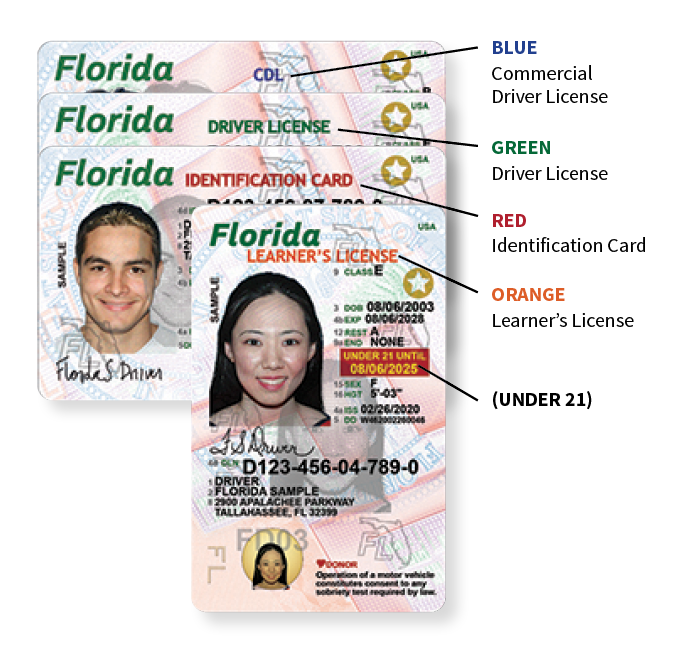
While visitors might initially rely on rideshares or public transport, those planning longer trips, considering relocation, or even just wanting to explore beyond typical tourist hubs will quickly realize the convenience and necessity of personal transportation. A Florida driver’s license not only serves as official identification but also unlocks countless opportunities for exploration, business, and day-to-day living. This comprehensive guide will walk you through the process of securing your very own Florida driver’s license, ensuring your journey through the Sunshine State is as smooth and enjoyable as possible.
Navigating the Sunshine State: Why a Florida Driver’s License is Essential for Travelers and Residents Alike
Florida is a state built for road trips. Its vast landscapes, diverse ecosystems, and widely distributed attractions make driving the most efficient and enjoyable way to explore. From the moment you arrive, whether for a week-long vacation or a permanent move, the need for personal mobility becomes evident.
Unlocking Florida’s Diverse Attractions
Imagine the freedom to spontaneously drive down to the Florida Keys, stopping at quaint seaside towns and picturesque viewpoints along the way. Or perhaps a leisurely drive through the Everglades National Park to witness its unique wildlife, a journey less accessible without your own vehicle. Iconic destinations like Walt Disney World Resort and Universal Orlando Resort in Orlando are well-serviced by various transport options, but a car provides the flexibility to explore off-the-beaten-path attractions, discover local culinary gems, and visit stunning natural springs.
For those interested in history and culture, a drive to St. Augustine, the nation’s oldest city, or a trip to the Kennedy Space Center Visitor Complex on the Space Coast becomes an effortless day trip. Even within major cities like Miami, having a driver’s license allows you to seamlessly transition from the Art Deco splendor of South Beach to the vibrant Cuban culture of Little Havana, or to explore the upscale shopping districts and diverse neighborhoods. This level of accessibility is fundamental to truly experiencing Florida’s rich tapestry of tourism, ensuring you don’t miss out on any of its hidden treasures or famous landmarks.
Beyond Tourism: The Practicalities of Living and Staying in Florida
For individuals planning a long-term stay, whether it’s for work, study, or retirement, a Florida driver’s license quickly moves from a convenience to a necessity. Many apartment rentals, long-term accommodation options, and even some hotel check-ins require a valid U.S. driver’s license as a primary form of identification. Beyond identification, it simplifies everyday life significantly. Grocery shopping, commuting to work or school, taking children to activities, or even simply enjoying a local park often requires driving, especially outside of Florida’s most densely populated urban centers.
Furthermore, a Florida driver’s license serves as a crucial piece of identification for various administrative tasks, from opening a bank account to registering for local services. It represents a significant step towards integrating into the local lifestyle and making your stay, whether temporary or permanent, as comfortable and independent as possible. From a lifestyle perspective, it provides the ultimate freedom, allowing you to tailor your travel experiences, manage your daily affairs, and truly make the most of your time in the Sunshine State.
The Road to Your Florida Driver’s License: A Step-by-Step Guide
Obtaining a Florida driver’s license is a structured process managed by the Florida Department of Highway Safety and Motor Vehicles (DHSMV), often simply referred to as the DMV by many. While it might seem daunting, breaking it down into manageable steps makes the journey clear and straightforward.
Eligibility and Requirements: Who Can Apply?
Generally, anyone who establishes residency in Florida and meets the age requirements can apply for a driver’s license. To be considered a Florida resident, you must be living in the state for at least 30 consecutive days, registering to vote, accepting employment, or sending children to public school. If you hold a valid driver’s license from another U.S. state, you typically have 30 days to obtain a Florida license after establishing residency.
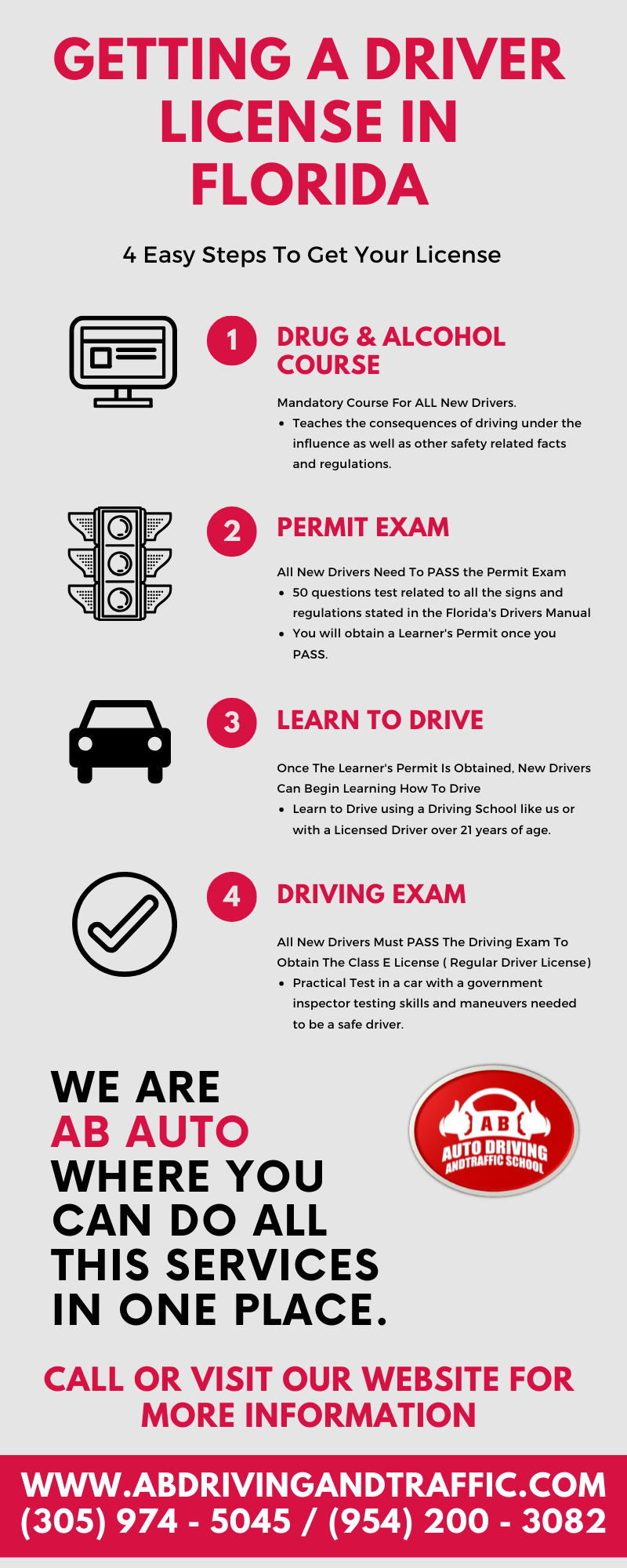
The minimum age for a learner’s permit is 15, and for a full Class E driver’s license, it’s 16. First-time applicants, regardless of age, must complete a Traffic Law and Substance Abuse Education (TLSAE) course, also known as the Drug and Alcohol course. This course can often be completed online or through approved providers.
Gathering Your Documents: Proof of Identity, Residency, and More
This is perhaps the most critical step, as incorrect or incomplete documentation will lead to delays. The DHSMV requires specific documents to prove your identity, Social Security number, and residential address. It’s crucial to bring original documents, not photocopies, unless otherwise specified.
- Proof of Identity: You’ll need one document from a list, which typically includes a U.S. birth certificate, a valid U.S. passport, or a certificate of naturalization. Non-U.S. citizens will need documents proving legal presence, such as a valid foreign passport with a visa, an alien registration card (Green Card), or employment authorization document.
- Proof of Social Security Number (SSN): This can be your Social Security card, a W-2 form, or a pay stub showing your full SSN. If you do not have an SSN, you’ll need to provide an affidavit from the Social Security Administration stating you were never issued one.
- Proof of Residential Address: The DHSMV requires two different documents showing your name and Florida residential address. Examples include a utility bill (electric, water, gas), a cable TV or internet bill, a mortgage statement, a lease agreement, a bank statement, or a government-issued document. If you’re staying in temporary accommodation, this might require a letter from the hotel or resort management confirming your stay, though specific requirements should be checked with the DHSMV.
It’s highly recommended to visit the official Florida DHSMV website or use their “What to Bring” wizard to generate a personalized list of required documents for your specific situation. This step saves significant time and prevents multiple trips to the DMV office.
The Application Process: From Vision Test to Driving Exam
Once you have your documents in order, you’re ready to visit a DHSMV service center. It’s often advisable to schedule an appointment online to minimize wait times, especially in popular tourist areas like Orlando or Miami.
The process typically involves:
- Application Form: Filling out the necessary application.
- Vision and Hearing Tests: A basic vision test is mandatory, and in some cases, a hearing test might also be required.
- Knowledge Exam (Written Test): This test covers traffic laws, road signs, and safe driving practices. You can study for this using the official Florida Driver Handbook, which is available online.
- Driving Skills Test (Road Test): If you are a first-time driver or your out-of-state license has expired beyond a certain period, you will need to pass a practical driving test. You must provide a vehicle that is properly registered, insured, and in safe working condition. A licensed driver must accompany you to the testing site. The test assesses your ability to safely operate a vehicle, including maneuvers like turns, lane changes, parking, and obeying traffic signals.
Upon successful completion of all tests and verification of documents, you will have your photo taken, pay the applicable fees, and be issued a temporary license. Your permanent Florida driver’s license will then be mailed to you.
Special Considerations for New Residents and International Visitors
The process can vary slightly depending on whether you’re moving from another U.S. state or coming from abroad.
Transferring an Out-of-State License
If you hold a valid driver’s license from another U.S. state, the process is generally simpler. You typically will not need to take the written knowledge test or the road skills test, provided your current license is valid and not expired. You will still need to provide proof of identity, Social Security number, and two proofs of Florida residential address. Remember, you have 30 days after establishing residency to obtain your Florida license.
Options for Non-U.S. Citizens and Tourists
For international visitors, the rules are different. Tourists can generally drive in Florida for up to one year with a valid foreign driver’s license. While not legally required, it is highly recommended to also carry an International Driving Permit (IDP). An IDP is a translation of your foreign license into ten languages and is recognized in over 150 countries. It serves as a supplementary document and is not valid on its own.
However, if you are a non-U.S. citizen who establishes residency in Florida (e.g., through employment, student visa, or long-term stay), you will be required to obtain a Florida driver’s license. The process is similar to that for U.S. citizens, but you will need to provide additional documentation to prove your legal presence in the United States and Florida. These documents might include your valid foreign passport, visa, I-94 form, Employment Authorization Document (EAD), or Green Card. The duration of your Florida license will often be tied to the expiration date of your legal presence documents. It’s imperative to check the DHSMV website for the most current requirements for non-U.S. citizens.
Enhancing Your Florida Experience: What to Do Once You Have Your License
With your Florida driver’s license in hand, the Sunshine State truly opens up before you. This newfound freedom not only simplifies your daily life but also elevates your travel and lifestyle experiences.
Road Tripping Through Florida’s Landmarks and Natural Wonders
Now, with the keys to the state in your pocket, you can fully embrace the art of the Florida road trip. Discover hidden gems and renowned landmarks that are often inaccessible without a car.
- Coastal Drives: Cruise down Highway A1A along the Atlantic Coast, stopping at charming beach towns like Amelia Island, St. Augustine, Daytona Beach, and Fort Lauderdale. Or explore the serene Gulf Coast with its white sand beaches in Sarasota and the Panhandle.
- Natural Escapes: Venture into the heart of Florida’s unique ecosystems. Drive through the Everglades National Park for a chance to spot alligators and various bird species, or head to one of the many freshwater springs like Ginnie Springs or Weeki Wachee Springs State Park for swimming and snorkeling. Explore the scenic trails around Lake Okeechobee or the tranquil beauty of the Big Cypress National Preserve.
- Theme Park Adventures: While shuttles are available, having your own car makes it easier to hop between different theme parks in Orlando, explore different sections of the vast resorts, and dine at off-site restaurants that cater to diverse palates and budgets.
Navigating Florida’s Cities and Culinary Scene
Beyond grand adventures, a driver’s license simplifies urban exploration. In cities like Miami, with its sprawling neighborhoods, you can easily transition from the art galleries of Wynwood to the upscale shops of the Design District, and then to an authentic Cuban restaurant in Little Havana, all at your own pace. In Tampa, you can explore Ybor City’s historic charm and then drive across the bay to St. Petersburg for its vibrant arts scene and waterfront parks.
For food enthusiasts, a car is invaluable for exploring Florida’s diverse culinary landscape, from fresh seafood shacks on the coast to farm-to-table restaurants in charming inland towns. You won’t be limited by public transport routes or expensive taxi fares, allowing you to truly savor the local flavors and experience the authentic culture and tourism offerings of each region.
In conclusion, obtaining a Florida driver’s license is a fundamental step for anyone looking to fully embrace the travel, tourism, and lifestyle opportunities that the Sunshine State provides. It offers unparalleled flexibility, convenience, and independence, allowing you to craft your own unique Florida experience, whether you’re here for a short visit or planning to call it home. Follow these steps, prepare your documents diligently, and soon you’ll be cruising Florida’s scenic roads, ready for every adventure the state has to offer.
LifeOutOfTheBox is a participant in the Amazon Services LLC Associates Program, an affiliate advertising program designed to provide a means for sites to earn advertising fees by advertising and linking to Amazon.com. Amazon, the Amazon logo, AmazonSupply, and the AmazonSupply logo are trademarks of Amazon.com, Inc. or its affiliates. As an Amazon Associate we earn affiliate commissions from qualifying purchases.