
Florida, often hailed as the “Sunshine State,” is a premier destination for travelers seeking diverse experiences, from world-class theme parks to pristine beaches and vibrant cultural hubs. Beyond its well-known attractions, Florida holds a special allure for anglers worldwide, boasting an unparalleled abundance of freshwater and saltwater fishing opportunities. Whether you dream of battling a tarpon in the Florida Keys, reeling in a largemouth bass from a serene Orlando lake, or enjoying pier fishing along the Gulf Coast, Florida offers an aquatic adventure for every lifestyle and skill level.
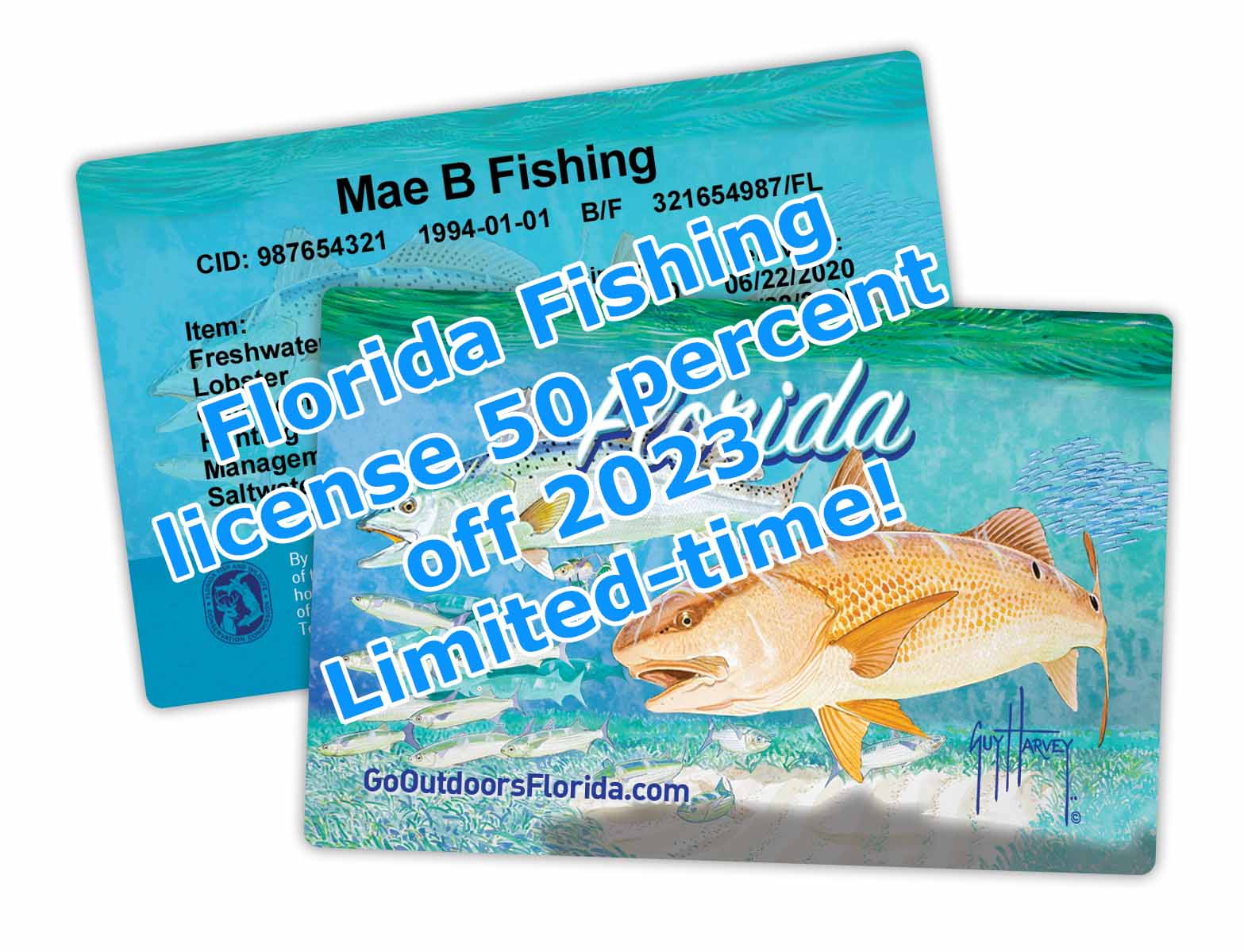
However, before you cast your line into [Florida]’s bountiful waters, understanding the legal requirements, particularly regarding fishing licenses, is paramount. This guide will delve into the intricacies of obtaining a [Florida] fishing license, detailing costs, types, and exemptions, while also exploring how this essential permit integrates into a broader travel and tourism experience in the state. From planning your ideal accommodation to discovering top fishing destinations and embracing responsible tourism, we’ll cover everything you need to know to make your [Florida] fishing trip a seamless and unforgettable adventure.
Understanding Florida’s Fishing License Requirements
Embarking on a fishing expedition in [Florida] requires adherence to specific regulations designed to conserve the state’s rich aquatic ecosystems. The cornerstone of these regulations is the fishing license, a mandatory permit for most individuals engaging in recreational fishing. Understanding who needs one, and who might be exempt, is the first step in planning your trip.
Who Needs a License and Who Doesn’t?
Generally, anyone aged 16 or older wishing to fish in [Florida]’s public waters, whether freshwater or saltwater, needs a valid recreational fishing license. This applies to both residents and non-residents. The revenue generated from license sales is crucial for funding the conservation efforts, habitat restoration, and enforcement activities undertaken by the [Florida] Fish and Wildlife Conservation Commission (FWC), ensuring that future generations can also enjoy the state’s natural beauty and angling opportunities.
However, there are several notable exemptions that can impact your travel planning:
- Children under 16: Anglers under the age of 16 are not required to have a fishing license. This makes [Florida] an excellent destination for family trips, allowing younger members to experience the thrill of fishing without an additional permit cost.
- [Florida] Residents 65 and Older: [Florida] residents who are 65 years of age or older are exempt from needing a recreational fishing license. They only need to possess proof of age and residency (such as a [Florida] driver’s license or ID card) when fishing.
- Fishing from a Licensed Pier: If you are fishing from a pier that has a valid pier fishing license, individual anglers are generally exempt from needing their own license. Many popular tourist attractions, especially along the coasts of St. Petersburg, Clearwater Beach, or Fort Lauderdale, offer this convenience.
- Fishing on a Charter or For-Hire Vessel: When you book a fishing trip with a licensed charter boat or for-hire vessel, the boat’s license typically covers all passengers. This is a popular option for tourists seeking a guided experience without the hassle of obtaining individual licenses or gear. Many Miami or Naples deep-sea fishing charters operate this way.
- License-Free Fishing Days: The FWC designates several license-free fishing days throughout the year, usually one in spring and one in fall for both freshwater and saltwater. These days provide an excellent opportunity for visitors and residents alike to try fishing without the need for a license, perfect for those on a budget travel plan or simply looking to try a new activity.
Understanding these exemptions is vital for efficient trip planning, allowing you to allocate your travel budget appropriately and avoid any unexpected legal issues.
Types of Licenses Available
[Florida] offers a range of fishing licenses tailored to different fishing preferences, residency statuses, and trip durations, catering to various travel lifestyles, from quick weekend getaways to extended stays.- Freshwater Fishing License: Required for fishing in inland waters, including lakes, rivers, and ponds. This is ideal for those targeting species like largemouth bass, crappie, and sunfish. Many of [Orlando]’s surrounding lakes, for example, are prime freshwater fishing spots.
- Saltwater Fishing License: Necessary for fishing in coastal waters, including the Gulf of Mexico, Atlantic Ocean, bays, and estuaries. This license covers species such as snapper, grouper, redfish, and trout. The entire coastline of [Florida], from the Panhandle down to the [Florida Keys], falls under this category.
- Combination Freshwater and Saltwater Fishing License: The most comprehensive option, covering both types of fishing. This is often the most convenient and cost-effective choice for anglers who plan to explore both inland and coastal waters during their visit to [Florida].
- Short-Term Licenses (Non-Resident Specific): Recognizing the needs of tourists and short-term visitors, [Florida] offers temporary non-resident licenses. These typically come in 3-day or 7-day increments, providing flexibility for those on a vacation itinerary. This is a perfect solution for travelers on a tight schedule, allowing them to enjoy a brief angling experience without committing to an annual license.
- Annual Licenses: Available for both residents and non-residents, these licenses are valid for one year from the date of purchase. They are the most economical choice for frequent visitors, seasonal residents, or anyone planning multiple fishing trips within a year.
- Special Endorsements: Certain popular species or activities may require additional permits or endorsements on top of the basic fishing license. For example, a Snook Permit is required to harvest snook, a highly sought-after game fish in [Florida]’s saltwater. A Lobster Permit is needed for recreational lobster harvesting, particularly popular during the mini-season in the [Florida Keys]. These endorsements contribute to specialized conservation efforts for these specific species.
Choosing the right license depends on your planned activities and duration of stay. For a short family trip, a 3-day non-resident saltwater license might suffice, especially if combined with a charter boat outing. For a longer exploration of [Florida]’s diverse aquatic landscapes, an annual combination license could be a better value.
Decoding the Costs: Florida Fishing License Fees
The cost of a [Florida] fishing license varies based on several factors, including your residency status, the type of water you plan to fish in (freshwater, saltwater, or both), and the duration of the license. While prices are subject to change, understanding the general structure helps in budgeting for your [Florida] travel experience.
Resident vs. Non-Resident Pricing
[Florida] residents typically enjoy lower license fees compared to non-residents. This pricing structure is common across many states, reflecting the idea that residents, through various taxes, contribute more consistently to state services and conservation efforts.Illustrative Price Ranges (as of recent years, always check official FWC website for current rates):
- [Florida] Resident Annual Freshwater Fishing License: Typically ranges from $17.00 – $20.00
- [Florida] Resident Annual Saltwater Fishing License: Typically ranges from $17.00 – $20.00
- [Florida] Resident Annual Combination Freshwater/Saltwater License: Usually around $32.00 – $35.00
For non-residents, the costs are higher but are still very reasonable for the opportunities they unlock:
- Non-Resident 3-Day Freshwater Fishing License: Around $17.00 – $20.00
- Non-Resident 7-Day Freshwater Fishing License: Around $30.00 – $35.00
- Non-Resident Annual Freshwater Fishing License: Around $47.00 – $50.00
- Non-Resident 3-Day Saltwater Fishing License: Around $17.00 – $20.00
- Non-Resident 7-Day Saltwater Fishing License: Around $30.00 – $35.00
- Non-Resident Annual Saltwater Fishing License: Around $47.00 – $50.00
- Non-Resident Annual Combination Freshwater/Saltwater License: Around $79.00 – $82.00
These prices are illustrative and are provided to give you a general idea for budgeting. It’s crucial to visit the official [Florida] Fish and Wildlife Conservation Commission (FWC) website or a licensed vendor for the most current and accurate pricing. For visitors on a budget, opting for a short-term license or taking advantage of a charter boat (where the boat’s license covers you) can be smart financial planning.
Additional Permits and Endorsements
As mentioned earlier, certain specialized fishing activities or target species require additional endorsements, each with its own fee. These include:
- Snook Permit: Roughly $10.00 – $12.00 for residents and non-residents.
- Lobster Permit: Roughly $5.00 – $6.00 for residents and non-residents.
- Tarpon Tag: Required for harvesting tarpon (catch-and-release is common, but a tag is needed for retention). This can be around $50.00 for residents and non-residents.
While these add to the overall cost, they are necessary for specific angling pursuits and directly contribute to the conservation and management of these particular fisheries. For lifestyle travelers interested in targeting trophy fish, these endorsements are a small price to pay for the unique experience.
Where to Purchase Your License
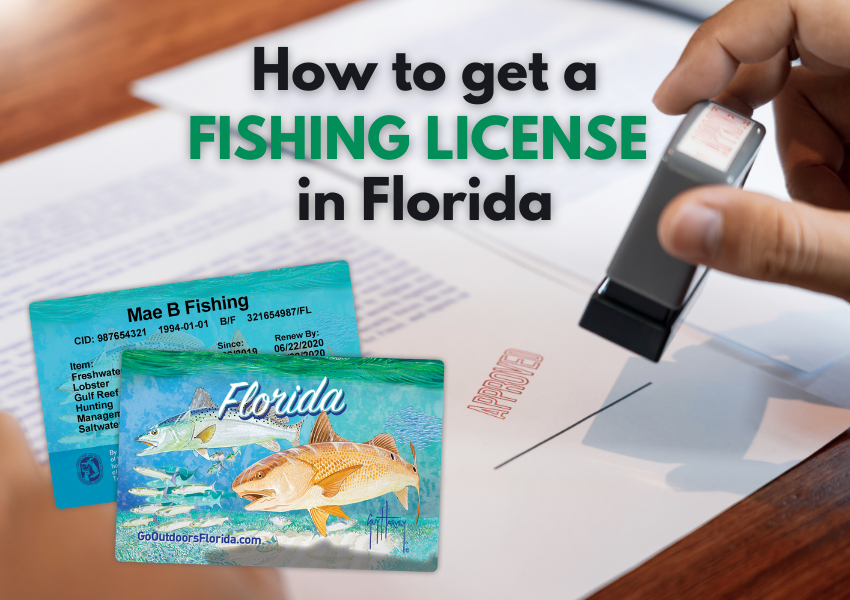
Obtaining a [Florida] fishing license is a straightforward process, designed for convenience, especially for tourists.
- Online: The quickest and easiest method is to purchase your license directly from the FWC website. This allows you to secure your license before you even arrive in [Florida], streamlining your travel plans. You can print a copy or save it on your mobile device.
- Phone: Licenses can also be purchased over the phone through the FWC’s licensing system.
- Retail Vendors: Many bait and tackle shops, sporting goods stores (like Bass Pro Shops or Dick’s Sporting Goods), and even some Walmart locations across [Florida] are authorized license vendors. This is particularly convenient if you’re already stopping to pick up gear or bait.
- County Tax Collectors’ Offices: These governmental offices also sell fishing licenses.
No matter which method you choose, ensure you have identification and proof of residency (if applicable) ready. The ease of purchase means you can seamlessly integrate this step into your broader itinerary, whether you’re staying in a bustling city like Tampa Bay or a remote fishing village.
Beyond the License: Planning Your Florida Fishing Adventure
Securing your fishing license is just the beginning of an incredible angling journey in [Florida]. The state’s diverse geography, vibrant tourism industry, and extensive accommodation options offer endless possibilities for crafting your perfect fishing-centric vacation.
Top Florida Fishing Destinations and Experiences
[Florida] is a mosaic of fishing environments, each offering a unique charm and target species. Connecting fishing to [Florida]’s broader identity as a travel destination allows for rich, immersive experiences.- The [Florida Keys]: Synonymous with world-class saltwater fishing, the [Keys] are a bucket-list destination for many anglers. From Islamorada, often dubbed the “Sportfishing Capital of the World,” to Key West, you can pursue tarpon, bonefish, permit (the “flats slam”), mahi-mahi, marlin, and sailfish. The laid-back local culture, stunning natural beauty, and vibrant marine life make it a truly memorable travel experience.
- Everglades National Park and Southwest [Florida]: For a unique blend of adventure and angling, the [Everglades National Park] offers incredible freshwater and brackish water fishing for largemouth bass, snook, and redfish amidst a stunning, biodiverse landscape. Nearby destinations like [Naples] and Sarasota provide access to the Gulf of Mexico for offshore excursions and calmer bay fishing. This area also boasts eco-tourism opportunities, adding another layer to your trip.
- Central [Florida] (Orlando Area Lakes): While [Orlando] is famous for Walt Disney World Resort and Universal Orlando Resort, its numerous large lakes (like Lake Okeechobee, Lake Toho, and the Harris Chain of Lakes) are renowned for trophy largemouth bass fishing. This makes for an excellent family trip, combining theme park thrills with tranquil fishing days.
- [Florida Panhandle]: The “Emerald Coast” offers spectacular fishing in the Gulf of Mexico, with Destin often called the “World’s Luckiest Fishing Village.” Here, you can target king mackerel, snapper, grouper, and amberjack. The stunning white sand beaches also make it a fantastic destination for combining fishing with relaxation and coastal attractions.
- [Tampa Bay] and Gulf Coast: The vast [Tampa Bay] estuary system is a prime spot for inshore fishing, with abundant redfish, snook, and trout. Offshore, the Gulf waters hold kingfish, barracuda, and various snapper and grouper species. Cities like [St. Petersburg] and [Clearwater Beach] offer vibrant tourism scenes, exquisite dining, and a range of accommodations to complement your fishing excursions.
Choosing Your Ideal Accommodation for Anglers
Your choice of accommodation can significantly enhance your fishing trip, aligning with your lifestyle preferences and budget.
- Luxury Resorts with Marinas: For those seeking a premium lifestyle experience, [Florida] offers numerous luxury resorts that cater specifically to anglers. Destinations like Hawks Cay Resort in the [Florida Keys] or Cheeca Lodge & Spa provide private marinas, charter services, fish cleaning stations, and upscale amenities. These resorts ensure a seamless experience, where your boat is docked just steps from your suite, and gourmet dining awaits after a day on the water.
- Vacation Rentals and Apartments: For families, groups, or longer stays, renting a villa, apartment, or house can be a cost-effective and convenient option. Many rentals, particularly in coastal towns, come equipped with private docks, fish cleaning stations, and full kitchens, allowing for self-catering and a more local, authentic experience. This option suits budget travel and those who prefer home-like comforts.
- Budget-Friendly Hotels and Motels: If your priority is maximizing fishing time while minimizing accommodation costs, numerous budget-friendly hotels and motels are available near popular fishing spots. These often provide essential amenities and allow you to allocate more of your budget towards charters, gear, or exploring local food and attractions.
- Camping and RV Parks: For the adventurous and truly budget-conscious traveler, [Florida]’s state parks and private campgrounds offer primitive camping or RV sites near prime fishing locations. This allows for an immersive nature experience, perfect for those seeking to connect deeply with [Florida]’s natural landmarks.
When booking accommodation, consider proximity to fishing access points, boat ramps, bait shops, and charter services. Reading reviews specifically from other anglers can provide valuable insights into a property’s suitability for a fishing trip.
Responsible Tourism and Conservation
The pleasure of fishing in [Florida] comes with the responsibility of preserving its natural resources for future generations. Your fishing license fee directly contributes to these conservation efforts. Practicing responsible tourism involves several key aspects:
- Understanding Regulations: Always be aware of current bag limits, size restrictions, and closed seasons for specific species. These rules are in place to ensure sustainable fishing.
- Catch and Release: Consider practicing catch and release, especially for vulnerable species or if you’ve already met your bag limit. Handle fish carefully to ensure their survival.
- Protecting Habitats: Avoid littering, do not disturb sensitive ecosystems like seagrass beds or coral reefs, and use environmentally friendly fishing practices.
- Supporting Local Businesses: When hiring guides, buying bait, or dining out, support local businesses that often have a vested interest in maintaining healthy fisheries and a thriving local culture.
By adhering to these principles, you contribute positively to [Florida]’s tourism landscape and ensure that the state remains a premier fishing destination.
Maximizing Your Florida Fishing Trip
Beyond the essentials of licenses and accommodation, a few additional tips can help you get the most out of your [Florida] fishing adventure.
Essential Gear and Local Insights
While charter boats typically provide all necessary gear, independent anglers will need to bring or acquire their own. This includes appropriate rods and reels for your target species (light tackle for inshore, heavy tackle for offshore), various baits (live shrimp, cut bait, artificial lures), and a well-stocked tackle box. Sun protection (hats, sunglasses, sunscreen) is crucial in [Florida]’s climate.
However, local insights are often more valuable than any piece of gear. Engage with local bait shop owners, hire a reputable guide for at least one day, or consult online forums specific to your chosen destination. They can provide up-to-date information on hot spots, seasonal patterns, and effective techniques, significantly increasing your chances of success. This local knowledge is an invaluable part of the tourism experience.
Beyond Fishing: Exploring Florida’s Charms
Even if fishing is the primary purpose of your trip, remember that [Florida] offers a wealth of other attractions and experiences. Integrate these into your itinerary to create a well-rounded vacation.
- Beaches: Take a day off from fishing to relax on [Florida]’s world-famous beaches, from the lively shores of South Beach in [Miami] to the serene stretches of the Gulf Coast.
- Theme Parks: For family trips, a visit to [Walt Disney World Resort] or [Universal Orlando Resort] can create unforgettable memories, balancing fishing days with thrilling entertainment.
- Nature and Wildlife: Explore other natural landmarks like Biscayne National Park or Big Cypress National Preserve, go kayaking through mangroves, or observe manatees and dolphins in their natural habitat.
- Culture and Food: Indulge in [Florida]’s diverse culinary scene, from fresh seafood shacks to upscale dining. Explore historical districts, art galleries, and vibrant local markets that reflect the state’s unique heritage.
A [Florida] fishing trip isn’t just about catching fish; it’s about embracing a lifestyle, connecting with nature, enjoying world-class travel destinations, and creating lasting memories.
In conclusion, obtaining a [Florida] fishing license is a simple yet essential step towards unlocking an incredible array of angling adventures in the Sunshine State. With options tailored for residents and non-residents, short visits and annual enthusiasts, the cost is a small investment for the immense recreational and environmental value it provides. By understanding the requirements, choosing the right license, and planning your trip thoughtfully—from selecting the perfect accommodation to exploring [Florida]’s myriad other attractions—you are poised for an unforgettable experience that combines the thrill of the catch with the beauty and hospitality of one of America’s most beloved travel destinations. So, cast your worries aside, secure your license, and prepare to discover the angling paradise that awaits you in [Florida]!
LifeOutOfTheBox is a participant in the Amazon Services LLC Associates Program, an affiliate advertising program designed to provide a means for sites to earn advertising fees by advertising and linking to Amazon.com. Amazon, the Amazon logo, AmazonSupply, and the AmazonSupply logo are trademarks of Amazon.com, Inc. or its affiliates. As an Amazon Associate we earn affiliate commissions from qualifying purchases.