
Big Bear California, a name synonymous with picturesque mountain escapes and year-round adventure, beckons travelers from across the globe. While its reputation as a premier destination for skiing, snowboarding, hiking, and lake activities is well-established, many curious explorers often begin their journey with a fundamental question: exactly where is this idyllic mountain town nestled within the Golden State? Understanding Big Bear’s precise location is not merely a geographical exercise; it’s the key to unlocking the full spectrum of experiences it offers, from convenient travel planning to appreciating its unique climate and natural beauty.
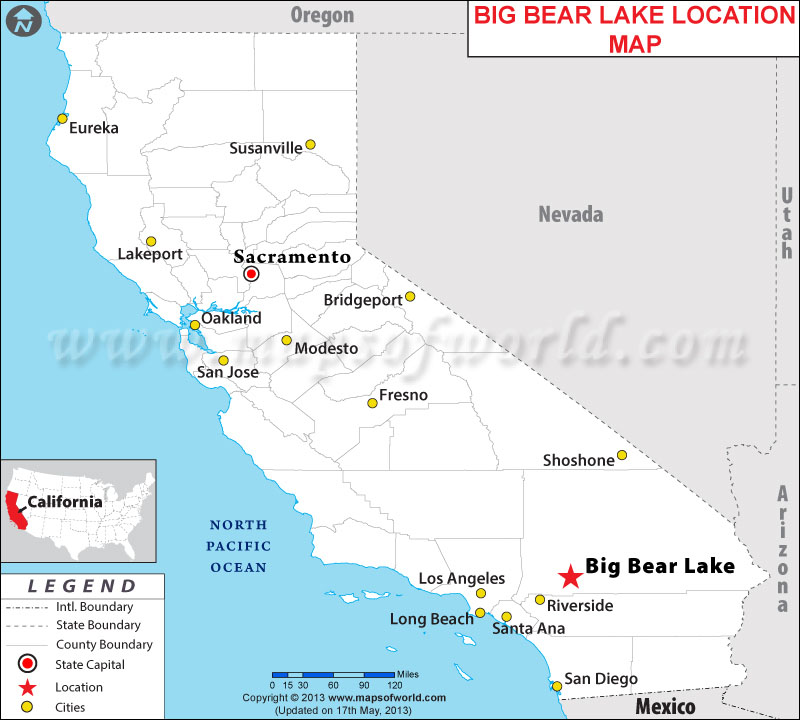
This comprehensive guide will delve deep into the geographical positioning of Big Bear, exploring its regional context, accessibility, and the profound impact its location has on its identity as a vibrant tourist destination and a sought-after lifestyle hub. Whether you’re planning a thrilling winter sports getaway, a serene summer retreat by the lake, or simply curious about this iconic California gem, this article will provide all the insights you need to pinpoint Big Bear on the map and understand why its location is integral to its charm.
Pinpointing Big Bear’s Location: A Mountain Oasis in Southern California
Big Bear Lake and the surrounding communities of Big Bear Lake and Big Bear City are strategically situated in the heart of the San Bernardino Mountains in Southern California. This prime mountain placement is what defines much of its character, offering a stark contrast to the sprawling urban landscapes and coastal plains below.
Geographical Coordinates and Regional Context
Geographically, Big Bear Lake is roughly located at latitude 34.2430° N and longitude 116.9114° W. It resides within the San Bernardino National Forest, a vast expanse of protected wilderness that contributes significantly to the area’s pristine environment and abundant outdoor recreational opportunities. The average elevation of the Big Bear region hovers around 6,750 feet (2,058 meters) above sea level, with some surrounding peaks reaching over 8,000 feet. This elevation is crucial, as it provides the colder temperatures necessary for consistent snowfall in winter and a refreshing escape from the summer heat experienced in lower elevations.
The town itself is primarily clustered around the shores of Big Bear Lake, an artificial lake spanning approximately seven miles in length and one mile in width. The communities of Big Bear Lake and Big Bear City form the core of the developed area, with charming neighborhoods like Fawnskin, Moonridge, and Sugarloaf contributing to its diverse residential and tourist landscape. Its location within the Inland Empire region of California positions it as a readily accessible mountain retreat for millions of residents and visitors alike.
Proximity to Major California Cities
One of Big Bear’s most significant advantages is its relative proximity to several major metropolitan areas in Southern California, making it an ideal weekend getaway or a short road trip destination.
- Los Angeles: Approximately 100 miles (160 km) east of downtown Los Angeles. The drive typically takes between 2 to 3 hours, depending on traffic and road conditions. This makes it a popular escape for urban dwellers seeking fresh air and nature.
- Orange County: Located about 90 miles (145 km) northeast of Orange County. The travel time is similar to that from Los Angeles, making it highly accessible for residents of cities like Santa Ana and Irvine.
- San Diego: Situated roughly 150 miles (240 km) northeast of San Diego. The drive usually takes 2.5 to 3.5 hours, offering a mountain contrast to San Diego’s coastal vibe.
- Riverside: The closest major city, Riverside is approximately 60 miles (97 km) west, with a driving time of about 1.5 to 2 hours. This close proximity makes Big Bear a frequent destination for residents of the Inland Empire.
- Palm Springs: For those coming from the desert, Big Bear is roughly 75 miles (120 km) northwest of Palm Springs, offering a significant change in elevation and climate within a relatively short drive.
These strategic distances highlight Big Bear’s appeal as an accessible yet distinct destination, offering a refreshing change of scenery and climate without requiring extensive travel time.
Accessibility and Driving Routes
Accessing Big Bear California primarily involves scenic drives up winding mountain roads. The journey itself is often considered part of the experience, offering breathtaking views as you ascend into the pine-covered peaks.
The main routes into Big Bear are:
- Highway 330 to Highway 18 (The “Rim of the World Highway”): This is the most common and direct route from the west (e.g., Los Angeles, Orange County, Riverside). Highway 18 offers stunning panoramic vistas but can be narrow and winding.
- Highway 38 (from the East): This route, often preferred for its slightly gentler ascent, comes from the Redlands area and winds through the scenic San Bernardino National Forest, passing through smaller communities like Angelus Oaks and Onyx.
- Highway 18 (from the North/East): For those approaching from the Victorville or Apple Valley areas, Highway 18 also serves as a direct access point.
During winter months, chain control regulations are frequently enforced on these highways, requiring drivers to carry or install tire chains, especially for two-wheel-drive vehicles. It’s always advisable to check road conditions before heading up the mountain.
For air travel, the closest major airport is Ontario International Airport (ONT), located about 60 miles (97 km) west of Big Bear. Other regional airports include San Bernardino International Airport (SBD) and the smaller Big Bear City Airport (L35), which primarily serves private aircraft. While there is no direct public transport to Big Bear, shuttle services and ride-sharing options are available from major airports.
Why Big Bear’s Location Matters: A Hub for Tourism and Lifestyle
The strategic location of Big Bear is not just a matter of geography; it is the fundamental reason for its thriving tourism industry and distinctive mountain lifestyle. Its position within the San Bernardino Mountains allows it to offer experiences that are unique within Southern California, distinguishing it from coastal towns or desert resorts.
A Four-Season Destination
Big Bear’s elevation and inland mountain location grant it the rare distinction of being a true four-season destination. This makes it appealing for diverse travel preferences and continuous tourist traffic throughout the year.
- Winter Wonderland: From November to April, Big Bear transforms into a snowy paradise, attracting hordes of winter sports enthusiasts. The reliable snowfall (often supplemented by snowmaking capabilities) makes it a prime spot for skiing and snowboarding at Big Bear Mountain Resort, which comprises two premier parks: Snow Summit and Bear Mountain. Other winter activities include tubing at Alpine Slide at Magic Mountain, cross-country skiing, and snowshoeing.
- Spring Blooms: As the snow melts, the mountains burst into life with vibrant wildflowers, making it an ideal time for scenic drives, early-season hiking, and fishing as the lake thaws.
- Summer Escape: Summers in Big Bear are a cool retreat from the scorching heat of the Southern California lowlands. Big Bear Lake becomes the focal point, offering boating, jet-skiing, paddleboarding, kayaking, and fishing. The surrounding forests are perfect for mountain biking, hiking, and ziplining.
- Autumn Splendor: Fall brings a spectacular display of changing leaves, particularly aspens and oaks, painting the mountainsides in hues of gold, red, and orange. This season is popular for scenic drives, hiking, and harvest festivals.
This year-round appeal ensures that Big Bear is consistently ranked high among destinations that offer varied activities and experiences, catering to different interests and age groups.
Natural Landmarks and Outdoor Adventures
The very essence of Big Bear’s allure lies in its natural surroundings, made possible by its location within the vast San Bernardino National Forest.
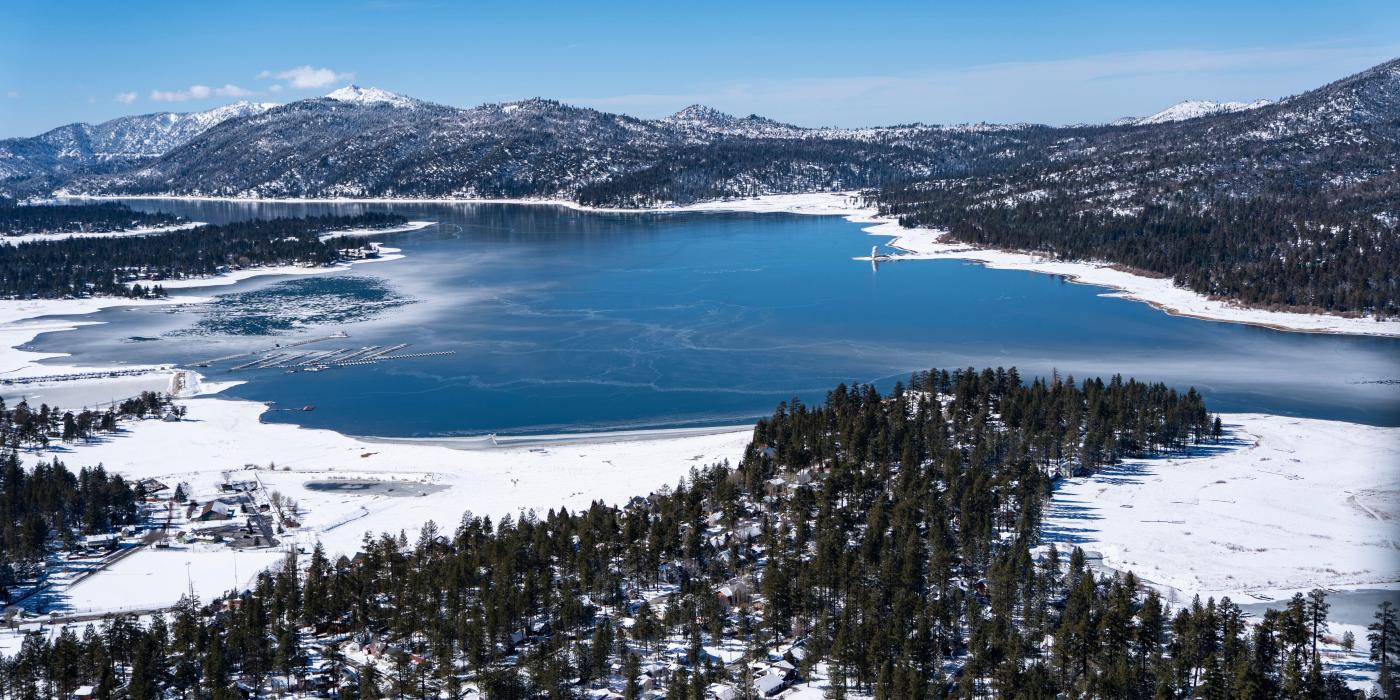
- Big Bear Lake: The jewel of the region, this lake is the primary attraction for water-based activities. Its high altitude and clean waters make it a fantastic spot for fishing, particularly for trout.
- Big Bear Mountain Resort: Home to Snow Summit and Bear Mountain, these resorts are not just for winter. In summer, they transform into mountain biking parks, scenic sky chair rides, and offer zip-lining and ropes courses, providing year-round thrills.
- Hiking and Biking Trails: The San Bernardino National Forest boasts an extensive network of trails, suitable for all levels. From leisurely strolls along the lake shore to challenging climbs on the Skyline Trail, hikers and mountain bikers can explore diverse terrain and enjoy breathtaking views. Segments of the famous Pacific Crest Trail are also accessible nearby.
- Unique Ecosystems: The high-altitude environment supports unique flora and fauna, offering opportunities for wildlife viewing and nature photography. The Big Bear Alpine Zoo, a rehabilitation facility for injured and orphaned wildlife, provides an intimate look at some of the region’s inhabitants.
These natural landmarks and the activities they enable define the adventurous and nature-centric lifestyle that draws visitors and residents to Big Bear.
Accommodation and Hospitality in the Heart of the Mountains
Given its status as a premier tourist destination, Big Bear’s hospitality sector is robust and diverse, offering a wide array of accommodation options to suit every taste, budget, and travel style. The unique mountain setting significantly influences the types of lodging available, emphasizing rustic charm, cozy comforts, and scenic views.
Diverse Lodging Options
The range of accommodation in Big Bear is extensive, reflecting the varied needs of its visitors, from solo adventurers to large family groups or business retreat attendees.
- Hotels and Resorts: For those seeking full-service amenities, traditional hotels and resorts are plentiful. These often feature amenities such as swimming pools, spas, on-site dining, and concierge services. Their proximity to ski resorts or the lake makes them highly desirable.
- Cabins and Vacation Rentals: Perhaps the most iconic lodging option in Big Bear are its charming cabins and vacation homes. Ranging from quaint, rustic cottages to luxurious, multi-bedroom chalets, these offer a home-away-from-home experience, often equipped with full kitchens, fireplaces, and hot tubs. They are ideal for families, groups, or those planning longer stays. Websites for booking these are incredibly popular for Big Bear travel.
- Bed & Breakfasts and Boutique Inns: For a more intimate and personalized experience, Big Bear boasts several delightful B&Bs. These establishments often feature unique decor, gourmet breakfasts, and personalized service, providing a romantic or tranquil escape.
- Apartments and Villas: While less common than cabins, some modern apartment-style accommodations and larger villas are available, particularly for those seeking contemporary living spaces or larger group bookings.
- Long-Term Stay Options: For those looking to immerse themselves in the mountain lifestyle for an extended period, many cabins and properties offer competitive rates for long-term rentals, appealing to remote workers or seasonal residents.
The abundance and variety of choices underscore Big Bear’s commitment to hospitality, ensuring that every visitor finds their perfect mountain haven.
Top Picks for a Memorable Stay
While specific recommendations can change, certain types of establishments consistently deliver excellent experiences in Big Bear, often capitalizing on their unique location and amenities.
- Luxury Mountain Resorts: For an upscale experience, properties like The Lodge at Big Bear Lake (a fictional example of a high-end resort for linking purposes) might offer ski-in/ski-out access, gourmet dining, and spa services, catering to those who prefer luxury travel. Such resorts provide comprehensive services, allowing guests to relax and indulge fully.
- Lakeside Retreats: Hotels or cabins directly on or near Big Bear Lake are highly sought after, especially in summer. A hypothetical Big Bear Lakefront Resort (another fictional example) would provide immediate access to water sports and stunning lake views, appealing to families and water enthusiasts.
- Cozy Cabin Rentals in Big Bear Village: For those who love the charm of a mountain town, renting a cabin within walking distance of Big Bear Village offers convenience to shops, restaurants, and local attractions. These often blend rustic aesthetics with modern comforts, providing an authentic mountain living experience.
When booking, it is always advisable to consider the season, desired activities, and group size to ensure the accommodation perfectly complements your Big Bear adventure. Reviews and comparisons across various booking platforms are invaluable tools for making informed decisions.
Big Bear Lifestyle and Experiences Beyond the Map
Beyond its geographical coordinates and natural beauty, Big Bear’s location fosters a distinctive lifestyle and a rich tapestry of experiences that extend beyond mere sightseeing. Its isolated yet accessible position creates a unique blend of small-town charm and resort-town amenities.
Local Culture and Culinary Delights
The culture of Big Bear is deeply rooted in its mountain heritage and the spirit of outdoor adventure. It’s a place where friendly faces are common, and the pace of life slows down, offering a refreshing contrast to the hustle of city living.
- Mountain Town Vibe: The quaint streets of Big Bear Village are the heart of local culture, featuring independent boutiques, art galleries, and souvenir shops. Throughout the year, the village hosts various festivals and events, from classic car shows to Oktoberfest celebrations, reflecting the community’s vibrant spirit. The area also boasts a fascinating history, tracing back to the Gold Rush era, which can be explored at the Big Bear Historical Museum.
- Culinary Scene: Dining in Big Bear ranges from casual eateries to upscale restaurants, many offering hearty mountain-inspired cuisine. Popular local spots like Grizzly Manor Cafe are famous for their generous breakfasts, embodying the unpretentious, friendly atmosphere of the town. Whether you’re craving a gourmet meal after a day on the slopes or a simple burger by the lake, the local food scene caters to all palates, often emphasizing comfort food that complements the brisk mountain air.
- Community Events: The sense of community is strong, with numerous events throughout the year, from farmers’ markets in summer to holiday light parades in winter. These events provide opportunities for visitors to experience local life and connect with the community.
Tailored Travel Experiences
Big Bear’s diverse offerings allow travelers to tailor their experiences, fitting various lifestyles and budgets. The flexibility afforded by its location and infrastructure makes it a versatile destination.
- Budget Travel vs. Luxury Travel: Big Bear accommodates both ends of the spectrum. Budget travelers can find affordable cabins or campsites within the National Forest, while luxury seekers can indulge in high-end resorts, private chef services, and premium outdoor guided tours (such as those offered by Action Tours, a general example of a tour operator). This versatility ensures that a mountain getaway is accessible to a broad audience.
- Family Trips and Romantic Getaways: For families, Big Bear is a playground of activities, from the Big Bear Alpine Zoo to the Alpine Slide at Magic Mountain, and the myriad lake activities at Big Bear Marina. Couples, on the other hand, can enjoy secluded cabins, romantic dinners, and serene hikes, creating unforgettable moments in a picturesque setting.
- Business Stays and Retreats: The availability of meeting facilities and spacious rental properties also makes Big Bear an attractive location for corporate retreats or team-building events, offering a refreshing change from traditional urban conference venues. The inspiring mountain environment can foster creativity and collaboration.
The distinct lifestyle of Big Bear, shaped by its unique location, invites visitors to not just observe but actively participate in the rhythm of mountain living, creating memories that extend far beyond a typical vacation.

Conclusion
In summation, Big Bear California’s location is far more than a point on a map; it is the very foundation of its identity as a premier destination. Nestled high in the San Bernardino Mountains of Southern California, it strikes a perfect balance between serene mountain isolation and convenient accessibility to millions of urban dwellers. Its elevation ensures a refreshing four-season climate, transforming it into a winter wonderland for snow sports and a cool, lake-centric haven in the summer.
This unique geographical positioning directly fuels its robust tourism sector, offering an unparalleled array of outdoor adventures, from skiing and snowboarding at Big Bear Mountain Resort to boating and hiking around Big Bear Lake. Furthermore, Big Bear’s location shapes its diverse hospitality landscape, providing everything from luxurious resorts and charming B&Bs to cozy, amenity-rich cabin rentals, ensuring that every traveler finds their ideal retreat. Beyond the physical attributes, the mountain setting cultivates a distinctive lifestyle, characterized by a welcoming community, unique culinary experiences, and the flexibility to craft tailored travel experiences—whether for budget-conscious explorers, luxury-seeking vacationers, adventurous families, or romantic couples.
Ultimately, understanding “Where is Big Bear California located?” unlocks a deeper appreciation for this extraordinary destination. It reveals a place where nature’s grandeur meets human hospitality, creating an unforgettable escape that continually draws visitors back to its majestic mountain embrace.
LifeOutOfTheBox is a participant in the Amazon Services LLC Associates Program, an affiliate advertising program designed to provide a means for sites to earn advertising fees by advertising and linking to Amazon.com. Amazon, the Amazon logo, AmazonSupply, and the AmazonSupply logo are trademarks of Amazon.com, Inc. or its affiliates. As an Amazon Associate we earn affiliate commissions from qualifying purchases.