
Florida, often known as the Sunshine State, is a vibrant tapestry of cultures, breathtaking natural beauty, and bustling tourist destinations. From the pristine beaches of the Gulf Coast to the lively streets of Miami, and the magical theme parks of Orlando, it attracts millions of visitors and new residents each year. This unique blend creates a dynamic environment ripe for philanthropic endeavors. If you’re passionate about making a positive impact and are considering establishing a nonprofit organization, Florida offers a fertile ground for your mission. Whether your goal is to preserve natural landmarks, support local communities, promote arts and culture, or provide essential services, understanding the landscape and the process is your first step toward success.

Understanding the Landscape of Nonprofits in Florida
Florida’s diverse environment—ranging from urban centers like Tampa and Jacksonville to ecological wonders like the Everglades National Park and the Florida Keys—provides a unique backdrop for nonprofit operations. The continuous influx of tourism and a growing population bring both opportunities and challenges that nonprofits are uniquely positioned to address.
Why Florida is a Prime Location for Philanthropy
The sheer scale of travel and lifestyle diversity in Florida makes it an attractive hub for nonprofit work. Its economy heavily relies on sectors like tourism, hospitality (including a vast array of hotels, resorts, and accommodation options), and real estate. This dynamic environment means there’s a constant need for organizations that can fill gaps in social services, environmental protection, cultural enrichment, and community development.
Consider a nonprofit focused on marine conservation in the Florida Keys, where coral reefs are a major attraction but face significant threats. Or perhaps a cultural heritage organization in St. Augustine, America’s oldest continuously inhabited European-established settlement, working to preserve its rich history and architecture. The state’s appeal to diverse demographics—from retirees seeking a relaxed lifestyle to young families drawn to attractions like Walt Disney World Resort in Orlando—also means a broad base of potential volunteers, donors, and beneficiaries. The strong sense of community in many Florida towns, coupled with a philanthropic spirit, fosters an environment where dedicated nonprofits can truly thrive.
Types of Nonprofits Thriving in the Sunshine State
Given Florida’s characteristics, several types of nonprofits find particular success:
- Environmental Conservation: Protecting the state’s unique ecosystems, from the Everglades wetlands to the Atlantic Coast beaches, is a critical mission. Organizations focusing on wildlife preservation, habitat restoration, and marine protection are vital.
- Arts and Culture: With cities like Sarasota renowned for its arts scene and historical sites scattered across the state, nonprofits dedicated to promoting local culture, supporting artists, and preserving historical landmarks play a significant role in enriching residents’ and visitors’ experiences.
- Community Development and Social Services: Addressing the needs of growing populations, especially in urban centers and areas heavily impacted by tourism, is crucial. This includes nonprofits focused on housing, education, healthcare, youth programs, and support for vulnerable populations.
- Tourism and Economic Development: Some nonprofits work directly or indirectly to enhance sustainable tourism practices, promote local businesses, or provide workforce development for the hospitality sector, ensuring that the benefits of travel are distributed equitably.
Understanding these thriving sectors can help you identify a niche where your passion aligns with a genuine need within the Sunshine State.
The Essential Steps to Establishing Your Florida Nonprofit
Starting a nonprofit organization in Florida involves several critical legal and administrative steps. While the process can seem daunting, breaking it down into manageable stages will help you navigate the requirements effectively.
Laying the Foundation: Planning and Vision
Before diving into paperwork, thorough planning is paramount. This initial phase defines your organization’s purpose and strategy.
- Develop a Clear Mission and Vision Statement: This is the bedrock of your nonprofit. What problem will you solve? Who will you serve? How will you make a difference? A clear mission guides all future decisions and resonates with potential donors, volunteers, and beneficiaries. For instance, a nonprofit might aim “To preserve the natural beauty and ecological integrity of the Everglades National Park through public education and direct conservation efforts.”
- Conduct a Needs Assessment: Research the specific community or issue your nonprofit will address. Are there existing organizations doing similar work? How can your organization offer unique value or fill an unmet need? This due diligence ensures your efforts are impactful and avoids duplication.
- Assemble a Board of Directors: A strong, diverse board is crucial for governance, fundraising, and strategic guidance. Board members should bring a variety of skills (legal, financial, marketing, community relations) and a deep commitment to your mission. In Florida, a minimum of three directors is typically required. Their diverse perspectives can be invaluable, perhaps even including individuals with expertise in sustainable tourism, hospitality management, or environmental science, depending on your focus.
- Create a Business Plan: Even nonprofits need a robust plan. This should outline your programs, fundraising strategies, operational budget, marketing approach, and key performance indicators. It serves as a roadmap for your organization’s initial years and is essential for securing funding.
Navigating the Legalities: From State to Federal
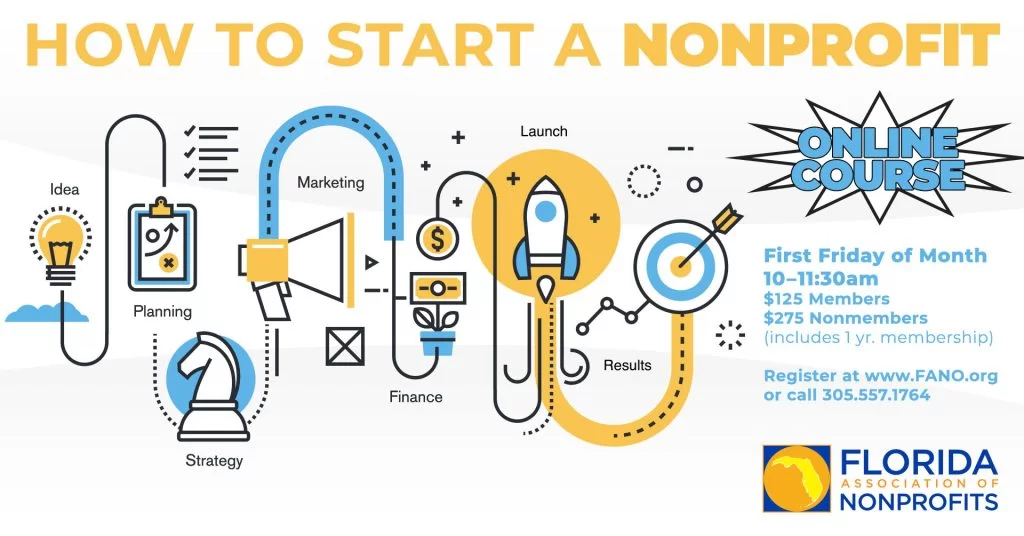
Once your foundational planning is complete, the next phase involves legally establishing your nonprofit entity.
- Incorporate in Florida:
- Choose a Name: Select a unique name for your organization that hasn’t already been registered in Florida. You can check availability through the Florida Department of State, Division of Corporations website.
- File Articles of Incorporation: This document formally establishes your nonprofit corporation with the Florida Department of State. It typically includes the corporate name, principal office address, purpose (which must be charitable, educational, religious, or scientific to qualify for federal tax exemption), registered agent information, and the names and addresses of initial directors. It’s crucial that the language in your Articles of Incorporation meets the requirements for federal 501(c)(3) status.
- Draft Bylaws: These are the internal rules governing your organization’s operations, including board member duties, meeting procedures, and decision-making processes. They provide structure and ensure good governance.
- Obtain an Employer Identification Number (EIN): After incorporation, you’ll need to apply for an EIN from the IRS (Internal Revenue Service). This nine-digit number is like a social security number for your organization and is required for opening a bank account, filing tax returns, and hiring employees.
- Apply for 501(c)(3) Tax-Exempt Status: This is the most crucial step for most nonprofits, as it grants federal tax exemption and allows donors to deduct contributions.
- Prepare Form 1023: This lengthy application is submitted to the IRS and requires detailed information about your organization’s purpose, activities, financial data, and governance structure. The IRS will review this to ensure your organization meets the criteria for tax-exempt status under Section 501(c)(3) of the Internal Revenue Code.
- Consider Expedited Processing: In certain circumstances, such as organizations providing disaster relief, expedited processing may be possible. Given Florida’s susceptibility to hurricanes and other natural events, some nonprofits might qualify.
- Register for State Tax Exemptions (If Applicable): While 501(c)(3) grants federal exemption, you may need to apply for state-specific exemptions, such as sales tax exemption. This typically involves registering with the Florida Department of Revenue.
- Register to Solicit Funds: If your nonprofit plans to solicit charitable contributions from the public in Florida, you must register with the Florida Department of Agriculture and Consumer Services (FDACS) before commencing fundraising activities. This ensures transparency and protects donors.
Post-Establishment: Compliance and Growth
Establishing your nonprofit is just the beginning. Ongoing compliance and strategic growth are vital for long-term success.
- Maintain Annual Compliance:
- Annual Corporate Report: File an annual report with the Florida Department of State to keep your corporate registration active.
- IRS Form 990: Submit an annual informational return (Form 990, 990-EZ, or 990-N, depending on your gross receipts) to the IRS. Failure to file for three consecutive years can result in automatic revocation of your 501(c)(3) status.
- Renew Charitable Solicitation Registration: Renew your registration with the Florida Department of Agriculture and Consumer Services annually.
- Develop Fundraising Strategies: Sustaining your mission requires consistent funding. Explore diverse sources like individual donors, corporate sponsorships (perhaps from local hotels or resorts), grants from foundations, and public fundraising events. Consider the role of lifestyle preferences in your fundraising – appealing to those interested in luxury travel for high-net-worth donations, or budget travel for broader community engagement through smaller contributions.
- Implement Strong Governance: Adhere to your bylaws, hold regular board meetings, and ensure transparency in all operations. Ethical leadership builds trust and strengthens your organization’s reputation.
- Build Community Relationships: Engage with local leaders, businesses, other nonprofits, and community members. Collaborative efforts can amplify your impact and build a strong support network. For a nonprofit focused on sustainable tourism in Key West, this might involve partnering with local tour operators and accommodation providers.
Leveraging Florida’s Unique Appeal for Nonprofit Success
Florida’s distinct characteristics offer unparalleled opportunities for nonprofits to flourish, especially those that align with its core industries and values.
Engaging with Florida’s Diverse Communities and Visitors
The state’s demographic makeup and its status as a global travel destination present unique avenues for engagement. Nonprofits can harness this diversity for greater impact.
- Tailoring Programs to Local Culture and Needs: In regions like Miami, with its rich Latin culture, nonprofits can design programs that resonate with specific cultural nuances and linguistic needs. Similarly, a nonprofit in Orlando might focus on supporting families who work in the theme park industry, understanding their unique challenges.
- Harnessing Volunteer Tourism: Florida attracts millions of tourists annually. Some visitors, particularly those interested in experiential travel, might be willing to dedicate part of their trip to volunteer activities. A coastal conservation nonprofit, for instance, could organize beach clean-ups that engage tourists looking for meaningful experiences beyond typical attractions. This not only provides manpower but also raises awareness among a global audience.
- Partnering with the Hospitality Sector: Hotels, resorts, and other accommodation providers often seek opportunities for corporate social responsibility. Nonprofits can collaborate with these businesses for fundraising events, in-kind donations, or even by offering guests options to contribute to local causes. Imagine a resort in Naples offering guests the chance to donate to a local wildlife sanctuary upon checkout.
The Role of Nonprofits in Preserving Florida’s Treasures
From historical sites to unparalleled natural wonders, Florida’s appeal is intrinsically linked to its irreplaceable assets. Nonprofits are key guardians of these treasures.
- Protecting Natural Landmarks: Organizations dedicated to the Everglades, the Florida Keys National Marine Sanctuary, or the state’s numerous springs ensure that these natural habitats remain vibrant for both wildlife and future generations of visitors. Their work often involves advocacy, scientific research, and direct conservation efforts, which enhance the state’s appeal as an ecotourism destination.
- Preserving Historical Sites and Architecture: Nonprofits focused on historical preservation in places like St. Augustine, Pensacola, or Ybor City (Tampa) play a crucial role in maintaining the authenticity and character of Florida’s past. They often manage museums, conduct educational programs, and advocate for the protection of historic buildings, enriching the cultural tourism experience.
- Promoting Sustainable Practices: As tourism grows, so does the imperative for sustainability. Nonprofits can lead the charge in advocating for eco-friendly travel and accommodation practices, educating visitors and locals alike on responsible enjoyment of Florida’s resources.
Sustaining Your Mission: Fundraising and Community Support
A nonprofit’s longevity depends on its ability to secure funding and build lasting community relationships. Florida’s unique economic and social fabric offers specific advantages.
- Tapping into the Philanthropic Community: Florida is home to many philanthropic individuals and foundations, particularly those with an interest in environmental protection, education, and arts and culture. Building relationships with these potential donors is vital. Consider events that align with the high-end lifestyle of some residents and visitors, such as galas at luxury resorts or exclusive tours of preserved natural areas.
- Engaging the Travel and Tourism Industry: Given the industry’s prominence, many travel and tourism businesses have a vested interest in community well-being and environmental health. Partnerships with airlines, hotel chains, attraction operators, and cruise lines can provide significant funding, in-kind support, and promotional opportunities. A nonprofit focused on assisting low-income families with educational trips to local museums, for instance, could seek sponsorship from a regional airline or a major resort.
- Leveraging Florida’s Events and Festivals: The state hosts countless festivals and events year-round, from art shows in Sarasota to music festivals in Miami. These can be excellent platforms for fundraising, volunteer recruitment, and public awareness campaigns. Setting up a booth at a popular local festival could be an effective way to reach both residents and tourists.
Starting a nonprofit in Florida is a journey that combines administrative rigor with passionate advocacy. By understanding the unique opportunities the Sunshine State offers, from its diverse population and booming tourism industry to its irreplaceable natural and historical landmarks, your organization can not only establish itself legally but also build a powerful, sustainable force for good. The pathway to making a significant impact lies in diligent planning, meticulous execution of legal requirements, and a deep engagement with the communities and visitors who make Florida so special.
LifeOutOfTheBox is a participant in the Amazon Services LLC Associates Program, an affiliate advertising program designed to provide a means for sites to earn advertising fees by advertising and linking to Amazon.com. Amazon, the Amazon logo, AmazonSupply, and the AmazonSupply logo are trademarks of Amazon.com, Inc. or its affiliates. As an Amazon Associate we earn affiliate commissions from qualifying purchases.