
Navigating the vibrant landscape of New York State offers a kaleidoscope of experiences, from the bustling avenues of New York City to the serene majesty of the Adirondacks. Whether you’re planning a luxurious escape, a budget-friendly adventure, or even considering a move for a new lifestyle, understanding the economic underpinnings, particularly the minimum wage, is crucial. For travelers, this knowledge can help in budgeting for services and understanding the local economy. For those considering seasonal work in the hospitality sector, it’s a direct determinant of their potential earnings and ability to experience the state’s diverse offerings.
The minimum wage in New York State isn’t a single, monolithic figure. It’s a dynamic policy shaped by regional economic disparities, cost of living, and legislative efforts to ensure a living wage. This article delves into the current minimum wage rates, their historical trajectory, and most importantly, how these figures intersect with the experiences of travel, tourism, accommodation, and lifestyle across the Empire State. From the iconic landmarks to hidden local gems, understanding the economic context enriches every facet of a New York journey.
Understanding New York’s Minimum Wage Landscape
New York State’s approach to minimum wage is designed to address the significant differences in the cost of living between its highly urbanized areas and its more rural regions. This tiered system ensures that wages reflect the economic realities workers face, especially in sectors critical to tourism like hotels, restaurants, and attractions.
The Current Figures: Statewide vs. New York City and Beyond
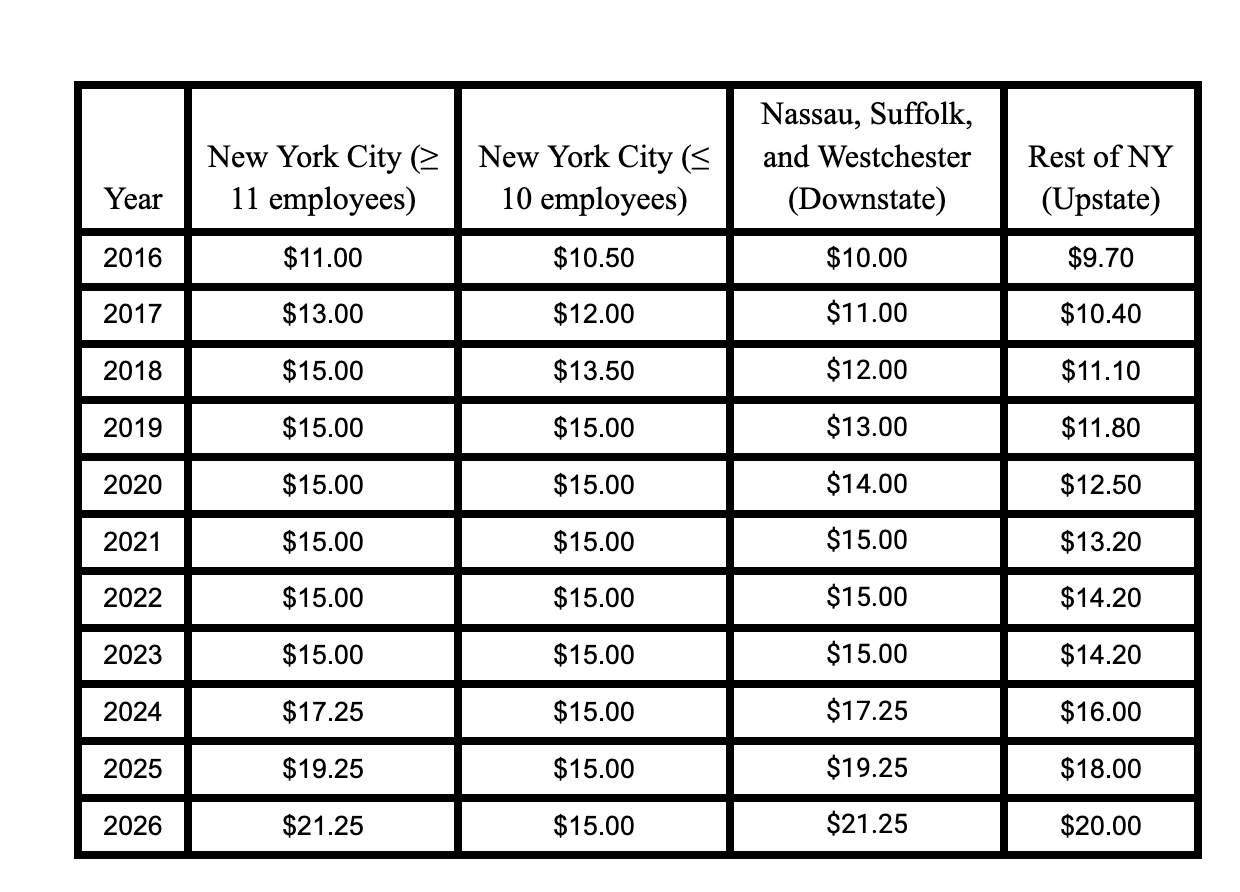
As of January 1, 2024, the minimum wage in New York State saw a significant increase as part of a multi-year plan. The state is divided into three primary regions for minimum wage purposes:
- New York City, Long Island, and Westchester County: These areas, encompassing some of the nation’s most expensive real estate and highest concentrations of tourist activity, have a minimum wage set at $16.00 per hour. This higher rate acknowledges the exorbitant costs of housing, transportation, and daily essentials in places like Manhattan, Brooklyn, and upscale suburban communities. Businesses, including luxury hotels, boutique accommodations, and high-end restaurants in these regions, must adhere to this elevated standard.
- The Remainder of New York State: For all other counties, stretching from the capital city of Albany to the scenic Finger Lakes region, and up to the Canadian border, the minimum wage stands at $15.00 per hour. This includes popular destinations like Buffalo, Rochester, Syracuse, and areas surrounding Niagara Falls. While still robust, this rate reflects a comparatively lower cost of living compared to the metropolitan core.
It’s important to note that these figures apply to most employees. Specific industries, such as fast-food establishments, often follow the higher regional rate regardless of location within the state, ensuring that workers in these often high-volume service roles receive competitive compensation.
Historical Context and Future Adjustments
New York State has been a trailblazer in advocating for higher minimum wages. The path to the current rates began with legislation passed in 2016, which charted a gradual increase with specific targets for different regions. This phased approach allowed businesses time to adapt while steadily improving conditions for workers. The commitment to a higher minimum wage isn’t static; the state has implemented an indexing mechanism. Beginning in 2027, the minimum wage will increase annually based on inflation and other economic indicators, ensuring that its purchasing power doesn’t erode over time. This forward-thinking policy aims to provide long-term stability and fairness for workers across various sectors, including the vital hospitality industry. Travelers considering longer stays or those working remotely might find this economic stability appealing.
Tipped Workers and Special Wage Rules
The system becomes slightly more nuanced for tipped employees, such as those working in restaurants, bars, and certain accommodation services. While they are still covered by minimum wage laws, employers are allowed to pay a lower direct wage, known as the “cash wage,” provided that the employee’s tips, when combined with this cash wage, at least meet the full minimum wage for their region. If tips do not bring the total earnings up to the minimum wage, the employer is legally obligated to make up the difference.
For example, in New York City, the minimum cash wage for food service workers (excluding fast food) is currently $10.65 per hour, with a tip credit of $5.35 per hour, making the effective minimum wage $16.00. Understanding this distinction is valuable not only for workers but also for tourists who want to ensure they are tipping appropriately and contributing to a fair wage system for the service professionals enhancing their travel experiences. This impacts everything from dining at a Michelin-starred restaurant in Greenwich Village to enjoying a casual meal at a lakeside eatery in the Finger Lakes.
The Impact on Travel and Tourism in New York
The minimum wage in New York State is more than just a figure on a pay stub; it’s a critical component influencing the travel and tourism ecosystem. From the price of a hotel room to the quality of service at an attraction, its ripple effects are felt by both visitors and the dedicated workforce.
Cost of Living and Hospitality Sector Wages
The higher minimum wage in areas like New York City, Long Island, and Westchester County directly correlates with the elevated cost of operating businesses, particularly in the labor-intensive hospitality sector. Hotels, resorts, restaurants, and entertainment venues incur higher wage expenses, which are often factored into the prices consumers pay. This contributes to why a night at a Manhattan hotel or a meal at a popular Brooklyn eatery can be significantly more expensive than similar offerings in Upstate New York.
However, this higher wage also aims to ensure that the staff providing these services—the front-desk agents, housekeepers, waiters, tour guides, and attraction operators—can afford to live and work in these expensive areas. This translates to a more stable, experienced, and motivated workforce, which in turn can lead to higher quality service and a more positive experience for tourists. Imagine the seamless check-in at a Grand Hyatt or the insightful guidance from a docent at the Metropolitan Museum of Art; these experiences are often delivered by individuals who rely on a fair wage to sustain their lives in one of the world’s most dynamic environments.
Budgeting for Your New York Adventure
For travelers, understanding the regional minimum wage helps in setting realistic expectations for their travel budget. If you plan an extensive trip to New York City, anticipate higher costs for almost everything, from accommodation to dining and transportation. A minimum wage of $16.00 per hour reflects the economic reality that basic necessities are simply more expensive here. However, this doesn’t mean a budget trip is impossible. It simply means being more strategic:
- Accommodation: Consider hostels, guesthouses, or staying slightly outside the most central areas in boroughs like Queens or The Bronx, which offer excellent subway access.
- Dining: Explore street food vendors, local diners, and happy hour specials instead of upscale restaurants.
- Attractions: Utilize free activities such as walking across the Brooklyn Bridge, exploring Central Park, or visiting the numerous free museums on specific days or hours.
Conversely, a trip to Upstate New York, where the minimum wage is $15.00, might offer more bang for your buck on accommodation and dining, allowing for longer stays or more luxurious options within the same budget. Destinations like Lake Placid, the Catskills, or cities like Saratoga Springs provide incredible experiences at a potentially lower daily cost, making them ideal for budget-conscious families or those seeking a more relaxed pace.
Supporting Local Economies and Workforce
When you visit New York State and spend money on local services, whether it’s a stay at a charming bed and breakfast in the Hudson Valley or a Broadway show in Times Square, you are contributing to a local economy that is, in part, sustained by these minimum wage policies. A fair minimum wage helps ensure that the individuals serving you, cleaning your room, or guiding your tour can afford to live in the communities they serve. This, in turn, fosters a more vibrant, sustainable tourism industry.
Supporting businesses that pay fair wages not only aligns with ethical travel principles but also indirectly enhances the overall visitor experience by promoting a healthier, more dedicated local workforce. This contributes to the authentic charm and renowned hospitality that New York is famous for, from the friendly faces in a local Buffalo pub to the attentive service in a Hamptons resort.
Lifestyle and Accommodation: Making New York Work
Beyond the transient visitor, the minimum wage plays a profound role in the lifestyle choices and accommodation realities for those living and working in New York State. For individuals considering moving to the state for work, especially in the hospitality sector, these figures are central to their financial planning and quality of life.
Navigating Accommodation Costs with Minimum Wage Realities
One of the most significant challenges for minimum wage earners in New York State, particularly in high-cost areas, is securing affordable accommodation. While a $16.00 per hour wage in New York City provides a better baseline than lower wages, it still makes independent living in a city where median rents can easily exceed $3,000 a month a considerable hurdle. This reality often necessitates creative housing solutions:
- Roommates: Sharing apartments is a common strategy, especially in cities like New York City and Rochester, to split the cost of rent and utilities.
- Commuting: Many workers in New York City reside in more affordable neighboring areas in New Jersey or further out in Long Island and Westchester County, enduring longer commutes for lower housing costs.
- Employer-Provided Housing: In some seasonal tourism areas, particularly in Upstate New York (like resorts in the Adirondacks or agricultural areas), employers might offer subsidized or communal housing as part of the employment package, making it feasible for workers to earn a minimum wage and save money.
For those considering long-term stays or seeking a more permanent lifestyle, these accommodation factors are paramount. While the allure of Manhattan’s bright lights is strong, the practicality of a $16.00 hourly wage might lead individuals to explore vibrant yet more affordable cities like Buffalo or Syracuse, where the $15.00 minimum wage aligns more favorably with local rents and cost of living.
Exploring Diverse Lifestyles Across the Empire State
The disparity in minimum wage across New York State highlights the diverse lifestyles available. A minimum wage earner in New York City might prioritize experiences like free museums, walks through Central Park, and public transportation to maximize their budget, embracing a fast-paced, urban existence. Their lifestyle often revolves around cultural immersion, diverse culinary experiences (often budget-friendly), and the sheer energy of the city.
In contrast, someone earning the minimum wage in Upstate New York might enjoy a lifestyle centered around nature, outdoor activities like hiking in the Catskills or visiting wineries in the Finger Lakes, and a stronger sense of community. The lower cost of living often allows for more disposable income, even with a slightly lower hourly wage, enabling different leisure pursuits and a potentially less stressful financial outlook. This flexibility allows individuals to choose a lifestyle that best suits their financial situation and personal preferences, whether it’s the dynamic hustle of a metropolis or the tranquil beauty of a rural landscape.
Opportunities for Seasonal and Hospitality Workers
The hospitality sector in New York State thrives on seasonal workers, especially during peak tourist seasons (summer in the Hamptons or winter in ski resorts like Lake Placid). A clear and competitive minimum wage makes these positions attractive to both domestic and international workers. For young professionals, students, or those seeking unique travel experiences combined with work, these opportunities can be incredibly rewarding.
Working in a New York City hotel or restaurant, even at minimum wage, can provide unparalleled exposure to a global city, a chance to refine service skills, and potentially accumulate enough savings for further travel or education. Similarly, working at a resort near Niagara Falls offers a chance to live in a beautiful area, engage with tourists from around the world, and enjoy a unique natural landmark. The minimum wage, therefore, isn’t just about survival; it’s about enabling access to experiences and opportunities that define the broader New York lifestyle.
Beyond the Paycheck: Attractions and Experiences for Every Budget
While the minimum wage sets a baseline for earnings and influences costs, New York State remains an incredibly diverse destination, offering enriching experiences regardless of your budget. Even for those operating on a minimum wage budget, or travelers seeking to maximize their spending, the state provides abundant opportunities.
Iconic Landmarks and Free Activities
New York City is a treasure trove of world-famous landmarks, many of which can be enjoyed for free or at a minimal cost.
- Statue of Liberty and Ellis Island: While ferries to the islands have a fee, a free ride on the Staten Island Ferry offers spectacular views of the Statue of Liberty and the Manhattan skyline.
- Central Park: This sprawling urban oasis is a haven for free recreation, from picnics and leisurely strolls to people-watching and free summer concerts.
- Times Square and Broadway: Experiencing the dazzling lights and vibrant energy of Times Square is completely free, and enjoying the atmosphere of Broadway can be done without buying a ticket, by simply walking past its historic theaters.
- Brooklyn Bridge: A walk or bike ride across this iconic structure provides breathtaking views of the city skyline and the East River.
- The High Line: A repurposed elevated railway line, now a public park, offers unique perspectives of the city and contemporary art installations.
- Museums: Many world-class museums, such as the Metropolitan Museum of Art and the American Museum of Natural History, operate on a “pay-what-you-wish” policy for New York residents and sometimes for all visitors, making culture accessible.
Beyond New York City, Niagara Falls offers stunning natural beauty that can be admired for free from various viewpoints on the United States side. State parks throughout New York provide affordable access to hiking, swimming, and natural wonders, making the beauty of Upstate New York accessible to everyone.
Culinary Delights on a Dime
New York’s reputation as a culinary mecca isn’t just for fine dining. The state offers an incredible array of delicious and affordable food options, reflecting its diverse population and vibrant food scene.
- Street Food: In New York City, food carts and trucks offer everything from classic New York hot dogs and pretzels to gourmet ethnic cuisine at budget-friendly prices. Exploring neighborhoods like Flushing, Queens, provides an authentic taste of international flavors.
- Diners and Delis: Classic diners and delis, found throughout the state, offer hearty meals and local favorites without breaking the bank.
- Farmers Markets: Visiting local farmers’ markets, particularly in Upstate New York and during summer, allows you to sample fresh, seasonal produce and artisanal goods, perfect for a picnic.
These options make it possible to experience the state’s rich gastronomic culture, even for those earning minimum wage or traveling on a strict budget.
Embracing New York’s Unique Culture
Ultimately, New York State offers more than just attractions; it offers a unique cultural tapestry woven from diverse communities, historical significance, and a spirit of innovation. Whether you’re a traveler exploring its landmarks or a resident building a life there, understanding the minimum wage provides a crucial context to the state’s economic landscape. It helps explain the vibrant, yet sometimes challenging, reality of life and work, and how these factors contribute to the unparalleled experiences that New York continually delivers. From the soaring heights of the Empire State Building to the quiet beauty of a Finger Lakes vineyard, New York truly has something for every budget and every lifestyle, underpinned by a commitment to supporting its diverse workforce.
LifeOutOfTheBox is a participant in the Amazon Services LLC Associates Program, an affiliate advertising program designed to provide a means for sites to earn advertising fees by advertising and linking to Amazon.com. Amazon, the Amazon logo, AmazonSupply, and the AmazonSupply logo are trademarks of Amazon.com, Inc. or its affiliates. As an Amazon Associate we earn affiliate commissions from qualifying purchases.