
For many considering a trip to the Sunshine State, whether for its world-renowned beaches, vibrant cities, or unique cultural experiences, understanding the local legal landscape is an increasingly vital part of travel planning. The question, “Is abortion banned in Florida?” isn’t just a matter of legal curiosity for residents; it carries significant implications for visitors and those contemplating a temporary or permanent move. The answer, unfortunately, is not a simple yes or no, but rather reflects a complex, evolving situation that has seen drastic changes in recent years. As of early 2024, Florida has implemented some of the most restrictive abortion laws in the United States, a development that travelers and residents alike need to be thoroughly aware of.
The dynamic nature of these laws means that what was true yesterday might not be true tomorrow, making it essential to stay informed. For anyone planning travel, seeking accommodation, or simply wanting to understand the lifestyle implications of visiting a state with such stringent regulations, this guide aims to provide clarity on Florida’s current abortion laws, their evolution, and the practical considerations they entail. From family vacations to business stays, the legal environment can subtly yet significantly influence one’s overall experience and decision-making process.
Navigating Florida’s Evolving Abortion Landscape
The legal framework surrounding abortion access in Florida has undergone a series of significant transformations, marked by legislative action, judicial challenges, and public discourse. Understanding this trajectory is crucial for grasping the current reality, which directly impacts residents and visitors planning their trips to destinations like Miami, Orlando, or Tampa. The recent shifts reflect a nationwide trend following the overturning of Roe v. Wade by the U.S. Supreme Court, empowering individual states to regulate abortion access.
The Current Legal Framework: A Six-Week Ban
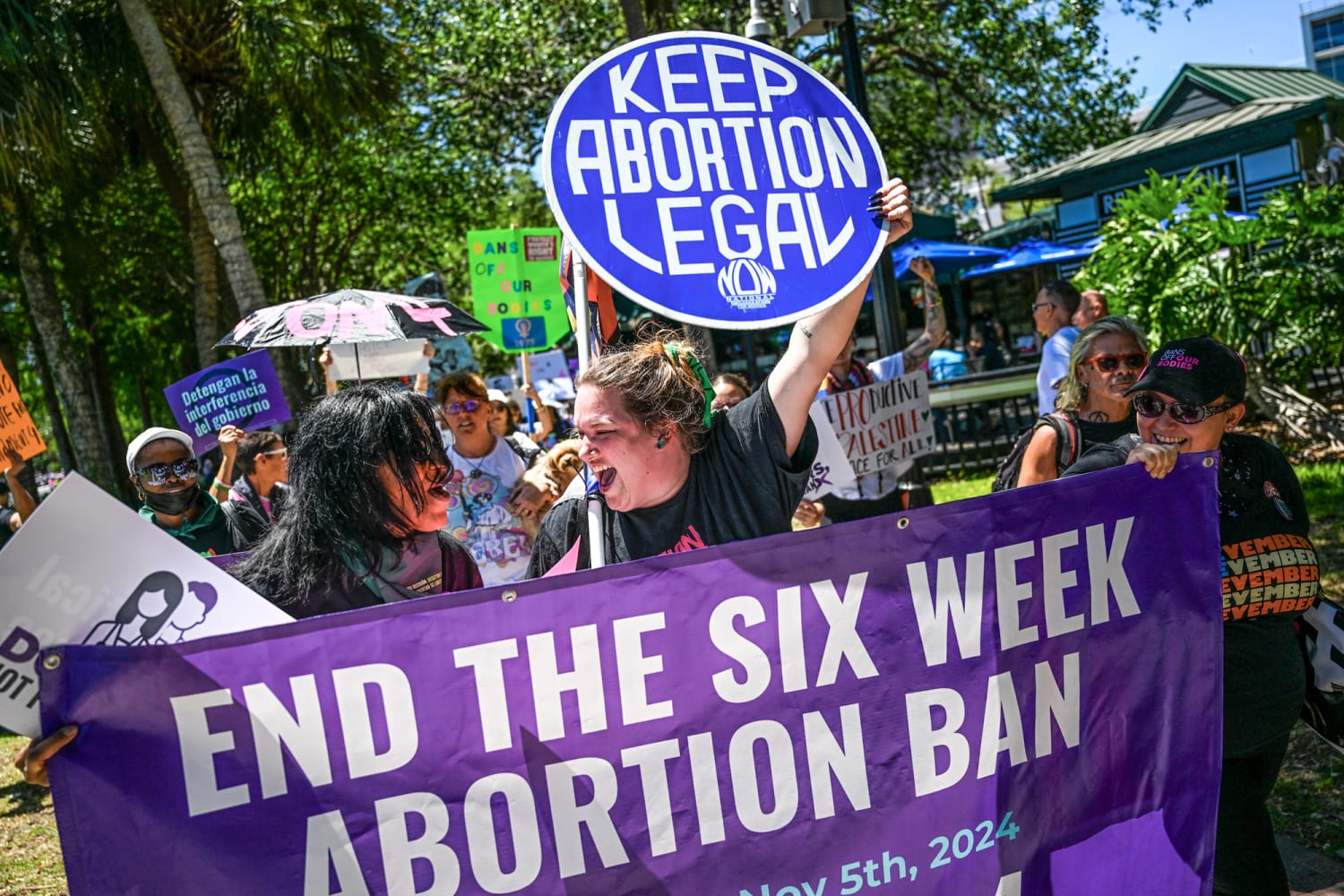
As of May 1, 2024, Florida’s current law prohibits abortions after six weeks of gestation. This six-week mark is often before many individuals even realize they are pregnant, effectively making abortion largely inaccessible for a significant portion of the population. This stringent ban represents a dramatic shift from previous legislation and has profound implications for healthcare access within the state. For travelers, this means that even in cases of unexpected pregnancy or medical emergencies, access to abortion services beyond this very early stage is severely restricted, if not entirely unavailable, within Florida’s borders. It’s a critical piece of information for anyone considering travel, particularly for solo female travelers, families, or those on extended stays where unforeseen circumstances might arise.
A Timeline of Shifting Regulations
The path to the current six-week ban was paved through a series of legislative and judicial events that illustrate the volatile nature of reproductive rights in Florida.
Initial 15-Week Ban
Prior to the six-week prohibition, Florida had enacted a 15-week abortion ban in July 2022. This legislation, signed into law by Governor Ron DeSantis, was already considered one of the more restrictive measures in the country at the time. It limited abortions after 15 weeks of gestation, replacing a previous law that allowed abortions up to 24 weeks. This initial shift caused considerable concern among healthcare providers and advocates, signaling a clear direction towards further restrictions. Many travelers and residents began to factor this into their decisions regarding healthcare and long-term stays in the state, understanding that the legal landscape was becoming increasingly conservative.
Supreme Court’s Deliberations and Decision
The 15-week ban faced immediate legal challenges, eventually making its way to the Florida Supreme Court. Abortion rights advocates argued that the ban violated the state’s constitutional privacy clause, which had historically been interpreted to protect abortion access. However, in April 2024, the Florida Supreme Court upheld the 15-week ban, reversing decades of precedent. This landmark decision not only allowed the 15-week ban to stand but also cleared the way for the even more restrictive six-week ban, which had been passed by the legislature in 2023 but was contingent on the court’s ruling on the earlier law. The court’s decision was a pivotal moment, confirming the state’s authority to impose severe restrictions and fundamentally altering the landscape of reproductive healthcare access throughout Florida. For those engaged in tourism, seeking accommodation, or planning any long-term travel, this ruling underscored the importance of comprehensive research into local laws before committing to a destination.
Understanding the Exceptions: What’s Permitted Under Florida Law
While Florida’s six-week abortion ban is one of the most restrictive in the nation, the law does include certain narrow exceptions. These exceptions are critical for anyone living in or visiting the state to understand, as they outline the very limited circumstances under which an abortion may still be legally performed. However, the conditions surrounding these exceptions are often complex, requiring specific documentation and adherence to strict timelines, which can be challenging to navigate, especially for individuals in distress or unfamiliar with the local legal system.
Critical Health and Life-Saving Measures
One of the primary exceptions to Florida’s six-week abortion ban is when the procedure is necessary to save the pregnant person’s life or to prevent a serious risk of irreversible physical impairment of a major bodily function. This exception prioritizes the immediate health and survival of the pregnant individual. However, it’s important to note that this is generally a high bar to meet, often requiring medical documentation and the assessment of multiple physicians. The law does not typically extend to mental health considerations, which can be a significant gap for those facing severe emotional or psychological distress related to their pregnancy. For travelers experiencing a medical emergency in Florida, understanding this specific provision and seeking immediate medical and legal counsel would be paramount. Accessing timely care under such stressful circumstances, particularly far from home, presents considerable challenges.
Provisions for Rape, Incest, and Fatal Fetal Abnormalities
Florida’s law also provides limited exceptions for pregnancies resulting from rape or incest, as well as cases involving a fatal fetal abnormality.
-
Rape and Incest: In instances of rape or incest, an abortion is permitted up to 15 weeks of gestation, a slightly longer window than the general six-week ban. However, this exception comes with a strict requirement for documentation: the pregnant person must provide a copy of a restraining order, police report, medical record, or other court order or documentation proving that they reported the rape or incest to a law enforcement agency. This requirement can be a significant barrier for survivors, who may be hesitant or unable to report their assault due to trauma, fear, or other personal circumstances. The need for such formal documentation within a tight timeframe adds a layer of complexity and potential delay that could effectively render the exception inaccessible for many.
-
Fatal Fetal Abnormality: An abortion is also permitted if two physicians certify in writing that the fetus has a fatal abnormality, meaning it has a terminal condition that will result in death within 28 days of birth. This exception is generally allowed up until viability, which is typically around 24 weeks of gestation, though medical opinions on viability can vary. This provision aims to provide compassionate care in the most tragic of circumstances, allowing families to make difficult decisions when faced with a diagnosis of a non-viable pregnancy. However, obtaining such a diagnosis and the necessary certifications can be a lengthy and emotionally taxing process, potentially pushing families close to or beyond the viability limit, depending on when the abnormality is discovered.
For travelers, navigating these nuanced exceptions can be particularly daunting. The requirement for specific documentation, the limited timeframes, and the need for multiple medical certifications demand an intimate understanding of Florida law and immediate access to appropriate legal and medical resources. This complexity highlights why understanding the legal landscape is not merely academic but a practical necessity for anyone planning to spend time in the state, impacting potential travel itineraries, accommodation choices, and the overall sense of security.

Practical Considerations for Travelers and Residents
The restrictive nature of Florida’s abortion laws introduces a new layer of complexity for both long-term residents and potential visitors. Whether you’re planning a vacation to the Florida Keys, considering a business trip to Jacksonville, or looking into extended accommodation options, these legal changes warrant careful consideration. The impact extends beyond direct medical needs, influencing travel decisions, emergency preparedness, and the overall perception of Florida as a destination.
Planning Your Visit: What Prospective Travelers Should Know
For individuals planning a trip to Florida, awareness of the state’s abortion laws should be an integral part of their pre-travel research. This is particularly true for female travelers of reproductive age, couples, and families.
- Medical Preparedness: Understand that access to abortion services beyond six weeks of gestation is severely limited, even in cases of medical necessity that do not meet the explicit exceptions for life preservation or fatal fetal abnormality. For unexpected medical situations, including ectopic pregnancies or miscarriages that require intervention, it’s wise to be informed about local healthcare facilities and their protocols.
- Emergency Contraception: Consider the availability and accessibility of emergency contraception, though this is distinct from abortion services, it falls under reproductive health considerations. While generally available, being prepared is always advisable when traveling.
- Travel Insurance: Review travel insurance policies carefully to understand what, if any, reproductive health emergencies might be covered, particularly if you anticipate needing to travel out of state for care.
These factors can influence where travelers choose to stay, from hotels and resorts to private villas, as some may prioritize destinations where they feel more secure regarding comprehensive healthcare access.
Seeking Care Beyond Florida’s Borders
Given the strict limitations within Florida, many individuals, including residents and visitors, may need to seek abortion care in other states where laws are less restrictive. This “abortion travel” has become a growing reality for many in states with bans.
Exploring Options in Neighboring States
For those in Florida, several states offer more permissive abortion laws, though proximity and specific regulations vary:
- North Carolina: North Carolina has maintained broader access, though it also has a 72-hour waiting period and requires in-person counseling.
- Virginia: Virginia generally allows abortions up to the second trimester, with some restrictions afterward.
- Maryland: Maryland has some of the most protected abortion rights, with access generally available throughout pregnancy.
These states represent potential destinations for care, often requiring additional travel time, accommodation, and financial resources. Understanding the specific laws and requirements of each state is crucial for planning.
Further Afield: Illinois, New York, California, Colorado
For more expansive options or if closer states also have significant restrictions, individuals may need to travel further to states that have codified strong protections for abortion access:
- Illinois: Illinois is a major destination for abortion care in the Midwest, with broad access.
- New York: New York has comprehensive protections for abortion access.
- California: California is a sanctuary state for reproductive rights, offering extensive access.
- Colorado: Colorado has also enacted robust protections for abortion access.
Traveling to these states involves significant logistical and financial planning, including flights, hotels, and time off work. This added burden underscores the profound impact of Florida’s laws on individuals and families.
Resources and Support Systems
Navigating the complexities of abortion access requires support. Several organizations offer assistance to those affected by restrictive laws:
- Abortion Funds: These non-profit organizations help cover the costs associated with abortion care, including procedure fees, travel, accommodation, and childcare. Many operate nationally or regionally, providing a vital lifeline for individuals who might otherwise be unable to afford care.
- Legal Aid: For questions regarding the specifics of Florida’s laws or understanding exceptions, legal aid organizations specializing in reproductive rights can offer invaluable guidance.
- Reproductive Healthcare Providers: Clinics in states with broader access often have staff dedicated to assisting out-of-state patients with logistics and resources.
Knowing these resources exist can provide a measure of comfort, but the need for them highlights the challenging environment created by current legislation.
The Broader Impact on Florida’s Tourism and Lifestyle
The changes to Florida’s abortion laws are not just legal nuances; they have far-reaching implications that touch upon the state’s economy, its appeal as a tourist destination, and the quality of life for its residents and those considering a lifestyle change to the Sunshine State. The perception of a state’s legal and social environment can significantly influence travel and relocation decisions, especially in an era where consumers are increasingly conscious of corporate social responsibility and personal liberties.
Weighing Travel Decisions in a Dynamic Environment
For a state that heavily relies on tourism, the strict abortion laws introduce a new variable into vacation planning. Potential visitors, particularly those from states with more liberal reproductive rights, may factor this into their decision-making.
- Family Travel: Families with young adults or women of reproductive age might think twice about destinations where access to certain healthcare services is severely restricted. The concern for unexpected medical needs while away from home can outweigh the allure of theme parks or beaches.
- Business and Conference Travel: Companies and organizations, especially those with diverse workforces, might face internal pressure or ethical considerations when choosing Florida as a venue for conferences, retreats, or business operations. Some might opt for states with more aligned legal frameworks to avoid potential controversy or to ensure their employees feel supported.
- Long-Term Stays and Relocation: For individuals considering extended stays, property investments, or even permanent relocation to Florida, the legal environment concerning reproductive rights becomes a significant lifestyle factor. It contributes to the overall assessment of the state’s values, healthcare access, and social climate. Hotels, resorts, and accommodation providers across Florida may subtly feel the ripple effect of these altered travel patterns, even if directly attributing changes to abortion laws proves challenging.

The Road Ahead: Potential Future Changes
The legal landscape in Florida is far from settled. While the Florida Supreme Court upheld the existing bans, it also allowed a ballot initiative to proceed in November 2024. This initiative, if passed by voters, would enshrine abortion rights into the state’s constitution, potentially overturning the current six-week ban and establishing a new standard for abortion access up to fetal viability (around 24 weeks).
- Ballot Initiative: The presence of this ballot measure indicates that the debate over abortion access in Florida is far from over. The outcome of the vote will have profound implications, not only for residents but also for the state’s image and its future as a travel destination.
- Continued Legal Challenges: Even if the ballot initiative passes, there may be further legal challenges or legislative attempts to circumvent or modify its effects, prolonging the period of uncertainty.
For anyone observing Florida from a travel, tourism, or lifestyle perspective, it is crucial to remain informed about these ongoing developments. The state’s status as a leading destination could hinge on how it navigates these complex social and legal issues, shaping the experiences of millions who visit its shores or choose to call it home. The dynamic nature of these laws underscores the importance of consulting up-to-date legal resources and considering the broader context when making decisions related to travel, accommodation, or any aspect of engaging with the Sunshine State.
LifeOutOfTheBox is a participant in the Amazon Services LLC Associates Program, an affiliate advertising program designed to provide a means for sites to earn advertising fees by advertising and linking to Amazon.com. Amazon, the Amazon logo, AmazonSupply, and the AmazonSupply logo are trademarks of Amazon.com, Inc. or its affiliates. As an Amazon Associate we earn affiliate commissions from qualifying purchases.