
For nurses considering career moves or seeking to embrace the exciting world of travel nursing, understanding the intricacies of state licensure is paramount. The question, “Is Florida a Nursing Compact State?” often arises, carrying significant implications for both professional practice and personal lifestyle choices. The answer is a resounding yes, a fact that has profoundly shaped the career landscape for healthcare professionals and cemented Florida’s position as a magnet for skilled nurses from across the nation.
Since joining the Nurse Licensure Compact (NLC) in 2016 and fully implementing it in 2018, Florida has opened up a world of flexibility for Registered Nurses (RNs) and Licensed Practical Nurses (LPNs). This compact allows eligible nurses to practice in multiple compact states without the need to obtain a new, individual license for each state. For those with a passion for travel and a dedication to healthcare, this represents an unparalleled opportunity to combine professional growth with the exploration of new destinations.

Understanding the Nurse Licensure Compact (NLC)
The Nurse Licensure Compact (NLC) is an agreement between states that allows nurses to have one multi-state license, with the ability to practice in their home state and other compact states without obtaining additional licenses. This streamlined approach significantly reduces the bureaucratic hurdles traditionally associated with practicing across state lines. The concept is straightforward: a nurse holds a license in their primary state of residence, and this single license grants them the privilege to practice in any other state that is a member of the compact.
The genesis of the NLC dates back to 1997, when the National Council of State Boards of Nursing (NCSBN) recognized the growing need for licensure portability in response to evolving healthcare delivery models, including telehealth and the increasing demand for travel nurses. The original compact, often referred to as the Original NLC, laid the groundwork. However, an updated version, the Enhanced NLC (eNLC), was implemented in 2018, which standardized requirements and further improved the efficiency and security of the multi-state licensure process. Florida’s entry into the compact coincided with this enhancement, ensuring its participation aligned with the most current and robust framework for interstate nursing practice.
Benefits for Registered Nurses (RNs) and Licensed Practical Nurses (LPNs)
The advantages of the NLC for individual nurses are numerous and impactful, particularly for those with an adventurous spirit or a desire for professional mobility.
Firstly, it offers unparalleled career flexibility. Imagine having the ability to explore job opportunities in various states without the arduous process of applying for and maintaining multiple individual state licenses. This freedom allows nurses to adapt to changing personal circumstances, follow family, or simply seek new professional challenges in different geographic settings.
Secondly, the compact is a boon for professional development. Nurses can gain diverse clinical experiences across different healthcare systems, patient populations, and medical specialties. A nurse might work in a bustling urban trauma center in Miami, then transition to a specialized pediatric unit in Orlando, or even explore rural healthcare in the Florida Panhandle, all with the same license. This exposure enriches their skill set and broadens their professional perspective, making them more adaptable and marketable.
Finally, for the travel nurse community, the NLC is a game-changer. It dramatically simplifies the process of accepting assignments in different states, cutting down on the wait times and administrative burden associated with obtaining new licenses. This efficiency means more time focused on patient care and less on paperwork, allowing travel nurses to more readily embrace the lifestyle they desire, hopping from one exciting destination to another.
How the NLC Facilitates Travel Nursing
The core essence of travel nursing is mobility, and the NLC is the engine that drives it. Before the compact, a nurse wishing to take an assignment in a new state would often need to apply for a new license, a process that could take weeks or even months. This delay limited spontaneity and made it challenging for agencies to quickly staff critical needs. The compact eliminates this bottleneck.
With an NLC multi-state license, a travel nurse from a compact state can accept an assignment in another compact state, such as Florida, with minimal delay. This speed and efficiency are crucial for addressing national healthcare shortages and for providing immediate support during public health crises, as evidenced during the COVID-19 pandemic. Recruiters and agencies can more swiftly deploy staff, ensuring that hospitals and clinics have the personnel they need when they need them most.
For the travel nurse, this means greater freedom in choosing assignments, the ability to respond to higher-paying opportunities more quickly, and the chance to integrate travel and exploration seamlessly into their professional life. It transforms the concept of a “work vacation” into a genuine reality, where a nurse can dedicate their skills to a vibrant healthcare system while simultaneously immersing themselves in the local culture, attractions, and unique experiences of a new destination.
Florida’s Journey into the NLC
Florida’s path to becoming a compact state was a significant legislative and administrative undertaking, reflecting the state’s commitment to supporting its healthcare workforce and attracting top talent. The state officially joined the Nurse Licensure Compact in 2016, a decision that was met with enthusiasm by nurses, healthcare providers, and staffing agencies alike. However, the legislative approval was just the first step; the practical implementation required the state’s Board of Nursing to align its systems and processes with the compact’s requirements.
The full implementation came into effect on January 19, 2018. This date marked a pivotal moment, as it was when nurses holding a multi-state license from another compact state could officially begin practicing in Florida without applying for a separate Florida license. Similarly, eligible Florida nurses could then apply for a multi-state license, granting them practice privileges across the compact. This transition was vital for a state like Florida, known for its large and diverse population, significant tourism industry, and the increasing demand for healthcare services.
Key Dates and Implementation
The journey for Florida involved key legislative actions and regulatory adjustments. After extensive discussions and advocacy, legislation was passed to enable the state’s participation in the eNLC. This legislative framework allowed the Florida Board of Nursing to enact the necessary administrative rules and procedures to facilitate multi-state licensure.
- 2016: Florida passes legislation to join the Enhanced Nurse Licensure Compact.
- January 19, 2018: The Enhanced NLC goes into effect, and Florida officially becomes a full participating member. This date marked the commencement of multi-state licensure privileges for eligible nurses with a Florida license, as well as the ability for nurses from other compact states to practice in the Sunshine State under their multi-state license.
This structured implementation ensured a smooth transition, protecting both public safety and the professional integrity of nurses. It also positioned Florida as a forward-thinking state, eager to adapt to the modern demands of the U.S. healthcare system.
Implications for Nurses in the Sunshine State
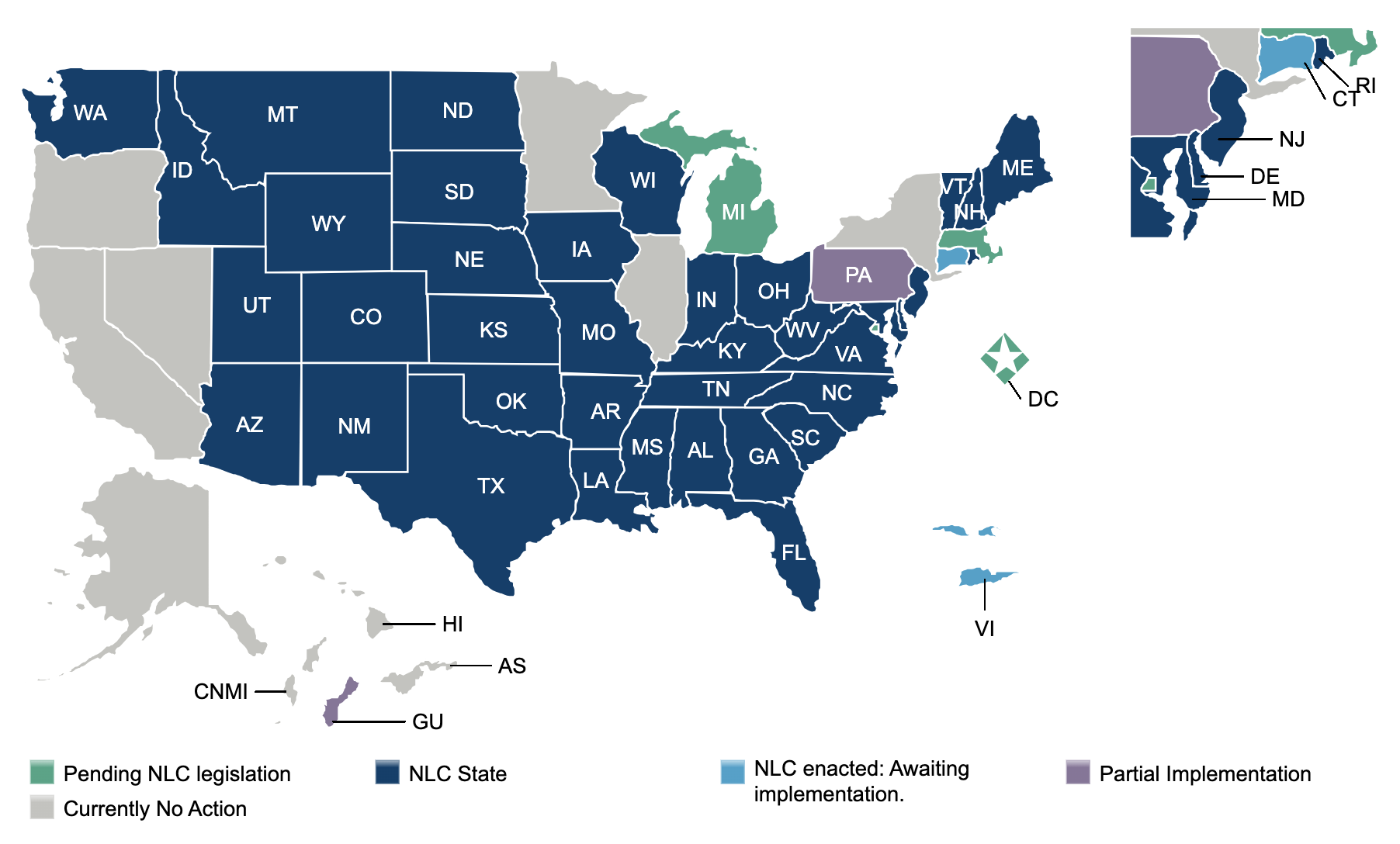
For nurses whose primary state of residence is Florida, gaining a multi-state license means their career opportunities are no longer confined by state borders. They can easily accept assignments in other NLC member states, whether for short-term travel nursing contracts, remote telehealth positions, or even to relocate for personal reasons. This expansive scope is particularly appealing given Florida’s appeal as a travel destination and a desirable place to live.
Conversely, for nurses residing in other compact states who dream of working amidst Florida’s sun and vibrant culture, the process is remarkably simple. Their existing multi-state license allows them to practice immediately upon verification of their compact status. This ease of entry is a significant draw, attracting a steady stream of skilled professionals to fill critical roles in Florida’s hospitals, clinics, and other healthcare facilities. It also contributes to the rich diversity of the nursing workforce, bringing varied experiences and perspectives to patient care within the Sunshine State.
The Travel Nurse Lifestyle in Florida: Blending Career and Exploration
The phrase “travel nurse” evokes images of dedicated professionals making a difference while simultaneously exploring new horizons. With Florida’s participation in the NLC, the dream of a dynamic career intertwined with an enriching travel lifestyle becomes a tangible reality. Imagine completing a rewarding shift in a Tampa hospital and spending your days off exploring the Gulf Coast beaches, or caring for patients in Jacksonville and dedicating your weekends to historic St. Augustine. This blend of meaningful work and exciting personal experiences is a hallmark of the travel nurse lifestyle in Florida.
The Sunshine State is not just a hub for healthcare; it’s a premier global tourism destination. This dual identity makes it an ideal location for nurses who seek more than just a job; they seek an adventure. From the vibrant nightlife of South Beach in Miami to the enchanting theme parks of Orlando, and the serene natural beauty of the Everglades National Park, Florida offers an unparalleled variety of activities and attractions to enrich a travel nurse’s off-duty hours. Whether you’re into luxury travel or budget travel, Florida caters to every preference, allowing for a truly personalized experience.
Navigating Accommodation and Resorts
One of the practical considerations for travel nurses is finding suitable accommodation for assignments that typically last 13 weeks or longer. Fortunately, Florida’s robust tourism infrastructure provides a wealth of options, from short-term apartment rentals to extended-stay hotels and resorts. Many travel nursing agencies offer housing stipends or even arrange accommodation directly, but for those who prefer to handle their own arrangements, the choices are plentiful.
Platforms like Airbnb and VRBO are excellent resources for finding fully furnished apartments or villas that offer the comforts of home, often at competitive rates for long-term stays. For those who appreciate hotel amenities and services, chains like Extended Stay America, Hilton, Marriott, and Hyatt offer various suites with kitchenettes, ideal for longer assignments. When seeking accommodation, it’s always wise to check reviews and perform a thorough comparison of options to ensure the best fit for your needs and budget. Many resorts and hotels in Florida also offer special rates for healthcare professionals, adding another layer of accessibility.
Exploring Florida’s Diverse Destinations and Attractions
During their downtime, travel nurses in Florida can dive into an incredible array of experiences. The state’s geographical diversity means there’s something for everyone, whether you’re a history buff, a nature enthusiast, a thrill-seeker, or simply looking to relax on a pristine beach.
- Central Florida: Home to world-famous landmarks like Walt Disney World Resort and Universal Orlando Resort, Orlando offers endless entertainment. Beyond the theme parks, there are also vibrant dining scenes and shopping districts.
- South Florida: Miami boasts stunning Art Deco architecture, the iconic South Beach, and a rich Cuban culture. Further south, the unique ecosystem of the Everglades National Park offers airboat tours and wildlife viewing, while Key West provides a relaxed, bohemian vibe and unforgettable sunsets.
- West Coast/Gulf Coast: Cities like Tampa and Sarasota are celebrated for their beautiful white-sand beaches, vibrant arts scenes, and excellent culinary food scenes. The Gulf Coast is synonymous with serene waters and breathtaking sunsets, perfect for unwinding after a busy week.
- East Coast/Atlantic Coast: From the space-age wonders of the Kennedy Space Center Visitor Complex near Cape Canaveral to the historic charm of St. Augustine, the oldest continuously inhabited European-established settlement in the U.S., this coast offers a blend of futuristic marvels and deep history.
- Florida Panhandle: For those seeking unspoiled nature and tranquil beaches, Destin and the surrounding areas along the Panhandle offer emerald waters and sugary sand, a truly picturesque setting for relaxation and outdoor activities.
Each region offers distinct guides and tips for exploring its unique character, ensuring that every travel nurse can craft an itinerary that aligns with their personal interests and desired lifestyle.
Practical Considerations for Nurses Moving to or from Florida
While the NLC simplifies licensure, there are still crucial steps and considerations for nurses to ensure a smooth transition, whether they are coming to Florida or planning to leave for another compact state. Adhering to the specific rules of the compact and staying informed is key to maintaining an uninterrupted practice.
The golden rule of the NLC is that a nurse must hold a multi-state license from their primary state of residence. This means if a nurse moves from one compact state to another and establishes a new primary state of residence, they must obtain a new multi-state license in their new home state. For instance, if a nurse with a multi-state license from Georgia moves to Florida and establishes Florida as their new primary residence, their Georgia license converts to a single-state license, and they must apply for a Florida multi-state license. Conversely, if a Florida nurse with a multi-state license moves to a non-compact state, their Florida license remains a multi-state license, but they will need to apply for an individual license in their new non-compact state of residence.
Verifying Your NLC Status
It is incumbent upon every nurse to verify their NLC eligibility and status. This can be done through the Nursys website, which is the official database for licensure and disciplinary information for nurses from participating U.S. boards of nursing. Nursys allows nurses to check their license status, verify their multi-state privilege, and monitor the compact status of different states.
Before accepting any assignment, especially for travel nursing, it’s crucial to confirm that your license is active and holds multi-state privileges, and that the target state is indeed a member of the NLC. This diligence prevents potential legal or professional complications and ensures that your professional journey is as seamless as the compact intends it to be.

Resources for Travel Nurses
For travel nurses eyeing Florida as their next destination, a wealth of resources exists to assist with everything from booking accommodation to finding local attractions. Beyond staffing agencies, which often provide comprehensive support, several online communities and forums cater specifically to the travel nurse lifestyle. These platforms offer valuable insights, tips, and reviews on everything from the best hotels for extended stays to popular local culture spots.
Exploring Florida’s tourism boards and official state websites can also provide invaluable guides on attractions, food activities, and events. For those bringing family, researching family trips and child-friendly activities is easy thanks to Florida’s extensive offerings. Whether your lifestyle leans towards luxury travel or more budget-conscious travel, Florida has options to make your professional assignment also a memorable personal experience.
In conclusion, Florida’s status as a Nurse Licensure Compact State has transformed the landscape for nurses. It offers an unparalleled combination of professional flexibility and personal enrichment, making the Sunshine State an exceptionally attractive destination for those dedicated to healthcare and eager to embrace the adventure of travel. With a single multi-state license, the professional world of nursing and the vibrant world of Florida’s tourism and lifestyle seamlessly merge, creating a career path that is as rewarding as it is exciting.
LifeOutOfTheBox is a participant in the Amazon Services LLC Associates Program, an affiliate advertising program designed to provide a means for sites to earn advertising fees by advertising and linking to Amazon.com. Amazon, the Amazon logo, AmazonSupply, and the AmazonSupply logo are trademarks of Amazon.com, Inc. or its affiliates. As an Amazon Associate we earn affiliate commissions from qualifying purchases.