
Embarking on a journey to a new city always brings with it a myriad of planning considerations: where to stay, what to see, and how to make the most of your precious travel time. For those setting their sights on the vibrant Mile High City, understanding its time zone is a fundamental piece of the puzzle, impacting everything from flight schedules and hotel check-ins to coordinating activities and staying in touch with loved ones back home. Denver, the capital of Colorado and a gateway to the majestic Rocky Mountains, operates within the Mountain Time Zone (MT). This geographical and temporal detail, while seemingly minor, holds significant implications for travelers, business professionals, and anyone planning to immerse themselves in the rich culture and stunning landscapes of this remarkable United States destination. This article delves into the specifics of Denver’s time zone, its practical effects on your travel experience, and how to seamlessly integrate this knowledge into planning an unforgettable adventure.
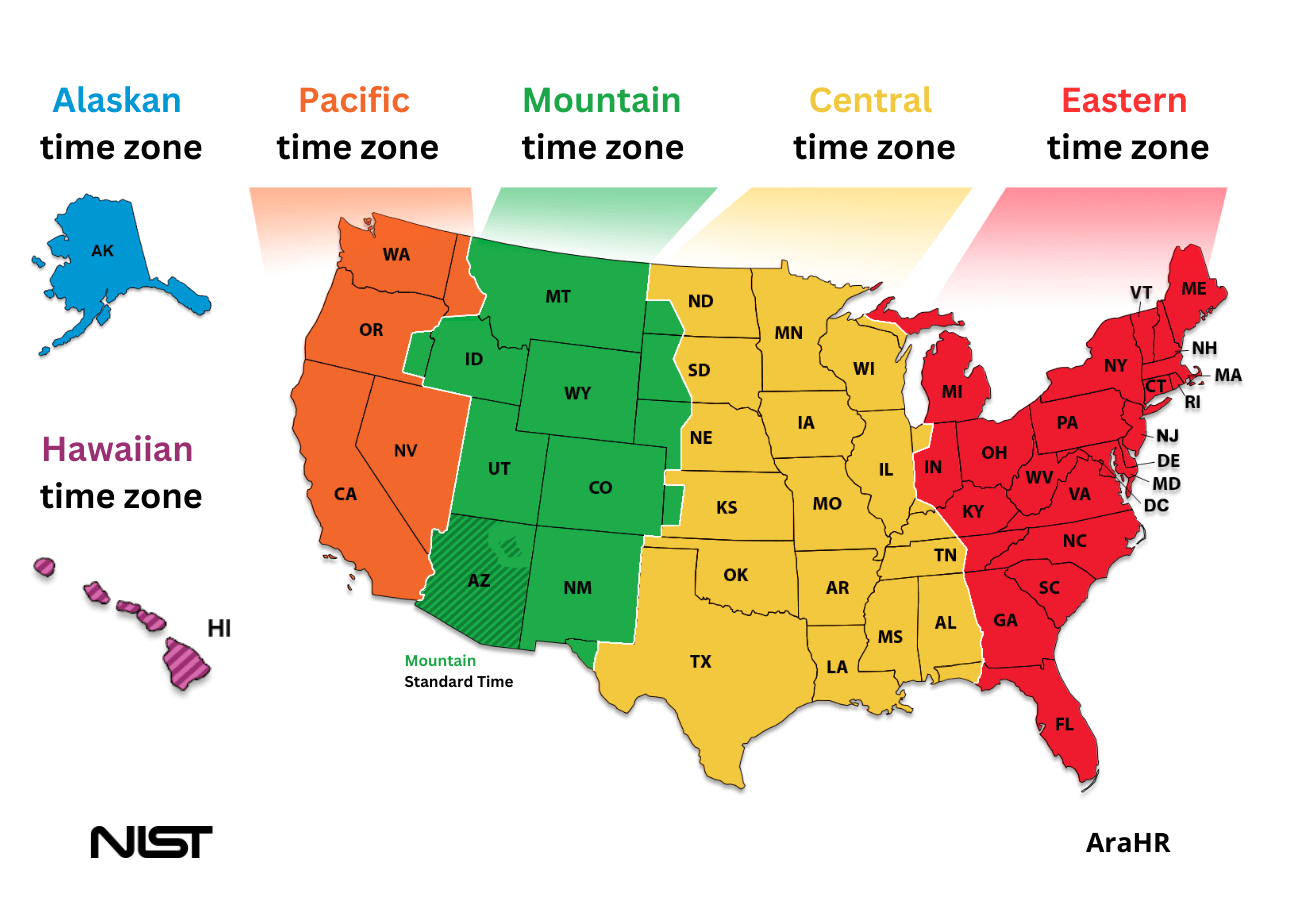
Understanding Denver’s Place on the Global Clock
At its core, the Mountain Time Zone is a region that observes a standard offset from Coordinated Universal Time (UTC). For Denver, this means it is typically UTC-7 during standard time and UTC-6 during daylight saving time. Navigating this shift is crucial for both domestic and international visitors.
Mountain Standard Time (MST) vs. Mountain Daylight Time (MDT)
The distinction between Mountain Standard Time (MST) and Mountain Daylight Time (MDT) is perhaps the most important detail for travelers to grasp. For much of the year, Denver operates under Mountain Standard Time, which is seven hours behind Coordinated Universal Time (UTC-7). However, like most of the United States, Colorado observes Daylight Saving Time, which typically begins on the second Sunday in March and ends on the first Sunday in November. During this period, clocks are moved forward by one hour, shifting Denver to Mountain Daylight Time (MDT), or UTC-6.
This biannual adjustment can cause confusion if not anticipated. For instance, a flight booked months in advance might seem to depart or arrive at a different local time than originally calculated if the travel dates span the Daylight Saving Time changeover. Similarly, setting up virtual meetings or calls with contacts in other time zones requires careful attention to whether they, too, observe Daylight Saving Time and when those changes occur. The state of Arizona is a notable exception within the geographical expanse of the Mountain Time Zone, as it does not observe Daylight Saving Time, meaning cities like Phoenix remain on Mountain Standard Time year-round. While this doesn’t directly affect Denver, it highlights the complexities inherent in multi-state travel planning.
Geographical Context and Neighboring Time Zones
The Mountain Time Zone primarily covers states that traverse the Rocky Mountains and the surrounding plains. To the west, it borders the Pacific Time Zone (UTC-8/UTC-7), which includes states like California and Nevada. To the east, the Central Time Zone (UTC-6/UTC-5) begins, encompassing states such as Kansas and Texas. Further east, one encounters the Eastern Time Zone.
Understanding Denver’s position relative to these zones is vital for seamless travel. A flight from New York City (Eastern Time) to Denver will involve a two-hour time difference, meaning you’ll effectively “gain” two hours upon arrival. Conversely, traveling from Los Angeles (Pacific Time) to Denver will mean “losing” an hour. These time adjustments are crucial not just for punctuality but also for managing the effects of jet lag, a common complaint among long-distance travelers. Cities like Salt Lake City in Utah, Boise in Idaho, and Cheyenne in Wyoming share the same time zone as Denver, simplifying regional travel and communication.
Navigating Travel and Tourism with Time in Mind
The time zone isn’t just an abstract concept; it has tangible impacts on every facet of your trip, from booking your flight to enjoying Denver’s renowned attractions. Proactive planning around the Mountain Time Zone can significantly enhance your travel experience, transforming potential headaches into smooth transitions.
Planning Your Denver Itinerary Effectively
When crafting your Denver itinerary, always factor in the time zone. For inbound flights to Denver International Airport (DIA), ensure your arrival time aligns with your hotel’s check-in policy. Most hotels, from luxury suites like those at The Brown Palace Hotel and Spa to more budget-friendly accommodation options, typically have a check-in time of 3:00 PM or 4:00 PM local time. Arriving much earlier could mean an additional wait or a fee for early check-in, though many establishments, such as the Hyatt Regency Denver at Colorado Convention Center, are often accommodating if rooms are available.
Booking tours and activities, whether it’s a visit to the iconic Red Rocks Amphitheatre or a culinary walk through Larimer Square, should also be scheduled using local Denver time. Double-check all confirmation emails and tickets against your current time zone to avoid missing pre-booked experiences. Similarly, coordinating meet-ups with friends or family who might be traveling from different parts of the country requires clear communication about the local time. Utilizing a world clock application on your smartphone can be an invaluable tool to keep all times straight, especially when making restaurant reservations at popular spots or securing tickets to a game at Coors Field or Ball Arena.
Mitigating Jet Lag for a Smoother Experience
Jet lag can significantly impact your enjoyment of a new destination. When traveling to Denver from an Eastern Time Zone or further abroad, your body’s internal clock will be several hours ahead of local time. To combat this:
- Adjust Before You Arrive: Try to shift your sleep schedule by an hour or two each day in the days leading up to your trip.
- Hydrate and Avoid Alcohol: Staying well-hydrated on the flight and limiting alcohol consumption can make a big difference.
- Embrace Local Time Immediately: Once you land, try to eat and sleep according to Denver’s local time. If it’s daytime, expose yourself to natural light and stay active.
- Outdoor Activities: The abundance of sunshine and opportunities for outdoor activities in Denver can help reset your circadian rhythm more quickly. A walk along the South Platte River Greenway or a visit to the Denver Botanic Gardens can be both enjoyable and beneficial.
For those planning to explore the breathtaking national parks within a day’s drive, like Rocky Mountain National Park or even a longer trip to Yellowstone National Park, managing jet lag upfront ensures you have the energy to fully appreciate these natural wonders.
Business Travel and Communication Across Time Zones
For business travelers, understanding Denver’s time zone is non-negotiable. Scheduling meetings, conference calls, and presentations requires meticulous attention to time differences, particularly with colleagues on the East Coast or West Coast. A 9:00 AM meeting in Denver is 11:00 AM in New York and 8:00 AM in Los Angeles (during Standard Time). This needs to be carefully communicated to all parties to ensure timely participation.
Many Denver hotels cater specifically to business needs, offering robust Wi-Fi, meeting facilities, and concierge services that can assist with time zone conversions. Staying at a centrally located property like The Ritz-Carlton, Denver or Four Seasons Hotel Denver can simplify logistics, allowing business travelers to maximize productivity while also experiencing the city’s unique lifestyle.
Denver: A Destination Beyond Its Time Zone
While understanding the time zone is crucial for logistics, it’s just one aspect of what makes Denver a compelling tourism hub. The city offers a rich tapestry of experiences that draw visitors from across the globe, combining urban sophistication with easy access to nature.
Landmarks and Attractions to Explore
Denver boasts an impressive array of landmarks and cultural attractions. Beyond the previously mentioned Red Rocks Amphitheatre and Denver Botanic Gardens, visitors can explore the magnificent Denver Art Museum, home to a vast collection of Western American art. The historic Union Station serves as a bustling transportation hub and a sophisticated dining and shopping destination in Lower Downtown (LoDo). A stroll down the pedestrian-friendly 16th Street Mall offers a blend of retail therapy, dining, and people-watching.
Families will delight in the Denver Zoo and the interactive exhibits at the Children’s Museum of Denver at Marsico Campus. For history buffs, a visit to the Colorado State Capitol Building, with its iconic gold dome, provides insights into the state’s political heritage and panoramic views of the city. Even a short trip outside the city to nearby towns like Golden or Boulder reveals more of Colorado’s charm and natural beauty. For longer excursions, sites like Garden of the Gods and Pikes Peak near Colorado Springs are within a reasonable drive, offering stunning landscapes that are quintessential to the Mountain West.
Accommodation and Lifestyle Options
Denver’s accommodation landscape is as diverse as its population. From luxurious resorts and boutique hotels in downtown districts like LoDo and the Central Business District to charming vacation rentals and apartments in neighborhoods like the RiNo Art District, there’s an option to suit every preference and budget. Many hotels offer incredible amenities such as rooftop pools, spas, and gourmet dining, making them destinations in themselves.
The lifestyle in Denver is distinct, blending a relaxed, outdoor-centric ethos with a thriving urban culture. Whether you prefer luxury travel, a budget-friendly trip, or a family vacation, the city caters to all. Its proximity to world-class ski resorts like Vail, Aspen, Breckenridge, and Winter Park makes it an ideal base for winter sports enthusiasts, while summer months offer unparalleled hiking, biking, and white-water rafting opportunities.

Culinary Experiences and Local Culture
Denver’s culinary scene has blossomed into a vibrant landscape of farm-to-table restaurants, innovative breweries, and diverse international flavors. From upscale dining experiences in Cherry Creek to casual eateries and food halls, there’s something to satisfy every palate. The city is also a mecca for craft beer lovers, with numerous breweries offering tours and tastings.
The local culture is deeply influenced by its Western heritage and outdoor access. Friendly locals, a strong sense of community, and a calendar packed with festivals and events all contribute to Denver’s inviting atmosphere. Engaging with these aspects adds depth to any travel experience, proving that while time zones dictate schedules, the richness of a destination lies in its unique offerings.
In conclusion, knowing that Denver is in the Mountain Time Zone is more than just a piece of trivia; it’s a practical detail that underpins successful trip planning. By understanding the nuances of MST and MDT, and consciously factoring time differences into your itinerary, you set yourself up for a smoother, more enjoyable visit. Armed with this knowledge, you can fully embrace all the incredible travel, tourism, and lifestyle experiences that the dynamic city of Denver has to offer.
LifeOutOfTheBox is a participant in the Amazon Services LLC Associates Program, an affiliate advertising program designed to provide a means for sites to earn advertising fees by advertising and linking to Amazon.com. Amazon, the Amazon logo, AmazonSupply, and the AmazonSupply logo are trademarks of Amazon.com, Inc. or its affiliates. As an Amazon Associate we earn affiliate commissions from qualifying purchases.