
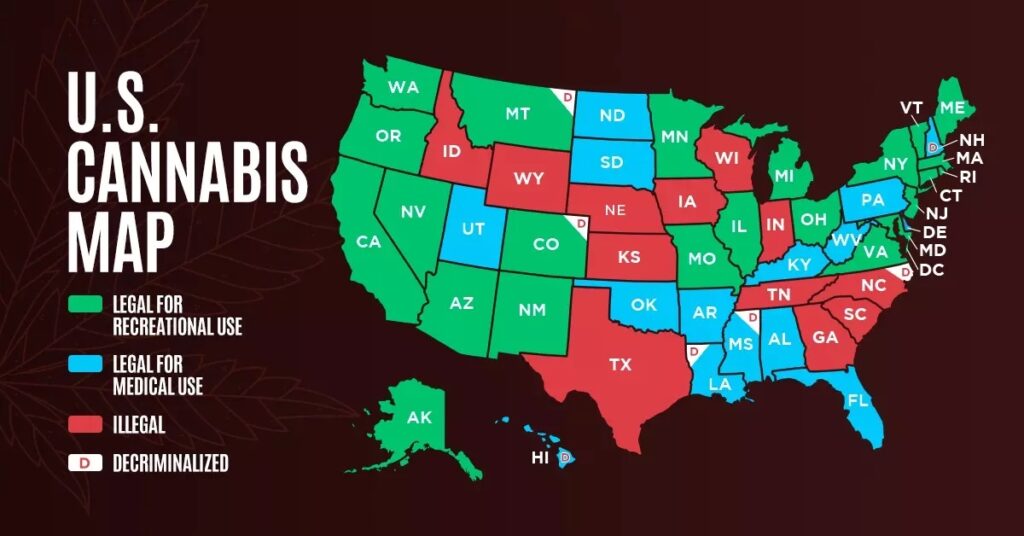
For many prospective visitors planning a trip to the Sunshine State, the question of marijuana’s legal status is increasingly common. Given the evolving landscape of cannabis laws across the United States, it’s easy to assume that Florida, a major tourism hub, might have followed suit in legalizing recreational marijuana. However, the reality is more nuanced. While Florida has indeed embraced medical marijuana, the recreational use of cannabis remains illegal and carries significant penalties. This distinction is crucial for anyone traveling to, residing in, or considering a lifestyle change in this popular destination, impacting everything from travel plans and accommodation choices to understanding local culture and navigating attractions.
Our guide aims to clarify Florida’s current stance on cannabis, providing essential insights for travelers, medical patients, and anyone interested in the implications for tourism and lifestyle within the state. Understanding these regulations is paramount to ensuring a smooth, enjoyable, and compliant experience in Florida, whether you’re exploring the theme parks of Orlando, the vibrant nightlife of Miami, or the tranquil beaches of the Florida Keys.
Understanding Florida’s Cannabis Laws for Visitors
Navigating the legal intricacies surrounding cannabis can be challenging, especially when traveling to a new state or country. In Florida, the critical distinction lies between medical and recreational marijuana. This section will break down the current legal landscape and explain what it means for those visiting the state.
The Current Legal Landscape: Medical vs. Recreational
As of early 2024, recreational marijuana is not legal in Florida. This means that possessing, purchasing, cultivating, or distributing cannabis for non-medical purposes is against state law and can lead to significant legal repercussions, including fines, imprisonment, and a permanent criminal record. The state maintains strict penalties for recreational offenses, which can vary based on the amount of cannabis involved. For instance, possession of 20 grams or less is typically a misdemeanor, while anything over that can quickly escalate to a felony charge. These regulations underscore the importance of understanding and respecting local laws to avoid any legal troubles during your trip.
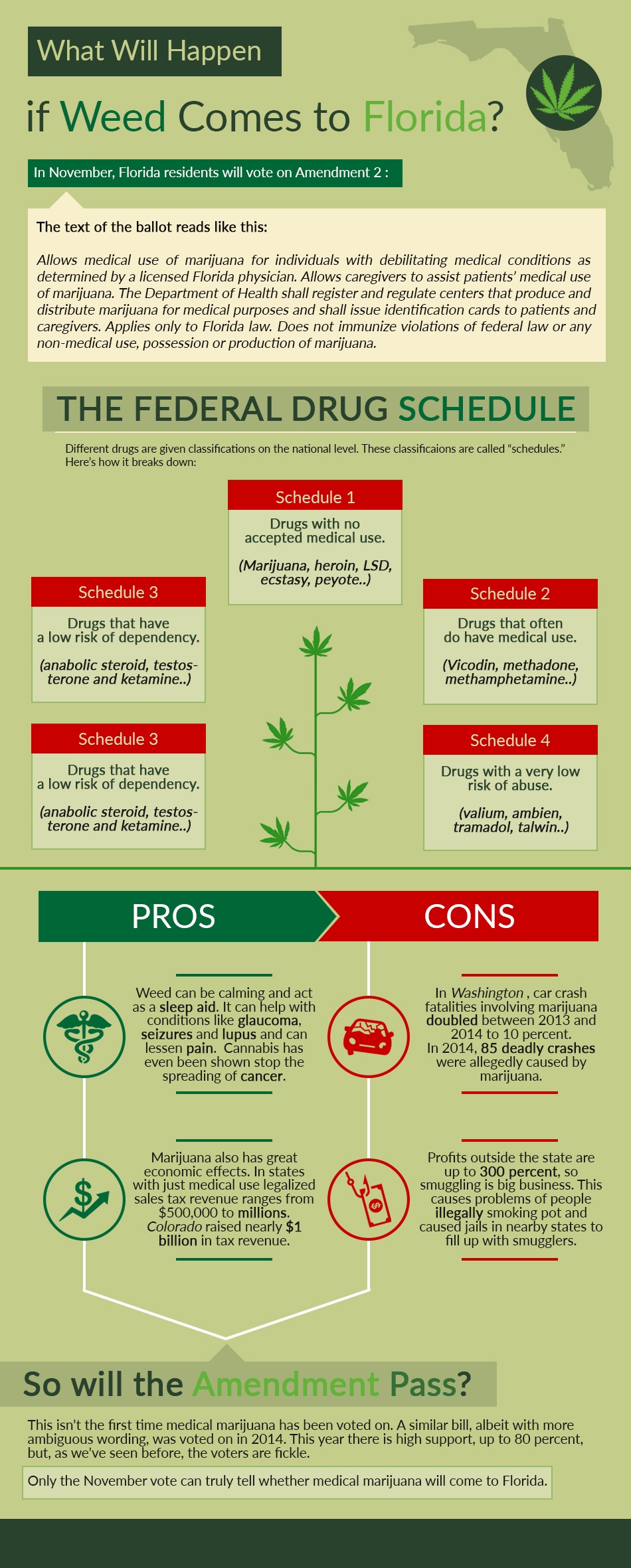
However, Florida has a robust medical marijuana program, established through a constitutional amendment approved by voters in 2016. This program allows qualifying patients to obtain and use cannabis for specific debilitating medical conditions. The program is overseen by the Florida Department of Health’s Office of Medical Marijuana Use (OMMU), which manages patient registration, physician certifications, and licensed dispensaries. For eligible residents and, in very limited circumstances, some visitors, this program provides legal access to cannabis products, including various forms of THC (tetrahydrocannabinol) and CBD (cannabidiol) with varying ratios. This system is designed to provide therapeutic relief to patients while maintaining strict controls over distribution and consumption.
It’s also worth noting the distinction between THC and CBD products. CBD products derived from hemp (containing less than 0.3% THC) are generally legal in Florida and widely available in health stores, pharmacies, and even some tourism-focused shops. These products are not part of the medical marijuana program and do not require a doctor’s recommendation or a medical marijuana card. However, products with higher THC content, even those marketed as CBD, fall under the medical marijuana regulations if their THC level exceeds the legal hemp limit. Tourists should be cautious and informed when purchasing any cannabis-related products, ensuring they understand the THC content and legality.
What Medical Marijuana Means for Tourists
For travelers with medical marijuana cards from other states, the situation in Florida is generally restrictive. Florida’s medical marijuana program does not typically recognize out-of-state medical marijuana cards. This means that even if you are a legal medical marijuana patient in your home state, you cannot legally purchase or possess medical cannabis in Florida based on that card alone. Bringing medical marijuana across state lines, even from another state where it is legal, is also prohibited under federal law, which governs interstate commerce and transportation.
However, there can be very specific, limited exceptions for seasonal residents or those seeking temporary patient status under certain conditions. For instance, individuals who meet the definition of a “seasonal resident” (someone residing in Florida for at least 31 consecutive days in a calendar year and returning to their primary residence at least once during the year) might be able to qualify for a Florida medical marijuana card. The process involves consulting with a qualified Florida physician who is registered with the OMMU, being diagnosed with a qualifying medical condition, and then applying for a medical marijuana use registry identification card. This process can take time and involves fees, making it impractical for short-term tourists.
For most visitors, the safest and most legally compliant approach is to assume that your out-of-state medical card is not valid in Florida for purchasing or possessing THC-rich medical cannabis. If you are a legitimate patient considering an extended stay, researching the specific requirements for seasonal residents through the OMMU website is advisable. Otherwise, tourists should refrain from purchasing or using medical marijuana products during their visit unless they have gone through the full Florida registration process, which is typically geared towards residents or long-term seasonal visitors.
Navigating Accommodation and Public Spaces
Understanding Florida’s cannabis laws is only the first step. For travelers, it’s equally important to know how these laws impact where you can and cannot use cannabis, particularly concerning accommodation and public areas. The state’s stance, coupled with property-specific rules, can significantly influence your experience.
Hotel Policies and Your Stay
Even for medical marijuana patients, the use of cannabis in hotels and other accommodations in Florida presents a complex situation. The vast majority of hotels, resorts, and vacation rentals operate under strict non-smoking policies, which typically extend to cannabis, regardless of its legal status for medical use. Many popular establishments, such as the Hyatt Regency Orlando, Waldorf Astoria Orlando, or the luxurious The Breakers Palm Beach, enforce these rules to maintain guest comfort and adhere to local ordinances. Smoking cannabis in a non-smoking room can result in hefty cleaning fees, often several hundred dollars, and potentially lead to eviction from the property.

While smoking is generally prohibited, the use of edibles or vaporizers might seem like a discreet alternative. However, hotel policies often extend to prohibiting any form of drug use on their premises, and even vaping can trigger smoke detectors or leave discernible odors. Furthermore, the federal illegality of marijuana means that federally regulated businesses, which include most major hotel chains, are hesitant to openly permit its use, even in states where medical or recreational use is legal. This often leads to a “don’t ask, don’t tell” approach at best, or outright prohibition.
Currently, there are very few, if any, explicitly “cannabis-friendly” hotels or accommodations in Florida that openly advertise for THC consumption. Any such establishments would likely be niche boutique properties operating under specific local ordinances, and they are rare. Travelers should always confirm the specific policies of their chosen accommodation before making assumptions. When booking through platforms for apartments or villas, guests might find more flexibility, but it’s crucial to communicate directly with the host to understand their house rules regarding cannabis use. Disregarding these policies can lead to financial penalties, uncomfortable confrontations, and even legal issues, especially if the property owner reports violations.
Public Consumption and Legal Boundaries
Florida law explicitly prohibits the consumption of medical marijuana in public places. This includes, but is not limited to, public parks, beaches, sidewalks, government buildings, and places of employment. Even if you possess a valid Florida medical marijuana card, you cannot legally smoke, vape, or consume cannabis products openly in public. The intent of the medical marijuana law is for consumption to occur in private settings.
This rule has significant implications for tourists exploring Florida’s famous attractions and natural landmarks. For instance, consuming cannabis is strictly forbidden in places like Walt Disney World Resort, Universal Orlando Resort, Busch Gardens Tampa Bay, and other private or public entertainment venues. Similarly, visitors to Florida State Parks, National Parks like Everglades National Park, and even public beaches like South Beach in Miami Beach must adhere to these restrictions. Federal properties, including airports and federal courthouses, have zero-tolerance policies for cannabis, regardless of state law.
Beyond public consumption, driving under the influence of marijuana is just as illegal and carries similar penalties as driving under the influence of alcohol. Florida has strict DUI laws, and impaired driving, whether from alcohol or drugs, is aggressively prosecuted. This is a critical safety and legal consideration for anyone contemplating cannabis use, even for medical purposes. Law enforcement officers are trained to identify impaired drivers, and a medical marijuana card does not grant immunity from DUI charges. Therefore, if you are a qualified medical patient and choose to use cannabis, ensure you do so responsibly and never operate a vehicle or heavy machinery while under its influence. Compliance with these rules is essential to avoid legal troubles and ensure a safe experience during your Florida adventure.
The Broader Impact on Florida Travel and Tourism
Florida’s unique legal position on cannabis—medical but not recreational—shapes various aspects of the travel and tourism industry. From visiting world-renowned attractions to engaging in local activities, travelers need to be aware of how these laws might affect their lifestyle and experiences.
Implications for Major Destinations and Attractions
Florida is home to some of the world’s most iconic tourist destinations, attracting millions of visitors annually. However, the state’s cannabis laws, particularly the prohibition of recreational use and public consumption of medical cannabis, create clear boundaries for visitors. Theme parks like Walt Disney World Resort in Orlando and Universal Orlando Resort strictly prohibit the possession or use of marijuana on their properties. This extends to smoking, vaping, and even edibles. Security protocols at these parks are thorough, and violations can lead to immediate expulsion and potential legal action. Similarly, attractions such as Busch Gardens Tampa Bay, the bustling Miami Beach area, and historic St. Augustine all fall under the same public consumption restrictions.
For those planning a cruise from Florida ports like PortMiami or Port Canaveral, it’s crucial to remember that cruise ships operate under federal law once they are in federal waters, or according to the laws of their flag state. Federal law classifies marijuana as an illegal substance, meaning that bringing cannabis onto a cruise ship is strictly prohibited, regardless of state-level medical marijuana laws. Violations can lead to denied boarding, disembarkation, and legal consequences.
Even natural attractions like the pristine beaches of Sarasota, the serene Florida State Parks, or the unique ecosystem of Everglades National Park are public spaces where cannabis consumption is illegal. Enjoying Florida’s outdoor beauty should be done in compliance with all local and state regulations. For visitors interested in local culture and food scenes in cities like Tampa, Fort Lauderdale, or Jacksonville, the experience is unlikely to involve cannabis directly, as it is not openly integrated into the mainstream tourism or entertainment offerings. The focus remains on family-friendly activities, culinary exploration, and diverse cultural experiences that do not involve cannabis.
Planning Your Florida Trip: Tips for Travelers
Given Florida’s specific cannabis laws, responsible travel planning is essential for a stress-free and enjoyable trip. Here are some key tips for all types of travelers, from those on luxury trips to budget adventurers and family vacationers:
- Always Check Current Laws: Cannabis laws are dynamic. Before your trip, always verify the most up-to-date regulations from official Florida government sources, such as the Department of Health’s OMMU website.
- Do Not Bring Cannabis Across State Lines: It is a federal offense to transport marijuana across state borders, even if both the origin and destination states have legalized it. This applies to both recreational and medical cannabis. Flying with cannabis, even if you have a medical card, is also a federal offense as airports and airspace are under federal jurisdiction.
- Understand Medical Marijuana Eligibility: If you are a medical marijuana patient, assume your out-of-state card is not valid in Florida. Do not attempt to purchase medical cannabis from Florida dispensaries without a valid Florida medical marijuana card. If you plan an extended stay as a seasonal resident, research the specific requirements to obtain a Florida card well in advance.
- Consider Legal CBD Products: If you are seeking cannabis-derived wellness products, focus on legal hemp-derived CBD products (with less than 0.3% THC). These are widely available, do not require a medical card, and are federally legal. Be sure to purchase from reputable vendors to ensure product quality and accurate labeling.
- Respect Public Consumption Bans: Regardless of medical status, do not consume cannabis in public places. This includes streets, beaches, parks, theme parks, hotels (unless specifically permitted, which is rare), and any federal property. Keep consumption discreet and private, preferably in a private residence where permitted by the owner.
- Never Drive Impaired: Florida has strict DUI laws. Never operate a vehicle under the influence of cannabis.
- Choose Accommodation Wisely: When booking hotels or other accommodations, review their policies regarding smoking and drug use. If cannabis use is a consideration for medical reasons, communicate directly with the property owner or manager before booking to avoid issues. Cannabis-friendly options for THC are extremely limited.
By adhering to these guidelines, travelers can fully enjoy the diverse attractions and experiences Florida has to offer, from the luxury resorts of Palm Beach to the budget-friendly family adventures in Kissimmee, without encountering legal complications. The key is knowledge, respect for the law, and proactive planning to ensure a trip that is both memorable and compliant.
In conclusion, while Florida has embraced medical marijuana, the state is far from legalizing recreational cannabis. For both residents and visitors, understanding this distinction and adhering to the relevant laws is crucial. Travelers should prioritize legal compliance to ensure their trip to the Sunshine State is filled with pleasant memories and free from unforeseen legal challenges.
LifeOutOfTheBox is a participant in the Amazon Services LLC Associates Program, an affiliate advertising program designed to provide a means for sites to earn advertising fees by advertising and linking to Amazon.com. Amazon, the Amazon logo, AmazonSupply, and the AmazonSupply logo are trademarks of Amazon.com, Inc. or its affiliates. As an Amazon Associate we earn affiliate commissions from qualifying purchases.