
Dominating the vibrant skyline of Seattle, Washington, stands an architectural marvel that has become synonymous with the city’s innovative spirit: the Space Needle. Often affectionately referred to as the “Seattle Needle,” this iconic landmark is not just a testament to mid-20th-century design but a vibrant hub of tourism, offering unparalleled views and a unique experience for travelers worldwide. When planning a trip to the Pacific Northwest, one of the first questions that often comes to mind about this famous structure is, “Just how tall is it?” The answer, while a precise number, encapsulates far more than mere height; it speaks to ambition, engineering prowess, and an enduring legacy that continues to draw millions.
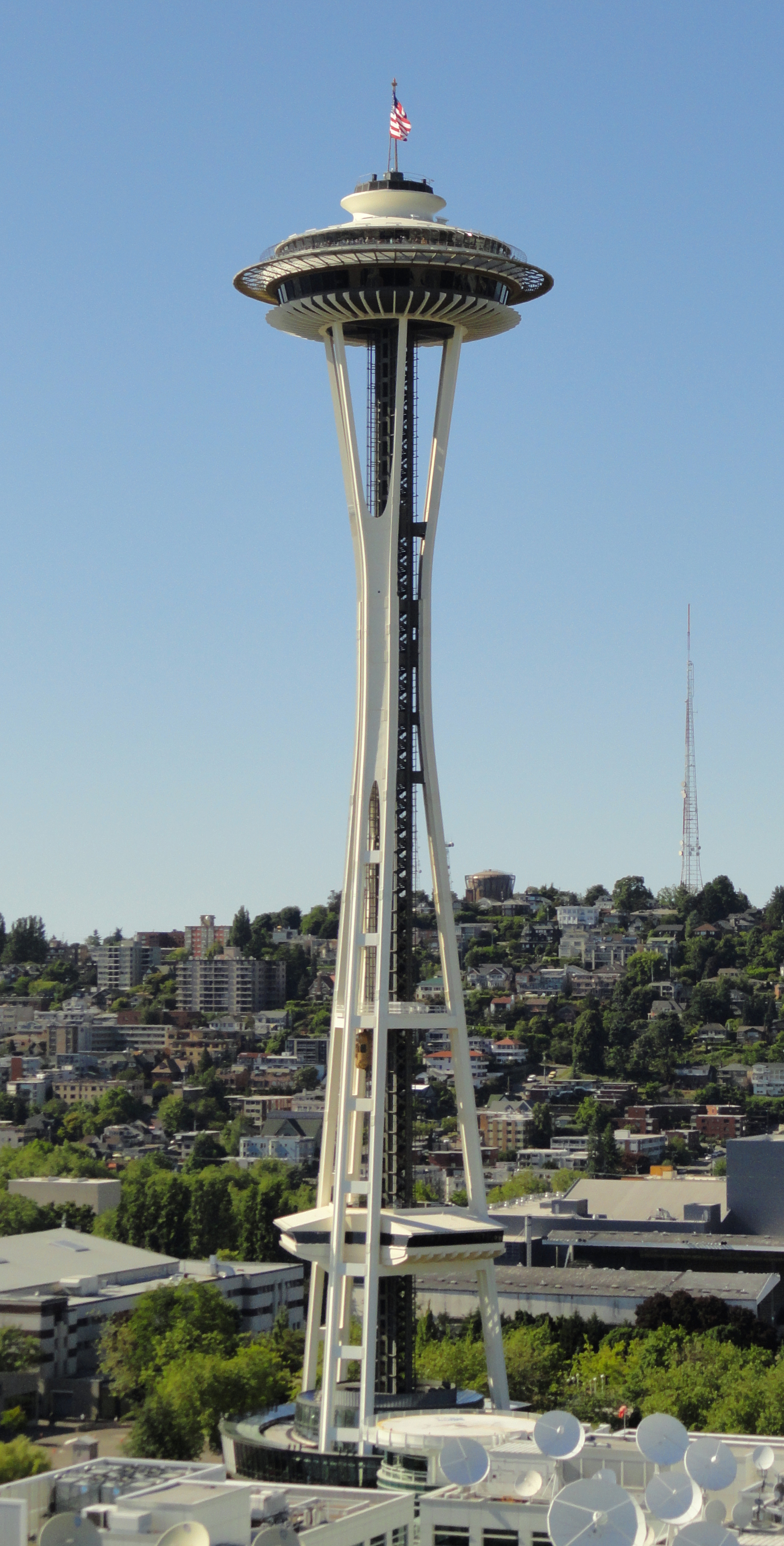
The Space Needle stands majestically at 605 feet (184 meters) from its base to the very tip of its aircraft warning beacon. Its main Observation Deck and the renowned SkyCity Restaurant are situated at the 520-foot (158-meter) level, offering breathtaking 360-degree panoramas that stretch from the bustling cityscape to the majestic natural beauty surrounding Seattle. This impressive stature, while not reaching the dizzying heights of some modern supertalls, was incredibly significant at the time of its construction and remains a powerful visual statement, making it an indispensable part of any Seattle travel itinerary. For those seeking unique landmarks and unforgettable travel experiences, understanding the scale of the Space Needle is just the beginning of appreciating its profound impact.
Unveiling the Iconic Height of the Space Needle
The sheer scale of the Space Needle is a key part of its allure, drawing visitors from across the globe keen to ascend to its summit and gaze upon the vast expanse below. Its height of 605 feet is meticulously engineered, culminating in a slender silhouette that belies its robust construction. This section delves into the precise dimensions that define this architectural masterpiece and explores its symbolic prominence on the Seattle skyline.
The Exact Dimensions and What They Mean
Standing at a commanding 605 feet (184 meters) tall, the Space Needle provides visitors with a truly elevated perspective. The primary public areas, including the indoor and outdoor Observation Deck and the world-famous SkyCity Restaurant, are nestled within the “top house” structure, perched at 520 feet (158 meters) above ground. This means that when you step out onto the viewing platform, you are already over 150 meters above the city, offering a bird’s-eye view that captivates and inspires.
The diameter of the top house itself spans 138 feet (42 meters) at its widest point, giving ample space for visitors to move around, enjoy the views, and dine in comfort. The base, anchored deep into the earth, is equally impressive, with foundations extending 30 feet (9 meters) deep and measuring 120 feet (37 meters) across. This massive concrete base, weighing 5,850 tons, ensures the tower’s incredible stability, allowing it to withstand winds of up to 200 miles per hour and earthquakes of up to 9.1 magnitude. For anyone interested in engineering marvels and sturdy architecture, the structural integrity of the Space Needle is as fascinating as its soaring height. It’s not just a landmark; it’s a testament to human ingenuity.
A Towering Symbol on the Seattle Skyline
More than just a tall building, the Space Needle has become the undisputed symbol of Seattle. Its distinctive “flying saucer” top, supported by three splayed legs, is immediately recognizable, gracing postcards, travel guides, and countless photographs. It embodies the futuristic optimism of the era in which it was built and continues to represent Seattle’s forward-thinking ethos. From nearly anywhere in the city, especially the downtown core or the Seattle Center campus, its silhouette pierces the sky, serving as a constant reminder of the city’s identity and a beacon for tourists.
The views from its summit are nothing short of spectacular. On a clear day, visitors are treated to panoramic vistas encompassing the bustling urban landscape of Seattle, the sparkling waters of Puget Sound, the majestic snow-capped peak of Mount Rainier to the south, the rugged Olympic Mountains to the west, and the sprawling Cascade Mountains to the east. These breathtaking sights are a major draw for tourism, offering an unparalleled perspective that enriches any travel experience. The Space Needle isn’t just about its height; it’s about the extraordinary visual narrative it offers, placing Seattle within its stunning natural context.
From Vision to Vertical Marvel: The History and Construction
The story of the Space Needle is one of bold vision, rapid execution, and an unwavering belief in a futuristic ideal. Born from the ambition to host a world-class event, its construction represented a significant milestone in American engineering and architecture. Understanding its origins provides valuable context for its enduring appeal as a prime landmark and tourist attraction.
Conceived for the 1962 World’s Fair
The concept for the Space Needle originated from a sketch by Edward E. Carlson, then chairman of the 1962 World’s Fair, who was inspired by the Eiffel Tower in Paris and wanted a similar landmark for Seattle’s upcoming international exposition. The fair, known as the Century 21 Exposition or the 1962 World’s Fair, was themed “Man in the Space Age” and sought to showcase American innovation and optimism for the future. The design brief called for a structure that would not only embody the fair’s theme but also serve as a permanent icon for the city.
Architect John Graham Jr. of John Graham & Company refined Carlson’s initial idea, eventually settling on the distinctive flying saucer-shaped top supported by a tripod base, a design that perfectly captured the “Space Age” aesthetic. The tower was intended to be the centerpiece of the Century 21 Exposition, much like the Eiffel Tower was for the 1889 Paris Exposition. This ambitious project required immense collaboration and vision, pushing the boundaries of architectural and engineering capabilities at the time. Its rapid development highlights the spirit of innovation that defined the era, making it a fascinating piece of history for anyone exploring landmarks and urban development.
Engineering Feats and Rapid Construction
The construction of the Space Needle was a remarkable feat of engineering, especially given its tight timeline. Construction commenced in April 1961, and incredibly, the tower was completed in just 400 days, well in advance of the 1962 World’s Fair opening. This rapid pace was a testament to efficient planning, advanced construction techniques, and round-the-clock work. The foundational concrete pour alone was a monumental undertaking, requiring 467 trucks to deliver 5,850 tons of concrete in one continuous 12-hour operation. This massive base provided the crucial stability needed for such a tall and slender structure in a seismically active region.
The design incorporated features to ensure extreme durability, capable of withstanding hurricane-force winds up to 200 mph and surviving a magnitude 9.1 earthquake, a level of resilience impressive even by today’s standards. Such structural integrity allows the Space Needle to sway gently rather than break, a testament to its innovative engineering. The passenger elevators, among the fastest at the time, ascend at 10 miles per hour, whisking visitors to the observation deck in approximately 43 seconds, providing a swift and thrilling journey to the summit. This blend of speed, safety, and advanced construction principles makes the Space Needle not only a travel destination but also a marvel of modern engineering for those interested in architecture and construction.
Enduring Legacy and Renovations
Since its grand opening, the Space Needle has continued to evolve while retaining its iconic shape. It has undergone several significant renovations to enhance the visitor experience and ensure its continued longevity. One of the most notable upgrades was the “Century Project,” completed in 2018. This multi-million-dollar renovation introduced a completely new experience: The Loupe, the world’s first and only revolving glass floor. This groundbreaking addition replaced the concrete floor on the lower observation level with 10 layers of clear glass, offering an unprecedented, vertigo-inducing view straight down to the Seattle Center below.
Furthermore, the original observation deck barriers were replaced with seamless, floor-to-ceiling glass panels, enhancing the panoramic views and providing clearer photo opportunities. These renovations underscored the commitment to keeping the Space Needle at the forefront of visitor attractions, blending historical significance with modern innovation. For travelers seeking unique experiences and luxurious amenities, these upgrades have solidified the Space Needle’s position as a must-visit landmark, continually offering new ways to appreciate Seattle’s beauty and the thrill of elevated dining and observation.
Experiencing the Space Needle: Beyond Its Height

While its impressive height is often the first thing people notice, the true magic of the Space Needle lies in the comprehensive experience it offers. It’s not just about how tall it is, but what you can see, taste, and feel when you’re there. This landmark is a cornerstone of Seattle’s tourism, providing diverse attractions for every type of traveler.
Panoramic Views and Observation Decks
The heart of the Space Needle experience is undoubtedly its observation decks. Located at the 520-foot level, these decks offer a dynamic 360-degree spectacle. The upper deck provides an expansive outdoor viewing area, allowing visitors to feel the crisp Pacific Northwest air while taking in uninterrupted vistas. The installation of seamless glass barriers means there are no visual obstructions, making for perfect photo opportunities of Seattle’s urban tapestry, the shimmering waters of Puget Sound, and the majestic backdrop of the Olympic Mountains, Cascade Mountains, and Mount Rainier.
Below this, The Loupe, the revolving glass floor, offers an entirely different perspective. Walking across the transparent surface, watching the city slowly rotate beneath your feet, is an exhilarating and somewhat dizzying sensation. This innovative feature, the first of its kind in the world, adds an extra layer of thrill and modernity to the visit. It’s a prime example of how the Space Needle continually reinvents itself, ensuring it remains a cutting-edge attraction for both first-time visitors and returning guests. For those who appreciate unique architectural elements and unforgettable viewpoints, The Loupe is a truly standout feature.
Dining with a View: The Rotating Restaurant
For a truly memorable experience, dining at the Space Needle’s SkyCity Restaurant is unparalleled. Situated at the same 520-foot level as the observation decks, this renowned restaurant offers exquisite cuisine paired with an ever-changing panorama. The entire dining floor slowly rotates, completing a full 360-degree revolution in approximately 45 minutes. This means that throughout your meal, you’ll witness Seattle unfold before your eyes – from the bustling downtown core to the distant mountains, all without leaving your table.
SkyCity Restaurant specializes in regionally sourced ingredients, presenting a fine dining experience that reflects the bounty of the Pacific Northwest. Whether it’s for a romantic dinner, a celebratory lunch, or a luxurious brunch, dining here elevates the culinary experience to new heights, quite literally. It’s a perfect example of luxury travel, combining world-class dining with an iconic setting. Reservations are highly recommended, especially for sunset sittings, when the city transforms into a glittering carpet of lights – a truly magical experience for any tourist.
Exploring the Seattle Center Campus
The Space Needle is the crown jewel of the larger Seattle Center campus, an urban park that was originally developed for the 1962 World’s Fair. A visit to the tower naturally extends to exploring this vibrant cultural hub, which is rich with attractions suitable for various interests and lifestyles. Adjacent to the Space Needle is the stunning Chihuly Garden and Glass, showcasing the breathtaking artistry of glass sculptor Dale Chihuly. Its intricate and colorful installations provide a beautiful contrast to the steel and glass of the tower.
Also within easy walking distance are the futuristic structures of the Museum of Pop Culture (MoPOP), designed by Frank Gehry, which celebrates music, science fiction, and popular culture. The Seattle Center also hosts numerous theaters, performance venues, and open spaces, making it a hub for events, festivals, and family-friendly activities throughout the year. For travelers interested in local culture, diverse entertainment, and accessible attractions, the Seattle Center provides a full day’s worth of exploration, perfectly complementing the Space Needle experience.
The Space Needle’s Place in Global Architecture and Tourism
Beyond its local significance, the Space Needle holds a special position in the broader context of global architecture and the international tourism landscape. It’s a benchmark for innovative design, a catalyst for urban development, and a continuous draw for millions worldwide.
Comparing Giants: Space Needle vs. Other Landmarks
While the Space Needle’s 605-foot height is impressive, it’s interesting to contextualize it against other iconic towers and landmarks around the world. The Eiffel Tower in Paris, which partly inspired the Space Needle, stands significantly taller at 1,083 feet (330 meters). Modern giants like the Burj Khalifa in Dubai (2,717 feet / 828 meters), the Tokyo Skytree (2,080 feet / 634 meters), or even the CN Tower in Toronto (1,815 feet / 553 meters) dwarf the Seattle icon in sheer verticality.
However, the Space Needle’s impact is not solely measured in meters or feet. Its architectural distinctiveness, its origin in a forward-looking World’s Fair, and its harmonious integration into the Seattle landscape give it a unique cultural and symbolic weight that transcends mere height comparisons. It remains a powerful example of mid-century futurism and a beacon of design innovation that continues to influence architectural discourse and inspire city planners globally. For those passionate about architectural history and urban design, the Space Needle offers a compelling case study.
A Catalyst for Seattle Tourism and Urban Development
The Space Needle has been instrumental in shaping Seattle’s identity as a tourist destination. Its initial purpose during the 1962 World’s Fair was to attract visitors and showcase the city’s potential. Decades later, it continues to fulfill this role, drawing over a million visitors annually and serving as the focal point for the thriving Seattle Center. The area around the Space Needle has flourished into a vibrant district brimming with attractions, museums, and entertainment venues, all benefiting from the tower’s magnetic appeal.
The presence of such a landmark has spurred significant urban development, including the establishment of world-class hotels and diverse accommodation options in nearby neighborhoods. From luxury hotels offering stunning Space Needle views to boutique apartments and budget-friendly stays, the tourism generated by this icon supports a robust hospitality industry. It’s not just a standalone attraction; it’s an engine for the local economy, creating jobs and fostering a dynamic environment for both residents and visitors. For those interested in the economics of tourism and urban planning, the Space Needle’s legacy offers a compelling narrative of successful landmark integration.

Planning Your Visit: Tips for Travelers
For anyone planning a trip to Seattle, visiting the Space Needle is an absolute must. To make the most of your experience, consider these travel tips:
- Book Tickets in Advance: Especially during peak season or holidays, tickets can sell out. Booking online not only guarantees your entry but can also save you time waiting in line.
- Best Time to Visit: For photographers and romantics, sunset offers spectacular views as the city lights up. However, midday often provides the clearest visibility for distant mountains. Visiting early in the morning or later in the evening can also help avoid crowds.
- Combination Passes: Consider purchasing a Seattle CityPASS, which often includes admission to the Space Needle and several other top attractions like Chihuly Garden and Glass and the Museum of Pop Culture, offering significant savings for tourists exploring multiple sites.
- Explore the Seattle Center: Allocate ample time to explore the surrounding Seattle Center campus. It’s a treasure trove of culture, art, and entertainment.
- Dining Reservations: If you plan to dine at SkyCity Restaurant, make reservations well in advance, particularly if you desire a window seat or a specific time slot.
- Consider Your Accommodation: Many hotels in downtown Seattle offer views of the Space Needle, providing a luxurious and memorable backdrop to your stay. Researching hotels based on proximity and views can enhance your overall travel experience.
By keeping these tips in mind, you can ensure a smooth, enjoyable, and unforgettable visit to Seattle’s most iconic landmark.
In conclusion, the question “How tall is the Seattle Needle?” leads us down a fascinating path that unveils not just a number, but the rich history, groundbreaking engineering, and enduring cultural impact of the Space Needle. At 605 feet (184 meters), this architectural marvel stands as a proud symbol of Seattle’s visionary spirit, offering visitors unparalleled views and a unique connection to the city’s past, present, and future. Whether you’re drawn by its history, its engineering, its breathtaking panoramas, or the revolving culinary delights of SkyCity Restaurant, the Space Needle remains an indispensable highlight for any traveler exploring the vibrant Pacific Northwest. It’s more than just a tall building; it’s an experience, a landmark, and an icon that continues to capture the imagination of the world.
LifeOutOfTheBox is a participant in the Amazon Services LLC Associates Program, an affiliate advertising program designed to provide a means for sites to earn advertising fees by advertising and linking to Amazon.com. Amazon, the Amazon logo, AmazonSupply, and the AmazonSupply logo are trademarks of Amazon.com, Inc. or its affiliates. As an Amazon Associate we earn affiliate commissions from qualifying purchases.