
For many exploring the vibrant landscapes and bustling cities of the Sunshine State, understanding local laws is paramount for a seamless and enjoyable experience. Whether you’re a long-time resident of Florida or planning a trip to its world-renowned attractions, a common question often arises: Is open carry allowed in Florida? The simple answer, which warrants a deeper dive into the nuances of the state’s statutes, is generally no, with specific and limited exceptions.
Florida, a state celebrated for its stunning beaches, theme parks like Walt Disney World Resort and Universal Orlando Resort, and diverse ecosystems from the Everglades National Park to the coral reefs of the Florida Keys, operates under a strict concealed carry framework. This approach prioritizes public safety while acknowledging the Second Amendment rights of its citizens. For anyone considering bringing a firearm into the state or purchasing one while here, a thorough understanding of these regulations is not just recommended but essential to avoid severe legal repercussions. This guide aims to clarify Florida’s firearm laws, particularly concerning open and concealed carry, offering crucial insights for both residents and visitors alike.

Understanding Florida’s Firearm Laws for Visitors and Residents
Florida’s legal framework regarding firearms is designed to be comprehensive, striking a balance between the rights of gun owners and the safety of the general public. Unlike some states where open carry is widely permitted, Florida has historically maintained a more restrictive stance, favoring concealed carry for those who meet specific criteria. This distinction is critical for anyone navigating the state’s beautiful destinations, from the historic streets of St. Augustine to the lively shores of Miami Beach.
The General Rule: Concealed Carry is Key
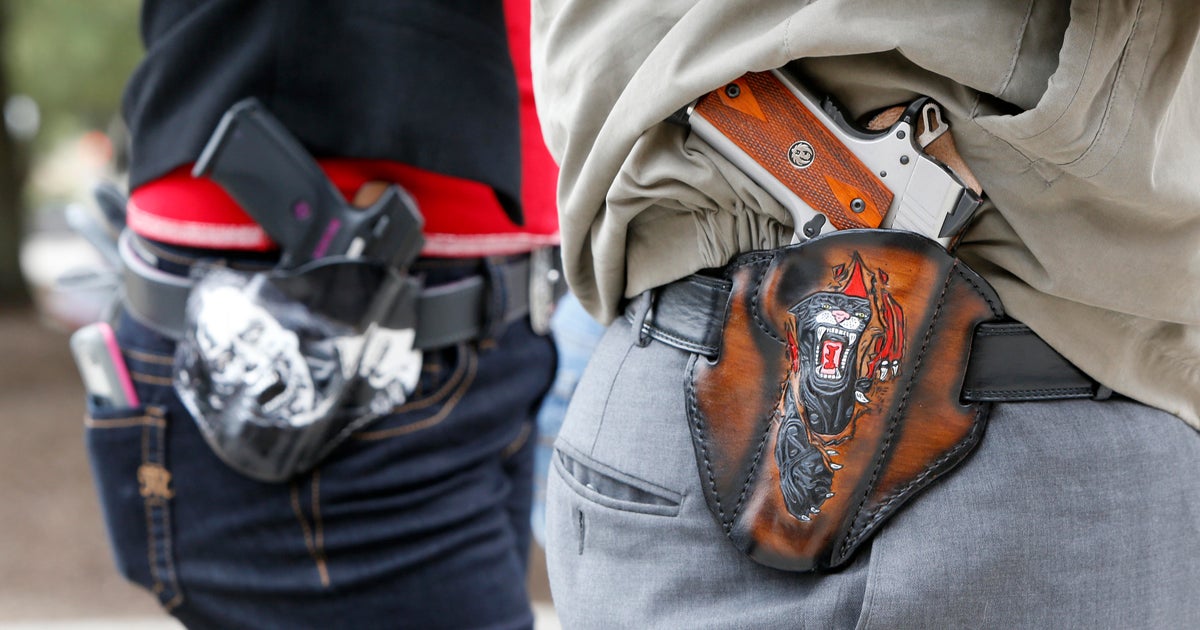
The foundational principle of Florida’s firearm law is that openly carrying a firearm is generally prohibited. Florida Statute 790.053 explicitly outlines this prohibition, making it a misdemeanor of the second degree to openly carry any handgun or electric weapon or device. This means that a firearm must not be visible to the casual observer. For those legally authorized to carry a firearm, the expectation is that it remains out of sight, typically holstered or secured beneath clothing, in a purse, or a similar manner that prevents public display.
Instead, Florida is a “shall-issue” state for concealed carry permits. This means that if an applicant meets all statutory requirements, the Florida Department of Agriculture and Consumer Services (FDACS) must issue them a Concealed Weapon or Firearm License (CWFL). This license is the cornerstone for legal firearm carry in the state. Without a valid CWFL (or a recognized permit from a reciprocating state), carrying a concealed firearm is also illegal, leading to potential felony charges. The CWFL allows individuals to carry a handgun, electronic weapon or device, tear gas gun, knife, or billie club concealed from the public’s view. This regulatory approach aims to reduce potential public alarm and enhance safety in various settings, including popular tourist hubs like Orlando and Tampa.
Exceptions to Open Carry Prohibitions
While the general rule in Florida leans heavily against open carry, there are specific, narrowly defined exceptions where it is permissible. These exceptions are crucial for individuals who engage in particular activities or find themselves in certain circumstances. Understanding these allows for compliance with state law and avoidance of legal issues.
- Engaging in Lawful Outdoor Activities: Individuals may openly carry a firearm while engaged in, or going to or from, fishing, hunting, or camping expeditions. This exception acknowledges the practical necessity of carrying firearms for protection or utility during such outdoor pursuits. Similarly, those participating in target shooting, practice, or safety courses at a licensed shooting range may also openly carry.
- On One’s Own Property or Place of Business: A person is legally permitted to openly carry a firearm on their own private property or at their fixed place of business. This right is rooted in property ownership and the ability to dictate rules within one’s own domain.
- Secure Encased Transport: A person may transport a firearm in a private conveyance if the firearm is securely encased or is not readily accessible for immediate use. “Securely encased” means it is in a gun case, a box or other container, a zipped gun bag, or a holster with a flap or strap that covers the trigger guard. This also includes firearms carried in a vehicle if it’s stored in a glove compartment (whether locked or not), a console, or in a vehicle’s trunk. This is often referred to as the “four-step rule” or “glove compartment rule” and is a critical provision for transporting firearms without a CWFL.
- Law Enforcement and Military Personnel: Active law enforcement officers, both state and federal, and active members of the military are exempt from these prohibitions as part of their official duties. This is a standard exemption across the United States.
- Historical Reenactments/Parades: In specific, sanctioned historical reenactments or parades, the open display of firearms that are part of the costume or historical accuracy may be permitted, often requiring special permits or coordination with local authorities.
These exceptions are strictly interpreted by Florida courts and law enforcement. It is important to emphasize that these do not grant a general right to open carry in daily life, even in less populated areas like the Florida Panhandle or remote parts of Amelia Island.
Navigating Concealed Carry in the Sunshine State
Given that open carry is largely restricted, understanding Florida’s concealed carry laws becomes paramount for anyone wishing to legally carry a firearm in the state. This includes both long-term residents and visitors from other states, particularly those planning extended stays or business trips to cities like Jacksonville or Fort Lauderdale.
Eligibility and Application for a Florida CWFL
Obtaining a Florida CWFL requires meeting several specific criteria and successfully navigating an application process. For residents, this license is the primary means of legally carrying a concealed firearm.
- Age Requirement: Applicants must be 21 years of age or older.
- Residency: Applicants must be a resident of Florida or a non-resident who owns property in Florida and meets all other requirements.
- Training Requirement: Proof of competency with a firearm is mandatory. This can typically be satisfied by completing a firearm safety course conducted by a certified instructor, participating in an organized shooting competition, or receiving training as part of military service.
- Background Check: All applicants undergo a thorough state and federal background check to ensure they are not disqualified by criminal history, mental health adjudications, or other prohibiting factors.
- Application Process: The application involves submitting the required forms, fingerprints, a passport-style photograph, proof of competency, and the applicable fees to the FDACS. The process can take several weeks to months.
For those considering moving to Florida or establishing a residence, understanding these requirements is crucial for a smooth transition, especially if firearm ownership is part of their lifestyle.
Reciprocity: What Out-of-State Visitors Need to Know
For the millions of tourists who flock to Florida each year, the question of carrying a firearm often hinges on reciprocity – whether Florida recognizes concealed carry permits issued by other states. Florida maintains reciprocity agreements with many other states, meaning that if you hold a valid concealed carry permit from a state with which Florida has an agreement, your permit is generally recognized within Florida.
It is absolutely vital for out-of-state visitors to verify the current reciprocity agreements before traveling. Laws can change, and the list of recognized permits may be updated. The FDACS website is the official source for this information. If your state’s permit is not recognized, or if you do not hold a permit, you are subject to Florida’s strict concealed carry laws, meaning you cannot carry a concealed firearm unless you meet one of the limited exceptions for transport without a permit. Relying on outdated information or assumptions could lead to serious legal consequences, potentially disrupting your vacation to places like Naples or Sarasota.
Prohibited Places for Firearms, Even with a CWFL
Even with a valid Florida CWFL or a recognized out-of-state permit, there are numerous locations where carrying a firearm is strictly prohibited. These “gun-free zones” are established to enhance safety in specific sensitive environments. Ignoring these prohibitions can lead to severe legal penalties, including felony charges.
Common prohibited places include:
- Government Buildings: Courthouses, polling places, legislative meeting rooms, and any meeting of a government body.
- Educational Institutions: Schools (K-12), colleges, universities, and school-sponsored events.
- Airports: The sterile (secured) areas of airports are federal gun-free zones, governed by Transportation Security Administration (TSA) and federal law.
- Establishments Primarily Serving Alcohol: This typically includes bars, nightclubs, and the bar areas of restaurants.
- Correctional Facilities: Jails, prisons, and detention centers.
- Federal Buildings: Post offices, federal courthouses, and other federal properties.
- Private Property with Posted Prohibitions: Property owners have the right to prohibit firearms on their premises, and conspicuous signage must be obeyed. This includes many businesses and attractions, such as theme parks like Busch Gardens Tampa Bay or the Kennedy Space Center Visitor Complex.
- Seaports: Specific areas within seaports are often restricted.
For travelers, this means being acutely aware of your surroundings, especially when visiting major attractions, government facilities, or dining out. It’s prudent to secure your firearm safely and legally before entering any potentially prohibited location.
Responsible Firearm Ownership and Travel Tips in Florida
For those who choose to exercise their right to carry a firearm, responsibility is paramount, especially in a state like Florida, which attracts a diverse population of residents and tourists. Integrating firearm ownership with travel and daily life requires diligence and an unwavering commitment to safety and legality.
Storing and Transporting Firearms Safely
Beyond the legalities of open versus concealed carry, the safe storage and transportation of firearms are critical. When a firearm is not on your person, it must be stored securely to prevent unauthorized access, particularly by minors or individuals who are legally prohibited from possessing a firearm.
- Home Storage: Use gun safes, locked cases, or other secure storage methods.
- Vehicle Transport: As discussed, firearms must be securely encased or not readily accessible. This often means storing it in a locked glove box, center console, or trunk. For travelers with luggage, this usually means an unloaded firearm in a locked, hard-sided container in the trunk, separate from ammunition.
- Air Travel: The TSA has specific, strict regulations for transporting firearms on commercial flights. Firearms must be declared to the airline, unloaded, placed in a locked, hard-sided container, and checked as luggage. Ammunition must also be securely packed in its original manufacturer’s box or a similar container designed for ammunition and checked. Never attempt to carry a firearm or ammunition in carry-on luggage.
- Hotel Stays: When staying at a hotel, ensure your firearm is secured in your room, preferably in a hotel safe if available, or in a personal locked container. Be mindful of housekeeping staff or other individuals who may enter your room.
These practices not only ensure legal compliance but also contribute significantly to accident prevention and overall public safety in popular tourist destinations such as Key West or the Art Deco Historic District in South Beach.
Legal Consequences and Best Practices
Violations of Florida’s firearm laws can carry severe penalties, ranging from misdemeanors with fines and potential jail time to felony charges that could result in lengthy prison sentences, loss of civil rights, and a permanent criminal record. Ignorance of the law is never an excuse.
- Know the Law: Before you travel to Florida, or if you reside here, make it your responsibility to understand current firearm laws, including any recent legislative changes. The FDACS website is an excellent resource, as are reputable legal professionals specializing in firearm law.
- When in Doubt, Don’t Carry: If you are unsure whether a specific location is prohibited, or if your carry method complies with the law, it is always safer to err on the side of caution and secure your firearm elsewhere.
- Consult Legal Experts: If you have specific questions about your eligibility, transport, or any unique circumstances, consult with an attorney experienced in Florida firearm law.
- De-escalation: Regardless of legal carrying status, always prioritize de-escalation in any potentially confrontational situation. Carrying a firearm is a serious responsibility that should only be exercised as a last resort for self-defense.

A Traveler’s Perspective: Balancing Rights and Safety
For travelers considering bringing a firearm to Florida, the emphasis should be on enjoying the state’s natural beauty and attractions while strictly adhering to its laws. Florida is a welcoming destination, offering a plethora of experiences from the capital city of Tallahassee to the sun-drenched beaches. The focus of any trip should be on safety, enjoyment, and cultural immersion, not legal complications.
By understanding that open carry is generally prohibited, familiarizing yourself with concealed carry requirements and reciprocity, and being aware of gun-free zones, visitors and residents can ensure their time in Florida is both pleasant and legally compliant. Prioritizing safe storage and responsible handling reinforces a commitment to community safety, allowing everyone to fully appreciate what the Sunshine State has to offer.
In conclusion, while the right to bear arms is a fundamental aspect of American liberty, Florida’s specific legal framework requires careful attention. Open carry is largely restricted, with concealed carry being the legal norm for those with the appropriate permits. By taking the time to understand and adhere to these regulations, you can ensure a safe, enjoyable, and lawful experience in one of the nation’s most beloved travel destinations.
LifeOutOfTheBox is a participant in the Amazon Services LLC Associates Program, an affiliate advertising program designed to provide a means for sites to earn advertising fees by advertising and linking to Amazon.com. Amazon, the Amazon logo, AmazonSupply, and the AmazonSupply logo are trademarks of Amazon.com, Inc. or its affiliates. As an Amazon Associate we earn affiliate commissions from qualifying purchases.