
Navigating a period of unemployment can be a significant challenge, bringing with it a host of financial uncertainties and lifestyle adjustments. For residents of Texas, understanding the intricacies of unemployment benefits is crucial for maintaining financial stability while seeking new opportunities. Beyond the immediate economic implications, unemployment often prompts a re-evaluation of daily life, leisure activities, and even travel aspirations. This article delves into the specifics of unemployment benefits in Texas, exploring how these provisions support individuals, and how a shift in financial circumstances can influence lifestyle choices, particularly in the realms of travel, local exploration, and accommodation.
Understanding Texas Unemployment Benefits: The Fundamentals
Unemployment insurance in Texas is administered by the Texas Workforce Commission (TWC), providing temporary financial assistance to eligible individuals who have lost their jobs through no fault of their own. This critical safety net helps bridge the gap between employment, allowing individuals to focus on their job search without immediate and severe financial hardship. Understanding the eligibility criteria, how benefit amounts are calculated, and the duration of these benefits is the first step in effectively utilizing this resource.
Eligibility Requirements: Who Qualifies?
To qualify for unemployment benefits in Texas, several conditions must be met, ensuring that the system supports those genuinely in need. Primarily, individuals must have lost their job for reasons outside of their control. This typically includes layoffs, company downsizing, or the closure of a business. Voluntary resignations, unless for “good cause” related to the employment, or termination due to misconduct, generally disqualify an applicant.
Beyond the circumstances of job separation, applicants must also demonstrate a sufficient work and wage history. The Texas Workforce Commission reviews an applicant’s “base period,” which is typically the first four of the last five completed calendar quarters before the claim is filed. During this period, applicants must have earned a minimum amount of wages to be eligible. The exact wage requirements vary but are designed to ensure that benefits are provided to individuals with a recent history of steady employment.
Furthermore, claimants must be physically able to work, available for work, and actively seeking employment. This means they must be ready and willing to accept suitable work if offered and must be making a demonstrable effort to find a new job. The Texas Workforce Commission requires claimants to register for work on their WorkInTexas.com portal and actively participate in job search activities, which may include attending workshops, submitting resumes, and going for interviews. These requirements underscore the program’s intent as a temporary aid during a job search, rather than a long-term income source.

Calculating Your Weekly Benefit Amount (WBA)
The amount of unemployment benefits an individual receives in Texas is known as the Weekly Benefit Amount (WBA). This amount is not a flat rate but is calculated based on the applicant’s past earnings during their base period. Specifically, the Texas Workforce Commission looks at the quarter in which the applicant earned the highest wages within their base period.
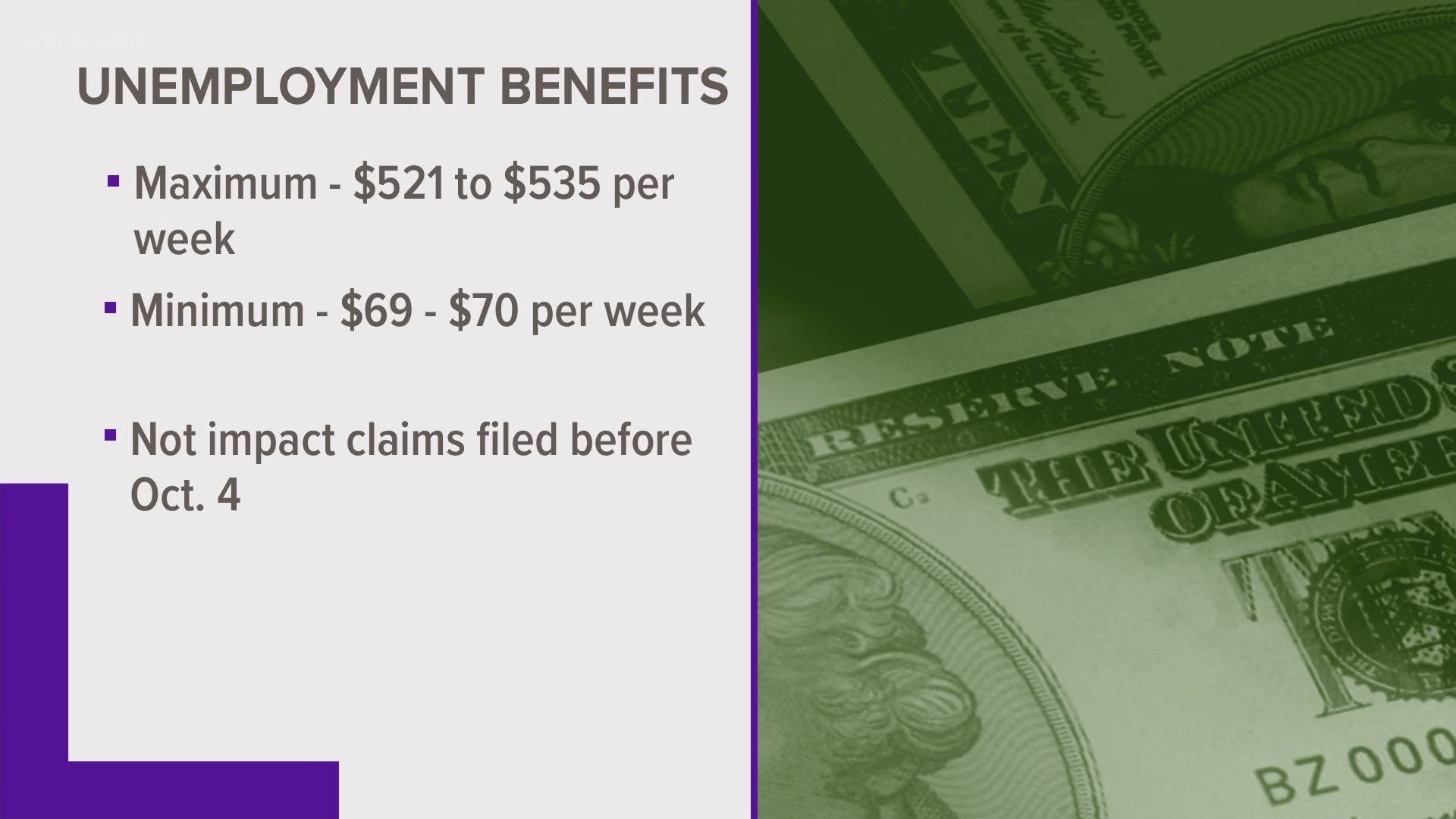
As of recent guidelines, the weekly benefit amount is roughly 1/25th of the wages earned in the highest-paid quarter of the base period. However, there are state-mandated minimum and maximum limits. The minimum weekly benefit amount is typically around $69, while the maximum weekly benefit amount in Texas can reach up to $577. These figures are subject to change, so applicants are advised to check the official Texas Workforce Commission website for the most current information. The calculation is designed to provide a percentage of previous earnings, offering a level of financial replacement that helps maintain essential living standards during the job search. It’s important to remember that these benefits are often subject to federal income tax, which claimants should factor into their financial planning.
Duration of Benefits: How Long Can You Receive Aid?
The duration for which an individual can receive unemployment benefits in Texas is also determined by their work history during the base period. Generally, claimants can receive benefits for a maximum of 26 weeks. This period is intended to provide a reasonable timeframe for individuals to find new employment. The exact number of weeks an individual qualifies for can be less than 26, depending on their earnings history.
In certain economic circumstances, such as periods of high unemployment rates at the state or national level, extended benefits programs may become available. These programs, often federally funded, can lengthen the period for which individuals can receive assistance. However, these are not standard provisions and are activated only when specific economic triggers are met. Claimants should monitor announcements from the Texas Workforce Commission or federal authorities for information regarding extended benefits. The standard 26-week duration underscores the temporary nature of unemployment insurance, emphasizing the importance of an active and diligent job search throughout the benefit period.
Navigating Financial Realities and Lifestyle Adjustments
Receiving unemployment benefits, while helpful, rarely replaces an individual’s full income. This necessitates significant financial adjustments and a rethinking of lifestyle choices. For those accustomed to regular travel, dining out, or other leisure activities, this period can be an opportunity to explore new ways of experiencing life, often with a focus on local attractions and budget-friendly options.
Budgeting on Unemployment: Making Every Dollar Count
Effective budgeting becomes paramount when living on unemployment benefits. The reduced income stream requires a meticulous approach to financial planning, prioritizing essential expenses over discretionary spending. The first step is to create a detailed budget, identifying all sources of income (including unemployment benefits) and tracking all expenditures.
Key priorities typically include housing (rent or mortgage), utilities, groceries, and transportation. Cutting back on non-essential spending is crucial. This might mean canceling subscriptions, reducing dining out, and carefully planning grocery shopping to minimize waste and maximize savings. Building or maintaining an emergency fund, even a small one, provides an additional layer of security for unexpected expenses. The discipline of budgeting during unemployment can also impart valuable long-term financial habits, empowering individuals to manage their money more effectively even after re-employment. It’s a period that often highlights the importance of financial resilience and prudent spending.
The Impact on Travel and Leisure: Redefining Exploration
Unemployment inevitably shifts one’s approach to travel and leisure. Lavish international trips or stays at luxury resorts might be put on hold, but this doesn’t mean an end to exploration. Instead, it offers a chance to embrace budget travel and rediscover the rich tapestry of local attractions and experiences available closer to home.
Many individuals opt for staycations, transforming their local area into a holiday destination. Texas, with its vast landscapes and diverse cities, offers a plethora of opportunities for this kind of exploration. From the historic San Antonio River Walk to the vibrant music scene in Austin, or the sprawling natural beauty of Big Bend National Park, there are countless free or low-cost activities. Exploring local culture, visiting public parks, hiking nature trails, and discovering hidden gems within one’s own city or nearby towns become viable and rewarding alternatives. Dallas, Houston, and Fort Worth all offer numerous museums, green spaces, and community events that are often free or very affordable.
Day trips within Texas are also excellent options for satisfying wanderlust without breaking the bank. Packing a picnic, driving to a scenic spot, or visiting a small town can provide a refreshing change of scenery and a sense of adventure. This period encourages creativity in leisure, fostering appreciation for accessible beauty and community resources, proving that meaningful experiences don’t always come with a high price tag.

Practical Steps and Resources for Texas Residents
Beyond financial assistance, the Texas Workforce Commission offers a suite of resources designed to help individuals return to employment. These services, coupled with strategic thinking about temporary accommodation and job searching, are vital components of navigating unemployment effectively.
Applying for Unemployment Benefits in Texas
The application process for unemployment benefits in Texas is primarily conducted online through the Texas Workforce Commission’s website. Applicants will need to provide detailed information, including their Social Security Number, complete work history for the past 18 months, reasons for job separation, and contact information for former employers. Having these documents and information readily available streamlines the application process.
After submitting an application, the Texas Workforce Commission reviews the claim, which may involve contacting former employers to verify information. This determination process can take a few weeks. It’s crucial for applicants to respond promptly to any requests for additional information from the Texas Workforce Commission to avoid delays. Once approved, claimants must continue to request payment every two weeks and fulfill the ongoing job search requirements to remain eligible for benefits. Clear and consistent communication with the Texas Workforce Commission and adherence to their guidelines are key to successfully receiving and maintaining unemployment benefits.
Exploring New Opportunities and Temporary Accommodation
During unemployment, the focus shifts to actively seeking new employment. The Texas Workforce Commission provides extensive job search assistance, including access to job listings through WorkInTexas.com, resume-building workshops, interview coaching, and career counseling. Many individuals also consider exploring new career paths, and the tourism and hospitality sectors, vibrant in Texas, often present numerous opportunities, from hotel operations to event management.
For those contemplating relocating for job interviews or temporary work assignments, finding affordable accommodation becomes a practical consideration. Options might include extended-stay hotels that offer discounted weekly or monthly rates, furnished apartments for short-term rental, or even budget hotels in areas with good public transport links. Utilizing local guides or community resources can also uncover insights into affordable living arrangements or shared housing options, which can significantly reduce expenses during a transition period. This period can also be a unique opportunity to explore different parts of Texas, even if on a temporary basis, providing exposure to new cities and their distinct lifestyles.
The Broader Economic Picture: Unemployment and the Tourism Sector
The health of the job market and the availability of unemployment benefits are not isolated issues; they ripple through the broader economy, significantly impacting sectors like tourism and hospitality. Understanding this interplay highlights the interconnectedness of individual financial well-being and the collective economic landscape.
How Economic Shifts Influence Travel and Leisure
When unemployment rates rise or economic uncertainty prevails, consumer spending habits change dramatically. Discretionary spending, particularly on travel and leisure, is often among the first areas to be curtailed. This directly affects hotels, restaurants, airlines, and local attractions, leading to reduced revenue and potential job losses within the tourism industry itself.
The impact extends to local economies that rely heavily on tourist dollars, from small souvenir shops in Galveston to tour operators in Big Bend. A slowdown in tourism can create a challenging cycle, where job losses in one sector lead to reduced consumer confidence and spending in others. Conversely, a robust job market and strong consumer confidence typically translate into increased travel and leisure activities, fueling growth and job creation in the hospitality and tourism sectors. This dynamic underscores the importance of a healthy economic environment for the thriving of destinations and experiences.
Supporting Local: A Community-Centric Approach to Recovery
In times of economic uncertainty, a renewed emphasis on supporting local businesses and exploring local destinations can play a vital role in community recovery and resilience. While grand vacations may be out of reach for many, engaging with local tourism—even through staycations or day trips—can inject much-needed funds into small businesses, restaurants, and cultural experiences that are the heartbeat of Texas’s towns and cities.
Encouraging residents to explore their own backyards, visit landmarks, attend local festivals, or patronize independent shops helps maintain employment within the community. The resilience of Texas communities is often reflected in their ability to adapt and support each other during challenging times. By consciously choosing to spend locally, even those managing on unemployment benefits can contribute to the collective effort to keep the tourism sectors vibrant and ready for a full recovery, demonstrating that every dollar spent within the community has a multiplying effect.
Conclusion
Understanding “How Much Does Unemployment Pay In Texas?” is more than just knowing a numerical value; it’s about grasping the system of support available during a challenging life transition. While unemployment benefits provide a crucial financial lifeline, they also necessitate significant lifestyle adjustments, particularly in how one approaches leisure and travel. This period can be an unexpected opportunity for introspection, financial discipline, and a rediscovery of local beauty and experiences. By effectively budgeting, embracing budget travel and staycations, and actively utilizing the resources provided by the Texas Workforce Commission, individuals can navigate unemployment with resilience. Moreover, by supporting local businesses and attractions, even during personal financial adjustments, residents contribute to the broader economic health of their communities and the vibrant tourism landscape that makes Texas a unique place to live and explore.
LifeOutOfTheBox is a participant in the Amazon Services LLC Associates Program, an affiliate advertising program designed to provide a means for sites to earn advertising fees by advertising and linking to Amazon.com. Amazon, the Amazon logo, AmazonSupply, and the AmazonSupply logo are trademarks of Amazon.com, Inc. or its affiliates. As an Amazon Associate we earn affiliate commissions from qualifying purchases.